
Why Tattoo Placement and Design Tips Matter for Your Next Ink
Have you ever considered how the placement of your tattoo can change its meaning and impact? Tattoo placement is crucial because it affects not only the aesthetic appeal but also plays a significant role in personal expression and how others perceive you.
The significance of tattoo placement and design extends beyond mere aesthetics. A well-chosen placement can enhance the tattoo’s visual appeal, complementing the body’s natural lines and curves. For instance, a tattoo on the forearm can be easily shown off or hidden, offering versatility in visibility depending on personal preference.
Moreover, the psychological aspects of tattoo visibility are profound. Tattoos that are more visible can influence how others perceive your personality and lifestyle. A visible tattoo might suggest openness and boldness, while a more discreet placement could indicate a preference for privacy or subtlety. This perception can impact self-image, as individuals often choose placements that align with their self-expression goals.
Understanding the importance of tattoo placement and design is essential for making informed decisions about your next ink. By considering factors such as visibility, aesthetic harmony, and personal expression, you can ensure that your tattoo not only looks great but also resonates with your identity.
Key Factors to Consider for Tattoo Placement

Choosing the right tattoo placement involves more than just personal preference; it requires understanding your body’s unique features. Anatomical features such as muscle structure and skin elasticity play a significant role in how a tattoo will look and age over time. For instance, areas with more muscle definition can enhance the visual impact of certain designs, while regions with less elasticity might lead to distortion.
Different body shapes and sizes also influence tattoo design considerations. A larger canvas, such as the back, offers more space for intricate designs, whereas smaller areas like the wrist may be better suited for minimalistic tattoos. Popular placements include sleeves on the arms, which can be tailored to fit the natural contours of the muscles, and back pieces that allow for expansive artwork.
When choosing tattoo placement, consider how visible you want your tattoo to be and the potential pain levels associated with different areas. Next, we will delve into how body anatomy specifically influences tattoo placement.
Body Anatomy and Tattoo Placement
Did you know that the anatomy of your body can dictate the success and longevity of your tattoo? Different body parts react uniquely to tattoos based on skin type and thickness. For instance, areas with thicker skin, like the forearm, often showcase vibrant tattoos that heal well. Conversely, tattoos on bony areas may not retain their vibrancy as effectively.
Muscle and fat distribution also play a role; tattoos on muscular regions like the thigh tend to heal better and maintain their color longer. Now that we understand anatomy, let’s explore how visibility and lifestyle can influence tattoo placement.
Visibility and Lifestyle Considerations
Are you aware that your lifestyle can significantly influence where you choose to place your tattoo? Factors such as your profession and hobbies play a crucial role in determining tattoo visibility. For instance, those in corporate environments might opt for less visible placements to avoid potential workplace bias. Research shows that nearly 30% of individuals with visible tattoos have faced workplace discrimination, highlighting the importance of professional tattoo placement.
Balancing personal expression with societal perceptions of tattoos is essential. While a bold design on your forearm might showcase your personality, it could also attract unwanted attention in certain settings. Next, we will analyze how the complexity and size of a design can impact placement decisions.
Design Complexity and Size Impact
Have you ever wondered how the complexity of your tattoo design can dictate where it should be placed on your body? Larger, intricate designs often require expansive areas like the back or thigh to preserve clarity and detail. For instance, a detailed dragon or landscape scene will thrive on a broad canvas, while smaller, simpler tattoos like minimalist symbols fit well on wrists or ankles.
The size impact on tattoo placement also affects pain levels; larger tattoos on fleshy areas tend to be less painful. Complex tattoos often require larger canvases to maintain detail, influencing both placement and cost. Understanding pain levels associated with different placements is crucial for first-time tattoo seekers.
Navigating Tattoo Pain Levels and Placement Choices
Are you prepared for the pain that comes with getting a tattoo, or do you know where it will hurt the most? Understanding tattoo pain levels is crucial when choosing your tattoo placement. Different body areas experience varying degrees of pain, with locations like the ribs, spine, and feet often cited as the most painful tattoo areas.
Pain perception is highly individual and can be influenced by factors such as anxiety, fatigue, and personal pain tolerance. For some, a tattoo on the arm might be a breeze, while others might find it quite uncomfortable. It’s important to mentally and physically prepare for your session, ensuring you’re well-rested and hydrated to help manage tattoo pain tolerance.
For more detailed insights into managing tattoo pain, you can visit Healthline’s guide on tattoo pain.
Most Painful Tattoo Areas
Curious about where tattoos hurt the most? Let’s explore the body parts that are notorious for their pain levels during tattooing. The ribs are often cited as the most painful area for tattoos due to the thin skin and proximity to bone, making it a common choice for regret among first-timers. The spine and elbows also rank high on the tattoo pain scale, with many individuals describing the sensation as intense and sharp.
| Body Part | Pain Scale (1-10) | Testimonials |
|---|---|---|
| Ribs | 9 | “Felt like a constant stabbing sensation.” |
| Spine | 8 | “The vibration on the bone was unbearable at times.” |
| Elbows | 8 | “Sharp and relentless pain.” |
Least Painful Tattoo Areas
Looking to minimize discomfort during your tattoo session? Discover the areas where you can get inked with the least pain! The forearm, thigh, and outer shoulder are among the least painful tattoo placements. These areas benefit from thicker skin and ample fat cushioning, reducing the pain experienced during the tattooing process.
Popular designs for these pain-free tattoo areas include floral patterns on the forearm, geometric shapes on the thigh, and tribal designs on the outer shoulder. Surprisingly, the outer shoulder and forearm are often preferred for first tattoos due to their lower pain levels and visibility options. Balancing your pain tolerance with your design desires is essential for a satisfying tattoo experience.
Balancing Pain Tolerance with Design Desires
Are you torn between your dream tattoo and the fear of pain? Let’s explore how to find the right balance! Many tattoo artists recommend starting with smaller, less detailed designs in painful areas to build confidence and tolerance before moving to larger pieces. This strategy helps in balancing tattoo pain and design aspirations effectively.
For pain management during the tattooing process, consider using breathing techniques and numbing creams. Stories from individuals who have successfully navigated this balance often highlight the importance of these methods.
Next, we will discuss how to effectively communicate your placement ideas with your tattoo artist.
How to Discuss Tattoo Placement with Your Artist
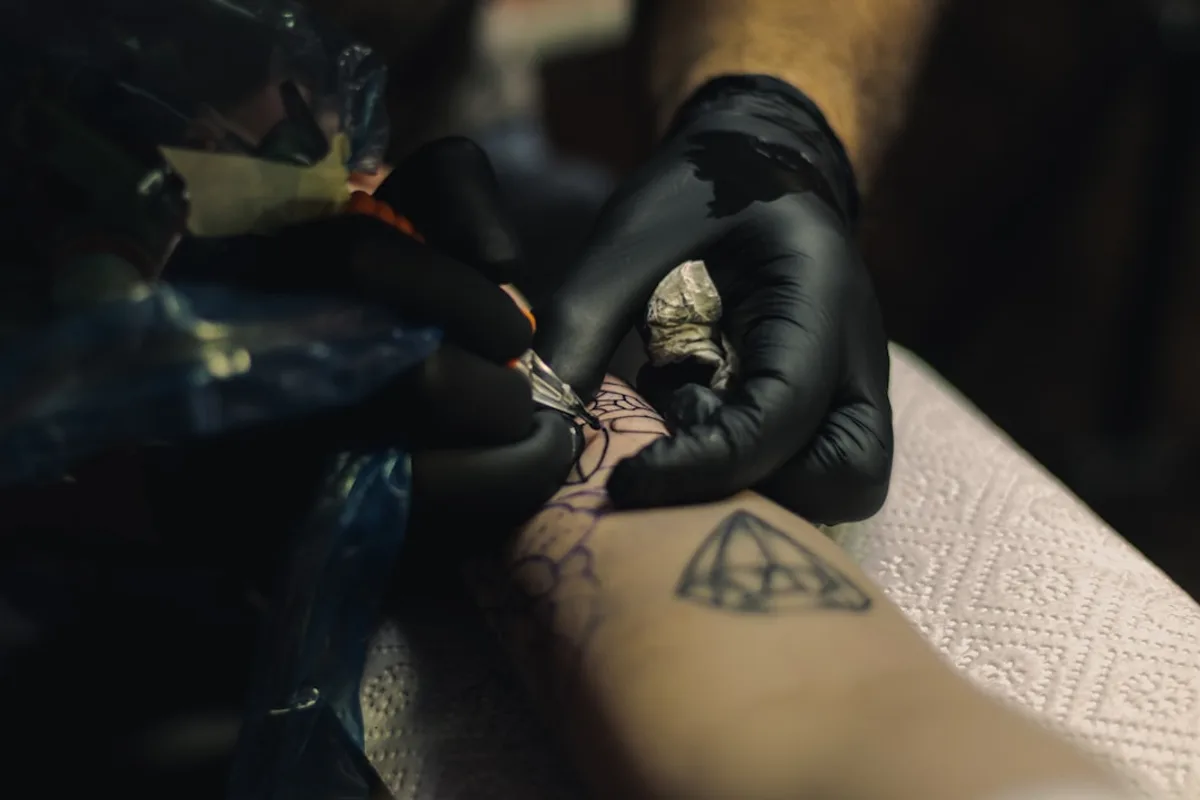
Are you ready to take the plunge and get inked? Here’s how to prepare for your consultation with your tattoo artist!
- Research Your Artist: Understand their expertise, especially related to tattoo placement. Knowing their strengths can guide your decisions.
- Gather Reference Images: Bring examples of styles and placements you admire. Having a clear vision and reference images can significantly enhance the quality of the consultation, leading to better results.
- Consider Placement Factors: Think about visibility, personal preference, and pain levels associated with different placements. This will help you make informed decisions.
- Prepare Questions: List any questions about placement, healing, and aftercare. This ensures you leave the consultation with all the information you need.
Tattoo consultation preparation is key to achieving the design you envision. By following these steps, you’ll be well-prepared for your tattoo appointment. Next, we’ll explore how to communicate your vision effectively during the consultation.
Preparing for Your Consultation
Do you want to ensure your tattoo vision becomes a reality? Here’s how to communicate it effectively to your artist!
- Bring Visuals: Gather images, sketches, and notes that illustrate your ideas. These will help in communicating tattoo ideas clearly.
- Be Open: Discuss your expectations and any concerns about placement. Honesty is key in a tattoo artist consultation.
- Share Your Story: Articulate your personal story to help the artist understand your vision. Artists appreciate clients who can articulate their vision, as it allows for a more collaborative and satisfying design process.
Now that you know how to share your vision, let’s discuss collaborating on final placement decisions.
Communicating Your Vision Effectively
Are you ready to turn your tattoo vision into reality? Collaboration with your artist is key to achieving the perfect placement!
- Discuss Your Ideas: Share your initial thoughts on placement and design. This opens the door for a productive tattoo design collaboration.
- Listen to Expert Advice: Tattoo artists bring valuable insights. Their suggestions often lead to innovative placements that enhance the design.
- Stay Flexible: Be open to changes. Successful collaborations, like those resulting in unique wrist or ankle tattoos, often require flexibility.
Next, we will examine current tattoo placement trends and their cultural significance.
Collaborating on Final Placement Decisions
Curious about what’s trending in the world of tattoos? Let’s dive into the latest placement trends that are making waves!
- Hand Tattoos: Once rare, they are now a popular tattoo placement due to their visibility and bold statement.
- Neck Tattoos: Increasingly common, reflecting a shift towards acceptance in professional settings.
- Body Suits: Comprehensive designs covering large areas, gaining traction in diverse cultures.
Statistics show a rise in these placements, highlighting a cultural shift towards embracing visible tattoos. Understanding the cultural meanings behind these placements can provide deeper insight into your choices.
Tattoo Placement Trends and Their Cultural Significance
Curious about what’s trending in the world of tattoos? Let’s dive into the latest placement trends that are making waves! Popular tattoo placements such as hand tattoos, neck tattoos, and full body suits have gained significant traction in recent years. These trends reflect not only personal style but also broader cultural shifts. For instance, the rise of visible tattoos in professional settings has led to a cultural shift, with more people opting for placements that were once considered taboo.
Trends in tattoo placement often vary by region and culture, highlighting societal attitudes toward body art. In Western cultures, neck and hand tattoos have become symbols of bold self-expression, while in some Eastern cultures, full body suits are deeply rooted in tradition and status. According to recent statistics, there has been a 30% increase in hand tattoos over the past five years, showcasing their growing popularity.
Understanding the cultural meanings behind these placements can provide deeper insight into your choices.
Popular Placement Trends Today
What’s hot in the tattoo world right now? Let’s explore the most popular placements that everyone is talking about! Among the top choices for 2023 are wrist, ankle, and shoulder tattoos. Designs like delicate floral patterns on the wrist, minimalist symbols on the ankle, and bold geometric shapes on the shoulder are trending.
Social media platforms like Instagram have accelerated the popularity of certain tattoo placements, creating viral trends that influence design choices among younger generations. Tattoo artists note that these placements are gaining popularity due to their versatility and visibility.
Next, we will delve into the cultural meanings behind various tattoo placements.
Cultural Meanings Behind Placement Choices
Did you know that the placement of your tattoo can carry deep cultural significance? Let’s uncover the meanings behind popular placements! In many societies, the cultural significance of tattoos extends beyond aesthetics. For example, tribal tattoos often adorn the arms or face, symbolizing rites of passage or social status. In Polynesian cultures, tattoos on the legs or torso can denote spiritual beliefs and heritage. Historically, Japanese irezumi placed on the back conveyed strength and protection. Understanding these tattoo placement meanings enriches your design choices.
Now, let’s address some frequently asked questions regarding tattoo placement and design.
FAQs on Tattoo Placement and Design
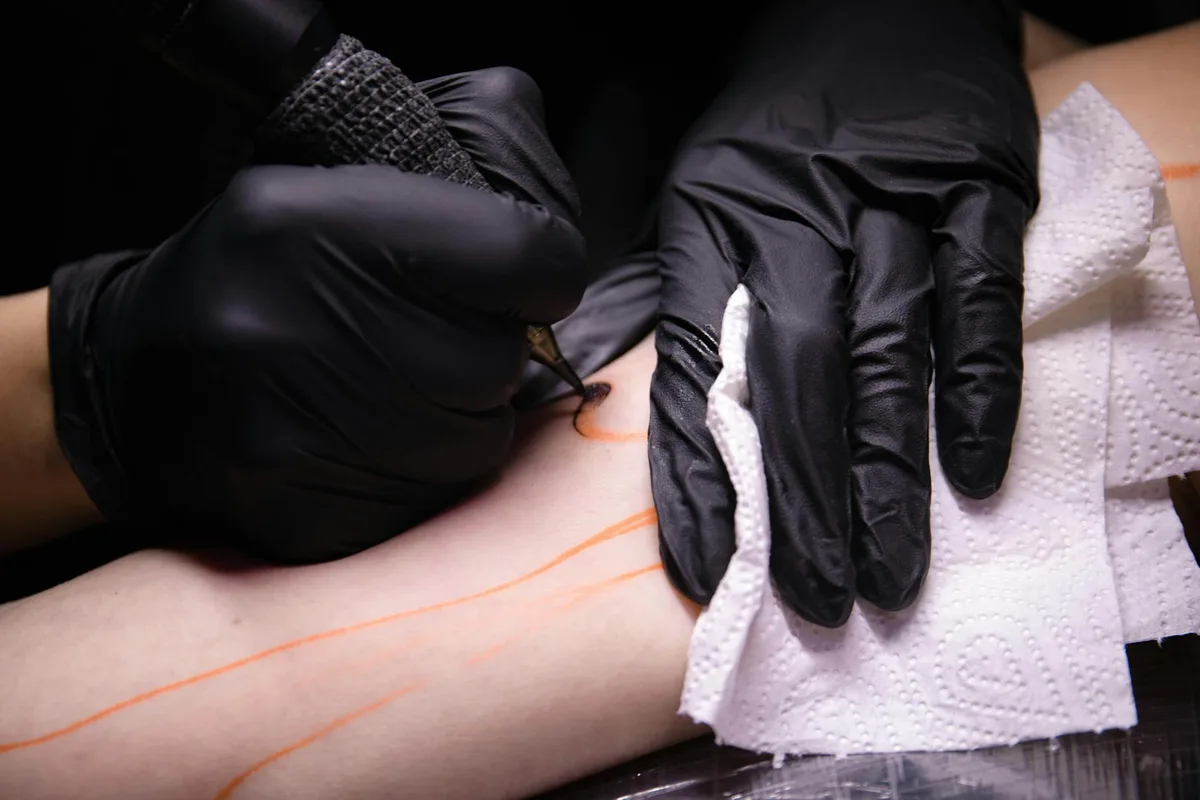
Have questions about tattoo placement? You’re not alone—let’s tackle some of the most common inquiries!
What are the most common questions about tattoo placement and design?
- How do I choose the right placement? Consider visibility, personal preference, and pain levels. Expert advice can guide you.
- Will my tattoo design last? Placement affects longevity; areas with less friction preserve designs better.
- What should first-timers know? Many underestimate placement discussions, leading to regrets. Ask questions during consultations.
Understanding the key takeaways will help solidify your knowledge about tattoo placement and design.
What are the best placements for first-time tattoos?
Are you getting your first tattoo and unsure where to place it? Let’s explore the best options for beginners! When considering first tattoo placements, it’s wise to choose areas with lower pain levels and moderate visibility. The wrist, ankle, and upper arm are popular choices for their balance between visibility and comfort. These areas allow you to showcase your tattoo or keep it discreet as needed.
Simple designs like small symbols, initials, or minimalist shapes are ideal for first tattoos. They not only look elegant but also help you ease into the tattooing experience. Remember, starting with a design that holds personal significance can make your tattoo journey more meaningful. For more insights on tattoo placement and pain levels, visit Healthline.
Next, we will discuss how tattoo placement can affect the aging process of the design.
How does tattoo placement affect the aging process of the design?
Are you concerned about how your tattoo will age over time? Let’s explore how placement plays a crucial role in its longevity! The tattoo aging process is significantly influenced by where the tattoo is placed on the body. Areas exposed to more sun, like hands and forearms, tend to fade faster due to UV exposure. Similarly, tattoos on parts of the body that experience frequent movement or friction, such as elbows or knees, may blur over time.
To ensure your tattoo remains vibrant, consider placement carefully. Tattoos on less exposed areas, like the back or thighs, generally age better. For tattoos in high-exposure areas, regular application of sunscreen and moisturizing can help maintain their appearance. Understanding how placement affects tattoos can guide you in choosing the best spot for your design.
Now, let’s answer whether it’s possible to change your tattoo placement after the initial design.
Can I change my tattoo placement after the initial design?
Are you wondering if you can change your tattoo placement after the design is set? Let’s explore your options! While changing tattoo placement is possible, it often requires a complete redesign, which can impact the overall aesthetic and meaning of the tattoo. This is particularly common in scenarios like cover-ups or when opting for tattoo redesign options.
Before making any changes, it’s crucial to consult with your tattoo artist. They can offer professional advice on how the new placement might affect the design and suggest alternatives that maintain the integrity of the artwork. Remember, moving your tattoo might also alter its visibility and the pain level associated with different areas.
Next, we’ll discuss what to consider when choosing placement for a large tattoo.
What should I consider when choosing placement for a large tattoo?
Are you ready to get a large tattoo but unsure where to place it? Let’s explore the key factors to consider! Large tattoos often require more than just space; they need to be placed on areas that can accommodate the design without distortion over time. Consider skin stretch and visibility, as these can impact the longevity and appearance of your tattoo.
Popular placements for large tattoos include the back, chest, and thighs. These areas provide ample space and are less prone to distortion from daily movements. Additionally, they offer a canvas that can maintain design integrity over time. When considering big tattoos, think about your personal preference for visibility and potential pain levels associated with different areas.
Finally, we will address any remaining questions about tattoo placements to ensure you feel confident.
Are there any placements to avoid for certain designs?
Are you considering a tattoo but unsure if your chosen placement is ideal? Let’s uncover the areas you might want to avoid! Certain placements, like the hands or feet, can lead to quicker fading and distortion of intricate designs, making them less ideal for detailed artwork. Bony areas, such as the ribs or ankles, can also pose challenges for detailed designs due to the uneven surface.
For example, watercolor tattoos may not translate well on constantly moving parts like the elbows or knees, where the skin stretches and compresses frequently. To avoid common tattoo placement mistakes, consult with your artist about your design and its suitability for your chosen area. They can provide valuable insights into suitable tattoo placements that align with your vision while ensuring longevity and clarity.
Key Takeaways About Tattoo Placement and Design
As we wrap up our discussion on tattoo placement and design, let’s revisit the essential points to ensure you’re well-prepared for your next ink! Thoughtful placement and design are crucial elements that can dramatically influence your tattoo experience. Consider factors such as visibility, personal preference, and pain levels associated with different placements. These aspects are vital in achieving a satisfying and meaningful tattoo.
One of the key takeaways about tattoo placement is the importance of taking your time to make informed decisions. Rushed choices often lead to regret, whereas a well-considered approach can enhance the personal significance and aesthetic appeal of your tattoo. Remember, the location of your tattoo can affect its visibility and your comfort, so weigh these factors carefully.
In terms of design, it’s essential to work closely with a skilled artist who can bring your vision to life while offering professional guidance. Bold Ink Art specializes in creating personalized tattoo experiences, ensuring that each piece is a unique reflection of your individuality. Their expertise can help you navigate design choices that complement your chosen placement.
Final thoughts on tattoo placement: taking the time to thoughtfully consider your options can lead to a more satisfying and meaningful tattoo experience, reducing the likelihood of future regret. Book your consultation today to start designing your one-of-a-kind tattoo with Bold Ink Art!
Leave a Reply