What Makes Different Types of Body Art Essential
Have you ever wondered why body art resonates so deeply with so many individuals? Body art is essential for personal expression because it allows individuals to convey their identity, beliefs, and emotions in a visible and lasting form. The psychological effects of tattoos and other body modifications can be profound, offering a sense of empowerment and individuality.
Body art’s popularity is evident, with studies showing that over 30% of Americans have at least one tattoo. This statistic underscores the growing acceptance and significance of body art in society. Beyond personal expression, body art serves as a form of storytelling, with cultural examples ranging from Maori tattoos to Indian henna designs.
Now, let’s explore some of the most popular and unique styles of body art.
Popular and Unique Styles of Different Types of Body Art
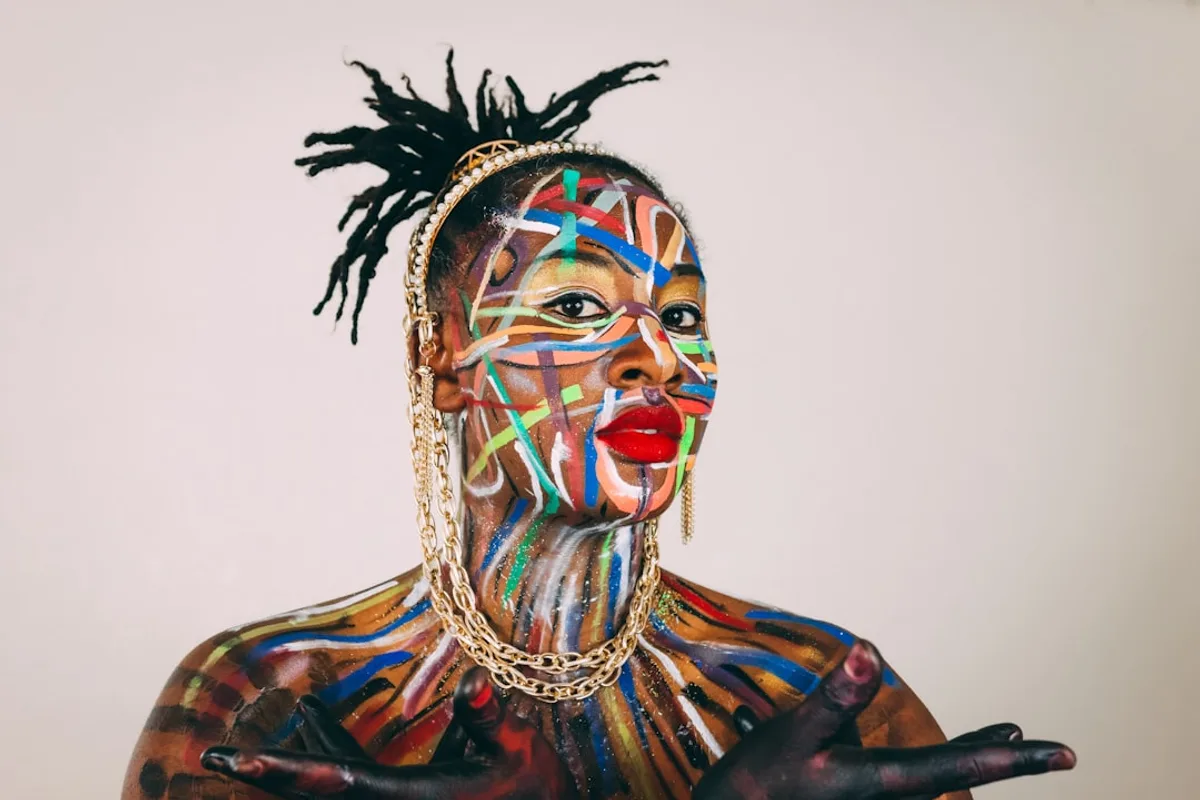
From intricate tattoos to bold piercings, the world of body art is as diverse as the individuals who wear it. Popular body art styles include tattoos, piercings, and body painting, each with unique characteristics. Tattoos offer a range of styles such as watercolor, geometric, and realism, with social media platforms like Instagram driving a 25% increase in demand for custom designs. Piercings and body painting also enjoy popularity, with unique techniques constantly emerging. Next, we’ll delve into tattoos, exploring their rich history and significance.
Tattoos: A Timeless Expression
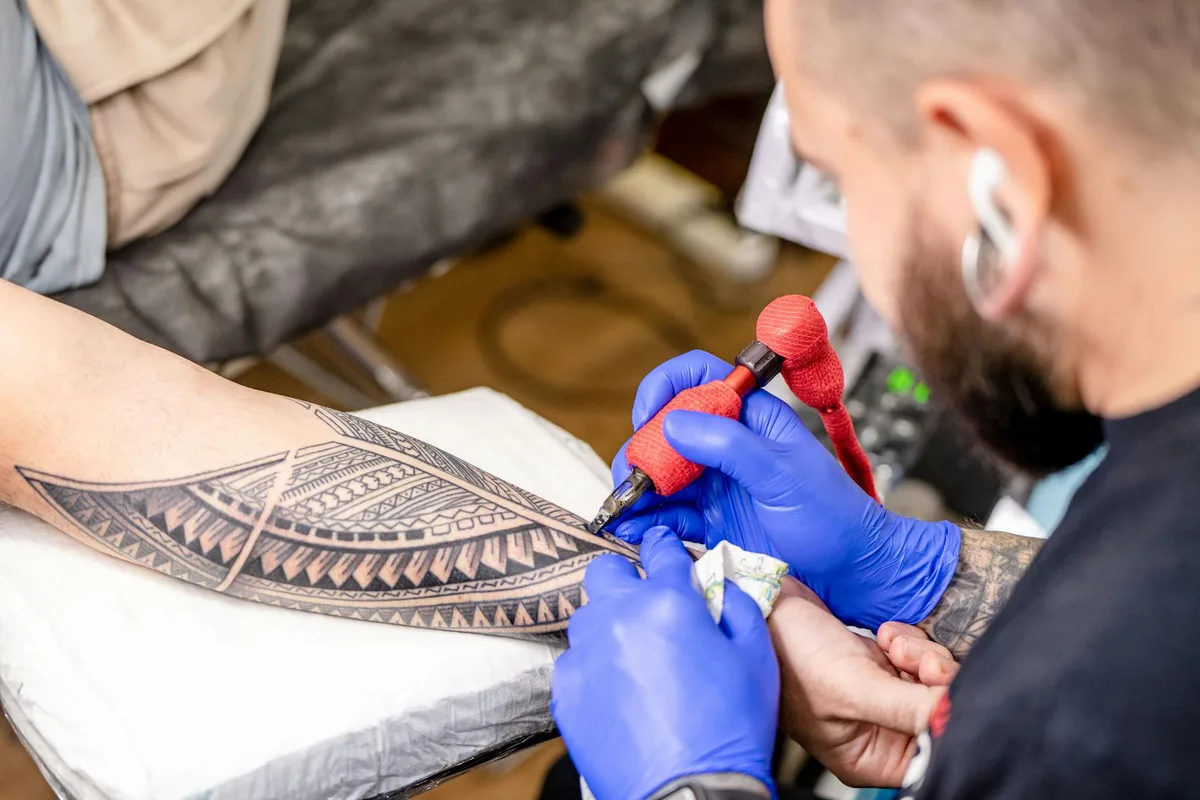
Tattoos have been a form of expression for millennia—what stories do they tell? The history of tattoos traces back to ancient civilizations, with the oldest known tattooed human remains found on Ötzi the Iceman, dating over 5,000 years. From traditional hand-poked methods to modern machine techniques, tattooing has evolved significantly.
Notable tattoo artists like Norman “Sailor Jerry” Collins and Kat Von D have revolutionized the art form, each contributing unique styles and techniques. Following tattoos, let’s examine the fascinating world of body painting.
Body Painting: Temporary Yet Impactful
What if you could wear a masterpiece on your skin for just a day? Body painting allows for this unique expression, setting it apart from permanent tattoos and other body art forms. Unlike tattoos, body painting is a temporary body art that washes away, making it ideal for festivals and performances.
Renowned events like the World Bodypainting Festival highlight its growing popularity, drawing thousands of artists and spectators annually. Famous body painters such as Joanne Gair and Craig Tracy have captivated audiences with their stunning works, showcasing advanced body painting techniques.
Next, we will explore the evolution of piercings, from ancient traditions to contemporary practices.
Piercings: From Traditional to Modern
From earlobes to eyebrows, body piercings have a rich history and a modern flair—what do they mean today? The practice of body piercing dates back to ancient Egypt, where it was often associated with status and wealth. Today, types of body piercings include earlobe, cartilage, and facial piercings, each with unique cultural significance.
In 2023, piercing trends highlight a blend of tradition and innovation, reflecting personal identity and cultural heritage. Now, let’s dive into the techniques and cultural significance behind various forms of body art.
Techniques and Cultural Significance in Body Art
What hidden stories lie behind the techniques of body art that span generations? Traditional body art techniques, such as tribal tattoos and scarification, hold deep cultural significance. In many indigenous communities, these practices are not merely decorative but serve as rites of passage or symbols of identity. For instance, scarification remains prevalent in some African cultures, marking significant life stages.
Modern adaptations of these traditional techniques have influenced contemporary body art, blending ancient symbolism with new artistic expressions. To learn more about the cultural significance of tattoos, visit Smithsonian Magazine. Next, we will explore the evolution of traditional techniques and their impact on modern body art.
Traditional Techniques and Their Evolution
How have the tools and techniques of body art transformed over the centuries? Traditional tattoo techniques like hand-tapping have seen significant evolution. The introduction of tattoo machines in the late 19th century revolutionized tattooing, allowing for more intricate designs and faster application. Tattoo artist Jane Doe notes, “The evolution of body art has expanded our creative possibilities immensely.”
Let’s now explore the cultural meanings behind various body art forms.
Cultural Meanings Behind Body Art
What stories do tattoos and piercings tell about the cultures they originate from? The cultural meanings of tattoos and other forms of body art are deeply rooted in tradition. For instance, Maori tattoos, known as ta moko, symbolize ancestry and social status, while Native American body art often represents spiritual beliefs and tribal identity.
In some cultures, tattoos are not just decorative; they serve as a rite of passage, marking significant life events and transitions. However, cultural appropriation in body art can dilute these meanings, leading to misunderstandings and misrepresentations. Now, let’s look at modern innovations that are shaping the future of body art.
Modern Innovations in Body Art
What cutting-edge technologies are redefining the boundaries of body art? Modern body art innovations like 3D tattoos and augmented reality applications are transforming the industry. 3D tattoos, which create an optical illusion of depth, are gaining popularity, pushing traditional tattoo artistry’s boundaries. Additionally, social media platforms are crucial for sharing designs and trends, further influencing the art form.
Emerging trends such as bioluminescent tattoos and wearable art are also making waves, offering new ways to express individuality. Next, we will take a historical perspective on body art through the ages.
Body Art Through the Ages: A Historical Perspective
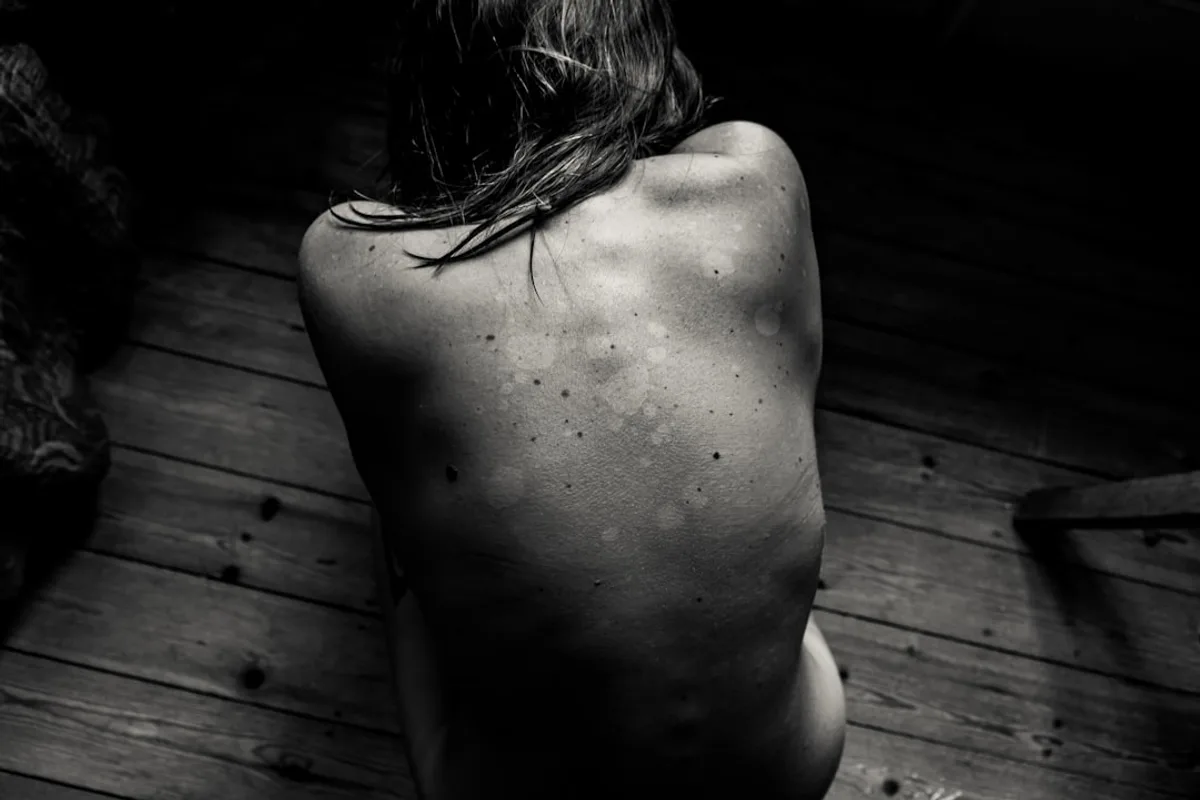
What can the history of body art teach us about human expression across the ages? From ancient civilizations to modern times, the evolution of body art practices reveals a tapestry of cultural and social significance. In ancient Egypt, tattoos were used as amulets and symbols of protection. The historical significance of tattoos continued through the ages, with body art serving as religious symbols or marks of social status.
In the 1970s and 80s, body art became a form of rebellion and self-expression, especially during the punk movement. This evolution underscores its enduring role in personal and cultural identity. Next, we will explore ancient practices and their lasting influence on modern body art.
Ancient Practices and Their Influence Today
What ancient traditions continue to shape the art we wear today? Ancient body art practices, such as tribal tattoos and scarification, hold deep cultural significance. Archaeological evidence suggests tattooing was practiced in ancient Egypt as early as 2000 BC, primarily for therapeutic purposes. These practices have significantly influenced modern body art styles, blending history with contemporary techniques.
Now, let’s discuss the renaissance of body art in the modern era.
The Renaissance of Body Art in the Modern Era
What factors have contributed to the modern revival of body art as a respected form of self-expression? In recent decades, the modern body art renaissance has been fueled by pop culture and tattoos prominently featured by celebrities. This visibility has shifted societal perceptions, leading to greater acceptance of body art.
The rise of tattoo conventions and body art expos has significantly contributed to this change, resulting in a 50% increase in public acceptance of tattoos over the last decade. Pop culture’s influence has made body art not only more mainstream but also celebrated as a form of personal storytelling.
Next, we will compare body art traditions across different cultures.
Comparing Body Art Traditions Across Cultures
What can the diverse practices of body art across cultures reveal about human creativity? A cultural comparison of body art shows both unique traditions and shared themes. For instance, Polynesian tattoos and Indian mehndi are distinct yet both serve as expressions of identity and artistry. Globalization and body art have intertwined, leading to hybrid styles that blend Western tattoos with traditional tribal designs.
| Culture | Body Art Practice | Significance |
|---|---|---|
| Polynesian | Tattoos | Identity and status |
| Indian | Mehndi | Ritual and celebration |
Next, we will outline the criteria for comparing these cultural practices.
Criteria for Cultural Comparison
How can we systematically compare the rich tapestry of body art traditions worldwide? By examining specific criteria, such as technique, symbolism, and cultural significance, we can develop a framework for body art analysis. This comparative analysis reveals underlying cultural values, including notions of beauty, identity, and spirituality.
| Criteria | Example |
|---|---|
| Technique | Tattooing in Polynesia uses hand-tapping methods. |
| Symbolism | Henna designs in India often symbolize joy and celebration. |
| Cultural Significance | Scarification in African tribes signifies rites of passage. |
Now, let’s explore distinctive traditions and practices in body art.
Distinctive Traditions and Practices
What makes certain body art traditions stand out in the rich cultural landscape of humanity? Distinctive body art traditions like Japanese irezumi and Native American tattoo practices are deeply rooted in cultural history and rituals.
| Tradition | Cultural Practices | Modern Adaptation |
|---|---|---|
| Japanese Irezumi | Historically linked with the Yakuza, these tattoos are created through a painful, intricate process and symbolize strength and courage. | While still associated with tradition, irezumi has gained global popularity, often adapted for aesthetic purposes. |
| Native American Tattoos | Often part of initiation ceremonies, these tattoos signify tribal identity and spiritual beliefs. | Contemporary designs maintain traditional symbolism while incorporating modern tattooing techniques. |
Next, we will examine the global influence and cross-cultural exchange in body art.
Global Influence and Cross-Cultural Exchange
How has the world of body art become a melting pot of global influences? The globalization of body art has led to a fascinating blend of styles and techniques. Social media has accelerated the exchange of body art styles, allowing trends to spread rapidly across borders, leading to a fusion of traditional and modern techniques.
| Aspect | Global Influence |
|---|---|
| Spread of Tattoo Styles | Western tattoos now often incorporate tribal designs from indigenous cultures. |
| Techniques | Modern tattooing techniques have been influenced by ancient practices. |
| Social Media | Platforms facilitate cultural exchange, spreading new trends globally. |
Now, let’s address some frequently asked questions about body art.
FAQs About Body Art
What burning questions do people have about the world of body art? Here are some common body art questions:
-
What are the health risks of tattoos?
Infections and allergic reactions are potential risks. Proper aftercare is essential. Learn more.
-
What is the cultural significance of body art?
Body art often holds cultural or personal significance, varying widely across different societies.
-
How do I choose the right type of body art?
Consider personal style, pain tolerance, and the commitment level required for maintenance.
-
How long does a tattoo take to heal?
The healing process can take up to several weeks, crucial for maintaining the artwork’s quality.
Next, we will answer the question of the most popular types of body art.
What Are the Most Popular Types of Body Art?
What body art styles are capturing the hearts and bodies of people today? The most popular body art types include tattoos, piercings, and body painting. Tattoos, favored by 40% of millennials, often feature geometric designs. Piercings remain a staple across age groups, while body painting is gaining traction in artistic circles. Emerging trends show a rise in minimalist and eco-friendly body art. Next, we will explore how cultural backgrounds influence body art choices.
How Do Cultural Backgrounds Influence Body Art?
How do our cultural roots shape the body art we choose to wear? Cultural backgrounds can dictate not only the style of body art but also the meanings attached to them. For example, in Polynesian culture, tattoos often symbolize bravery and social status, whereas in Western culture, they might express personal identity or artistic preference. Family and community can also significantly impact body art decisions, guiding choices through shared traditions and values.
Next, we will address the health risks associated with body art.
Are There Health Risks Associated with Body Art?
What should you know about the potential health risks before getting body art? Common health risks include infections and allergic reactions. Research indicates that approximately 1 in 5 individuals experience complications from body art, highlighting the importance of hygiene and aftercare for tattoos. To mitigate these risks, choose reputable artists and follow proper aftercare procedures. Ensuring body art safety is crucial to minimize health complications. Finally, we will discuss how to choose the right type of body art for you.
How Can I Choose the Right Type of Body Art for Me?
How can you ensure that your body art truly reflects who you are? Start by understanding your personal story and how it can be expressed through body art. Consider your style, the meaning behind different types of body art, and their cultural significance. Researching artists and styles is crucial; find the right tattoo artist who aligns with your vision. Communicate clearly about your design ideas to receive personalized tattoo advice that resonates with your identity.
Key Takeaways About Different Types of Body Art
As we conclude our exploration of body art, what lasting impressions will you take with you? Body art is not just a trend; it is a profound form of self-expression that has evolved with humanity, reflecting personal and cultural narratives. From tattoos to piercings, each form of body art carries its own significance and technique, offering a unique way to tell your story.
Embrace the opportunity to explore your own body art journey. Consider how your personal experiences and cultural background can be woven into your designs. Remember, the importance of body art lies in its ability to convey who you are.
For those ready to embark on this creative path, visit Bold Ink Art. Book your consultation today to start designing your one-of-a-kind tattoo!
Leave a Reply