Cultural Significance of Body Art: Key Facts and Impact
Have you ever wondered why body art holds such a profound place in human culture? Body art, encompassing tattoos, piercings, and body painting, serves as a powerful form of expression and identity. Its cultural significance lies in its ability to communicate social status, beliefs, and personal narratives long before written language existed.
Body art manifests in various forms, each with unique cultural implications. Tattoos often symbolize personal milestones or affiliations, while piercings can denote rites of passage or aesthetic preferences. Body painting, used in rituals and celebrations, highlights the importance of body art in communal and spiritual contexts. These practices not only enhance individual identity but also strengthen community bonds.
Statistics reveal the growing popularity of body art. In the United States, approximately 30% of adults have at least one tattoo, showcasing its widespread acceptance and cultural relevance. This trend reflects a broader global appreciation for body art as a medium of personal and cultural expression.
Understanding the cultural significance of body art requires delving into its historical roots and contemporary manifestations. As we explore these perspectives, we gain insight into how body art continues to shape and reflect cultural identities worldwide.
Historical and Contemporary Perspectives on Body Art
From ancient rituals to contemporary expressions, body art has a rich history that tells the story of humanity. In ancient civilizations like Egypt and Polynesia, body art was not merely decorative but served as spiritual protection and a connection to the divine. The Egyptians adorned their bodies with tattoos and body paint, symbolizing religious beliefs and social status. Similarly, Polynesian tattoo traditions were deeply embedded in cultural identity and spiritual practice.
Historically, body art was a revered practice, often linked to rites of passage or tribal affiliation. However, the advent of colonialism disrupted many indigenous traditions, imposing Western norms that often viewed body art as primitive. Today, body art has evolved into a global phenomenon, embraced for personal expression and aesthetic appeal.
While modern body art often focuses on individuality and fashion, its historical roots remind us of its profound cultural significance. Next, we will delve deeper into the specific ancient traditions and rituals surrounding body art.
Ancient Traditions and Rituals
Ancient cultures have long understood the power of body art as a rite of passage and a symbol of identity. The Maori’s Ta Moko, for instance, served as a marker of social status and personal history. In many cultures, ancient tattoo rituals were communal events, fostering unity and shared identity among participants.
Rites of passage body art often involved intricate techniques. For example, the Maori used chisels to carve designs into the skin, while other cultures employed sharpened bones or thorns. These practices underscored the deep cultural significance of body art in marking life’s milestones.
Now, let’s explore how these ancient practices have evolved into modern art forms.
Evolution into Modern Art Forms
As we step into the modern era, body art has transformed into a diverse and celebrated form of artistic expression. Key modern tattoo styles such as realism, watercolor, and traditional have roots in both historical techniques and contemporary influences. The rise of tattoo conventions and the impact of social media have propelled these styles into the mainstream.
Modern artists are redefining body art by integrating fine art techniques, with many now showcasing their work in galleries and museums. This evolution highlights the legitimacy of tattoos as an art form, bridging the gap between traditional practices and modern aesthetics. Next, we will analyze how cultural shifts and globalization have influenced body art practices worldwide.
Cultural Shifts and Globalization
In a world increasingly connected, the dialogue around body art has evolved, blending traditions and sparking debates on cultural ownership. Globalization has led to a hybridization of body art styles, where traditional designs are often reinterpreted in contemporary contexts. This sometimes results in cultural appropriation in tattoos, affecting perceptions and sparking cultural tensions.
For instance, Polynesian tattoo patterns have been adopted globally, often without understanding their cultural significance. Similarly, henna, traditionally used in South Asian ceremonies, is now popular worldwide. These examples illustrate how globalization and body art intersect, creating new styles while raising questions about cultural appropriation.
Next, we will explore how body art serves as a powerful tool for identity and self-expression.
Body Art as Identity and Self-Expression
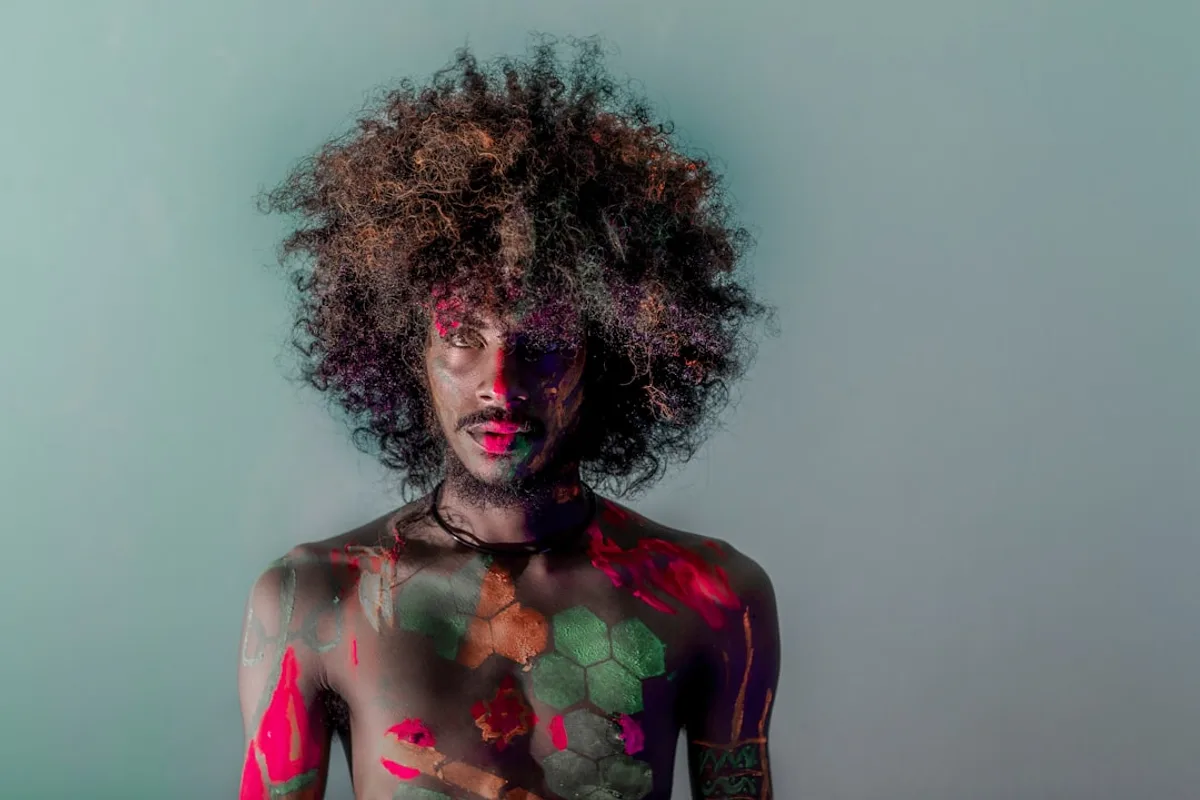
Body art is more than just ink on skin; it is a canvas that reflects our deepest identities and personal journeys. This form of art plays a crucial role in forming both personal and cultural identity. For many, body art serves as a visual autobiography, where each tattoo or piercing tells a unique story about the individual’s journey and experiences.
Consider the case of individuals who use tattoos to commemorate significant life events, such as overcoming illness or celebrating a milestone. These personal stories in body art become a permanent testament to their resilience and achievements. Furthermore, body art can signify belonging to specific communities or movements, acting as a badge of identity and solidarity.
For instance, members of certain subcultures or social movements often adopt specific symbols or styles of body art to express their shared values and beliefs. Through self-expression via tattoos and other forms of body art, individuals can communicate their personal narratives and connect with like-minded communities.
Let’s delve deeper into the symbolism and personal meaning behind body art.
Symbolism and Personal Meaning
Every tattoo tells a story; understanding the symbolism behind these designs can reveal profound insights into personal identity. Common symbols like the lotus flower in Eastern cultures signify rebirth, while Celtic knots often represent eternity. Many individuals choose tattoos to commemorate transformative experiences, creating a deeper psychological connection with their body art.
For example, a person might get a tattoo of a phoenix to symbolize overcoming adversity. Such choices reflect the personal meaning of tattoos, highlighting significant life events. Next, we will examine the role of body art in various social movements and its impact on collective identity.
Body Art in Social Movements
In the fight for social justice, body art emerges as a potent symbol of resistance and solidarity, capturing the spirit of movements worldwide. Tattoos and other forms of body art have been used in LGBTQ+ rights and feminism to publicly declare beliefs and affiliations. This visible form of protest enhances awareness and advocacy, uniting individuals under shared causes.
For instance, the rainbow flag tattoo symbolizes LGBTQ+ pride, while feminist symbols inked on skin express empowerment. Such body art in social movements not only fosters a sense of community but also serves as a lasting reminder of collective struggles and triumphs. Learn more about the cultural significance of body art.
Next, we will discuss how body art can facilitate personal transformation and healing.
Art as a Medium for Personal Transformation
For many, body art is not just an aesthetic choice; it can be a profound journey of healing and transformation. Therapeutic uses of body art, such as transformative tattoos, aid in recovery from trauma or loss. Many individuals report that the process of getting a tattoo can be cathartic, serving as a physical manifestation of overcoming personal struggles.
Personal stories abound of those who have used body art and healing to recover from addiction or grief, finding self-acceptance and mental health benefits. Now, let’s explore the various types of body art, including tattoos and piercings, and their cultural implications.
Types of Body Art: Exploring Tattoos, Piercings, and More
From intricate tattoos to bold piercings, the world of body art is as diverse as the cultures that create it. Tattoos have long been a form of personal expression, with their cultural significance varying widely across societies. In Polynesian cultures, tattoos often symbolize status and identity, while in Japan, the art of Irezumi tells stories of mythology and heroism.
Piercings also hold deep cultural roots. In India, nose piercings are traditional symbols of beauty and marital status, while ear stretching in African tribes often signifies maturity and social standing. Body painting, another form of body art, is used in ceremonies and rituals worldwide, from the intricate henna designs of South Asia to the vibrant face paints of Indigenous tribes in the Amazon.
The diversity of body art types reflects not only personal choice but also the rich tapestry of cultural narratives and histories that inform them. As body art continues to evolve, it remains a powerful medium for artistic and personal expression. Let’s take a closer look at the various styles and techniques of tattoos.
Tattoos: Styles and Techniques
The art of tattooing is a complex blend of technique and style, each telling a unique story through its ink. Popular tattoo styles include traditional, neo-traditional, and realism, each influenced by cultural backgrounds. Tattoo techniques vary, with machine methods offering precision, while the resurgence of hand-poked tattoos highlights artisanal craftsmanship.
Next, we will explore the cultural and aesthetic aspects of body piercings.
Piercings: Cultural and Aesthetic Aspects
Body piercings have transcended mere fashion statements, carrying deep cultural meanings and personal significance. In many societies, ear and nose piercings symbolize rites of passage, marking significant life events and transitions. Over time, body piercing trends have evolved, reflecting aesthetic preferences and cultural shifts.
Health considerations for piercings are crucial, emphasizing safe practices to prevent infections and complications. Finally, we will look at other forms of body art, such as scarification and body painting.
Other Forms: Scarification and Body Painting
While tattoos and piercings are widely recognized, other forms of body art like scarification and body painting also tell fascinating stories. Scarification, involving the deliberate creation of scars, holds cultural significance in societies as a rite of passage. Body painting, a temporary art form, is used in rituals and celebrations, highlighting its rich traditions.
Scarification, once viewed as a relic of the past, is experiencing a revival among modern body art enthusiasts seeking unique expressions. Similarly, body painting continues to thrive in contemporary festivals, offering vibrant displays of cultural heritage. Now, let’s discuss the psychological effects of body art on individuals.
Psychological Effects of Body Art on Individuals
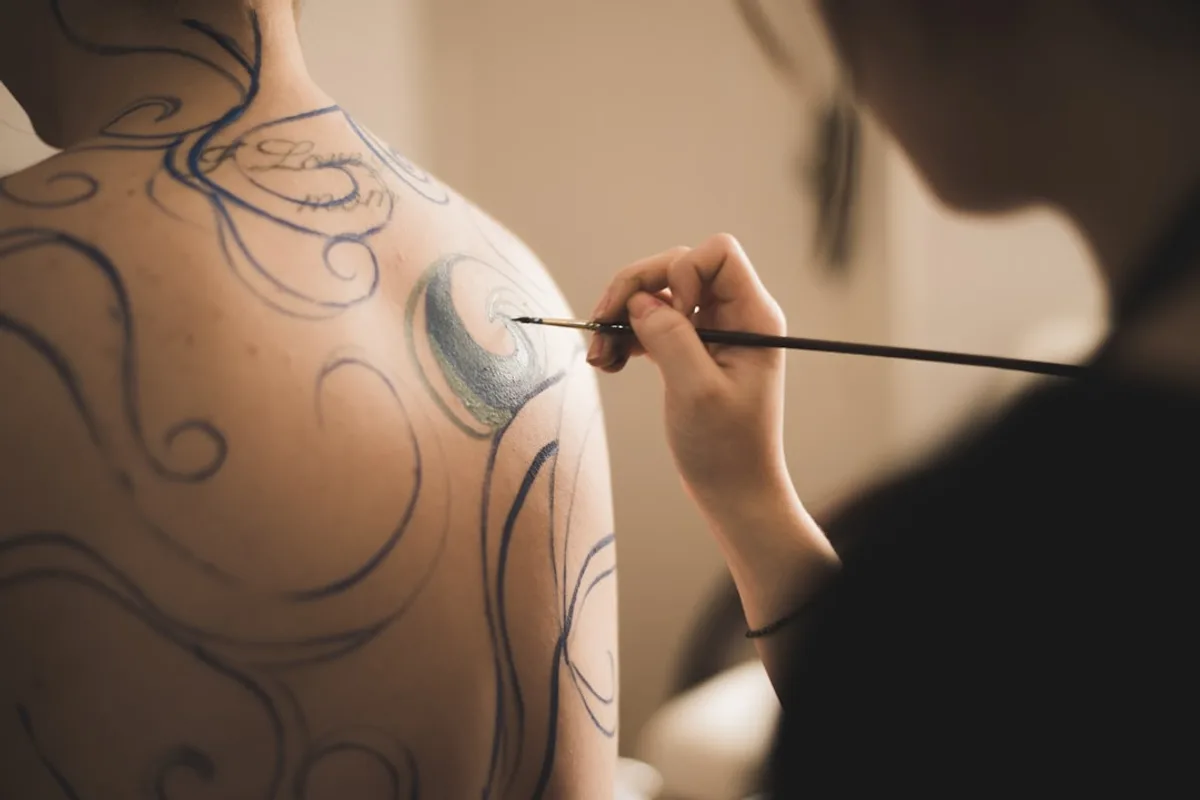
The ink that adorns our skin can do more than just beautify; it can empower us from within, influencing how we perceive ourselves. Body art has been shown to enhance self-esteem and personal confidence, with many individuals reporting a newfound sense of self-acceptance. Research indicates that individuals with tattoos often report higher levels of body positivity compared to those without.
Studies have linked body art with improved mental health outcomes. For instance, tattoos and piercings can serve as a form of self-expression, allowing individuals to convey their identity and emotions. This expression can lead to a positive shift in mental health, fostering a sense of control and empowerment.
Testimonials from those who have embraced body art reveal transformative psychological effects. Many describe feeling more confident and accepting of their bodies, attributing these changes to their tattoos or piercings. These personal stories underscore the mental health benefits of body art, highlighting its role in enhancing self-esteem.
Next, we will examine how body art serves as a tool for healing and coping.
Boosting Self-Esteem and Confidence
For many, body art is not just an aesthetic choice but a powerful statement of self-worth and confidence. Tattoos and self-esteem often go hand in hand, as individuals find personal empowerment through body art. Stories abound of people who have gained confidence through tattoos, which serve as daily reminders of their strength and resilience, fostering a positive self-image.
Next, we will explore how body art can act as a therapeutic tool for healing and coping.
Body Art as a Tool for Healing and Coping
In the journey of healing, body art can serve as a powerful ally, transforming pain into beauty and resilience. Therapeutic tattooing has emerged as a recognized practice, helping individuals reclaim their bodies and narratives after trauma. Case studies reveal how people use body art for healing, navigating grief, and coping with trauma through tattoos.
Finally, we will discuss the potential psychological risks and considerations associated with body art.
Potential Psychological Risks and Considerations
While body art can be a source of empowerment, it’s crucial to navigate its potential pitfalls with care and foresight. Psychological risks of tattoos and other body art include feelings of regret and societal stigma. Impulsive decisions might lead to dissatisfaction, highlighting the importance of informed decisions about body art to minimize these risks.
Next, we will compare indigenous and modern body art practices.
Comparing Indigenous and Modern Body Art Practices
In the realm of body art, a fascinating dichotomy exists between the time-honored traditions of indigenous cultures and the innovative expressions of modern artists. Indigenous body art practices are deeply rooted in communal and spiritual purposes, often serving as rites of passage or symbols of identity. In contrast, modern tattoo techniques frequently emphasize individual expression and aesthetic innovation.
| Criteria | Indigenous Practices | Modern Practices |
|---|---|---|
| Purpose | Communal and spiritual significance | Individual expression and aesthetics |
| Technique | Traditional methods and natural pigments | Advanced technology and diverse styles |
| Inspiration | Passed down through generations | Often draws from indigenous techniques |
Next, we will explore the deep-rooted traditions and meanings behind indigenous body art practices.
Criteria for Comparison: Purpose and Technique
In indigenous cultures, body art is not merely decorative; it is a profound expression of identity, spirituality, and community history. Indigenous tattoo traditions often incorporate elements of storytelling, where each design narrates the history and heritage of the community.
| Culture | Purpose | Technique |
|---|---|---|
| Maori | Spiritual beliefs, community identity | Hand-poked with natural dyes |
| Inuit | Rites of passage, spiritual protection | Hand-poked, soot-based ink |
Now, let’s examine how modern practices of body art emphasize innovation and personalization.
Indigenous Practices: Tradition and Meaning
In contrast to traditional practices, modern body art thrives on innovation and individuality, reflecting the diverse narratives of contemporary society. The rise of social media platforms has created a global community of tattoo enthusiasts, significantly influencing trends and artist visibility.
| Aspect | Traditional Practices | Modern Practices |
|---|---|---|
| Personalization | Symbolic and communal | Highly personalized |
| Technology | Hand tools | Advanced machines |
| Influence | Cultural heritage | Social media trends |
Modern Practices: Innovation and Personalization
As we reflect on the cultural significance of body art, it becomes clear that its meanings are as diverse as the individuals who wear it. Understanding body art requires not just appreciation of its aesthetic value but also recognition of its deep cultural and personal meanings.
| Aspect | Significance |
|---|---|
| Cultural Insights | Body art reflects cultural heritage and personal identity. |
| Personalization | Allows individuals to express unique stories and values. |
FAQs About the Cultural Significance of Body Art

As we reflect on the cultural significance of body art, it becomes clear that its meanings are as diverse as the individuals who wear it. Understanding body art requires not just appreciation of its aesthetic value but also recognition of its deep cultural and personal meanings. Explore more about body art’s cultural insights.
What are the most common types of body art?
Body art encompasses a variety of forms, each with its own cultural significance and historical context. Tattoos are perhaps the most widespread, often used to signify identity, spirituality, or status across cultures like the Maori and Polynesians. Piercings have been practiced for centuries, from ear piercings in ancient Egypt to lip plates in African tribes, symbolizing beauty or social rank.
Body painting is another prevalent form, used in rituals and celebrations, notably among Indigenous peoples in Australia and Africa. Henna art, primarily seen in Indian and Middle Eastern cultures, is applied during weddings and festivals for its auspicious connotations. Each type of body art carries unique meanings, reflecting the diverse tapestry of human expression.
How does body art vary across different cultures?
Body art serves as a powerful cultural symbol, with its significance and forms varying widely across the globe. In Polynesian cultures, tattoos are deeply rooted in tradition, representing social status and identity. Meanwhile, in India, henna body painting is an integral part of wedding ceremonies, symbolizing joy and beauty. African tribes often use scarification to convey messages about a person’s lineage or achievements.
In Japan, traditional irezumi tattoos carry historical significance, often associated with spirituality and protection. Conversely, Western cultures have embraced a more individualistic approach, with tattoos and piercings often reflecting personal expression and style. This diverse array of practices highlights the rich tapestry of meanings and traditions that body art embodies worldwide.
Can body art have negative cultural implications?
Body art, while often celebrated for its cultural significance, can sometimes lead to negative implications. In certain cultures, tattoos and piercings may be associated with criminality or rebellion, which can perpetuate stereotypes and stigmatization. Historical contexts also play a role; for instance, some indigenous body art practices have been appropriated without understanding their sacred meanings, leading to cultural insensitivity.
Moreover, the global spread of body art styles can dilute their original cultural significance. When traditional designs are commercialized, they may lose their authentic value and meaning. It is crucial to approach body art with respect and awareness of its cultural roots to avoid perpetuating misunderstandings or disrespecting the traditions they represent.
What should one consider before getting body art?
Before committing to body art, it’s crucial to understand its cultural significance and historical context. Different cultures have unique traditions and meanings attached to body art forms such as tattoos, piercings, and body painting. For instance, Maori tattoos carry deep ancestral significance, while henna is often used in Indian weddings for its auspicious symbolism.
Consider the type of body art that resonates with you and its cultural roots. Researching the historical background can provide insight into its traditional meanings and modern interpretations. Additionally, think about the permanence of certain body art forms like tattoos compared to temporary options like body painting. This awareness ensures that your choice respects cultural traditions and aligns with your personal expression.
How has globalization influenced body art?
Globalization has significantly impacted the cultural significance of body art, leading to a fascinating blend of traditional and contemporary styles. As cultures interact more closely, tattoos, piercings, and body painting have evolved, incorporating elements from diverse traditions. For example, Maori tattoos, once exclusive to New Zealand’s indigenous people, are now popular worldwide.
Furthermore, the exchange of ideas through global media has introduced new techniques and materials, expanding the possibilities for body art. This cultural exchange has also fostered a deeper appreciation for the historical context of body art, encouraging individuals to explore its roots and meanings. As a result, body art today often serves as a bridge between personal expression and cultural heritage, reflecting a more interconnected world.
Key Takeaways About the Cultural Significance of Body Art
Body art has played a pivotal role in cultural expression across the globe, serving as a powerful medium for storytelling, identity, and tradition. From the intricate tattoos of the Maori to the vibrant body paintings of indigenous tribes in Africa, each form of body art carries deep historical and cultural significance. These practices often symbolize rites of passage, spiritual beliefs, or social status within a community.
Historically, body art has been used to convey messages that transcend language barriers. For instance, the intricate henna designs in Indian culture are not only aesthetic but also carry auspicious meanings during weddings and festivals. Similarly, piercings have been used by various cultures as symbols of courage, beauty, or spiritual connection.
Today, body art continues to evolve, blending traditional techniques with modern aesthetics. This fusion allows individuals to honor their heritage while expressing personal creativity. Whether through tattoos, piercings, or body painting, body art remains a dynamic form of cultural dialogue.
Understanding the cultural significance of body art enriches our appreciation of its diversity and depth. If you’re inspired to create your own piece of cultural expression, book your consultation today to start designing your one-of-a-kind tattoo!
Leave a Reply