How Innovative Body Art Techniques Are Changing the Scene
Have you ever wondered how technology is revolutionizing the world of body art? Innovative body art techniques are transforming the tattoo industry by introducing new styles and tools. Over the last decade, the popularity of tattoos has surged, with a significant increase in the adoption of cutting-edge methods.
Techniques such as 3D tattoos, UV ink, and watercolor tattoos are at the forefront of this evolution. Notable artists are pushing boundaries with these methods, creating lifelike designs and vibrant colors. Additionally, the rise of augmented reality (AR) allows clients to visualize tattoos on their skin before committing, enhancing decision-making.
Technology’s impact is evident in the development of advanced tattoo machines and digital design tools, which have streamlined the process and expanded creative possibilities. Next, we will delve into the specific techniques that artists are mastering today.
Mastering Tattoos and Body Painting Techniques
Mastering the art of body art requires a deep understanding of various techniques—let’s explore them! Tattooing techniques explained include line work, shading, and dot work, each offering unique visual effects. For example, line work creates crisp outlines, while shading adds depth. Dot work, a series of tiny dots, forms intricate designs.
Body painting methods like airbrush and henna have rich cultural backgrounds. Airbrush offers smooth gradients, whereas henna provides temporary, intricate patterns rooted in tradition. Many artists blend these traditional techniques with modern styles, creating hybrid tattoo styles that captivate diverse audiences.
Now that we understand the techniques, let’s look at the essential tools and materials that artists use.
Essential Tools and Materials for Body Art
The right tools can make or break your body art experience—let’s discover what you need! For beginners, the best tattoo tools include a reliable tattoo machine, a set of needles, and quality tattoo inks. These essential body art materials ensure both safety and precision.
Quality matters, especially when it comes to tattoo inks. Brands like Eternal and Intenze are renowned for their vibrant colors and safety standards. Many professional artists prefer custom-made needles to achieve specific effects, enhancing the artwork’s final quality.
- Tattoo Machines: Rotary machines are beginner-friendly due to their ease of use and low maintenance.
- Needles: Available in various configurations, each designed for specific techniques like shading or lining.
- Inks: Choose reputable brands to ensure vibrant, long-lasting results.
With the right tools in hand, let’s explore the popular styles and techniques that are trending in tattooing.
Popular Styles and Techniques in Tattooing
From vibrant colors to intricate details, tattoo styles are as diverse as the stories they tell—let’s explore them! Popular tattoo styles in 2023 include traditional, realism, and tribal, each offering unique visual experiences. Traditional tattoos boast bold lines and bright colors, realism captures lifelike images, while tribal designs emphasize cultural significance with their symbolic patterns.
Emerging trends like minimalism and fine line tattoos are gaining traction, particularly among younger generations. Minimalist tattoos, characterized by their subtlety and meaningful designs, have surged in popularity. Statistics reveal a growing preference for these trending tattoo techniques, highlighting their appeal across various demographics.
Different styles resonate with different audiences. Traditional tattoos often attract those with a love for classic artistry, while realism appeals to individuals seeking detailed, lifelike depictions. Tribal tattoos hold cultural significance, connecting wearers to their heritage. Meanwhile, minimalism and fine lines captivate those desiring understated elegance.
Next, we will dive into advanced body painting methods that push the boundaries of creativity.
Advanced Body Painting Methods
Body painting is not just an art form; it’s a canvas for creativity—let’s discover its advanced techniques! Today, advanced body painting techniques like airbrush body art and temporary tattoo applications are transforming the landscape of body art. These methods are widely used in festivals, performances, and even fashion shows, blurring the lines between art and commercialism.
Artists specializing in airbrush techniques can create intricate designs quickly, making them ideal for events where time is limited. Temporary tattoos offer a versatile option for those looking to experiment without permanent commitment. Transitioning from traditional tattooing to body painting involves mastering these tools and understanding their unique applications.
Body painting’s role in advertising and fashion is growing, with artists like Emma Smith leading the charge. By exploring these innovative methods, artists can push the boundaries of what body art can achieve. Now, let’s explore the rich cultural significance and trends that shape body art today.
Cultural Significance and Popular Trends in Body Art
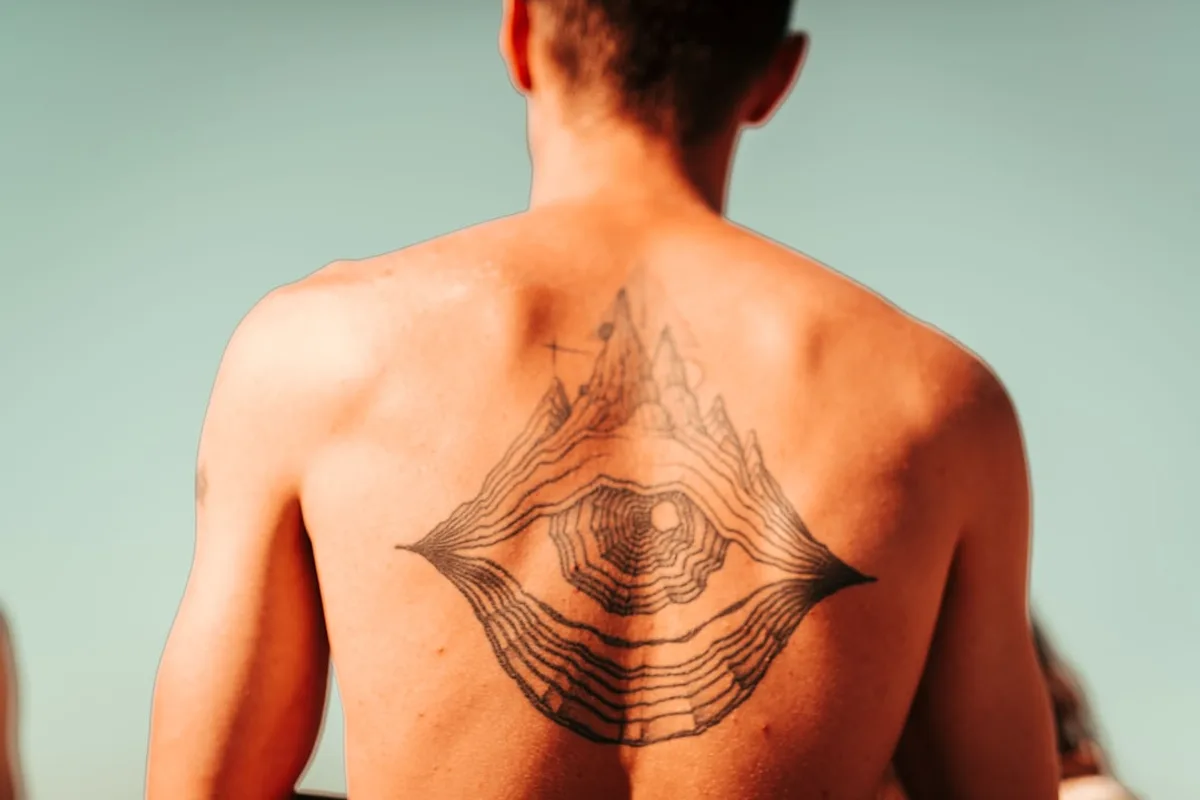
Body art is a reflection of culture and identity—let’s delve into its rich history and significance! Historically, body art practices, such as tattoos and body painting, have deep roots in indigenous cultures, often serving as rites of passage or symbols of status. With globalization, these historical body art practices have merged into contemporary trends, creating a fusion of styles. Many modern techniques are revivals of ancient methods, highlighting the cyclical nature of art and culture.
Body art today is not just about aesthetics; it plays a crucial role in self-expression and identity. As we explore further, we will examine current trends and influences that are shaping the future of body art.
Historical Roots and Cultural Impact
The story of body art is as old as humanity itself—let’s explore its historical journey! The history of body art dates back to ancient civilizations, where it played a crucial role in tribal cultures. In many societies, cultural tattoos were believed to offer protection or signify status, showcasing the deep spiritual connections to body art.
Throughout different eras, such as the Renaissance and modern times, body art evolved significantly. Specific cultures, like the Maori with their intricate tattoos and the Japanese with Irezumi, are renowned for their unique ancient body art practices. These traditions highlight the rich tapestry of human expression through body art.
Now, let’s look at the current trends and influences that are shaping body art today.
Current Trends and Influences in Body Art
Trends in body art are constantly evolving—let’s uncover what’s shaping the industry today! Minimalist tattoos and eco-friendly inks are gaining popularity, driven by a growing environmental consciousness. Social media platforms like Instagram and TikTok have created a global stage for tattoo artists, significantly impacting their client base and style popularity.
Artists such as Dr. Woo and Kat Von D are leading these trends, influencing tattoo culture with their innovative designs. Their work not only sets new standards but also inspires emerging artists worldwide. Next, we will examine how cultural contexts shape the styles and techniques of body art.
How Culture Shapes Body Art Styles
Culture is a powerful force that shapes body art—let’s explore how it influences styles and techniques! Cultural influences in tattoos are evident in the diverse styles seen across regions. For instance, Japanese irezumi and Polynesian tatau each reflect unique historical and social contexts.
However, cultural appropriation in body art can lead to controversy, emphasizing the need for artists to engage with cultural histories respectfully. It is crucial for artists to incorporate cultural elements authentically, honoring the traditions they draw from.
Notable artists, like Horiyoshi III in Japan, skillfully integrate cultural motifs into their work, maintaining authenticity and respect. This approach not only preserves cultural heritage but also enriches the art form itself.
Now, let’s turn our attention to innovative techniques specifically designed for beginners.
Innovative Body Art Techniques for Beginners
Starting your journey in body art can be exciting—let’s explore innovative techniques perfect for beginners! Stencil tattoos and temporary body art for beginners offer easy tattoo methods to experiment with designs. Many beginners find success with temporary tattoos as a way to explore creativity without the permanence of ink.
Simple designs help build confidence and skills. Online tutorials and workshops are excellent resources for learning these beginner body art techniques. Next, we will cover the essential tools and materials that every beginner should have.
Getting Started with Simple Techniques
Ready to get started? Here are some simple techniques that will kickstart your body art journey! Beginners can explore dot painting and basic line work to develop foundational skills. These beginner tattoo methods are perfect for honing your basic body painting skills.
Many artists recommend starting with skin-safe markers for practicing designs before moving on to permanent inks. Here’s a simple step-by-step guide:
- Choose a design or pattern you want to try.
- Use skin-safe markers to outline your design on the skin.
- Practice dot painting by creating small dots to fill in areas.
- Experiment with line work by drawing straight or curved lines.
Encourage experimentation with different styles to discover your personal preferences. With techniques in mind, let’s look at the beginner-friendly tools and materials you’ll need.
Beginner-Friendly Tools and Materials
The right tools can make all the difference in your body art journey—let’s find out what you need! For those starting out, beginner body art tools such as skin-safe markers, stencil kits, and starter tattoo machines are essential.
Investing in quality materials ensures safety and artistic success. Many successful artists began with basic tools from craft stores before investing in professional-grade equipment, proving that creativity matters more than high-end gear.
- Skin-Safe Markers: Ideal for temporary designs and practice.
- Stencil Kits: Help create consistent patterns and shapes.
- Starter Tattoo Machines: Affordable options are available for those ready to try permanent designs.
Brands like Artistic Expressions and Beginner’s Ink offer affordable tattoo materials that are both reliable and beginner-friendly. Now that you have your tools, let’s discuss tips for practicing and improving your body art skills.
Tips for Practicing and Improving Skills
Improving your body art skills takes time and dedication—here are some tips to help you along the way! Consistent practice is crucial, so set aside specific times each week to focus on creating art. This regular commitment will help you refine your techniques and develop your unique style.
Joining local art groups or online communities can provide valuable feedback and support. Engaging with fellow artists allows you to share experiences and learn from others’ insights. Many artists find that keeping a sketchbook dedicated to body art ideas can significantly enhance their creativity and skill over time.
Explore workshops and online courses as body art learning resources to further expand your knowledge. These platforms offer structured guidance and new perspectives that can inspire your artistic journey.
Next, we will compare traditional and modern body art techniques to understand their differences.
Comparing Traditional and Modern Body Art Techniques
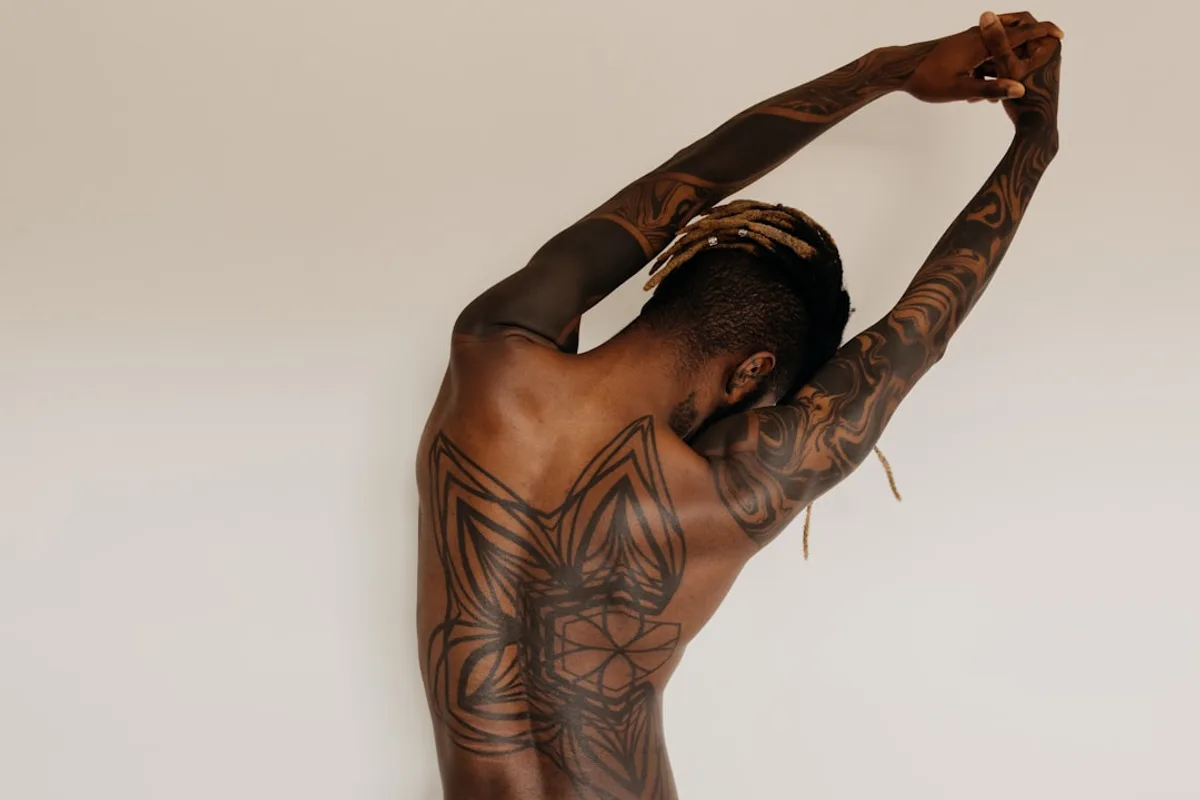
The world of body art is a tapestry of tradition and innovation—let’s explore the differences between these two realms!
| Aspect | Traditional Techniques | Modern Techniques |
|---|---|---|
| Method | Hand-poked tattoos | Rotary machines |
| Cultural Significance | Deep cultural roots | Focus on innovation |
| Materials | Natural inks | Vegan inks |
| Perception | Once taboo | Widely accepted |
Traditional tattooing methods are experiencing a resurgence as many artists seek to reconnect with cultural roots and authenticity. Now, let’s examine the pros and cons of each approach in body art.
Key Differences Between Traditional and Modern Methods
Understanding the nuances between traditional and modern techniques can enhance your appreciation for body art—let’s dive in!
| Aspect | Traditional Methods | Modern Methods |
|---|---|---|
| Technique | Hand-tapping, cultural motifs | Machine-based, digital designs |
| Tools | Natural inks, manual tools | Electric machines, synthetic inks |
| Artistic Expression | Cultural heritage focus | Personal expression, customization |
Traditional tattoo artists like Artist A preserve cultural heritage, while Artist B explores modern body art practices. Each method caters to unique client preferences and artistic goals.
Next, we will analyze the pros and cons of each approach to help you make informed choices.
Pros and Cons of Each Approach
Every technique has its strengths and weaknesses—let’s explore the pros and cons of traditional versus modern body art!
| Technique | Pros | Cons |
|---|---|---|
| Traditional |
|
|
| Modern |
|
|
Artists who blend both traditional and modern techniques often create unique styles that resonate with a broader audience, showcasing the best of both.
Choosing the Right Technique for Your Style
Choosing the right body art technique is a personal journey—let’s find out how to navigate it! Assessing your personal style and preferences is crucial. Consider factors like desired permanence, cultural significance, and artistic expression.
| Factor | Considerations |
|---|---|
| Permanence | Temporary vs. permanent options; how long you want the art to last. |
| Cultural Significance | Symbolism and meaning behind the technique; respect for cultural origins. |
| Artistic Expression | Style and design preferences; how the art reflects your personality. |
Many clients find that collaborating with artists who understand their vision leads to more satisfying and personalized results. Consulting tattoo artists can help align your personal style in tattoos with the right technique.
Now, let’s explore some inspiring case studies of innovative body art projects.
Case Studies of Innovative Body Art Projects
Innovation in body art often comes from unique collaborations—let’s explore some inspiring case studies! One notable project involved a renowned tattoo artist who partnered with a cancer survivor to create a piece symbolizing resilience. This innovative tattoo project not only highlighted the artist’s creative process but also emphasized the client’s personal journey.
Another case study in body art features a body painting technique that transformed a model into a living canvas, gaining widespread recognition. These projects have significantly impacted the perception of body art in society, showcasing the power of personal stories. Many successful body art projects have emerged from collaborations between artists and clients, emphasizing the importance of personal stories in art.
Next, we will extract lessons learned from successful artists in the body art field.
Notable Projects and Their Impact
The stories behind innovative body art projects can be as captivating as the art itself—let’s uncover them! Notable body artists like Kat Von D and Banksy have pioneered innovative tattoo projects that blend traditional techniques with modern flair. Their creative processes often involve a willingness to experiment and take risks, which many artists credit for their success.
These projects have not only set trends in the body art world but also propelled the artists’ careers to new heights. For instance, Kat Von D’s intricate black-and-grey portraits have redefined tattoo realism, while Banksy’s body painting techniques challenge conventional art boundaries.
Challenges such as skin texture variability and color retention were met with innovative solutions, showcasing the artists’ adaptability. From these projects, we learn that embracing experimentation can lead to groundbreaking work in body art.
Now, let’s discuss the inspiration these projects can provide for your own body art endeavors.
Lessons Learned from Successful Artists
Inspiration often comes from the journeys of others—let’s explore what we can learn from successful body artists! Many emphasize the importance of storytelling in body art, encouraging others to find their unique narratives. Aspiring artists can draw lessons from body artists by studying their creative processes in tattooing and body painting techniques.
Successful projects often blend art history with personal experiences, creating a rich tapestry of inspiration for body art. By examining these elements, emerging artists can enhance their own work, ensuring each piece tells a compelling story.
Finally, we will provide inspiration for your own body art projects.
Inspiration for Your Own Projects
Every artist’s journey begins with inspiration—let’s discover how to ignite your creativity for body art! Finding inspiration for body art can start with exploring art history and the natural world. These sources offer a wealth of ideas and styles that can be adapted into personal body art projects.
Experimentation is key; try different styles and techniques to uncover unique expressions. Collaborating with tattoo artists can also help bring your personal visions to life, as they offer expertise and fresh perspectives.
Many artists find that traveling and experiencing different cultures significantly enhances their creative perspectives and ideas. Embrace these opportunities to broaden your artistic horizons and inspire your next body art masterpiece.
FAQs About Innovative Body Art Techniques
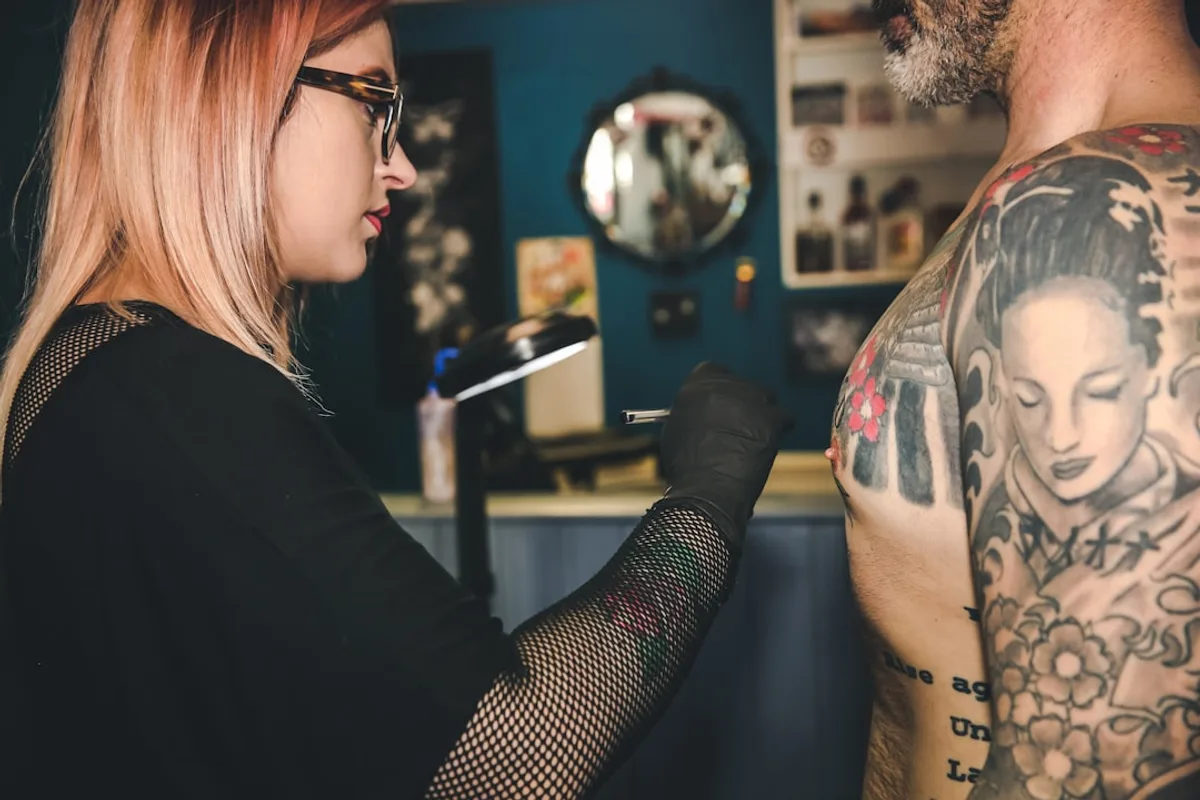
Curious about innovative body art techniques? Here are some frequently asked questions answered!
What are the most popular innovative techniques in body art?
Popular body art techniques include 3D tattoos, UV-reactive ink, and digital body painting. These methods are gaining traction due to their unique aesthetic appeal. The popularity of certain techniques can vary significantly by region, influenced by local culture and trends.
For more insights into the art of tattoos and innovative methods, consider exploring resources from Tattoo.com.
What Are the Most Popular Innovative Techniques?
Wondering what’s hot in the world of body art? Here are the most popular innovative techniques making waves! Trending body art techniques like watercolor tattoos and 3D effects are gaining traction, especially among younger audiences. According to a 2023 survey, these popular tattoo styles have seen a 30% increase in demand. Artists like Sasha Unisex and Jesse Rix are renowned for their innovative tattoo trends.
How Can I Learn Innovative Body Art Techniques?
Ready to dive into body art? Here’s how you can start learning innovative techniques today! Begin with online tattoo courses and tutorials to grasp foundational skills. Then, attend body art workshops for practical experience. Seek mentorship from seasoned artists to refine your craft. Explore platforms like Skillshare or Udemy for reputable classes and tutorials on learning body art techniques.
Are Innovative Techniques Safe for All Skin Types?
Safety is key when it comes to body art—let’s explore how innovative techniques cater to different skin types! Experts recommend patch tests to assess skin reactions before full application. Many innovative techniques utilize hypoallergenic inks, reducing allergic risks for sensitive skin types. To ensure safety, always consult with a professional and verify the use of hypoallergenic materials during body art application.
What Materials Are Essential for Beginners?
Having the right materials is crucial for any aspiring artist—let’s recap what you need to get started! Essential tools for body art include sterile needles, high-quality inks, and a reliable tattoo machine. These beginner tattoo materials ensure safety and creativity. Consider sourcing your body art starter kit from reputable online retailers or local shops. Investing in quality tools early on can significantly enhance your ability to create professional-looking work.
How Do Innovative Techniques Differ from Traditional Ones?
Understanding the distinctions between traditional and innovative techniques can enhance your appreciation for body art—let’s explore! Innovative body art techniques often emphasize modern aesthetics, while traditional methods focus on cultural significance and historical artistry. By blending both, artists create unique styles that honor cultural roots and embrace contemporary trends. This knowledge helps clients make informed choices about their artistic expression in body art.
Key Takeaways About Innovative Body Art Techniques
As we wrap up our exploration of innovative body art techniques, let’s reflect on the key takeaways that can inspire your journey! The fusion of personal stories with cutting-edge techniques is the future of body art, allowing each piece to narrate a unique tale. Innovation in body art not only enhances aesthetic appeal but also encourages self-expression and creativity.
Embrace the art of tattoos and body painting techniques to explore your own creativity. Book your consultation today to start designing your one-of-a-kind tattoo with Bold Ink Art, where your personal story becomes a masterpiece through custom tattoo designs.
Leave a Reply