Why User Stories About Tattoos Are So Captivating
Tattoos have evolved into powerful symbols of personal expression, weaving intricate stories into the skin. User stories about tattoos captivate us because they reveal the profound narratives and emotional depths behind each piece of body art. These stories transform tattoos from mere designs into meaningful chronicles of individual journeys.
At their core, tattoos serve as a canvas for personal narratives and emotional expression. Each tattoo can encapsulate pivotal life moments, making it a unique medium for storytelling. For instance, a simple design might commemorate a significant life event or honor a loved one, transforming the tattoo into a lasting tribute. As one user shared, their first tattoo was a Tupac quote in Latin, symbolizing a rite of passage at age 18 (source).
The role of tattoos in fostering connections between individuals and their stories is undeniable. When people share their personal tattoo experiences, they open a window into their lives, inviting others to connect with their emotions and experiences. This shared vulnerability can create bonds between strangers, as they relate to the universal themes of love, loss, and identity.
In contemporary culture, tattoo storytelling is becoming increasingly popular. As more people embrace body art as a form of self-expression, the narratives behind tattoos gain prominence. This trend highlights the emotional significance of tattoos, which are more than just decorative; they are declarations of existence and belief (source).
The Emotional Journey and Cultural Insights of Tattoos
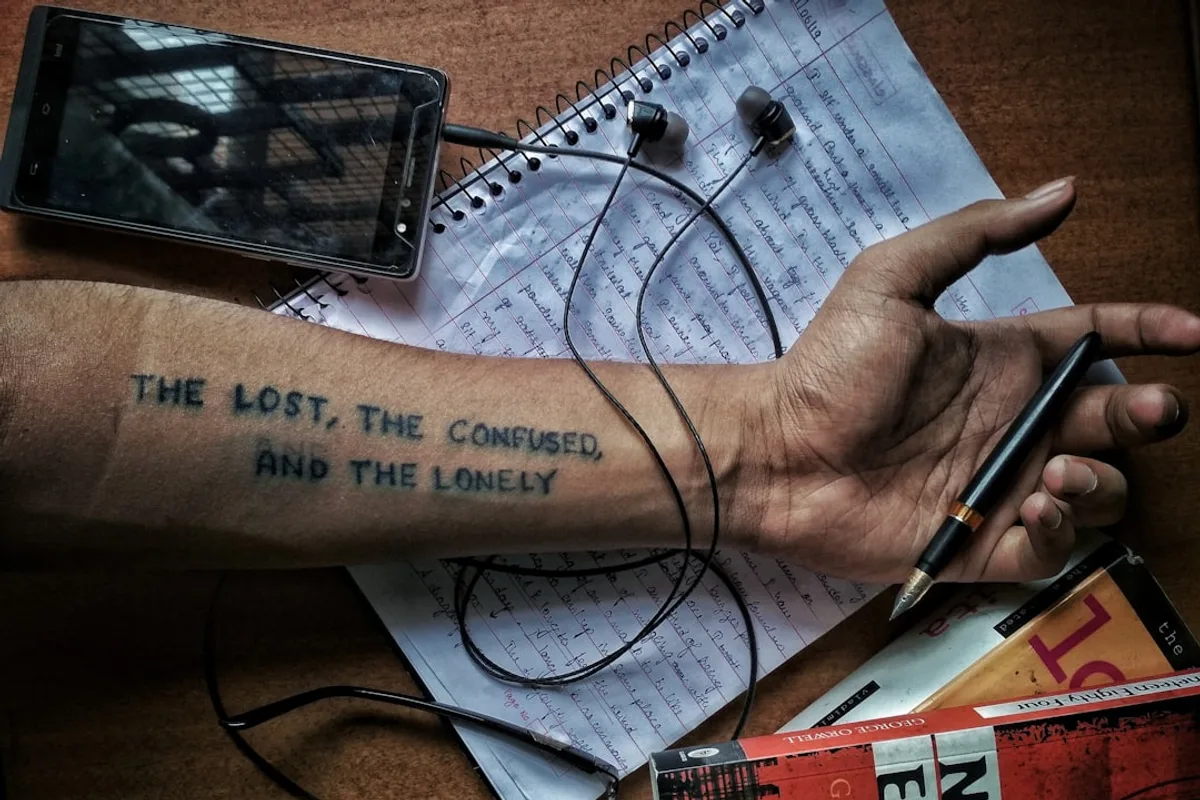
From tribal markings to modern art, tattoos tell stories that transcend generations and cultures. Across various societies, tattoos reflect cultural identity and personal heritage, serving as a bridge between personal and cultural identity. For instance, in Polynesian cultures, tattoos are deeply embedded in tradition, symbolizing social status and spiritual beliefs. Similarly, Japanese irezumi often convey stories of folklore and mythology, intricately linking the wearer to their cultural roots.
The emotional journey of getting a tattoo can significantly impact one’s self-image and identity. For many, tattoos are more than just body art; they are declarations of existence and belief, as noted in personal narratives shared on platforms like Facebook. These permanent marks often represent pivotal life moments, embodying emotions and experiences that shape an individual’s identity.
Tattoos also play a crucial role in cultural rituals and traditions, such as rites of passage. In many indigenous communities, receiving a tattoo marks the transition into adulthood, embedding the individual within the social fabric. This cultural significance of tattoos is explored further in this deep dive into art and identity. Through these practices, tattoos become powerful symbols of personal and collective journeys, revealing deep emotional connections unique to each culture.
Emotional Connections Through Ink
For many, tattoos are more than just ink; they are profound reminders of love, loss, and resilience. Personal tattoo stories often reveal deep meanings, as individuals use tattoos to commemorate milestones, honor losses, or signify transformations. One person shared that their first tattoo, a Tupac quote in Latin, marked their entry into adulthood read more. Tattoos can also be therapeutic, helping people cope with trauma or grief by serving as a tribute and a healing mechanism. Discover more about the traditional tattoo styles that carry rich emotional significance.
Cultural Significance Across Different Societies
Tattoos are steeped in cultural heritage, each design telling a story that reflects the values and beliefs of its society. In Polynesian cultures, tattoos, or “tatau,” signify social status and personal achievements, deeply intertwined with identity and spirituality. Similarly, in Japan, traditional “irezumi” tattoos are rich with symbolism, often depicting mythical creatures and natural elements, representing protection and strength.
Over time, societal perceptions of tattoos have evolved, with many cultures now embracing them as forms of personal expression and community belonging. Understanding the cultural context of tattoos reveals their multifaceted meanings, often tied to identity, spirituality, and community belonging, showcasing the diverse cultural tattoos meanings and tattoo traditions around the world.
How Tattoos Tell Personal Stories
Every tattoo has a story to tell, often reflecting the wearer’s journey through life’s ups and downs. Tattoos encapsulate personal stories by symbolizing family heritage, commemorating life-changing events, or marking significant milestones. For instance, a tattoo might depict a cherished family crest or a transformative travel experience.
The process of choosing a tattoo involves deep reflection on one’s personal journey or identity. Collaborating with skilled tattoo artists, like those at Bold Ink Art, is crucial in crafting a design that conveys these personal narratives. Each tattoo becomes a narrative thread, weaving together experiences, emotions, and aspirations into a visual representation of one’s life.
Personal Tattoo Stories: From Pain to Meaning
For many, the journey of getting a tattoo is a transformative experience that marks a new chapter in their lives. Tattoos often symbolize pivotal moments, serving as a catalyst for personal growth and self-acceptance. Whether commemorating recovery from a challenging period or celebrating a new beginning, tattoos can be powerful markers of change.
Consider the story of an individual who chose to ink a significant quote on their skin as a reminder of resilience. One such example is a person who tattooed a Tupac quote, “Only God can judge me,” in Latin after turning 18, symbolizing their first step into adulthood and self-expression. Read more.
Testimonials from various individuals reveal how tattoos have empowered them. For some, tattoos are declarations of existence and belief, transforming pain into a meaningful narrative. A custom design from Bold Ink Art, for instance, can encapsulate personal stories, providing a sense of empowerment and identity. This emotional significance underscores how tattoos can lead to profound personal transformation, offering a permanent reminder of one’s journey and growth.
Transformative Experiences and Personal Growth
Pain is often an integral part of the tattoo experience, transforming the act of getting inked into a deeply personal journey. The psychological effects of tattoo pain can be profound, with many individuals viewing it as a rite of passage. This pain often deepens the emotional significance of the artwork, creating a lasting connection between the tattoo and its meaning.
For instance, some people describe their tattoo pain experiences as a necessary component of their personal stories, helping them process emotions or commemorate significant life events. Pain and tattoos are intricately linked, with the discomfort serving as a reminder of the personal growth and transformation that the tattoo represents.
Pain as Part of the Story
For many, tattoos are not just art; they are profound symbols of identity, memory, and meaning. Individuals often find meaning in their tattoos by linking them to significant life experiences or deeply held beliefs. For example, some choose to commemorate loved ones or pivotal events through ink, creating a permanent reminder of those connections. The symbolism in tattoos resonates with personal beliefs, transforming them into visual representations of one’s values and experiences.
Consider the story of a person who marked their skin with a Tupac quote in Latin, “Only God can judge me,” at the age of 18, reflecting a personal journey and belief read more. Such tattoos serve as deeply personal artifacts, encapsulating the essence of one’s life narrative.
Finding Meaning in the Ink
Real stories from tattoo enthusiasts reveal the profound connections people have with their ink and the journeys behind them. Tattoo user testimonials provide a rich tapestry of stories that reflect the diverse motivations and meanings behind tattoos. For instance, one individual shared how their first tattoo, a Tupac quote in Latin, marked a significant milestone at age 18. Read more. Such personal narratives are often shared within communities, enhancing the cultural tapestry of tattoo art. Across different demographics, these stories highlight the emotional significance and personal declarations that tattoos represent, fostering a sense of belonging and shared experience.
User Testimonials: Real Experiences with Tattoos
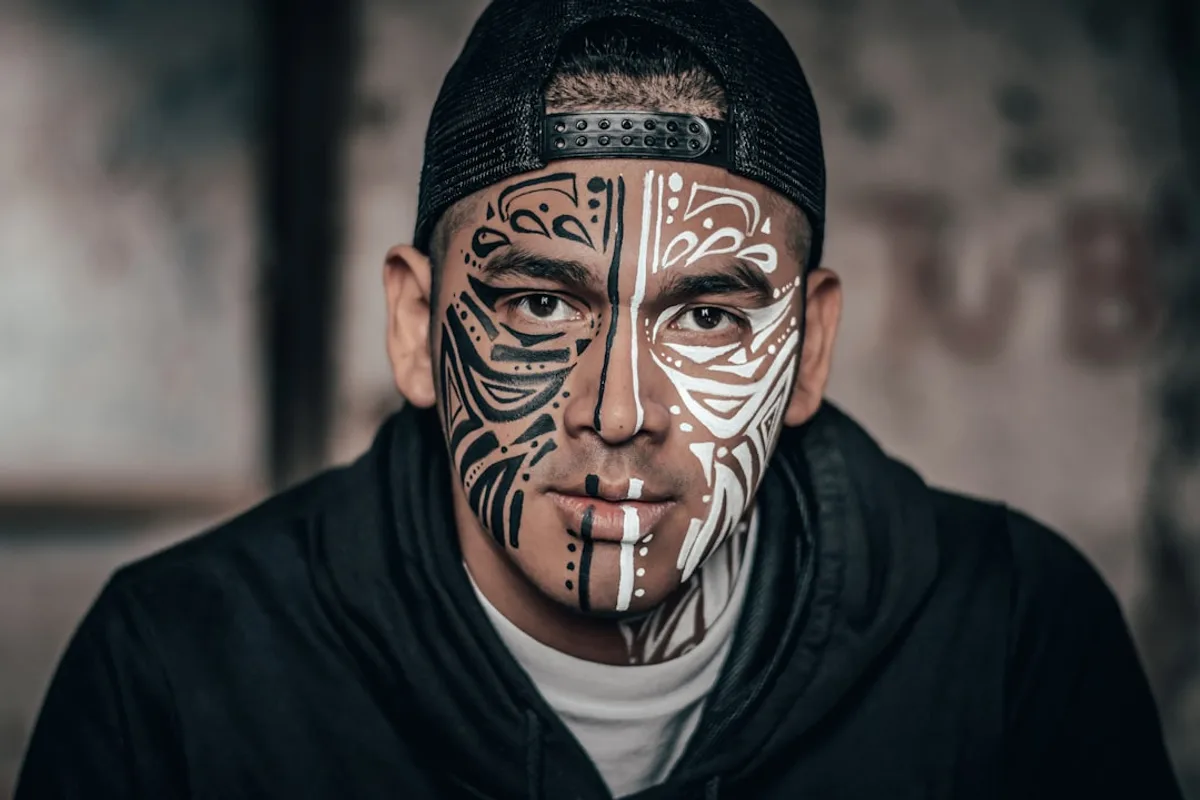
Real stories from tattoo enthusiasts reveal the profound connections people have with their ink and the journeys behind them. Tattoo user testimonials provide a rich tapestry of stories that reflect the diverse motivations and meanings behind tattoos. For example, one individual shared, “My first tattoo was a Tupac quote. It’s, ‘Only God can judge me,’ but it’s in Latin. I had just turned 18. I was just trying to dip the toes in the water” (source).
The impact of community sharing on tattoo culture is significant, as personal narratives are exchanged, fostering a sense of belonging and understanding. Platforms like Reddit encourage users to share their tattoo stories, highlighting the emotional significance and personal journeys behind each design.
Tattoo experiences are as diverse as the individuals who bear them, spanning different demographics and backgrounds. From decorative art to declarations of existence and belief, tattoos serve as personal narratives shaped by emotion (source). These shared experiences enrich the tattoo community, offering insights into the myriad reasons people choose to get inked.
Heartfelt Tattoo Journeys Shared by Users
Tattoo journeys are often filled with emotion, as individuals share the stories that have shaped their lives. Many users recount heartfelt tattoo stories that encompass themes of love, loss, and resilience. For instance, one user shared a tattoo of a Tupac quote, “Only God can judge me,” in Latin, marking a significant milestone at age 18 Read more.
These emotional tattoo experiences resonate with universal themes, creating a sense of community among those who share similar experiences. By sharing their tattoo journeys, enthusiasts foster a supportive environment, celebrating personal narratives that go beyond mere decoration.
Lessons Learned from Personal Tattoo Stories
Every tattoo tells a story, and within those stories lie valuable lessons about life, love, and resilience. Many individuals find that their tattoo experiences teach them about self-acceptance and healing. Tattoos often serve as powerful reminders of personal growth and resilience, marking significant milestones or overcoming life challenges.
For some, tattoos are a form of emotional expression, helping them cope with difficult times. These personal narratives, shaped by emotion, enrich one’s understanding of identity and the human experience. As people share their tattoo stories, they reveal profound insights into personal growth and the lessons learned along the way.
Decoding Popular Tattoo Symbols and Their Stories
Tattoo symbols are rich with meaning, often reflecting deep cultural roots and personal stories. Understanding tattoo symbols requires exploring both cultural significance and personal interpretation, revealing layers of meaning. The meanings behind popular tattoo symbols can vary widely across different cultures and contexts, often evolving with personal experiences and societal changes.
| Symbol | Cultural Significance | Personal Interpretation |
|---|---|---|
| Lotus Flower | In many Eastern cultures, it symbolizes purity and enlightenment. | For some, it represents personal growth and overcoming adversity. |
| Anchor | Traditionally a symbol of stability and hope in maritime cultures. | Often chosen to signify a grounding force or a pivotal life event. |
| Skull | Seen as a reminder of mortality in Western art. | Can symbolize a celebration of life or a personal transformation. |
The evolution of tattoo symbolism in contemporary society highlights how these symbols can carry both historical weight and personal narratives. Whether it’s a Tupac quote inked in Latin or a simple anchor, each tattoo tells a unique story, shaped by both cultural heritage and individual emotion.
Common Symbols and Their Meanings
From anchors to roses, common tattoo symbols carry rich meanings that resonate across cultures. These symbols often serve as personal narratives, reflecting beliefs and emotions. While an anchor might symbolize stability and hope, a rose can represent love and passion. The interpretation of these symbols can vary significantly across different cultures, adding depth to their significance.
| Symbol | Common Meaning | Cultural Variations |
|---|---|---|
| Anchor | Stability, Hope | In some cultures, it signifies a safe journey. |
| Rose | Love, Passion | Different colors can represent varying emotions. |
| Lotus Flower | Rebirth, Enlightenment | In Eastern cultures, it symbolizes spiritual awakening. |
| Infinity Sign | Eternity, Endless Possibilities | Often linked to eternal love or friendship. |
Exploring these tattoo meanings explained through symbolic tattoos enriches their personal significance, making each piece a unique statement of identity.
Symbolic Tattoos: A Comparative Look
Symbolic tattoos are often deeply personal, yet their meanings can differ dramatically based on cultural and personal narratives. Understanding the symbolism behind a tattoo before getting inked is crucial, as the meaning can vary widely based on personal experiences and cultural context, making each choice unique.
| Symbol | Common Interpretation | Personal Influence |
|---|---|---|
| Lotus Flower | Purity and Enlightenment | Represents personal growth after overcoming challenges |
| Anchor | Stability and Hope | Chosen to symbolize a steadfast relationship or life event |
| Feather | Freedom and Courage | Reflects a journey of self-discovery or liberation |
Each tattoo tells a story, influenced by personal experiences and emotional significance. For example, a travel enthusiast might choose a compass to represent their adventurous spirit. Understanding these nuances is key to appreciating the depth of tattoo meanings.
Choosing the Right Symbol for Your Story
Choosing the right tattoo symbol is a deeply personal journey that reflects individual stories and values. The process involves introspection and collaboration, ensuring that the final design authentically represents the wearer’s journey. Working closely with a skilled tattoo artist, like those at Bold Ink Art, can help convey your story effectively.
| Consideration | Tips |
|---|---|
| Personal Meaning | Reflect on experiences and values that hold significance. |
| Artist Collaboration | Discuss your story with the artist to capture the essence. |
| Symbol Selection | Choose symbols that resonate with your personal narrative. |
By following these tattoo symbol selection tips, you can create a design that not only adorns your skin but also narrates your unique story.
FAQs About Tattoos: Common Questions Answered
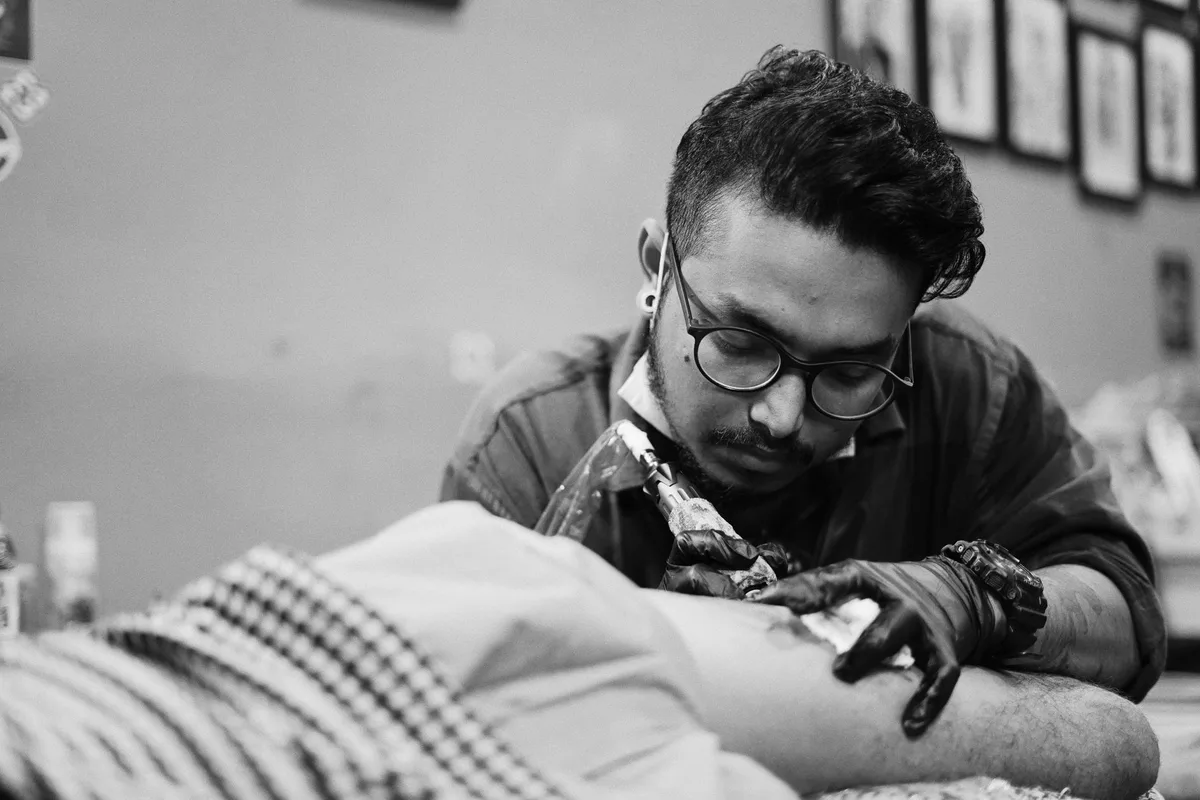
Many people wonder about the significance and care of tattoos. Understanding tattoo culture is crucial, as it encompasses personal narratives and emotional significance. User stories provide insights into common concerns, such as pain and meaning. For example, a tattoo story might reveal the deep personal connection behind the ink. Proper care ensures tattoos remain vibrant and meaningful over time.
What Are the Most Popular Tattoo Styles?
From traditional to minimalist, tattoo styles offer a diverse range of artistic expression. Among the most popular tattoo styles are traditional, tribal, and watercolor tattoos, each boasting unique characteristics. Traditional tattoos are known for their bold lines and vibrant colors, while tribal tattoos often feature intricate patterns that pay homage to cultural heritage. Watercolor tattoos, on the other hand, mimic the fluidity of watercolor paintings, creating a soft and ethereal effect.
In recent years, the rise of minimalist tattoos reflects a trend towards simplicity and personal expression. These designs often use fine lines and minimal detail to convey deep personal stories. Different tattoo styles not only reflect artistic preferences but also influence how personal stories are conveyed through ink. For example, a minimalist tattoo might capture the essence of a cherished memory with just a few lines, while a traditional piece might tell a more elaborate story through its detailed imagery.
How Do I Care for a New Tattoo?
Caring for a new tattoo is essential to ensure it heals properly and retains its beauty. Proper aftercare involves keeping the tattoo clean and moisturized while avoiding sun exposure to prevent fading. Following the tattoo artist’s aftercare instructions is crucial to avoid complications such as infection or scarring. Artists often recommend specific products or routines tailored to the tattoo’s size and location.
Common mistakes in tattoo aftercare include over-washing, using harsh soaps, or picking at scabs, which can lead to fading or damage. Instead, gently cleanse the area with a mild, fragrance-free soap and apply a thin layer of recommended moisturizer. Avoid soaking the tattoo in water for extended periods, such as in baths or pools.
Effective tattoo aftercare can significantly enhance the longevity and vibrancy of the artwork, ensuring it remains a cherished piece of personal expression. By adhering to these new tattoo care tips, you can preserve the emotional significance and beauty of your tattoo for years to come.
Do Tattoos Hurt and How Can I Manage the Pain?
Deciding to remove or alter a tattoo is a significant choice that involves both emotional and practical considerations. While tattoos can indeed be removed or altered, the process is neither simple nor inexpensive. Laser removal is the most common method, requiring multiple sessions to effectively fade the ink. Alternatively, a tattoo cover-up process involves designing new artwork to mask the existing tattoo, often done by skilled artists like those at Bold Ink Art, who specialize in personalized artwork.
Emotional factors play a crucial role in the decision to remove or alter a tattoo. Tattoos often carry personal narratives and emotional significance, making the choice to change them deeply personal. Additionally, the financial implications cannot be overlooked, as both laser removal and cover-ups can be costly. Understanding these aspects is essential before proceeding with tattoo removal options. While it’s possible to alter a tattoo, weighing the emotional and financial considerations is vital for making an informed decision.
Can Tattoos Be Removed or Altered Easily?
Tattoo removal and alteration options vary widely, each with its own set of challenges and considerations. Laser removal is the most common technique, using concentrated light to break down ink particles. Surgical removal, though less common, involves excising the tattooed skin. Both methods can be influenced by factors like ink type, tattoo size, and skin condition, which affect the ease and effectiveness of removal.
Alteration, such as cover-ups, can be an alternative for those not ready for complete removal. These methods require skilled artists to blend new designs with existing tattoos, often offered by studios like Bold Ink Art, known for their personalized artwork.
Emotionally, removing or altering a tattoo can be a significant decision. Tattoos often carry personal narratives and emotional significance, making the decision to remove them deeply personal. Understanding the available tattoo removal techniques and the emotional implications can help individuals make informed decisions about their body art.
Key Takeaways About User Stories and Tattoos
Tattoos are more than just ink; they are profound expressions of identity, culture, and personal journeys. As a storytelling device, tattoos capture the essence of personal and cultural narratives, bridging individual stories with broader societal meanings. Whether it’s a Tupac quote inked in Latin or a symbolic design, each tattoo carries a unique tale that resonates deeply with the wearer.
The transformative power of tattoos extends beyond the individual, impacting communities and fostering connections. For many, tattoos are declarations of existence and belief, serving as a canvas for personal narratives shaped by emotion. They allow individuals to wear their stories on their skin, creating a visual language that speaks volumes about their experiences and values.
Encouraging readers to explore their own tattoo stories and meanings can lead to a deeper understanding of the importance of tattoos. Personal tattoo stories often reveal emotional significance, capturing moments of transformation, resilience, and identity. As shared on platforms like Self and Reddit, these narratives highlight the diverse motivations behind tattoo choices, from commemorating loved ones to celebrating personal achievements.
Tattoos serve as a powerful medium for personal expression, bridging individual narratives with cultural significance. They are not mere decorations but declarations of one’s journey and beliefs. As you consider the tattoo storytelling significance in your life, remember that each design is a step towards crafting your own narrative. Book your consultation today to start designing your one-of-a-kind tattoo!
Leave a Reply