How Tattoo Artist Interviews Are Changing Lives
Tattoo artist interviews not only showcase artistic talent but also illuminate the life-changing stories behind each piece. These interviews often uncover deeply personal narratives that resonate with clients, leading to transformative experiences. By delving into the motivations behind tattoo choices, interviews reveal the profound impact of tattoo art on individuals’ lives.
Personal stories shared by tattoo artists, like those of Fernando and Abbie Williams, highlight how their work transforms lives. Fernando recently discussed his journey into art and tattooing, providing insight into the emotional connections forged through his designs. Read more. Similarly, Abbie Williams opened a new studio in Leeds, where she shares her inspirations and the stories behind her clients’ choices. Learn more.
These interviews can significantly influence clients’ decisions, as they often find themselves drawn to the personal meanings and motivations behind the tattoos. By understanding the artist’s perspective, clients develop a deeper emotional connection to their tattoos, making the experience more meaningful. Tattoo artist interviews, therefore, serve as a bridge between the artist’s vision and the client’s personal journey, fostering a shared understanding that can be life-changing.
Diving into the Background and Inspirations of Tattoo Artists
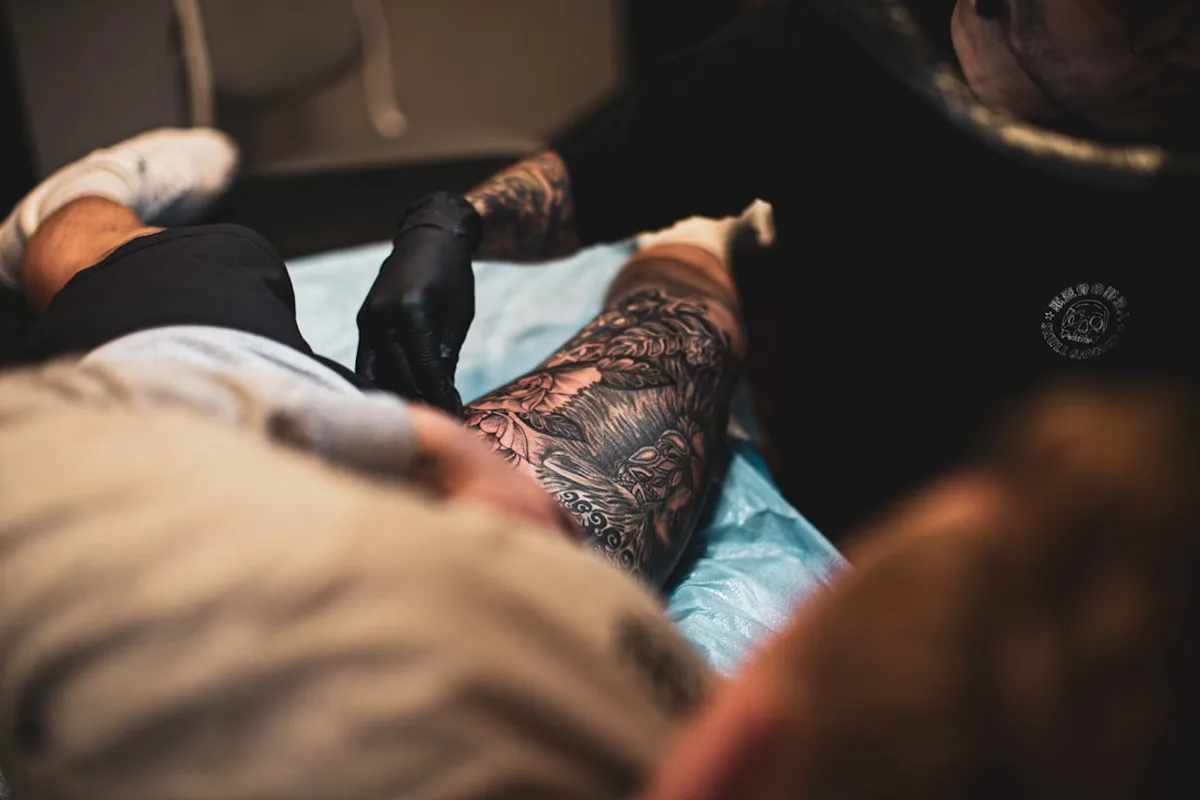
Tattoo artists often have rich, diverse backgrounds that fuel their creativity and unique artistic expressions. Many begin their journeys through formal art education or apprenticeships, where they hone their skills under the guidance of experienced mentors. For instance, Fernando Morales, a renowned tattoo artist, shared in an interview how his early interest in artwork led him to pursue tattooing.
Key influences for tattoo artists often include art movements and personal mentors who inspire their evolving styles. Additionally, cultural heritage plays a significant role, with many artists drawing inspiration from their backgrounds. This blend of traditional techniques with contemporary styles results in truly unique art.
Understanding these elements can help when choosing the right tattoo artist. By exploring their backgrounds and inspirations, clients can find artists whose work resonates with their personal aesthetic and cultural preferences.
Personal Journeys: What Drives Tattoo Artists
The personal journeys of tattoo artists are often as intricate as the tattoos they create, filled with passion and perseverance. Many artists, like Fernando, are driven by a desire to tell stories through their art, reflecting their own life experiences and struggles. For some, the motivation for tattoo artists stems from overcoming personal obstacles, transforming challenges into creative expression. Understanding these journeys reveals the emotional and psychological factors that fuel their dedication to the craft, making each tattoo a unique narrative.
Cultural and Artistic Influences in Tattoo Artistry
Cultural and artistic influences are pivotal in the evolution of tattoo artistry, blending history with modern expression. Tattoo styles and trends are often shaped by cultural movements, where artists draw inspiration from societal changes and traditional tattooing techniques. Indigenous tattoo methods from various cultures are frequently integrated into contemporary designs, creating a fusion of old and new. Additionally, modern tattoo art reflects current societal issues, allowing artists to express complex themes through their work. This interplay of cultural influences on tattoos highlights the dynamic nature of tattoo artistry and culture, where artistic influences in tattooing continuously evolve.
Challenges and Triumphs in the Tattoo Industry
The tattoo industry is rife with challenges, yet many artists find ways to triumph against the odds. Tattoo artists often face high client expectations and fierce industry competition. Managing client relationships can be daunting, especially when balancing artistic vision with client desires. Additionally, the emotional toll of tattooing, including mental health considerations, can be significant. Despite these hurdles, success stories abound. For example, Arnest Makhin has conducted numerous interviews and tattooed clients in many countries, showcasing resilience and dedication in overcoming industry struggles.
Unveiling Styles: Tattoo Artists’ Unique Specialties
Tattoo artists bring a plethora of styles to the table, each with its own unique flair and technique. Among the most popular styles are traditional tattoos, known for their bold lines and vibrant colors, and realism, which captures lifelike images with intricate detail. Neo-traditional style combines these elements, offering a modern twist on classic designs.
Many artists develop unique specialties over their careers, such as watercolor tattoos, which mimic the fluidity of watercolor paintings, or blackwork, which emphasizes bold, black ink designs. These specialties reflect an artist’s personal vision and evolution, as they refine their techniques and explore new artistic boundaries.
For instance, an artist might start with traditional styles and gradually incorporate elements from other genres, creating a signature style that sets them apart. This diversity in tattoo artist specialties ensures clients have a wide array of options to choose from, each offering a distinct artistic expression. To explore more about tattoo artistry, you can read an interview with tattoo artists discussing their favorite styles and inspirations.
Exploring Different Tattoo Styles and Techniques
From intricate line work to bold colors, each tattoo style tells a unique story and requires distinct techniques. Tattoo styles like Japanese, tribal, and illustrative each have defining characteristics. Japanese tattoos often feature vibrant colors and detailed line work, while tribal designs focus on bold, black lines. Illustrative tattoos combine elements of realism and artistic flair, using shading to create depth. Understanding these styles helps clients choose designs that reflect their personal narratives and aesthetic preferences. Selecting a style that resonates with a client’s story ensures a meaningful tattoo experience.
How Tattoo Artists Develop Their Signature Styles
The journey to a signature tattoo style is often marked by experimentation, personal growth, and artistic exploration. Tattoo artists develop their unique styles over time through a process of trial and error, drawing inspiration from diverse sources. Collaboration with peers and mentors can also play a critical role in this evolution. For instance, renowned artists like Fernando Morales-Unda have shared insights into how their styles evolved through continuous learning and adaptation. Ultimately, a tattoo artist’s signature style is a reflection of their personal experiences and artistic growth.
The Role of Innovation in Tattooing Techniques
Innovation in tattooing is reshaping the industry, making it easier for artists to push creative boundaries and enhance client satisfaction. Technological advancements are revolutionizing tattooing, from digital design tools that allow precise pre-visualization of tattoos to improved ink formulations that offer vibrant and lasting colors. Social media platforms like Instagram and TikTok have amplified tattoo trends and increased artist visibility, enabling them to reach a global audience. Additionally, modern tattoo techniques benefit from innovations in equipment, such as quieter machines and more efficient needles, elevating both artistry and the overall client experience.
Common Questions to Ask During a Tattoo Artist Interview

Asking the right questions during a tattoo artist interview can lead to a more satisfying and personalized tattoo experience. Here are some essential questions to consider:
- What is your favorite tattoo style? Understanding their preferred style helps gauge if it aligns with your vision.
- How long have you been tattooing? Experience often correlates with skill and confidence.
- Can you describe your creative process? This reveals how they approach design and inspiration, offering insight into their artistic mindset.
- What inspires your artwork? Knowing their influences can help you connect with their artistic vision.
- How do you handle client interactions? Professionalism and communication are key to a successful collaboration.
- Do you prefer colored ink or black and gray? This helps determine their expertise in different mediums.
These tattoo artist interview questions are designed to uncover insights about the artist’s style, professionalism, and ability to collaborate on custom designs. By knowing how to interview a tattoo artist effectively, you can ensure a harmonious and creative tattooing experience.
Essential Questions for Understanding an Artist’s Background
Evaluating a tattoo artist’s background is crucial for ensuring a good fit for your custom tattoo vision. Understanding an artist’s background and influences can provide valuable context for their work and help clients make informed decisions. Here are some essential tattoo artist background questions to ask:
- Training and Influences: Inquire about their formal training and key influences. This can reveal their foundational skills and artistic inspirations.
- Portfolio Assessment: Review their portfolio to evaluate tattoo artist experience with specific styles or techniques.
- Client Collaboration: Ask about their approach to working with clients to ensure a collaborative and satisfying tattoo experience.
Evaluating an Artist’s Style and Technique
Assessing a tattoo artist’s style and technique is essential for ensuring your tattoo reflects your personal vision and aesthetic. Here’s how to evaluate tattoo artist style and technique effectively:
- Identify Key Aspects: Inquire about the artist’s use of color, line quality, and overall design approach.
- Consistency and Quality: Review their portfolio to ensure consistent quality across different pieces.
- Personal Alignment: Ensure the artist’s style aligns with your personal preferences and expectations.
Evaluating tattoo technique assessment involves looking beyond aesthetics to understand their creative process and how it aligns with client expectations.
Questions to Gauge Professionalism and Client Interaction
Professionalism and communication are key factors in ensuring a positive tattoo experience, making these questions essential during interviews. Understanding an artist’s professionalism and client interaction style can significantly influence the overall tattoo experience and satisfaction.
- How do you communicate with clients before, during, and after a tattoo session?
- What is your policy on revisions and touch-ups?
- Can you describe a time when you handled a challenging client interaction?
- How do you ensure client satisfaction throughout the tattooing process?
Insights into the Business and Emotional Aspects of Tattooing
The tattoo industry requires artists to balance their creative passions with the practicalities of running a business, often leading to emotional complexities. Tattoo artists must navigate the dual challenges of artistic expression and business management, impacting their creative freedom and client relationships. The business of tattoo artistry involves strategic pricing and effective marketing to attract and retain clients. Artists often set their rates based on experience, style, and market demand, ensuring they remain competitive while valuing their work.
Beyond business logistics, the emotional aspects of tattooing play a significant role. Building strong client relationships is crucial, as tattoos often carry deep personal significance. This connection can provide artists with a sense of personal fulfillment, knowing they contribute to meaningful moments in their clients’ lives. For example, an artist might feel immense satisfaction when a client expresses gratitude for a tattoo that honors a loved one. Balancing these emotional and business demands requires skill and sensitivity, making tattoo artistry a uniquely challenging yet rewarding profession.
Balancing Artistry with Business Demands
Navigating the business side of tattooing requires artists to find a delicate balance between creativity and commercial viability. Tattoo artists often employ strategic branding and marketing to stand out in a competitive market. For instance, leveraging social media platforms can enhance visibility and attract clients. However, financial pressures may influence creative decisions, pushing artists to prioritize popular styles over personal expression. Balancing artistry with business demands is crucial, as it impacts both creative choices and client relationships. Successful tattoo artists manage these aspects while maintaining their artistic integrity, ensuring their work remains both authentic and profitable.
Emotional Connections Between Artists and Clients
The emotional connections forged between tattoo artists and clients often transform the tattooing experience into a deeply personal journey. These bonds can lead to profound experiences, enhancing the overall significance of the artwork. Tattoo artist client relationships frequently result in meaningful interactions that impact both parties. For instance, a client might share a personal story behind their chosen design, creating a shared emotional space. Such connections not only enrich the tattooing process but also boost client satisfaction, making the artwork a cherished symbol of a significant emotional moment.
FAQs About Tattoo Artist Interviews
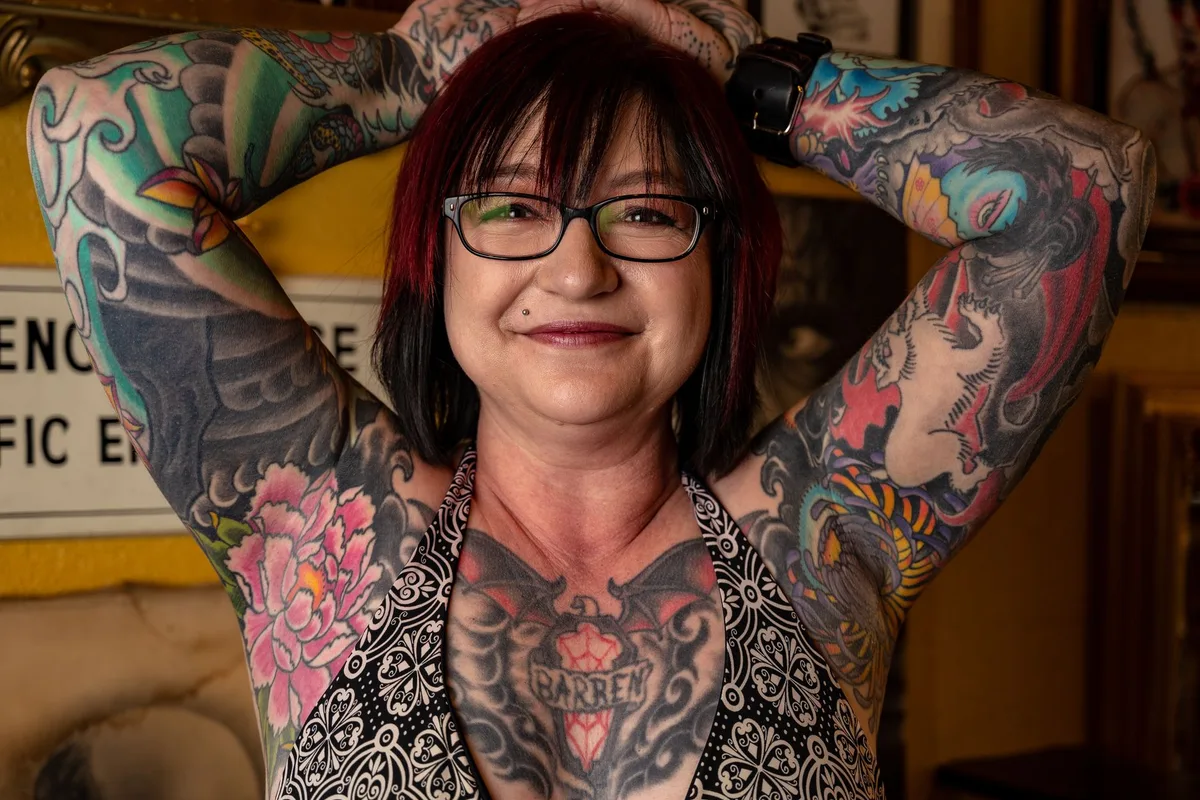
Explore common questions and insights about interviewing tattoo artists. Discover effective interview formats, key questions to ask, and delve into the backgrounds and inspirations of these artists. For more on tattoo artist interviews, check out this comprehensive guide.
What Should I Look for in a Tattoo Artist Interview?
When interviewing a tattoo artist, focus on their experience, artistic style, and how they interact with clients. Understanding their creative process and collaboration methods can provide valuable insights into their work. Ask about their background and what inspires them, as seen in interviews with artists like Abbie Williams. Reviewing their portfolio is crucial to ensure their style aligns with your vision. Common questions, such as their favorite tattoo style or how long they have been tattooing, can also be informative. For example, The Atlantic Current suggests asking about their preferred ink colors. These elements will help you gauge if the artist is the right fit for your tattoo journey.
How Can Interviews Help Me Choose the Right Tattoo Artist?
Interviews are a valuable tool for selecting the right tattoo artist, as they allow clients to assess compatibility with the artist’s style and approach. By engaging in a conversation, you can gain insights into the artist’s experience and professionalism, which are crucial for ensuring quality work. Interviews also provide an opportunity to discuss the artist’s vision, helping you determine how well it aligns with your expectations. Asking questions about their background, inspiration, and preferred tattoo styles can further clarify whether they are the right fit for your needs. For instance, understanding whether an artist prefers colored ink or black can influence your decision. Engaging directly with artists, like those featured in interviews, can provide a deeper understanding of their work and ethos.
Are There Common Red Flags to Watch for During Interviews?
Being aware of common red flags during tattoo artist interviews can help clients avoid potential pitfalls and ensure a positive experience. Key warning signs include a lack of professionalism, such as tardiness or unprofessional attire, and poor communication skills. An artist who pressures clients into decisions or dismisses their concerns should also raise alarms. Additionally, an unclean workspace can indicate a disregard for hygiene standards, which is crucial in tattooing.
Inconsistent portfolios or styles may suggest a lack of focus or experience, making it important to review an artist’s work carefully. Identifying these tattoo artist interview red flags can save clients from negative tattoo experiences and ensure they choose a reliable artist. For more insights on interviewing tattoo artists, consider exploring Arnest Makhin’s extensive interviews with artists worldwide.
How Do Tattoo Artist Interviews Benefit the Artists Themselves?
Tattoo artist interviews offer a platform for artists to express their creativity and connect with potential clients. These conversations allow artists to showcase their unique style and approach, often leading to valuable client feedback that can help refine their techniques. Engaging with clients in this way can also enhance an artist’s professional reputation, as it demonstrates their commitment to understanding and meeting client needs. For instance, Fernando’s interview highlighted his artistic journey, providing insights that resonated with both existing and potential clients. Ultimately, these interviews serve as a crucial tool for artists to build a strong personal brand and foster meaningful client relationships.
Key Takeaways About Tattoo Artist Interviews
The key takeaways from tattoo artist interviews highlight their significance in creating meaningful and personalized tattoo experiences. These interviews are essential for building connections and ensuring a good fit between artist and client. By engaging in a thoughtful dialogue, clients gain valuable insights into both the artistic process and the emotional aspects of tattooing.
Understanding an artist’s background and style is crucial. For instance, Arnest Makhin has conducted numerous interviews, showcasing the diversity of tattoo experiences across many countries. Such insights can lead to more meaningful tattoo experiences, as clients connect with the stories and inspirations behind the art. The interview process is a crucial step in the tattoo journey, fostering connections that enhance the overall experience for both artists and clients.
Moreover, the importance of tattoo artist interviews extends to understanding the artist’s creative influences and preferred styles. For example, Fernando’s interview dives into his journey into artwork, offering a glimpse into the passion driving his craft. By asking the right questions, clients can ensure their vision aligns with the artist’s expertise.
Ultimately, these interviews not only provide clarity and confidence but also enrich the tattooing experience. Book your consultation today to start designing your one-of-a-kind tattoo!
Leave a Reply