How Common Tattoo Healing Issues Affect Your Ink
Have you ever wondered why some tattoos heal beautifully while others don’t? Common tattoo healing issues such as scabbing, peeling, and fading can significantly impact the final appearance of your ink. Approximately 30% of tattoo recipients report experiencing some form of healing complication, often due to improper aftercare.
Scabbing and peeling are typical parts of the healing process, but excessive scabbing can lead to scarring, affecting the tattoo’s clarity. Fading is another concern, often exacerbated by sun exposure or inadequate moisturizing. Different skin types also play a role; for example, oily skin might delay healing, while dry skin could increase the risk of scabbing.
Understanding these tattoo healing complications is crucial. According to Inked Magazine, scarring can occur if the tattoo needle penetrates too deeply. Recognizing the healing timeline and signs can help you navigate the tattoo healing process more effectively, ensuring your ink looks its best.
Navigating the Tattoo Healing Process: Timeline and Signs
Knowing the healing timeline for your tattoo can make all the difference in your aftercare approach. Typically, the tattoo healing timeline spans several phases. Initially, the first week involves redness and swelling as the skin begins to repair. By the second week, peeling and itching are common as the outer layer heals. Complete recovery can take up to four weeks, depending on the tattoo size and location. Smaller tattoos or those on areas with more blood flow, like the forearms, tend to heal faster than larger ones or those on the feet. Skin type and tattoo ink also influence healing times. Recognizing the signs of normal versus abnormal healing is crucial for ensuring your tattoo heals properly.
Typical Healing Timeline for Tattoos
Understanding the stages of healing can empower you to care for your tattoo more effectively. The tattoo healing process unfolds in distinct stages: initial healing (1-2 weeks), peeling (2-3 weeks), and complete healing, which can take up to 6 months. Many first-time tattoo recipients are unaware that peeling is a normal part of the tattoo healing stages and can last up to 2 weeks.
For example, one individual shared their experience of tattoo peeling on Facebook, noting the surprise at how long it lasted.
With a grasp on the healing timeline, it’s equally important to distinguish between normal and abnormal healing signs.
Recognizing Normal vs. Abnormal Healing Signs
Recognizing the difference between normal and abnormal healing signs is crucial for your tattoo’s health. Many people mistake normal redness and swelling for infection, not realizing these are common responses to tattooing. Here’s how to tell if your tattoo is healing normally:
| Normal Tattoo Healing Signs | Abnormal Tattoo Healing Signs |
|---|---|
| Slight redness and itching | Excessive swelling or pus |
| Light peeling and scabbing | Persistent pain or fever |
Understanding these signs helps differentiate between normal irritation and tattoo infection symptoms. Several factors can influence how well and how quickly your tattoo heals.
Factors Influencing Tattoo Healing
Did you know that your skin type can dramatically influence how your tattoo heals? Factors affecting tattoo healing include skin type, tattoo placement, ink quality, and aftercare practices. Dermatologists suggest that organic inks may cause fewer allergic reactions compared to synthetic ones, enhancing healing. Proper hydration and nutrition also play crucial roles in the tattoo aftercare influence. Once you understand the healing process, effective aftercare becomes essential for optimal results.
Effective Tattoo Aftercare: Immediate and Long-term Tips
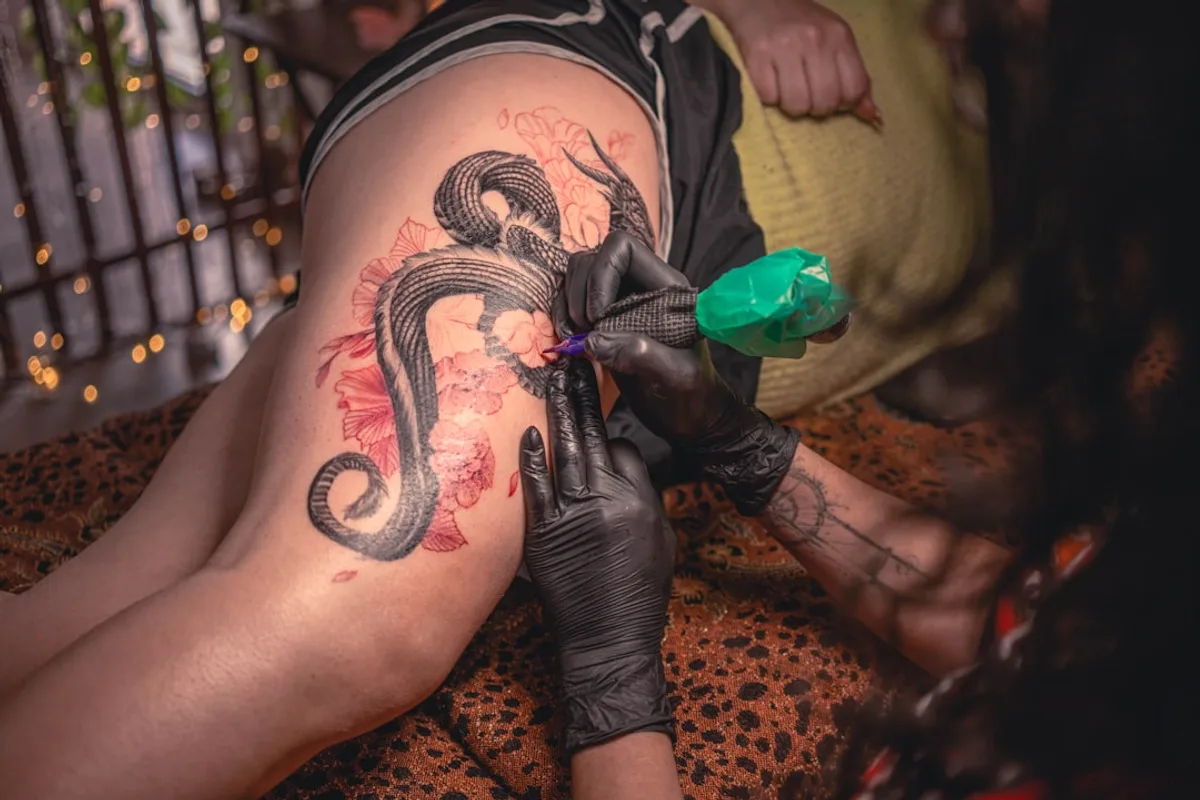
The first 48 hours after getting a tattoo are crucial for its healing—are you prepared? Here are essential tattoo aftercare tips to ensure your new ink heals beautifully:
- Clean: Gently wash the tattoo with lukewarm water and a mild, fragrance-free soap.
- Moisturize: Apply a thin layer of dermatologist-approved, fragrance-free moisturizer to prevent irritation.
- Protect: Cover the tattoo with a breathable bandage for the first few hours.
- Avoid Sun: Keep the tattoo out of direct sunlight to prevent fading and irritation.
- No Soaking: Refrain from soaking the tattoo in water, including baths and swimming pools, during the initial healing phase.
Consider using products like ointments and lotions specifically designed for tattoo healing. Long-term care is just as important for maintaining the vibrancy and integrity of your tattoo.
Immediate Aftercare: First 48 Hours
Are you aware that the first 48 hours can make or break your tattoo’s healing process? Proper care is crucial to avoid complications. Follow these steps:
- Gently clean your tattoo with unscented soap and warm water twice daily.
- Apply a thin layer of recommended ointment, avoiding petroleum-based products to prevent clogging.
- Keep the tattoo covered for the first few hours to shield it from airborne bacteria.
Common tattoo aftercare mistakes include using the wrong ointment or neglecting to clean the area. Handling discomfort? Experts suggest using a cold compress for relief. Once the initial healing is underway, long-term care becomes essential for preserving your tattoo.
For inspiration on tattoo designs, explore 56 Blackwork tattoos designs.
Long-term Care for Lasting Results
Did you know that proper long-term care can extend the life of your tattoo for years? Here are some essential tattoo maintenance tips to keep your ink vibrant:
- Moisturize regularly to maintain skin elasticity and tattoo vibrancy.
- Use sunscreen to protect against UV rays, which can fade tattoos by up to 50% over time.
- Stay hydrated and avoid harsh soaps to preserve color.
- Consider regular touch-ups when colors start to fade.
Avoiding common mistakes in aftercare is essential for ensuring your tattoo heals properly.
Common Aftercare Mistakes to Avoid
Are you making any of these common aftercare mistakes that could ruin your tattoo? Surprisingly, many believe that more cleaning is better, but over-cleaning can lead to irritation and prolonged healing times. Here are some common tattoo healing errors and how to care for a new tattoo:
- Using alcohol-based products: These can dry out the skin, causing fading and irritation.
- Scrubbing the tattoo too hard: This can damage the skin and increase the risk of infection.
- Neglecting aftercare: Leads to fading and potential infections.
If these mistakes occur, switch to gentle, fragrance-free products and pat the area dry. Despite taking care, discomfort can still arise during the healing process.
Dealing with Discomfort: Itching and Other Healing Challenges
Is your new tattoo driving you crazy with itching? Here’s how to manage that discomfort safely. Itching, swelling, and redness are common during tattoo healing, often caused by your body’s natural response to the tattooing process. While itching is a normal part of healing, scratching can significantly damage the tattoo and prolong recovery.
To relieve tattoo itching and manage discomfort, consider applying cold compresses. This can soothe the area without compromising your tattoo. However, if swelling persists or redness intensifies, it might indicate an infection, and seeking medical advice is crucial. Understanding how to manage itching without compromising your tattoo is essential for a smooth healing process.
Managing Itching Without Damaging Your Tattoo
Itching can be unbearable, but scratching is a tattoo’s worst enemy—what can you do instead? To relieve tattoo itching, apply fragrance-free lotions or use cold packs. Many tattoo artists recommend a thin layer of aloe vera gel to soothe itching without clogging pores. Avoid scratching to prevent scarring and infection. Swelling and redness are also common issues that can arise during the healing process.
Addressing Swelling and Redness
Is your tattoo looking a bit puffy? Understanding swelling can help you manage your healing process better. Swelling and redness in healing tattoos are normal as they signal the body’s natural response to injury. Applying ice for 10-15 minutes can help reduce swelling. However, if symptoms persist or worsen, it might indicate an infection. Swelling can be exacerbated by heat and humidity, especially in summer months. Understanding infection risks is critical for ensuring your tattoo heals without complications.
Identifying Infection Risks: When to Consult a Professional
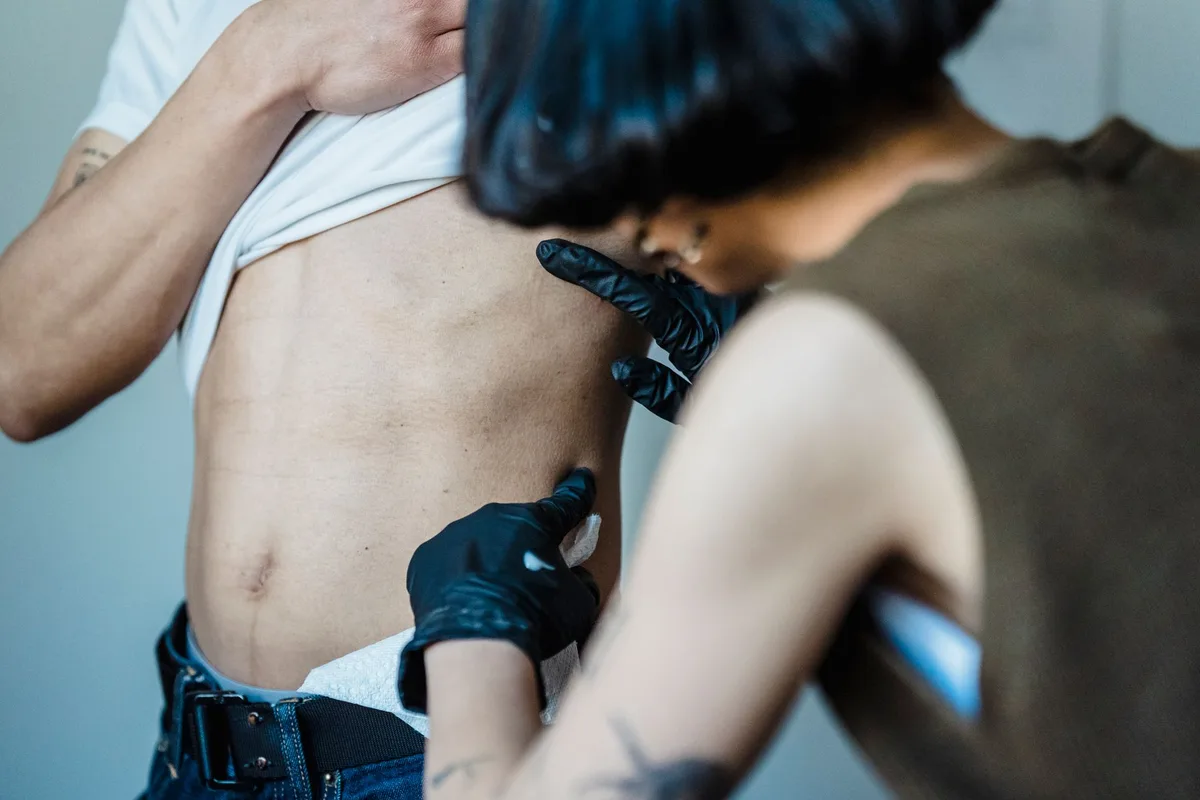
Could your healing tattoo be at risk of infection? Here are the signs you need to watch for. Recognizing tattoo infection signs is crucial in the first few weeks post-inking. Look for symptoms such as pus, increased pain, and fever. These are clear indicators that your tattoo might be infected. Infection rates for tattoos can vary widely, with some studies showing rates as low as 0.5% and others as high as 6%, depending on aftercare practices.
Monitoring your tattoo closely is essential to identify tattoo healing complications early. If you notice any of these symptoms, consult a professional immediately. Preventive measures are key to avoiding infections and ensuring a smooth healing process.
Signs of Infection in a Healing Tattoo
Are you monitoring your tattoo for infection? Knowing the signs can save you from serious complications. Key tattoo infection symptoms include unusual discharge, persistent redness, and increased pain. While a small amount of clear fluid is normal, any change in color or odor warrants a closer look. Seek medical attention if these tattoo healing infection signs persist. Preventive measures can significantly reduce the risk of infection during the healing process.
Preventive Measures to Avoid Infections
Preventing infection is easier than you think—here are the steps you need to take. Keep your tattoo clean, avoid swimming pools, and use appropriate aftercare products. Following your artist’s recommendations is crucial. Studies show that using antimicrobial ointments can reduce infection rates by up to 40% when applied correctly. Knowing when to seek professional help is essential for addressing potential complications.
When Professional Help is Necessary
Is your tattoo healing not as expected? Knowing when to seek help could be crucial to your health. Persistent pain, unusual discharge, or fever are signs to see a doctor for tattoo healing complications. Many delay due to embarrassment, but timely intervention prevents serious issues. Scarring and infection are common concerns.
Communicate clearly with healthcare professionals about symptoms. Testimonials from individuals who sought help highlight the importance of addressing concerns promptly. Real stories can provide valuable insights into common healing issues and how to overcome them.
Real Stories: Common Tattoo Healing Issues and Solutions
Every tattoo has a story, but what happens when healing doesn’t go as planned? Many tattoo recipients share their real experiences with tattoos online, revealing common healing challenges. For instance, one user on Reddit discussed persistent issues with their tattoo healing, seeking advice from the community.
Tattoo artists often encounter clients with similar concerns, such as scarring or improper aftercare. One artist noted, “Sometimes, it’s not the tattoo but the care afterward that causes problems.” Community support plays a crucial role, as shared stories foster a sense of belonging and understanding. Addressing frequently asked questions can further clarify common concerns about tattoo healing, helping others overcome tattoo challenges.
Personal Experiences with Tattoo Infections
Infection stories can be alarming, but they also offer valuable lessons for future tattoo recipients. Many individuals recount symptoms like redness, swelling, and prolonged healing. Emotional distress often accompanies these physical challenges, yet early intervention and communication with their tattoo artist improved outcomes. Learning from others’ tattoo infection experiences can inspire and guide your own tattoo journey.
How Others Overcame Healing Challenges
What if you could learn from others’ healing journeys? Here are stories of triumph over tattoo challenges. Many individuals have shared their tattoo healing success stories online, revealing how patience and self-care were key in overcoming tattoo healing issues. Tips like moisturizing regularly and avoiding sun exposure were frequently mentioned. Sharing experiences in forums or social media groups often provides unexpected support and solutions.
FAQs About Tattoo Healing

Got questions about tattoo healing? You’re not alone—here are the answers to the most common concerns.
-
Is excessive peeling normal?
Yes, many first-time tattoo recipients are surprised to learn that excessive peeling is normal and not a sign of infection. For more details, see our section on tattoo aftercare.
-
What are signs of infection?
Redness, swelling, and pus are signs of infection. If you notice these, seek medical help. Learn more from Inked Magazine.
-
How long does healing take?
Healing times vary, but most tattoos heal within two to four weeks. For a comprehensive guide, check our healing timeline section.
Understanding key takeaways can help reinforce the best practices for tattoo healing. For creative inspiration, explore our <a href="
What Should I Do If My Tattoo Starts Peeling Excessively?
Is your tattoo peeling more than expected? Let’s clarify what’s normal and what’s not. Normal tattoo peeling is light and occurs within the first week. Excessive tattoo peeling, however, involves large flakes and can persist beyond the typical healing timeline. If your tattoo is peeling excessively, consider switching to a more hydrating lotion to manage tattoo peeling issues effectively. This adjustment in aftercare products can often mitigate excessive tattoo peeling. Understanding the healing timeline will help clarify how long you should expect healing to take, ensuring you can differentiate between normal and abnormal healing signs.
How Long Does It Take for a Tattoo to Fully Heal?
Wondering how long it will take for your new tattoo to heal completely? Here’s what you can expect. The tattoo healing duration typically spans several weeks, with the initial phase lasting around 3-7 days. During this time, the tattoo may appear red and swollen. The second phase, where peeling occurs, can last another 2-3 weeks. Complete healing, however, may take several months, influenced by factors such as tattoo size, location, and individual health. Some people heal in as little as two weeks, while others may take longer. It’s important to know that some warmth is normal during the healing process.
Is It Normal for a New Tattoo to Feel Warm?
Is your new tattoo feeling a bit warmer than expected? Let’s explore what this means for your healing process. Tattoo warmth is normal and typically results from increased blood flow to the area, which aids recovery. This warmth is part of the body’s natural inflammation and healing processes. However, if the warmth is accompanied by redness, swelling, or pus, it could indicate an infection. Monitor your tattoo’s temperature, and if you notice these symptoms, seek medical advice. Understanding which products are best for aftercare can significantly impact your tattoo’s healing.
Can I Exercise While My Tattoo is Healing?
Choosing the right aftercare products can make all the difference—are you using the best ones for your tattoo? For optimal healing, consider using fragrance-free and non-comedogenic options. Aquaphor Healing Ointment and Hustle Butter Deluxe are highly recommended by tattoo artists and dermatologists. These products help maintain moisture without clogging pores. Additionally, natural alternatives like coconut oil offer effective moisture without harmful additives. Many overlook these natural options, which can be just as beneficial. Prioritize these best tattoo aftercare products to ensure your tattoo heals beautifully and stays vibrant.
What Products Are Best for Tattoo Aftercare?
As you embark on your tattoo journey, here are the essential takeaways to ensure a smooth healing process. Proper aftercare is crucial to avoid common tattoo healing issues like scarring and infection. Regularly moisturizing with recommended products and keeping the tattoo clean are key points on tattoo aftercare. Many recipients find that proactive communication with their tattoo artist can prevent issues before they arise. If you notice signs of infection, seek medical help promptly. Share your experiences and don’t hesitate to reach out for advice. For more insights, visit InkedMag.
Key Takeaways About Common Tattoo Healing Issues
As you embark on your tattoo journey, here are the essential takeaways to ensure a smooth healing process. Proper aftercare is crucial to avoid complications such as infection and scarring. Common tattoo healing issues include redness, swelling, and scabbing, which can usually be managed with diligent care. It’s important to recognize signs of infection, like excessive redness or pus, and seek medical help if these occur.
Many tattoo recipients find that proactive communication with their tattoo artist can prevent many healing issues before they arise. Discussing your concerns and following their aftercare instructions can make a significant difference. Sharing your experiences with others can also provide valuable insights and support.
Remember, each tattoo is unique, and so is its healing process. By staying informed and attentive, you can enjoy your body art for years to come. Book your consultation today to start designing your one-of-a-kind tattoo!
Leave a Reply