Why Popular Tattoo Techniques Matter for Artists and Enthusiasts
Why should both artists and enthusiasts pay attention to popular tattoo techniques? Understanding these techniques is crucial for artists to refine their skills and for clients to make informed design choices. Many clients choose artists based on their proficiency in specific techniques, which can significantly impact the final outcome of the tattoo.
For artists, mastering a variety of techniques enhances their artistic expression and broadens their client base. Clients benefit from this expertise, ensuring their tattoos meet personal expectations and cultural significance. Statistics show that over 30% of adults in the U.S. have tattoos, with preferences varying across demographics.
Next, we will explore global tattoo techniques and their unique cultural significance.
Global Tattoo Techniques: Unique Methods and Cultural Significance
Did you know that tattoo techniques can tell stories that span centuries and cultures? Around the world, global tattoo techniques showcase the rich cultural significance of tattoos. The Tebori tattoo method from Japan involves hand-poking ink into the skin, creating intricate designs with a rhythmic motion. In Thailand, the Yantra or Sak Yant tattoos are hand-tapped, often believed to endow the wearer with spiritual meanings and protective properties.
These techniques differ in application and artistry, reflecting their cultural origins. Let’s dive deeper into traditional tattooing methods across various cultures.
Traditional Tattooing Methods Across Cultures
What if the way tattoos are applied could reveal a culture’s history and values? Traditional tattooing methods like hand-poke, stick and poke, and hand-tapping have been practiced for centuries. Polynesian and Native American tribes, among others, use these techniques, often involving community participation in the process.
Materials such as bone, wood, and natural dyes are commonly used in these cultural tattoo practices. Many indigenous cultures have tattooing rituals integral to their identity, reflecting their heritage and beliefs through intricate designs.
Next, we will examine the cultural significance and symbolism behind these tattoo art forms.
Cultural Significance and Symbolism in Tattoo Art
Could the ink on your skin be a gateway to understanding a rich cultural heritage? Tattoo symbolism varies widely across cultures, often representing rites of passage, significant life events, or achievements. For instance, Maori tattoos are renowned for their intricate patterns that convey lineage and personal history.
Tribal tattoo significance is profound, with designs like Polynesian tribal markings symbolizing strength and protection. Religious symbols, such as the Om in Hinduism, hold deep spiritual meaning. These cultural meanings of tattoos often guide the choice of tattoo technique, ensuring the art reflects its intended significance.
Now, let’s explore how modern tattoo machines have transformed the artistry of tattooing.
Modern Tattoo Machines and Their Impact on Artistry
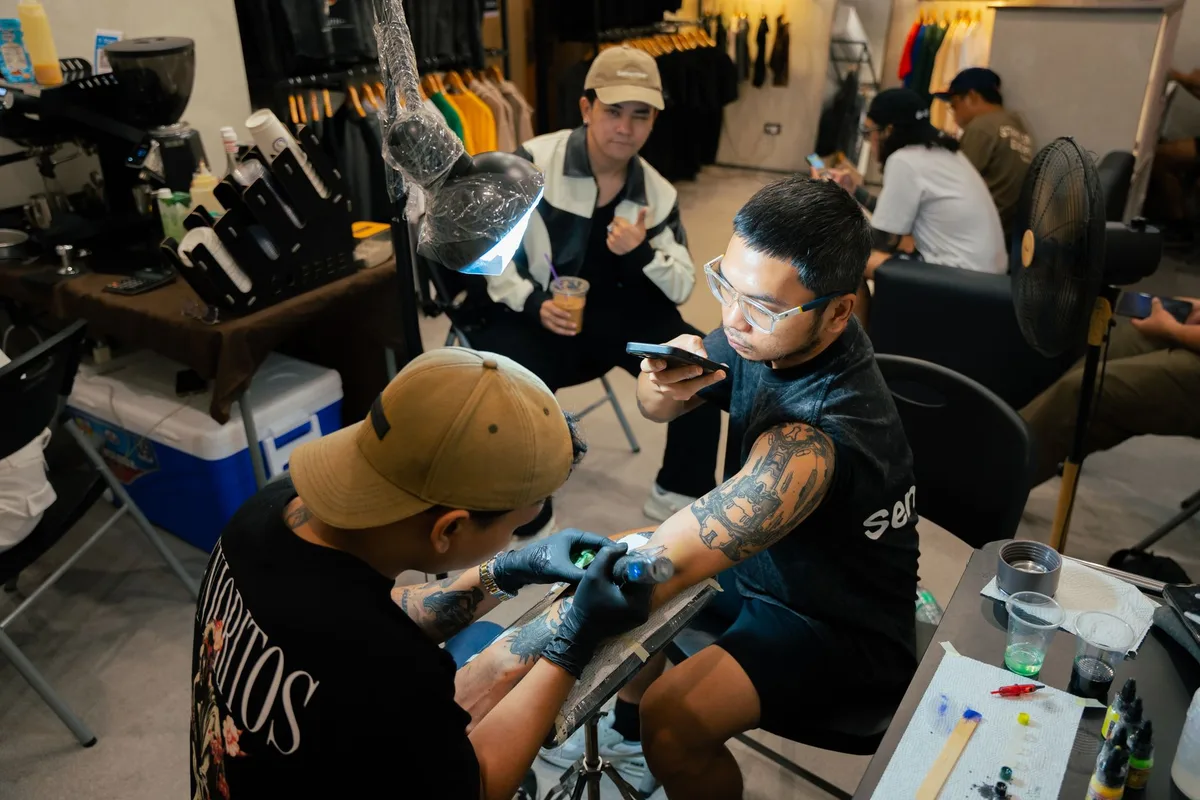
What if a simple machine could redefine the art of tattooing? The evolution of tattoo machines from traditional hand tools to modern electric machines has revolutionized the industry. Electric tattoo machines offer significant benefits, including enhanced precision and speed, compared to older methods like stick and poke or hand-tapping. Today, over 90% of professional tattoo artists use modern machines, allowing them to complete intricate designs more quickly and take on complex projects. Next, we will look at the evolution of tattoo machines and their historical significance.
Evolution of Tattoo Machines: From Hand Tools to High-Tech
Have you ever wondered how the tattoo machine you see today came to be? The history of tattoo machines traces back to rudimentary hand tools used in ancient cultures. The introduction of the electric tattoo machine, patented by Samuel O’Reilly in 1891, revolutionized the industry, making tattooing more accessible and precise.
Key innovators in tattoo machine technology have continuously refined these devices. Early machines were bulky and less efficient, while modern designs are sleek and high-tech, offering unparalleled control. Visual comparisons reveal a stark contrast between the cumbersome early models and today’s advanced equipment.
Let’s explore how modern machines enhance artistic precision in tattooing.
Enhancing Artistic Precision with Modern Machines
What if the right machine could elevate a tattoo from good to extraordinary? Modern tattoo machines, particularly rotary and coil types, offer unparalleled precision in line work and shading. Rotary machines, favored for their quiet operation and smooth application, often reduce client discomfort, allowing artists to focus on intricate details.
Rotary machines utilize advanced tattoo technology advancements to deliver consistent needle motion, enhancing tattoo machine precision. Coil machines, known for their powerful performance, excel in creating bold lines and deep shading. Artists frequently cite the choice of machine as crucial to achieving desired artistic outcomes.
Now, let’s move on to a step-by-step guide for safe tattooing and aftercare.
Step-by-Step Guide to Safe Tattooing and Aftercare
Are you ready to take the plunge into the world of tattoos? Here’s how to prepare safely!
- Consultation: Schedule a meeting with your tattoo artist to discuss design, placement, and any concerns. This is an opportunity to get personalized tattoo preparation tips.
- Skin Preparation: Ensure the skin is clean and free from lotions or oils. Shaving the area may be necessary for better ink application.
- Hygiene and Safety: Choose a reputable studio that follows strict safety measures for tattoos, including sterilized equipment and disposable gloves.
- Aftercare Importance: Proper preparation can reduce the risk of infection, which affects approximately 5% of tattoos, and improve the overall healing process.
Next, we will detail what to expect during the tattooing process.
Preparation and Safety Measures for Tattooing
What happens from the moment you sit down in the tattoo chair to the final reveal? Understanding the tattooing process can significantly reduce anxiety, making for a more enjoyable experience for first-timers. Here’s the tattooing process explained:
- Stencil Application: The artist applies a stencil to guide the design.
- Outlining: Using an electric tattoo machine, the outline is inked.
- Shading and Coloring: Colors and shades are added for depth.
- Final Touches: Details are refined, completing the tattoo.
During the tattoo session, expect varying pain levels and durations depending on the design’s complexity. To manage anxiety and discomfort, practice deep breathing or listen to music. Let’s discuss essential aftercare tips for maintaining a healthy tattoo.
Tattooing Process: What to Expect
Did you know that how you care for your tattoo can make all the difference in its appearance? Proper tattoo aftercare is crucial for a healthy tattoo. Many tattoo-related complications stem from improper aftercare, which can lead to fading, infection, or scarring. Here are the best aftercare tips for a healthy tattoo:
- Clean Gently: Wash your tattoo with mild soap and water to remove any excess ink and blood.
- Moisturize: Apply a recommended tattoo aftercare product to keep the skin hydrated.
- Avoid Sun Exposure: Protect your tattoo from direct sunlight to prevent fading.
Common mistakes include over-moisturizing and neglecting sun protection, which can hinder the tattoo healing process. Experts recommend using fragrance-free lotions and wearing loose clothing. Now, let’s compare various tattoo techniques and their visual and practical differences.
Aftercare Tips for a Healthy Tattoo
What if the technique behind a tattoo could change its entire look and feel? Understanding the tattoo techniques comparison is crucial for appreciating the art form. Here’s a look at some popular methods:
- Single Needle: Known for its precision, this technique creates intricate designs with fine lines. It demands high skill, making it prized among collectors.
- Traditional Shading: Utilizes bold lines and vibrant colors, offering a classic aesthetic.
- Electric Tattoo Machines: Commonly used for both shading and lining, providing versatility.
- Stick and Poke: A manual method that results in a raw, organic look.
- Hand-Tapping: An ancient technique producing unique patterns with a cultural significance.
These tattoo styles differences affect the final appearance and feel of the tattoo, with each technique offering distinct visual and practical outcomes. Next, we will explore the criteria for evaluating tattoo techniques.
Comparing Tattoo Techniques: Visual and Practical Differences
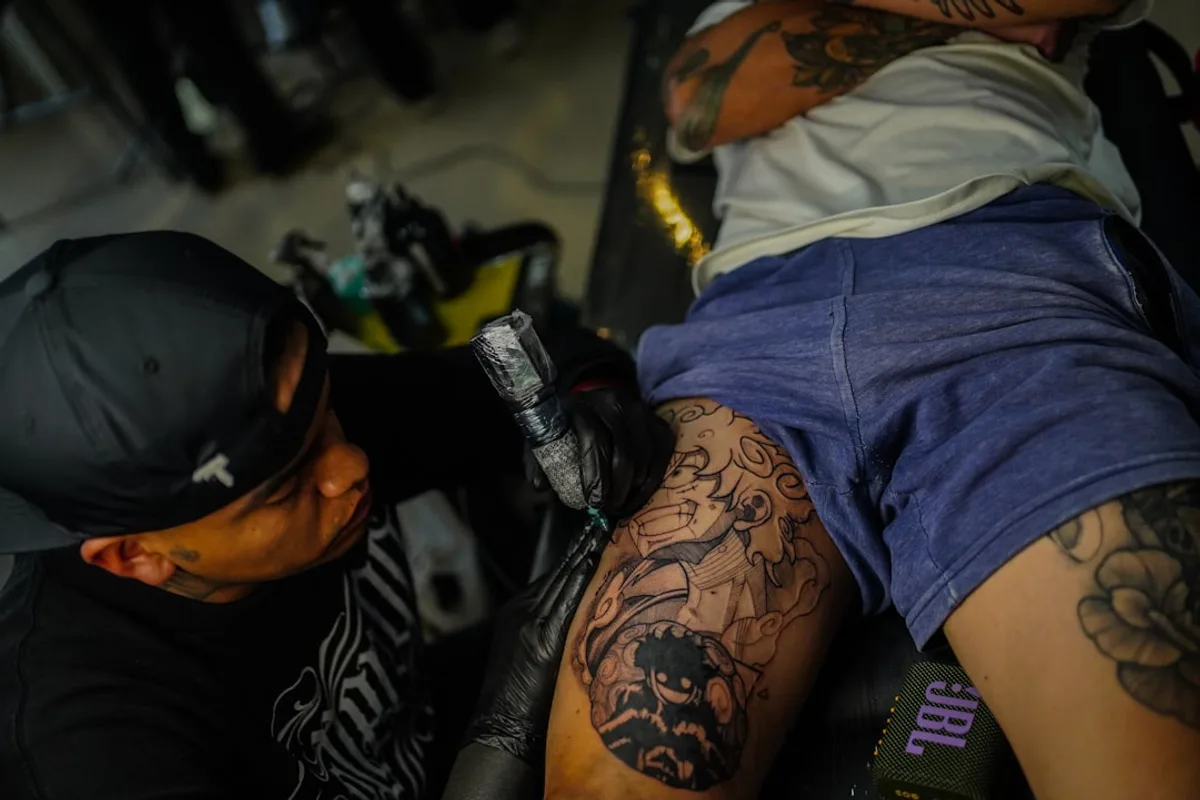
What if the technique behind a tattoo could change its entire look and feel? Tattoo techniques comparison reveals that choices like single needle vs. traditional shading significantly impact both style and execution. Some techniques, such as single needle tattoos, demand exceptional skill and precision, making them highly prized among collectors.
| Technique | Visual Characteristics | Practical Considerations |
|---|---|---|
| Single Needle | Fine lines, detailed work | Requires high skill, longer sessions |
| Traditional Shading | Bold lines, vibrant colors | Faster application, less precision |
| Stick and Poke | Simple, often monochrome | Manual process, more time-consuming |
| Hand-Tapping | Unique patterns, cultural significance | Traditional method, requires expertise |
How do you choose the right tattoo technique for your next piece? Evaluating tattoo techniques involves considering skill level, client comfort, and design complexity. Not all techniques are suitable for every design; understanding the strengths and weaknesses of each can lead to better outcomes.
| Criteria | Electric Tattoo Machines | Stick and Poke | Hand-Tapping |
|---|---|---|---|
| Skill Level | High | Moderate | Expert |
| Client Comfort | Moderate | High | Varies |
| Design Complexity | Complex | Simple | Detailed |
Artists often prefer electric machines for intricate designs, while stick and poke is favored for its simplicity and personal touch. Hand-tapping requires expertise but offers unique results. Let’s examine the visual differences in tattoo styles.
Visual Differences in Tattoo Styles
What if the style of your tattoo could tell a story of its own? Tattoo styles exhibit visual differences that are influenced by the techniques used. For instance, watercolor tattoos often push the boundaries of artistry with their fluid, vibrant appearance, contrasting sharply with the detailed precision of realism tattoos.
| Style | Technique | Client Preferences |
|---|---|---|
| Watercolor | Requires specific techniques that challenge traditional methods | Favored for artistic expression and color play |
| Realism | Focuses on intricate detail and shading | Preferred for lifelike representations |
Now, let’s consider the practical aspects of tattoo techniques, including pain, time, and cost.
Practical Considerations: Pain, Time, and Cost
What if the choice of technique could impact not just the look, but also the pain and cost of your tattoo? Tattoo pain levels, session duration, and costs vary widely. The perceived pain level can vary significantly based on the tattoo’s location on the body and the technique used, affecting client comfort.
| Technique | Pain Level | Average Duration | Cost Range |
|---|---|---|---|
| Electric Tattoo Machines | Moderate | 1-3 hours | $100-$300 |
| Stick and Poke | Varies | 2-5 hours | $50-$150 |
| Hand-Tapping | High | 3-6 hours | $200-$500 |
Clients often report that hand-tapping feels unique and carries cultural significance, despite its higher pain level. Now, let’s explore user experiences with various tattoo techniques.
User Experiences with Various Tattoo Techniques
What if the stories behind tattoos could reveal the true impact of different techniques? Tattoo user experiences often highlight the satisfaction and pain perceptions associated with methods like electric tattoo machines, stick and poke, and hand-tapping. Client testimonials on tattoos frequently mention that personal stories and motivations shape their choice of technique, significantly influencing their satisfaction post-tattoo. Feedback suggests that while electric machines are favored for precision, stick and poke offers a personal touch. Let’s dive into personal stories about choosing the right technique.
Personal Stories: Choosing the Right Technique
What if your tattoo choice could be a reflection of your most significant life moments? Many clients share personal tattoo stories where choosing tattoo techniques was deeply influenced by personal milestones. For instance, one client opted for a stick and poke method, recommended by their artist, to honor their cultural heritage.
Another individual chose the electric tattoo machine for its precision, marking a career achievement with intricate designs. These choices, often tied to significant life events, add emotional depth to their tattoos, enhancing overall satisfaction. Now, let’s summarize the key takeaways about popular tattoo techniques.
Lessons Learned from Different Tattoo Experiences
What if the right tattoo technique could transform not just your body art, but also your personal story? Throughout this article, we’ve explored various popular tattoo methods such as electric tattoo machines, stick and poke, and hand-tapping. Understanding these nuances can empower clients to make informed choices that resonate with their personal narratives.
For both clients and artists, recognizing the strengths and limitations of each technique is crucial. This knowledge not only enhances the tattoo experience but also ensures that the final artwork aligns with individual preferences and stories. Finally, let’s address some frequently asked questions about tattoo techniques and health considerations.
Key Takeaways About Popular Tattoo Techniques
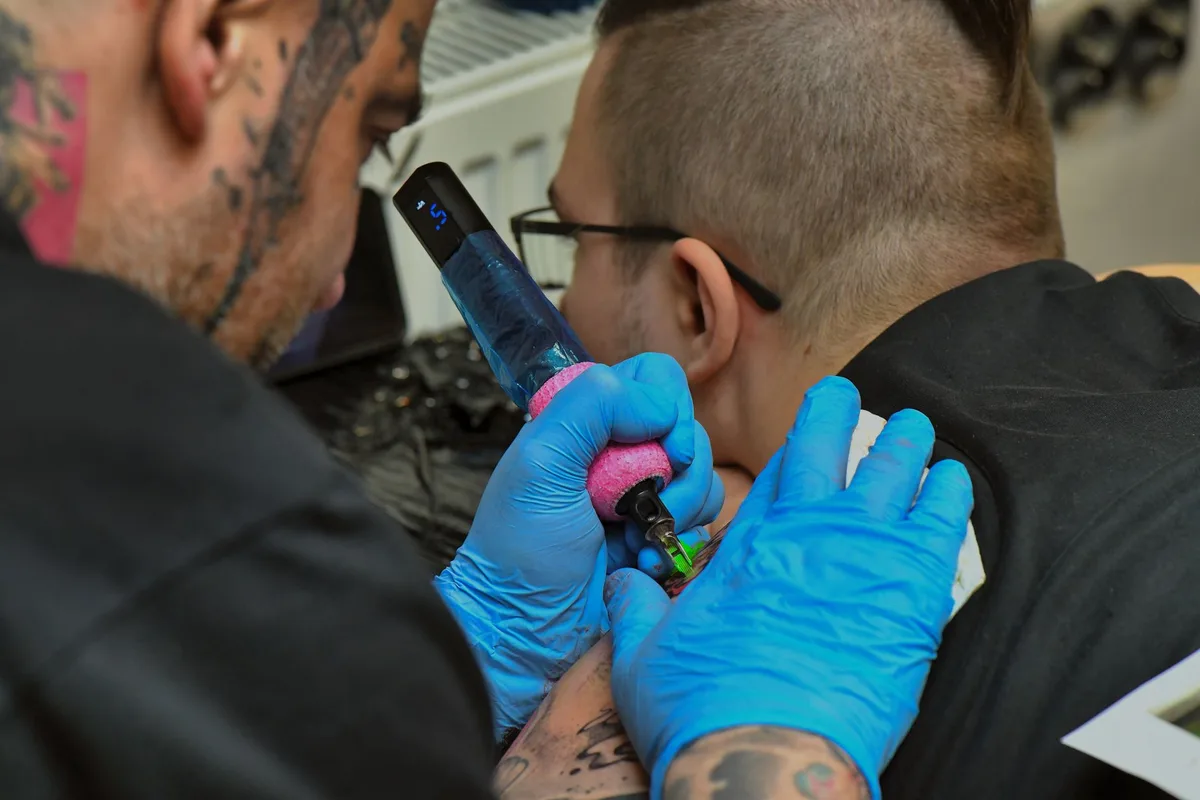
What questions do most people have when considering a tattoo? Let’s find out! Tattoo FAQs often revolve around safety, healing time, and technique comparisons. For instance, electric tattoo machines are quicker but may require more aftercare than traditional methods like stick and poke or hand-tapping. Safety is paramount, and it’s crucial to understand that certain health conditions can affect your tattoo experience, emphasizing the importance of personalized consultations with artists.
For further reading on tattoo safety and aftercare, visit Mayo Clinic. Book your consultation today to start designing your one-of-a-kind tattoo!
FAQs About Tattoo Techniques and Health Considerations
Could your health condition impact your choice of tattoo technique? Let’s explore.
Are certain tattoo techniques safer than others for individuals with health conditions?
Yes, certain techniques, like single needle tattoos, may be less traumatic to the skin, making them a safer option for individuals with sensitive skin or health issues. Stick and poke or hand-tapping methods might also offer gentler alternatives compared to electric tattoo machines.
To minimize tattoo risks for health conditions, ensure your tattoo artist follows safe tattooing practices, such as using sterilized equipment and high-quality inks. Always consult with professionals to discuss tattoo health considerations specific to your situation.
Book your consultation today to start designing your one-of-a-kind tattoo!
What Are the Most Popular Tattoo Techniques Today?
What if the tattoo you choose could be a reflection of the latest trends in body art? Popular tattoo techniques like watercolor and fine line tattoos have surged in popularity due to their unique aesthetics and versatility in design. Here’s a brief overview of trending tattoo styles:
- Watercolor Tattoos: Known for their vibrant colors and fluid forms, these tattoos mimic the appearance of watercolor paintings.
- Fine Line Tattoos: Favored for their precision and delicate lines, perfect for intricate designs.
- Electric Tattoo Machines: The standard for most artists, offering speed and consistency.
- Stick and Poke: A DIY method gaining traction for its simplicity and personal touch.
- Hand-Tapping: An ancient technique appreciated for its cultural significance and traditional appeal.
How Do Tattoo Techniques Affect Healing Time?
What if the technique you choose could determine how quickly your tattoo heals? Tattoo healing time is influenced by factors such as ink type and needle size. For instance, electric tattoo machines often result in a healing period of 2-3 weeks, while stick and poke or hand-tapping methods may take longer. Personalized tattoo aftercare and healing practices are crucial, as skin types and techniques affect recovery.
- Electric Machines: 2-3 weeks
- Stick and Poke: 3-4 weeks
- Hand-Tapping: 3-4 weeks
To speed up healing, keep the tattoo clean, moisturized, and avoid sun exposure. Tailor your aftercare to the technique used for optimal results.
Are Certain Techniques Safer Than Others?
Could your health condition influence the safety of your tattoo experience? Indeed, the safety of tattoo techniques varies, especially for those with autoimmune disorders. Research shows that certain techniques, such as stick and poke or hand-tapping, can be modified to accommodate health conditions, reducing risks. Experts recommend electric tattoo machines for sensitive skin, emphasizing sterile environments and experienced artists to ensure safe tattoo practices.
What Should I Consider When Choosing a Tattoo Technique?
What if the right questions could lead you to the perfect tattoo technique? When choosing tattoo techniques, consider your personal style, health, and the tattoo decision-making process. Consulting with your artist is crucial, as many clients overlook discussing their health history, which can significantly affect the tattooing process. Use the checklist below to evaluate your options:
- Personal style preferences
- Health considerations
- Technique options: electric machines, stick and poke, hand-tapping
- Artist consultation and experience
Leave a Reply