
What Makes Japanese Tattoos Essential
Why are Japanese tattoos considered a vital part of tattoo culture? The cultural significance of Japanese tattoos lies in their rich history and profound symbolism. Originating in the Edo period, these tattoos have evolved from ancient art forms to modern expressions embraced by diverse audiences worldwide.
Japanese tattoos, or Irezumi, have deep historical roots dating back to the Edo period (1603-1868). During this time, tattoos were not only decorative but also served as symbols of status and spirituality. However, they later became associated with the Yakuza, Japan’s organized crime syndicates, which led to a stigma surrounding them.
Despite their historical association with criminality, the cultural significance of Japanese tattoos has seen a resurgence. Today, they are admired for their intricate designs and are embraced by art collectors and fashion influencers alike. This shift in perception highlights the importance of Japanese tattoos in contemporary tattoo culture.
Modern tattoo enthusiasts are drawn to the traditional techniques of Irezumi and Tebori, which involve hand-poking methods that require exceptional skill. Popular designs, such as dragons, koi fish, and cherry blossoms, each carry unique meanings, adding to their allure.
Understanding the essential nature of Japanese tattoos sets the stage for exploring their diverse designs and styles.
Decoding Popular Japanese Tattoo Designs and Styles
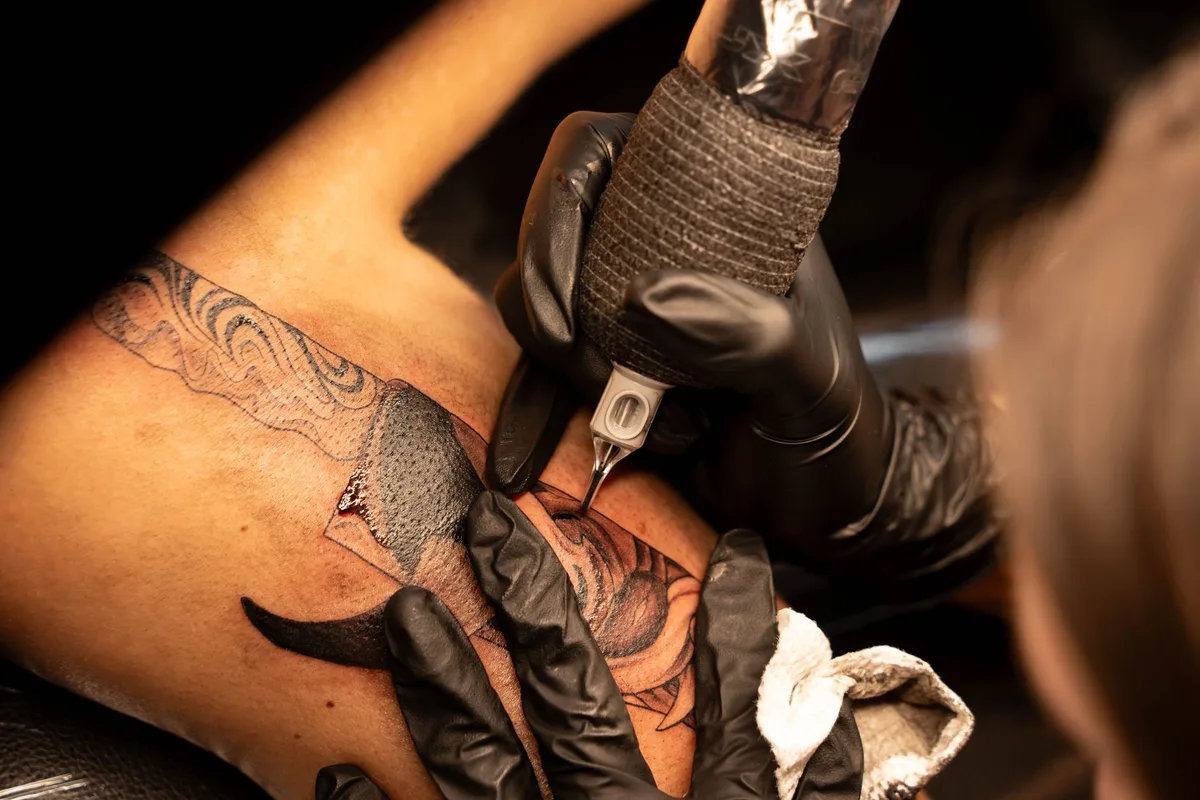
What stories do the intricate designs of Japanese tattoos tell? Among the most popular Japanese tattoo designs are the koi fish, cherry blossoms, and dragons, each rich with symbolism and cultural significance. The koi fish, often depicted swimming upstream, represents perseverance and strength, embodying the struggle to overcome adversity.
In contrast, cherry blossoms symbolize the fleeting nature of life, reflecting the Japanese appreciation for beauty in transience. These delicate flowers are often paired with other elements to enhance their meaning. Dragons, a staple in Japanese tattoo styles, signify wisdom, strength, and protection, often portrayed with fierce expressions and dynamic poses.
Regional variations in Japanese tattoo styles offer unique interpretations. For instance, tattoos from the Kanto region might exhibit bolder lines and more vibrant colors, while those from the Kansai area may feature softer shades and intricate details. Many Japanese tattoo designs are not just decorative; they often tell a story or convey a moral lesson, reflecting the values of Japanese culture.
Delving into the symbolism behind these designs will reveal deeper layers of meaning.
Symbolism Behind Common Motifs
Have you ever wondered what the koi fish or cherry blossoms represent in Japanese tattoos? The symbolism of koi fish tattoos is deeply rooted in Japanese folklore, where the fish is often depicted swimming upstream, symbolizing perseverance and strength. This reflects the journey of overcoming obstacles. Cherry blossoms, on the other hand, signify the fleeting nature of life, capturing beauty and transience.
Tigers are another popular motif, embodying courage and protection. Tattoo artists often interpret these symbols by blending traditional meanings with personal stories, creating unique designs. Next, we will explore the differences between traditional and modern styles of Japanese tattooing.
Differences Between Traditional and Modern Styles
How have Japanese tattoos evolved from their traditional roots to modern interpretations? Traditional Japanese tattoos, known as Irezumi, often cover large areas of the body with intricate designs. In contrast, modern styles, such as minimalist tattoos, focus on smaller, more discreet designs that appeal to a broader audience. Cultural shifts have influenced this evolution, with artists like Horiyoshi III blending traditional techniques with contemporary aesthetics. Understanding these styles leads us to the cultural significance that underpins Japanese tattooing.
Cultural Significance of Japanese Tattoos
What role do tattoos play in the evolving cultural landscape of Japan? Historically, tattoos in Japan were associated with the samurai as symbols of courage and loyalty. Over time, they became linked to the Yakuza, contributing to a societal stigma. Today, however, the cultural significance of tattoos in Japan is shifting. Despite historical stigma, tattoos are increasingly seen as a form of personal expression and art, particularly among younger generations in urban areas. Cultural events and festivals are further influencing this acceptance.
Next, we will delve into the traditional techniques that define Japanese tattooing.
Traditional Techniques: Irezumi and Tebori in Japanese Tattooing
What makes traditional Japanese tattooing techniques so unique and revered? At the heart of this art form are the techniques of Irezumi and Tebori, each with deep historical roots. Irezumi, often associated with full-body tattoos, is a traditional method that requires extensive skill and is considered a rite of passage for tattoo artists in Japan.
The tools used in these techniques are as distinctive as the tattoos themselves. Tebori involves hand-poked tattoos, using a wooden or metal stick with needles attached, while Irezumi artists traditionally use hand-forged needles. The ink, known as Nara ink, is specially crafted to age beautifully over time, enhancing the tattoo’s depth and vibrancy.
The artistry required in these traditional methods is immense. Artists must possess a keen eye for detail and a steady hand to create the intricate designs that characterize Japanese tattoos. This skill is honed over years of practice, making it a revered craft.
Understanding Irezumi leads us to explore the specific history and practice of this art form. For more on the cultural significance of Japanese tattoos, visit Smithsonian Magazine.
The Art of Irezumi: History and Practice
What stories are etched into the skin through the art of Irezumi? This traditional Japanese tattooing method has deep roots in Japan’s history, symbolizing both cultural identity and personal expression. Originating centuries ago, Irezumi was often associated with spirituality and status. The process of creating an Irezumi tattoo is meticulous, involving vibrant colors and intricate designs that can take years to complete, reflecting immense dedication.
Notable practitioners like Horiyoshi III have elevated Irezumi, blending traditional motifs with modern artistry. Next, we’ll explore Tebori, the hand-poked technique that offers a different experience.
Tebori: The Hand-Poked Technique
Why is the Tebori technique celebrated among tattoo artists and enthusiasts alike? This traditional Japanese method involves hand-poking tattoos using a special tool called a nomi, which allows for precise ink placement. Tebori tattoos are renowned for their depth and skin interaction, creating a more organic and textured finish. Clients often praise the artistry and longevity of Tebori tattoos, noting the unique experience and results compared to machine techniques.
Comparing Tebori to machine techniques reveals the diverse approaches within Japanese tattooing.
Comparing Machine and Hand Techniques
Which tattooing method reigns supreme: machine or hand-poked techniques? In the realm of Japanese tattooing, both methods offer distinct experiences and results. Here’s a comparison of the two:
| Aspect | Machine Tattoos | Hand-Poked (Tebori) Tattoos |
|---|---|---|
| Pain | Generally more painful | Less painful |
| Healing | Standard healing time | Heals better, less scarring |
| Final Appearance | Consistent lines | Vibrant over time |
Artists who practice both techniques note that while machine tattoos are faster, Tebori tattoos often yield a more vibrant and enduring result. Statistics reveal a growing preference for Tebori among clients seeking traditional Japanese tattoo techniques. Next, we will uncover unique Japanese tattoo motifs that go beyond the well-known designs.
Unique Japanese Tattoo Motifs You Should Know
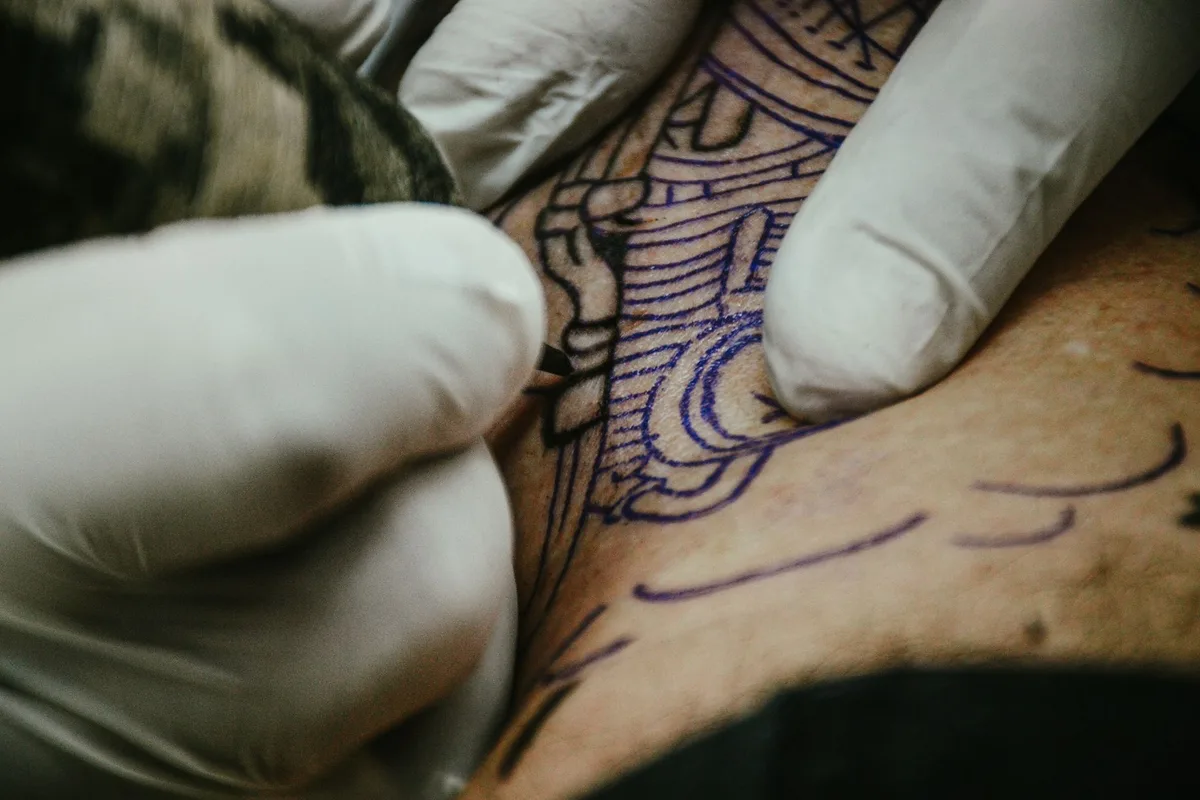
What hidden meanings lie within the lesser-known motifs of Japanese tattoos? Among the myriad of designs, the peony, phoenix, and wave patterns stand out for their rich symbolism and historical depth. The peony, often referred to as the ‘king of flowers,’ symbolizes wealth and good fortune, making it a popular choice for those seeking prosperity in life.
The phoenix tattoo significance stems from its representation of rebirth and immortality. This mythical bird, known for rising from its ashes, is a powerful emblem of transformation and resilience. Meanwhile, wave patterns capture the dynamic and unpredictable nature of the sea, symbolizing strength and life’s constant ebb and flow.
These unique Japanese tattoo motifs can be personalized in custom designs, allowing individuals to express personal stories and aspirations. For instance, a peony can be intertwined with other elements to enhance its meaning, while a phoenix can be depicted in vibrant colors to emphasize its fiery rebirth.
Next, we will explore the etiquette surrounding tattoos in Japan, especially for travelers.
Rare Floral Designs and Their Meanings
What stories do rare floral designs tell in the world of Japanese tattoos? The chrysanthemum is a revered symbol of the imperial family, embodying longevity and rejuvenation. Meanwhile, the lotus flower, often associated with purity and enlightenment, represents the journey from adversity to beauty. These rare floral Japanese tattoos are skillfully integrated into larger compositions, adding depth and meaning.
Artists like Hori Toshi and Shige specialize in these intricate designs. Following our exploration of floral designs, we will look at animal motifs beyond the typical representations.
Animal Motifs Beyond Dragons and Koi
What deeper meanings do animal motifs convey in the realm of Japanese tattoos? Beyond the iconic dragons and koi, motifs like the crane, lion, and turtle hold profound significance. The crane, often seen as a symbol of longevity and good fortune, is frequently chosen for tattoos celebrating life milestones or personal achievements. Meanwhile, the lion embodies courage and strength, making it a popular choice among those seeking empowerment.
Tattoo artists often share anecdotes of clients choosing these motifs for their rich cultural symbolism. The turtle, representing wisdom and perseverance, is another cherished design. These motifs have gained popularity in contemporary tattoo culture, offering a deeper connection to Japanese heritage.
Next, we will navigate the etiquette and best practices for getting tattoos in Japan.
Navigating Tattoo Etiquette and Choosing Artists in Japan
What unwritten rules should tattoo enthusiasts follow when visiting Japan? Understanding tattoo etiquette in Japan is crucial due to the country’s unique cultural norms surrounding tattoos. Historically associated with the Yakuza, tattoos can still carry a stigma, influencing public perception.
- Respect Cultural Norms: Be aware that tattoos may be viewed negatively in certain settings. It’s essential to cover tattoos when visiting traditional or formal places.
- Be Mindful in Public Spaces: In some onsen (hot springs), visible tattoos can lead to exclusion. Seek out tattoo-friendly establishments to avoid discomfort.
- Communicate Clearly: When interacting with locals, be prepared to explain your tattoos, as curiosity is common. A respectful approach can ease social interactions.
Traveling with tattoos in Japan requires sensitivity to local customs. By following these guidelines, you can navigate social situations smoothly. With a grasp of etiquette, we can now focus on how to select the right tattoo artist in Japan.
Understanding Japanese Tattoo Etiquette
How can you ensure your tattoo experience in Japan is both rewarding and respectful? Choosing a tattoo artist in Japan requires careful consideration. Follow these steps to find the best match:
- Research Japanese tattoo artist portfolios to understand their style and expertise.
- Select an artist who respects traditional techniques like Irezumi and Tebori, honoring the cultural significance of the art form.
- Communicate your design ideas clearly, ensuring they align with the artist’s ethical standards and cultural respect.
Many renowned Japanese tattoo artists maintain a strict code of ethics, often refusing to tattoo designs they feel do not honor the cultural significance of the art form. Next, we will prepare readers for their tattoo session, ensuring they know what to expect.
Selecting the Right Tattoo Artist in Japan
Are you ready for your tattoo session? Here’s how to prepare effectively!
- Mental Preparation: Being mentally prepared can significantly reduce anxiety, allowing you to enjoy the experience and communicate effectively with your artist.
- Physical Readiness: Ensure you are well-hydrated, nourished, and rested before your appointment. This helps your body handle the tattooing process better.
- What to Expect: During tattooing, expect some discomfort. Relax, breathe deeply, and trust your artist to guide you through the process.
With preparation in mind, we can address some frequently asked questions about Japanese tattoos.
Preparing for Your Tattoo Session
Is getting a Japanese tattoo as painful as it sounds? Let’s find out!
- Pain Level of Japanese Tattoos: Traditional techniques like Tebori can be intense, but many clients describe the process as meditative. Pain tolerance varies widely, so individual experiences differ.
- Aftercare for Japanese Tattoos: Proper healing is crucial. Keep the tattoo clean and moisturized, and avoid direct sunlight. Follow your artist’s specific aftercare instructions for the best results.
- Tattoo Pain Experience: While some report discomfort, others find the rhythmic nature of traditional methods soothing. Listening to your body and communicating with your artist can enhance the experience.
Next, we will explore the time commitment involved in traditional Japanese tattoos.
FAQs About Japanese Tattoos

Are you prepared for the time investment that comes with traditional Japanese tattoos? The duration of Japanese tattoos varies widely. Large-scale designs, such as full-body suits, can take years to complete due to their intricate details and traditional techniques like Irezumi and Tebori. Next, we will discuss the costs associated with getting a Japanese tattoo.
Are Japanese Tattoos Painful to Get?
How much should you expect to invest in a Japanese tattoo? Let’s break it down! The cost of Japanese tattoos varies significantly based on several factors, including size, detail, and the artist’s experience. Smaller tattoos might start at a few hundred dollars, while intricate full-body pieces can reach into the thousands, reflecting the skill and time required.
| Type of Tattoo | Average Cost |
|---|---|
| Small Piece | $200 – $500 |
| Half Sleeve | $1,000 – $2,500 |
| Full Sleeve | $2,500 – $6,000 |
When budgeting for tattoos, consider potential touch-ups and aftercare, which are crucial for maintaining the tattoo’s vibrancy. For more on tattoo pricing in Japan, check out Tattoo.com.How Long Do Traditional Japanese Tattoos Take?
Are there any restrictions on who can get a Japanese tattoo? Let’s explore the nuances! In Japan, cultural considerations play a significant role in determining who can receive a traditional tattoo. While tattoos are increasingly accepted, some traditional artists may still prefer to tattoo only those who respect the cultural significance of the art form. Generally, individuals must be of legal age, typically 20 years old, to get a tattoo in Japan.
Legal restrictions may also apply, particularly concerning health conditions like skin disorders, which could affect the tattooing process. Foreign clients are usually welcomed, but it’s crucial to approach the experience with respect and understanding of the cultural heritage. Tattoo restrictions in Japan can vary, so it’s advisable to research and consult with artists beforehand.
Next, we will cover essential information to know before getting a Japanese tattoo.
What is the Cost of Getting a Japanese Tattoo?
How much should you expect to invest in a Japanese tattoo? Let’s break it down! The cost of Japanese tattoos varies significantly based on several factors. The size and detail of the piece play a crucial role, as does the experience and reputation of the tattoo artist. Smaller tattoos can start at a few hundred dollars, while intricate full-body pieces can reach into the thousands, reflecting the skill and time required.
| Type of Tattoo | Average Cost Range |
|---|---|
| Small Piece | $200 – $500 |
| Half Sleeve | $1,000 – $3,000 |
| Full Sleeve | $3,000 – $6,000 |
When budgeting for tattoos, it’s essential to consider potential touch-ups and aftercare, which can add to the overall expense. Finally, we will address who can get a Japanese tattoo and any restrictions that may apply.
Can Anyone Get a Japanese Tattoo?
Are there any restrictions on who can get a Japanese tattoo? Let’s explore the nuances! While tattoos are increasingly accepted, cultural considerations for tattoos remain significant in Japan. Generally, anyone over the legal age of 18 can get a tattoo, but societal perceptions may vary. Traditional artists often prefer clients who respect the cultural significance of the art form.
Legal tattoo restrictions in Japan are minimal, yet health considerations, such as skin conditions, must be taken into account. Foreign clients are usually welcomed, though it’s essential to approach the process with understanding and respect for Japanese customs.
While the tattoo community in Japan is open to diverse clientele, some traditionalists may still prioritize cultural appreciation over mere aesthetics. Next, we will cover essential information to know before getting a Japanese tattoo.
What Should I Know Before Getting a Japanese Tattoo?
Are you ready to take the plunge into the world of Japanese tattoos? Here’s what you need to know first!
- Design and Meaning: Choose a design that resonates with you and understand its cultural significance. This can deepen your connection to the tattoo.
- Placement: Consider where you want the tattoo on your body, as some designs may be better suited for specific areas.
- Artist Selection: Research artists skilled in traditional techniques like Irezumi and Tebori to ensure authenticity and quality.
- Cultural Respect: Respect the traditions and meanings behind Japanese tattoos to honor their cultural heritage.
- Aftercare and Maintenance: Follow proper aftercare instructions to maintain the tattoo’s vibrancy and detail over time.
By preparing thoroughly and respecting the cultural aspects, you can enhance your overall experience with a Japanese tattoo.
Key Takeaways About Japanese Tattoos
What lasting impressions do Japanese tattoos leave on those who wear them? The answer lies in their profound cultural and artistic significance. Japanese tattoos are not just body art; they are a rich tapestry of culture, history, and personal expression that continues to evolve. From the intricate designs of dragons and koi fish to the traditional techniques of Irezumi and Tebori, each tattoo tells a unique story steeped in symbolism and tradition.
One of the key takeaways about Japanese tattoos is their deep-rooted connection to Japanese culture. These tattoos often depict elements from nature, folklore, and mythology, serving as a bridge between the past and present. The artistry involved in creating these designs is a testament to the skill and dedication of tattoo artists who honor these traditions.
As you consider embarking on your own tattoo journey, it is essential to approach it with respect and understanding. Exploring the meanings behind popular designs and learning about the traditional methods can enhance your appreciation for this art form. For those interested in further reading or finding skilled tattoo artists, numerous resources are available online to guide you.
In conclusion, the importance of Japanese tattoos extends beyond aesthetics; they embody a legacy of cultural heritage and personal storytelling. Book your consultation today to start designing your one-of-a-kind tattoo and become part of this enduring tradition.
Leave a Reply