
How Comparative Analysis of Body Art Styles Are Changing the Tattoo Landscape
Have you ever wondered how different body art styles influence each other and shape the tattoo landscape? Comparative analysis is playing a pivotal role in this transformation by examining the evolution of body art styles and their impact on tattoo trends today.
Body art styles have evolved significantly over time, reflecting cultural shifts and technological advancements. From traditional tribal designs to modern geometric patterns, each style carries its own unique aesthetic and cultural narrative. By comparing these styles, we gain insights into how they influence current tattoo trends and the broader art scene.
Comparative analysis not only highlights aesthetic differences but also reveals the deeper cultural narratives behind each body art style. For instance, the resurgence of traditional tattoos often mirrors a cultural shift towards valuing heritage and authenticity. Meanwhile, the rise of watercolor tattoos showcases advancements in tattooing techniques and a growing appreciation for artistic expression.
Understanding these trends through comparative analysis helps tattoo artists and enthusiasts appreciate the rich tapestry of influences shaping the modern tattoo landscape. Now, let’s delve deeper into the major body art styles that are making waves in the tattoo community.
In-Depth Look at Major Body Art Styles: Portraits, Watercolor, and More
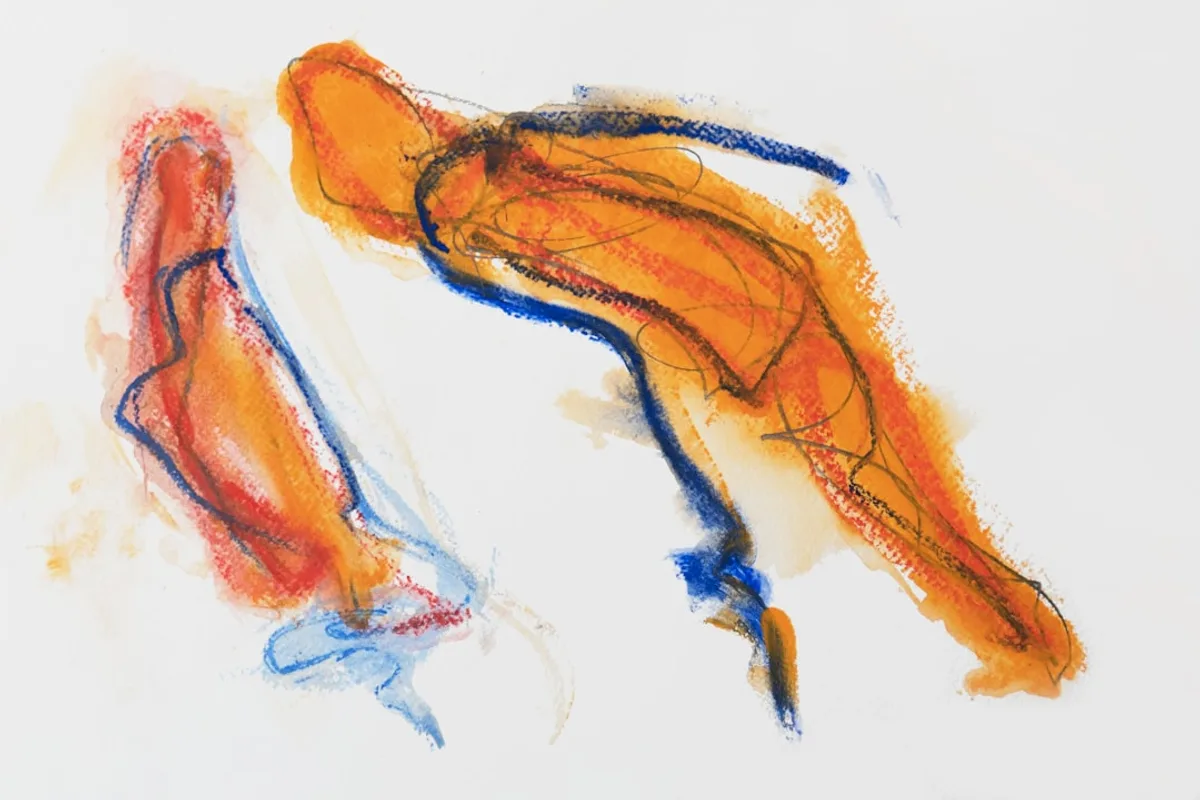
From lifelike portraits to vibrant watercolor designs, the world of body art is as diverse as it is fascinating. Major tattoo styles each offer unique characteristics that appeal to different client preferences. Portrait tattoos are renowned for their detailed, realistic representation of faces and figures, often requiring a skilled artist to capture the essence of the subject.
Watercolor tattoos are gaining popularity due to their ability to mimic the fluidity of paint, offering a fresh alternative to traditional ink designs. These tattoos are characterized by their vibrant colors and lack of outlines, creating a soft, artistic look.
Traditional tattoos, with bold lines and limited color palettes, remain a classic choice, appreciated for their timeless appeal and historical significance.
Next, we will take a closer look at the intricacies of Portraits and Realism in tattoo art.
Portraits and Realism: Capturing Lifelike Details
Can a tattoo truly capture the essence of a person? The art of portrait tattoos aims to do just that. Tattoo artists for portraits, like Nikko Hurtado, utilize techniques such as shading, layering, and detailed line work to create realistic portrait tattoos. These methods, combined with psychological insight, convey the subject’s personality and essence.
Case studies of successful portrait tattoos often reveal stunning transformations, highlighting the artist’s skill in capturing lifelike details and emotions. Now, let’s explore the vibrant world of Watercolor tattoos and their creative possibilities.
Watercolor Tattoos: A Splash of Color and Creativity
Imagine a tattoo that looks like a painting on your skin—welcome to the world of Watercolor tattoos! These tattoos use techniques like ink blending and brushstroke effects to create vibrant, fluid designs. Popular among younger clients, Watercolor tattoos often symbolize freedom and self-expression, reflecting the artist’s creative process rather than strict adherence to design.
Common designs include floral patterns, animals, and abstract art, each carrying unique interpretations. For example, a watercolor butterfly may represent transformation and growth. Next, we will examine the enduring appeal of Traditional and Neo-Traditional tattoo styles.
Traditional and Neo-Traditional Styles: Honoring the Classics
Traditional tattoos tell stories of the past, but how do Neo-Traditional styles breathe new life into these narratives? Traditional tattoo styles, known for bold lines and limited color palettes, focus on themes like nautical symbols and pin-up figures. Neo-Traditional tattoos incorporate modern elements, using a wider range of colors and intricate line work, while respecting the historical significance of tattoos.
Iconic examples include the classic anchor or swallow, which Neo-Traditional artists reinterpret with vibrant hues and detailed shading. This evolution creates a bridge between past and present, honoring the roots of body art.
Now, let’s uncover the cultural influences that shape these diverse body art styles.
Cultural Influences and Techniques in Body Art Styles
What stories do tattoos tell about the cultures they originate from? Let’s explore the rich tapestry of cultural influences in body art. Across the globe, tattoos hold deep cultural significance, often serving as rites of passage or symbols of status. In tribal societies, tattoos are more than decorative; they are integral to identity and heritage. For instance, Maori tattoos, known as ta moko, convey ancestry and social standing.
Japanese tattoos, or irezumi, are renowned for their intricate designs and historical roots, often depicting mythical creatures and deities. However, the rise of cultural appropriation in contemporary tattoo practices raises questions about respect and authenticity. Understanding these influences helps us appreciate the profound meanings embedded in different styles.
Next, we will delve into the techniques that have been passed down through generations in tattooing.
Cultural Roots: How History Shapes Tattoo Art
Ever wondered how ancient tattooing techniques influence today’s art? Let’s uncover the history behind the ink. In Polynesian cultures, tattoos were a rite of passage, using hand-poked tattoos to create intricate patterns. Similarly, Japanese Irezumi has preserved traditional methods. These historical tattoo techniques continue to shape modern styles, as clients seek authenticity and tradition in their body art.
Now, let’s explore how these cultural styles have adapted to modern trends.
Techniques Passed Through Generations
How do artists breathe new life into ancient techniques? The answer lies in the innovative adaptations of cultural styles. Modern adaptations of tattoos showcase a fusion of traditional methods with contemporary designs. Artists like Horiyoshi III and Chaim Machlev are blending traditional Japanese and geometric styles, respectively, with modern aesthetics to create unique hybrid designs.
These contemporary tattoo innovations respect cultural roots while introducing fresh perspectives. By merging old and new, artists honor tradition and push creative boundaries. Next, we will conduct a comparative analysis of lesser-known body art styles.
Modern Adaptations of Cultural Styles
While portraits and watercolor tattoos steal the spotlight, what hidden gems lie in the world of body art? Lesser-known tattoo styles like tribal tattoos and Japanese tattoo art are gaining popularity as clients seek more personalized and culturally rich designs. These styles offer unique characteristics, such as intricate patterns and symbolic meanings.
Tribal tattoos, for instance, hold deep cultural significance, often representing heritage and identity. Japanese tattoos, with their vibrant colors and storytelling elements, captivate enthusiasts looking for a blend of tradition and modernity.
Let’s dive deeper into the precision and beauty of Geometric and Ornamental tattoos.
Comparative Analysis of Lesser-Known Body Art Styles
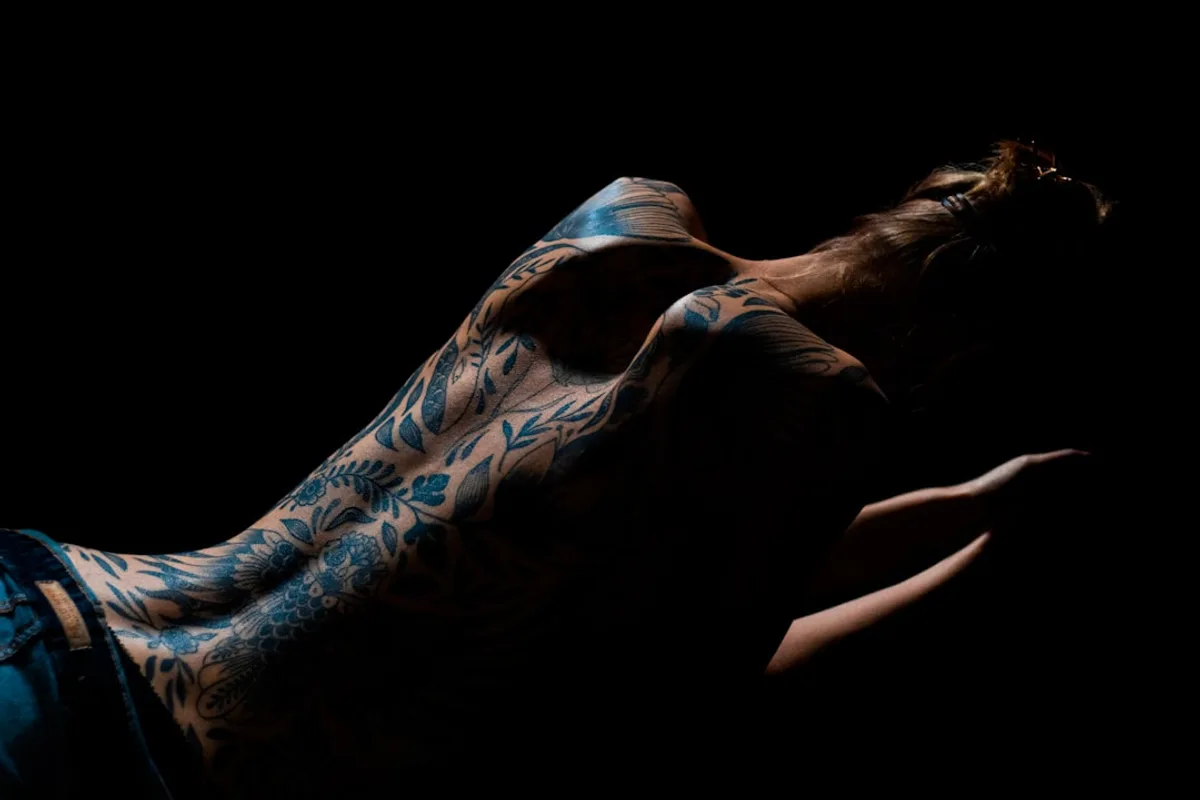
While portraits and watercolor tattoos steal the spotlight, what hidden gems lie in the world of body art? Lesser-known tattoo styles offer unique characteristics that captivate enthusiasts seeking personalized and culturally rich designs. Styles such as tribal tattoos and Japanese tattoo art are gaining popularity for their intricate patterns and deep cultural significance.
| Style | Characteristics | Visual Examples |
|---|---|---|
| Tribal Tattoos | Bold, black lines with cultural significance | View Examples |
| Japanese Tattoos | Colorful, detailed designs often depicting mythical creatures | View Examples |
These styles are increasingly favored by those looking to express their identity through body art. Let’s dive deeper into the precision and beauty of Geometric and Ornamental tattoos.
Geometric and Ornamental: Precision and Symmetry
What happens when art meets mathematics? The answer lies in the captivating world of Geometric and Ornamental tattoos. Known for their mathematical precision and aesthetic appeal, these styles feature intricate patterns that symbolize balance and harmony. Geometric tattoo designs often reflect sacred geometry and its connection to nature, while ornamental tattoo significance is rooted in cultural symbolism.
| Style | Unique Features | Notable Artists |
|---|---|---|
| Geometric | Mathematical precision, balance, sacred geometry | Chaim Machlev, Roxx |
| Ornamental | Aesthetic appeal, cultural symbolism | Guy Le Tatooer, Kenji Alucky |
Next, we will break down the innovative and boundary-pushing styles of Abstract and Avant-Garde tattoos.
Abstract and Avant-Garde Styles: Breaking the Mold
What if a tattoo could express feelings rather than images? Welcome to the world of Abstract and Avant-Garde tattoos. These styles defy traditional norms, focusing on emotional expression over representational accuracy. This unique approach encourages personal expression in tattoos, allowing for a deeply personal connection to the art.
| Style | Characteristics | Notable Artists |
|---|---|---|
| Abstract | Emphasizes emotion and personal connection | Artist 1 |
| Avant-Garde | Challenges traditional norms with unconventional techniques | Artist 2 |
Now, let’s explore the simplicity and elegance of Blackwork and Dotwork tattoos.
Blackwork and Dotwork: The Art of Simplicity
In a world of color and complexity, what makes Blackwork and Dotwork tattoos stand out? These minimalist tattoo styles focus on bold simplicity and intricate detail. Blackwork tattoo designs utilize negative space to create striking, yet non-overwhelming visuals. Dotwork tattoo techniques employ meticulous dot patterns to form detailed images.
| Style | Defining Features | Notable Artists |
|---|---|---|
| Blackwork | Bold lines, strategic use of negative space | Artist 1 |
| Dotwork | Intricate dot patterns, detailed imagery | Artist 2 |
Next, we will discuss the healing process associated with different tattoo styles.
The Healing Process Across Different Tattoo Styles
What happens to your skin after getting inked? Understanding the healing process is crucial for every tattoo enthusiast. Generally, the tattoo healing process involves several stages: initial inflammation, scabbing, and eventual peeling, typically spanning two to four weeks. However, the healing time for different tattoo styles can vary significantly.
Styles with darker inks, such as traditional or black and grey tattoos, may take longer to heal due to increased skin trauma during application. Conversely, watercolor tattoos, which use less ink saturation, might heal more quickly. Proper aftercare for tattoos is essential to ensure optimal healing. For heavily saturated styles, moisturizing and avoiding sun exposure are critical.
To maintain vibrant colors and prevent infection, follow artist-recommended aftercare practices tailored to your specific tattoo style. Now, let’s explore the factors that can affect healing time for tattoos.
Factors Affecting Healing Time for Tattoos
Did you know that your lifestyle choices can impact how quickly your tattoo heals? Let’s explore the key factors involved. Skin type, tattoo size, and placement are significant factors affecting tattoo healing time. Additionally, hydration levels can significantly affect the healing process; clients who maintain optimal hydration often experience faster recovery times. Nutrition also plays a crucial role in tattoo recovery.
Experts recommend a balanced diet rich in vitamins and minerals to promote efficient healing. Proper hydration and nutrition can help ensure your tattoo heals smoothly and quickly. Next, we will share essential healing tips tailored to different tattoo styles.
Healing Tips for Different Styles
What if the secret to a beautiful tattoo lies in the aftercare? Let’s uncover the best practices for healing your new ink. Proper tattoo aftercare tips are crucial, regardless of style. For instance, hydration is key; using fragrance-free moisturizers can significantly reduce irritation and promote healing across all tattoo styles.
Another essential tip is sun protection. Keeping your tattoo shielded from the sun prevents fading and helps maintain vibrant colors. A common misconception is that all tattoos heal the same way; however, styles like watercolor require extra moisture to prevent cracking.
Experts recommend products like Aquaphor or Hustle Butter for their soothing properties. Now, let’s address some common healing challenges and their solutions.
Common Healing Challenges and Solutions
What if your tattoo healing experience could be smoother? Let’s tackle the common challenges and how to overcome them. Many clients underestimate the importance of following aftercare instructions, leading to avoidable complications during the healing process. Common tattoo healing issues include itching, scabbing, and fading.
- Itching: Resist scratching and apply a recommended moisturizer to soothe the skin.
- Scabbing: Allow scabs to fall off naturally to prevent ink loss.
- Fading: Protect your tattoo from direct sunlight and keep it hydrated.
Seek professional help for tattoos if you notice signs of infection or severe discomfort. Next, we will answer frequently asked questions about body art styles and techniques.
FAQs About Body Art Styles and Techniques
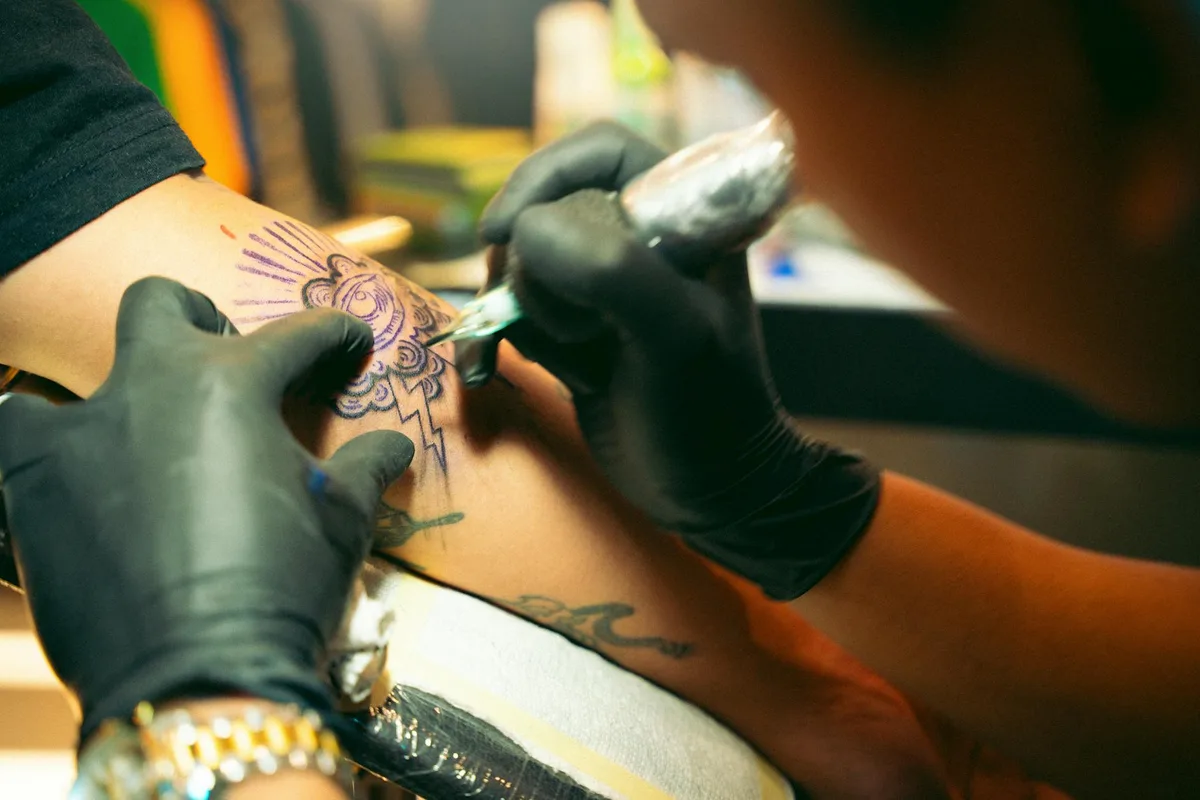
Curious about the world of body art? Here are the most common questions asked by tattoo enthusiasts just like you.
-
What is the most popular body art style?
Traditional tattoos remain popular due to their bold lines and vibrant colors.
-
How important is research before getting a tattoo?
Research and consultation are crucial for a satisfying tattoo experience, especially for first-time clients.
-
Are there any emerging trends in tattoo techniques?
Watercolor tattoos are gaining popularity for their unique, painterly look.
-
What are common misconceptions about tattoos?
Many believe tattoos are permanent, but they can fade over time without proper care.
Now, let’s summarize the key takeaways from our comparative analysis of body art styles.
What Are the Most Popular Body Art Styles Today?
Body art has evolved into a diverse tapestry of styles, each offering unique expressions. Among the most popular are traditional tattoos, known for their bold lines and vibrant colors, and black and grey tattoos, which use shading to create depth. Watercolor tattoos mimic the fluidity of paint, while geometric tattoos focus on symmetry and precision. Portrait tattoos capture lifelike images, often of loved ones or celebrities. For more insights into these styles, visit Tattoodo.
How Do I Choose the Right Style for My Tattoo?
Choosing the right tattoo style involves understanding your personal aesthetic and the message you want to convey. Consider styles like portraits for realistic depictions or watercolor for a splash of color. Black and grey offers a classic, timeless look, while geometric designs provide a modern, abstract feel. Traditional tattoos are known for bold lines and vibrant colors.
- Reflect on the tattoo’s meaning and how each style represents it.
- Consult with artists who specialize in your preferred style.
- Consider the healing process, as intricate designs may require more care.
What Techniques Are Used in Watercolor Tattoos?
Watercolor tattoos employ a unique set of techniques that mimic the fluidity and translucence of watercolor paintings. Artists often use a combination of diluted inks and a layering method to achieve the desired effect. Unlike traditional tattoos, watercolor styles typically lack bold outlines, allowing colors to blend seamlessly. The technique involves careful shading and gradient work to create a soft, ethereal appearance. Additionally, artists may use a splatter or brushstroke effect to enhance the painterly quality. These methods require precision and skill to ensure the tattoo maintains its vibrancy and clarity over time.
How Long Does It Take for a Tattoo to Heal?
The healing time for a tattoo typically ranges from 2 to 4 weeks, depending on various factors such as size, style, and placement on the body. Styles like watercolor and geometric tattoos may require more attention due to their intricate designs. Proper aftercare is crucial to ensure optimal healing and to prevent infections. This includes keeping the tattoo clean and moisturized, avoiding direct sunlight, and refraining from scratching. Each body art style may have specific aftercare recommendations, so it’s important to follow the advice of your tattoo artist for the best results.
Are Certain Styles More Painful to Get Than Others?
The pain level experienced during a tattoo session can vary significantly depending on the style. For instance, geometric tattoos often involve intricate line work, which can be more painful due to repetitive needle strokes. Watercolor tattoos, known for their softer shading, might be less painful but require longer sessions. Traditional styles use bold lines and solid colors, potentially increasing discomfort. Meanwhile, black and grey tattoos typically involve less pain due to their shading techniques. Ultimately, the pain also depends on the tattoo’s placement and the individual’s pain tolerance.
Key Takeaways About Comparative Analysis of Body Art Styles
What have we learned about the world of body art? Let’s recap the most important insights from our exploration. Understanding the nuances of different body art styles can empower clients to make informed choices that resonate with their personal stories. Throughout this article, we’ve delved into various styles such as Portraits, Watercolor, Black and Grey, Geometric, and Traditional, each offering unique ways to express individuality and cultural heritage.
The cultural significance and personal expression aspects of tattoos cannot be overstated. Tattoos serve as a canvas for storytelling, allowing individuals to wear their experiences and beliefs on their skin. By exploring tattoo designs and consulting with skilled artists, you can create a piece that is truly your own.
Ultimately, the key takeaway is the importance of understanding body art styles to ensure your tattoo reflects your personal journey. Book your consultation today to start designing your one-of-a-kind tattoo! Embrace the opportunity to explore various styles and collaborate with artists who can bring your vision to life.
Leave a Reply