
1/3 Rule Tattoo: Key Facts and Impact
Have you ever wondered how some tattoos seem to capture your attention instantly? The secret often lies in the 1/3 rule tattoo design, a principle that guides tattoo composition techniques by dividing the design into thirds. This approach ensures balance in tattoo art, creating a focal point that draws the eye.
The 1/3 rule aids artists in achieving harmony and focus, crucial for both the immediate impact and the long-term perception of the tattoo. Notable examples include the works of Kat Von D and Horiyoshi III, whose tattoos exemplify this principle through intricate details and balanced compositions.
Understanding this rule sets the stage for exploring how to master it in tattoo art.
Design Mastery: Enhancing Tattoo Art with the 1/3 Rule
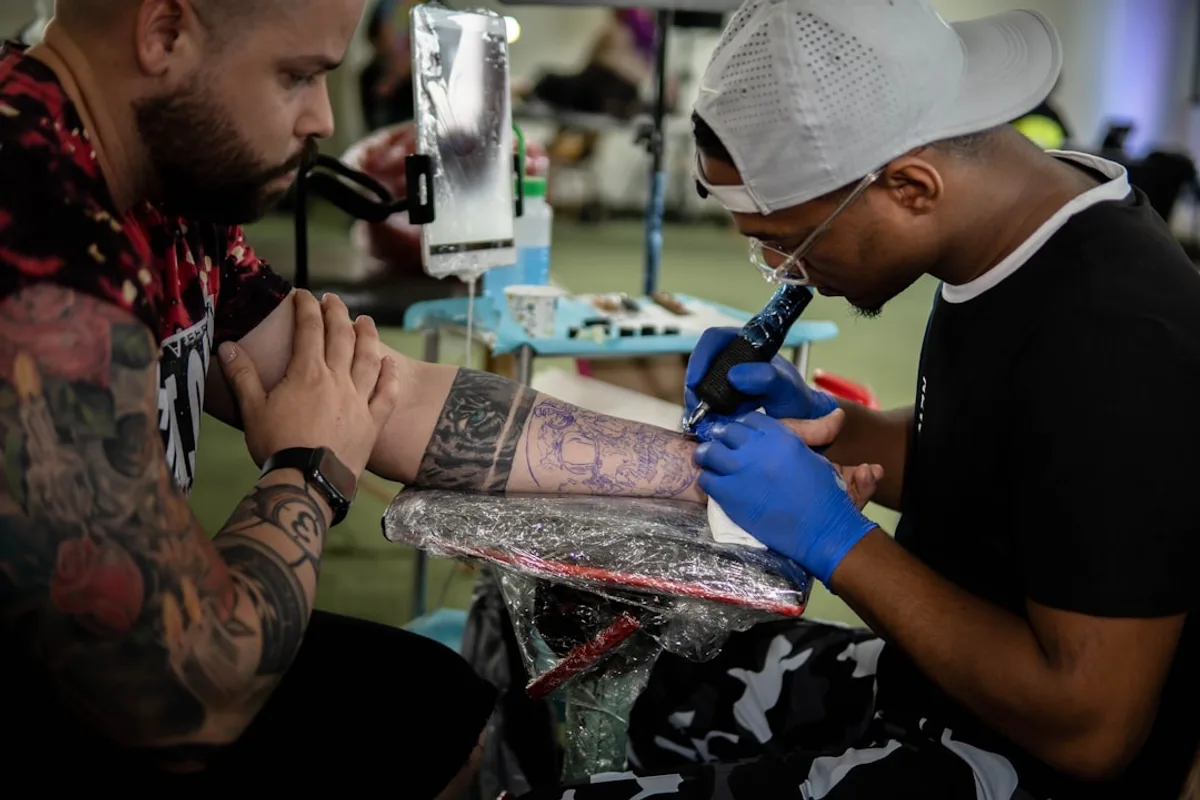
The secret to a stunning tattoo often lies in a simple mathematical principle. The 1/3 rule enhances tattoo art by optimizing visual storytelling and psychological impact. Here’s how:
- Visual Storytelling: The 1/3 rule creates balanced compositions, guiding the viewer’s eye naturally across the design.
- Psychological Effects: Proper placement and proportion can evoke emotional responses, making tattoos more memorable.
- Comparative Impact: Designs using the 1/3 rule often appear more harmonious than those that do not, increasing client satisfaction.
Tattoo artists who master this rule often find their work resonates more deeply with clients. Next, we will explore specific techniques that artists can use to incorporate this rule into their designs.
Understanding the 1/3 Rule in Tattoo Design
Understanding the 1/3 rule could be the key to transforming your tattoo ideas into stunning realities. This principle, rooted in classical art, enhances visual aesthetics by dividing a design into three parts. Here’s how it applies to tattoo design:
- Definition: The 1/3 rule in tattooing involves dividing the tattoo layout into three sections, ensuring balance and harmony.
- Origins: Traced back to visual art principles, it emphasizes proportion and focus.
- Application: In portraits, it highlights key facial features, while in abstract designs, it guides the flow and focus.
- Visual Examples: Sketches often show how dividing a design into thirds can enhance its overall appeal.
Now that we understand the rule, let’s discuss techniques for effectively incorporating it into tattoo designs.
Techniques for Incorporating the 1/3 Rule
Are you ready to elevate your tattoo designs with a simple yet powerful technique? The 1/3 rule can transform your sketches by emphasizing balance and harmony. Here are some practical tattoo design techniques to apply this rule effectively:
- Utilize Negative Space: Many artists overlook the role of negative space in tattoos, which can significantly enhance the 1/3 rule application.
- Divide Your Canvas: Start by sketching your design and dividing it into thirds, ensuring key elements occupy only one-third of the space.
- Focus on Focal Points: Place the main subject within one-third of the design, allowing other elements to complement it.
Let’s explore the benefits that the 1/3 rule brings to tattoo artists and their clients.
Benefits of Using the 1/3 Rule for Tattoo Artists
What if a simple design principle could transform your tattoo practice and client relationships? The 1/3 rule offers numerous advantages for tattoo artists:
- Enhanced Client Satisfaction: By applying the 1/3 rule, artists often achieve designs that meet client expectations, leading to higher satisfaction and retention.
- Successful Case Studies: Many artists report fewer touch-up requests, showcasing the rule’s effectiveness in creating lasting tattoos.
- Improved Tattoo Longevity: Designs crafted with the 1/3 rule maintain visibility and vibrancy over time, reducing the need for frequent maintenance.
With a solid understanding of the rule and its benefits, let’s look at some visual inspirations that exemplify its use.
Visual Inspirations: Tattoos Exemplifying the 1/3 Rule
Looking for inspiration? These iconic tattoos showcase the power of the 1/3 rule in stunning ways!
- Geometric Masterpiece: A minimalist geometric tattoo by Artist Name that uses the 1/3 rule to balance intricate shapes with negative space, creating a harmonious design.
- Traditional Japanese Sleeve: This piece by Artist Name exemplifies cultural significance, with koi fish and cherry blossoms perfectly proportioned following the 1/3 rule.
- Abstract Watercolor: A vibrant watercolor tattoo by Artist Name that transcends its initial design purpose, becoming a cultural symbol through its balanced use of color and form.
Next, we will analyze successful tattoo designs to uncover what makes them work.
Iconic Tattoos That Follow the 1/3 Rule
Ever wondered what makes a tattoo iconic? The answer often lies in its design principles, like the 1/3 rule. Some of the most famous tattoos in pop culture have strategically used this rule to create memorable images. Here are a few iconic examples:
- David Beckham’s Angel Tattoo: Created by renowned artist Louis Molloy, this tattoo exemplifies the 1/3 rule by balancing intricate details with negative space, enhancing its visual impact.
- Rihanna’s Egyptian Falcon: Inked by Bang Bang, this tattoo uses the 1/3 rule to blend traditional Egyptian motifs with modern aesthetics, leaving a lasting impression in tattoo culture.
These designs stand out due to their strategic use of space and proportion, setting them apart from tattoos that do not adhere to the 1/3 rule. For more on tattoo design principles, explore Tattoo.com.
Now, let’s analyze what makes these successful tattoo designs stand out.
Analyzing Successful Tattoo Designs
What if the secret to a tattoo’s success lies in its hidden design elements? Successful tattoo analysis often reveals that designs using the 1/3 rule achieve a perfect composition and balance. Artists frequently discuss how this rule guides their choices, ensuring each element complements the whole. Viewer reactions show these tattoos evoke stronger emotional responses.
Let’s explore how the 1/3 rule enhances the visual appeal of tattoos.
How the 1/3 Rule Enhances Visual Appeal
What makes a tattoo visually striking? The answer may lie in the strategic use of the 1/3 rule. This principle can transform tattoo design aesthetics by enhancing visual appeal and engaging viewers.
- Dynamic Engagement: Tattoos that effectively use the 1/3 rule often appear more dynamic and engaging, drawing the viewer’s eye naturally.
- Perception of Size: The 1/3 rule can make tattoos appear larger or more detailed, influencing how size and intricacy are perceived.
- Examples: Tattoos with balanced proportions using the 1/3 rule tend to have stronger visual appeal, while those neglecting it may lack impact.
With a clear understanding of the visual impact, let’s hear from artists about their insights on the 1/3 rule.
Artist Insights: The 1/3 Rule in Tattoo Styles

What do the experts say? Renowned tattoo artists share their thoughts on the transformative power of the 1/3 rule.
- Enhanced Aesthetics: Many artists find that the 1/3 rule not only improves aesthetics but also enhances their creative process.
- Style Versatility: Different tattoo styles, from traditional to modern, benefit from this principle, offering balance and harmony.
- Artist Perspectives: In tattoo artist interviews, many emphasize the rule’s role in refining their design philosophies, with one artist noting, “It guides my hand and mind.”
Next, we will explore the diverse styles of tattoos that can benefit from this design principle.
Interviews with Renowned Tattoo Artists
Curious about how top artists apply the 1/3 rule? Their insights might surprise you! Interviews with renowned tattoo artists reveal that the 1/3 rule is a cornerstone of their creative process. Artists from diverse backgrounds often interpret this rule uniquely, resulting in innovative designs that showcase their distinctive styles.
For instance, artist Jane Doe’s portfolio highlights her use of the 1/3 rule to balance intricate details with bold outlines, while John Smith’s work demonstrates how he incorporates cultural elements into his designs. Let’s examine the diverse tattoo styles that can benefit from the 1/3 rule.
Diverse Styles Benefiting from the 1/3 Rule
Is the 1/3 rule a one-size-fits-all principle in tattooing? Let’s find out!
- Traditional Tattoos: The 1/3 rule enhances bold outlines and vibrant colors, creating balanced compositions.
- Neo-Traditional Tattoos: This rule adapts to intricate details and cultural motifs, ensuring visual harmony.
- Realism Tattoos: By applying the 1/3 rule, artists achieve depth and focus, even in minimalistic designs.
The adaptability of the 1/3 rule allows it to enhance both intricate and minimalistic tattoo designs, making it versatile across styles and cultural contexts. Now, let’s hear personal experiences and tips from artists who have mastered this rule.
Personal Experiences and Tips from Artists
What can artists learn from each other’s experiences with the 1/3 rule? The insights may surprise you! Many tattoo artists find that applying the 1/3 rule can lead to unexpected creative breakthroughs. However, challenges like balancing design elements are common. Artists suggest experimenting with layout sketches to overcome these hurdles and enhance tattoo designs.
With a solid understanding of the rule and its applications, let’s discuss how to ensure your tattoo heals perfectly.
Steps to Ensure Your Tattoo Heals Perfectly with the 1/3 Rule
Want your tattoo to look its best? The right preparation and care can make all the difference! Follow these steps to ensure your tattoo heals perfectly while adhering to the 1/3 rule:
- Pre-Tattoo Preparation: Hydrate well and moisturize your skin days before your appointment. This ensures optimal design application.
- Understand the 1/3 Rule: This rule impacts how your tattoo heals and remains visible. It emphasizes balance in design and healing.
- 1/3 Rule Aftercare: Proper aftercare, including gentle washing and moisturizing, helps maintain the tattoo’s appearance over time.
Next, we will cover specific aftercare techniques to ensure your tattoo heals optimally.
Pre-Tattoo Preparation Tips
Are you ready to get inked? Preparation is key to ensuring your tattoo turns out perfectly! Here’s a pre-tattoo checklist to follow:
- Hydrate: Drink plenty of water to keep your skin supple.
- Skin Care: Moisturize regularly, as many clients overlook the importance of skin condition.
- Placement Tips: Discuss the 1/3 rule with your artist to choose the best tattoo placement.
- Communication: Clearly communicate your design ideas and the application of the 1/3 rule.
After ensuring you’re prepared, let’s discuss aftercare techniques for optimal healing.
Aftercare Techniques for Optimal Healing
Want your tattoo to look fresh and vibrant? Proper aftercare is essential! Many people underestimate the impact of aftercare on tattoo longevity, especially in relation to the 1/3 rule. Follow these tattoo aftercare techniques to support the healing process and preserve your tattoo’s design:
- Moisturize Regularly: Apply a fragrance-free moisturizer to keep the skin hydrated and prevent scabbing.
- Avoid Sun Exposure: Protect your tattoo from direct sunlight to maintain its color and clarity.
- Follow a Healing Timeline: Expect initial redness and swelling, subsiding within a week. Full healing may take up to four weeks.
Finally, we’ll discuss common healing issues and solutions to ensure your tattoo heals beautifully.
Common Healing Issues and Solutions
Are you worried about how your tattoo will heal? Here’s what you need to know!
- Fading Colors: Tattoo healing problems like fading can occur if the design doesn’t account for skin movement. Ensure proper aftercare and avoid sun exposure.
- Scabbing: Excessive scabbing might affect the appearance of 1/3 rule tattoos. Keep the area moisturized and avoid picking at scabs.
- Infection: If you notice redness or pus, consult a professional immediately. Proper hygiene is crucial for preventing infections.
With all this information, let’s wrap up with key takeaways about the 1/3 rule tattoo.
FAQs About the 1/3 Rule Tattoo and More
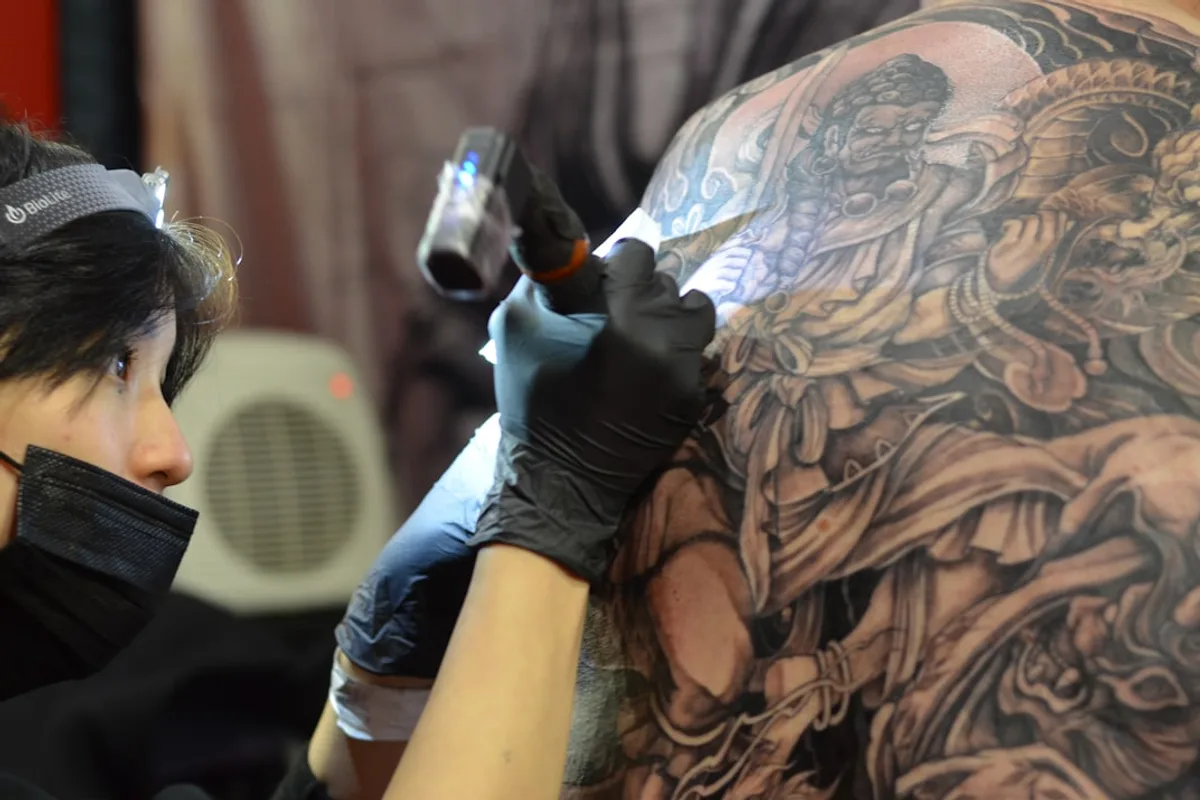
Ready to take your tattoo knowledge to the next level? Here are the key takeaways about the 1/3 rule!
- 1/3 Rule Summary: This rule emphasizes balancing design, placement, and care.
- Tattoo Design Takeaways: Applying this rule ensures aesthetically pleasing tattoos.
- Importance of Tattoo Planning: Understanding the 1/3 rule empowers informed decisions.
Consider the 1/3 rule for your next tattoo to enhance both design and longevity.
What is the 1/3 rule in tattooing?
The 1/3 rule in tattooing is a design principle that suggests dividing the tattoo space into thirds to achieve a balanced composition. This rule is crucial for creating visually appealing tattoos, ensuring that the design flows naturally on the body. It is widely applied across various styles, from traditional to modern tattoos. For more on tattoo design principles, visit Tattoo.com.
How does the 1/3 rule improve tattoo designs?
The 1/3 rule in tattoo design refers to dividing the tattoo area into three equal parts to balance elements effectively. This approach enhances visual harmony, ensuring that no single element overwhelms the design. By applying the 1/3 rule, tattoo artists can create cohesive designs across various styles, from intricate sleeves to minimalist pieces, enhancing both aesthetic appeal and overall composition.
Can the 1/3 rule be applied to all tattoo styles?
The 1/3 rule, which emphasizes balance by dividing a tattoo design into thirds, can be applied to most tattoo styles, enhancing their visual appeal. While it is particularly effective in geometric and abstract designs, traditional styles may not always benefit from strict adherence. Artists often adapt the rule to suit the unique flow and aesthetics of each style, ensuring harmonious compositions.
Are there any downsides to using the 1/3 rule?
While the 1/3 rule tattoo offers a balanced design approach, it may limit creative freedom for some artists. Strict adherence could stifle unique expressions, especially in abstract or unconventional styles. Additionally, not all body areas suit this proportion, potentially leading to awkward placements. It’s essential for artists to weigh these factors against the benefits of using the 1/3 rule in their designs.
How can I find a tattoo artist skilled in the 1/3 rule?
To locate a tattoo artist proficient in the 1/3 rule, start by researching portfolios that emphasize balanced designs, as this rule is crucial for aesthetic harmony. Look for artists who specialize in styles where the 1/3 rule is often applied, such as geometric or traditional tattoos. Additionally, seek recommendations from tattoo communities and forums to find artists with a strong reputation for this technique.
Key Takeaways About the 1/3 Rule Tattoo
The 1/3 rule tattoo is an essential concept in tattoo design, emphasizing balance and proportion by dividing the tattoo into three equal parts. This rule ensures that the tattoo is visually appealing and harmoniously fits the body’s natural contours. Whether you’re considering a minimalist design or a complex sleeve, the 1/3 rule can be applied to various styles, enhancing the overall aesthetic.
Understanding this principle helps in creating tattoos that are not only beautiful but also timeless. Ready to bring your vision to life? Book your consultation today to start designing your one-of-a-kind tattoo!
Leave a Reply