Why Body Painting and Tattoos Are Essential in Modern Culture
Have you ever wondered why body painting and tattoos have become a staple of modern culture? These art forms are crucial for self-expression and identity formation, allowing individuals to convey personal stories, beliefs, and affiliations. They serve as a canvas for creativity and a medium for personal and communal identity.
Body painting and tattoos have seen a significant rise in popularity across various demographics. Approximately 30% of Americans have at least one tattoo, with the number increasing among younger generations. This trend highlights the growing acceptance and importance of body art as a form of self-expression.
In many cultures, body painting and tattoos are not merely decorative; they play a vital role in cultural ceremonies and rites of passage. For instance, in Maori culture, the traditional tattoo known as “ta moko” is a sacred practice that signifies lineage and social status. Similarly, in parts of Africa, body painting is integral to ceremonies, symbolizing transformation and community bonds.
Historically, these art forms have been used to mark significant life events, from coming-of-age rituals to spiritual journeys. This deep-rooted cultural significance underscores the importance of body painting and tattoos in shaping both personal and communal identities.
As body art continues to evolve, its role in modern culture remains profound, reflecting the diverse ways individuals choose to express themselves. Next, we will delve into the rich history and evolution of body painting in contemporary art.
The Evolution of Body Painting in Contemporary Art
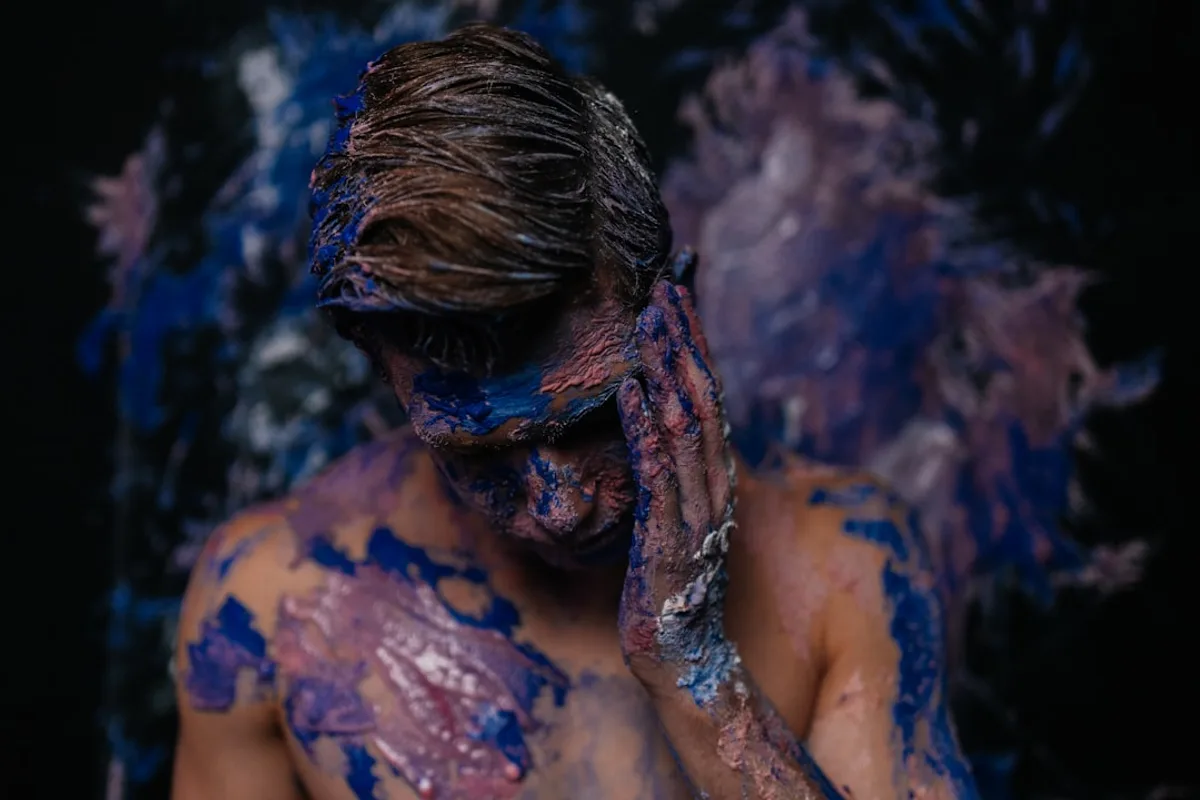
The journey of body painting is as colorful as the art itself, tracing back to ancient rituals and evolving into a modern artistic expression. From the ceremonial body markings of ancient civilizations to the intricate designs of tribal art, the history of body painting is rich and varied. During the Renaissance, body art was influenced by the era’s emphasis on human form and beauty, leading to more detailed and artistic expressions.
In modern times, the evolution of body painting has been significantly shaped by cultural movements. The 1960s counterculture embraced body art as a form of rebellion against societal norms, sparking a resurgence in its popularity. This era marked a pivotal point where body painting transitioned from traditional practices to contemporary forms seen in art galleries and festivals worldwide.
Today, contemporary body art is celebrated in various forms, from avant-garde exhibitions to vibrant festival displays. Artists use the human body as a canvas to explore themes of identity, freedom, and expression. This evolution highlights the adaptability and enduring relevance of body painting in the art world.
In the next section, we will explore the historical roots and cultural significance of body painting.
Historical Roots and Cultural Significance
Body painting is not merely an art form; it is a powerful medium of cultural storytelling and identity. Its origins can be traced back to indigenous cultures worldwide, such as the Maori and Native American tribes. These communities have long used body painting in rituals, including initiation ceremonies and festivals, to convey narratives and ancestral lineage. For example, the Maori of New Zealand use intricate designs to represent tribal affiliations and personal achievements. Many indigenous tribes view body painting as a form of storytelling, where each design holds specific cultural significance. Next, we will examine how body painting has influenced modern art movements.
Influence of Body Painting in Modern Art Movements
In the world of contemporary art, body painting has emerged as a revolutionary force, reshaping how we perceive art itself. Modern art movements such as Surrealism and Performance Art have embraced body painting, challenging traditional notions of art and the canvas. This influence allows artists to explore new dimensions, using the human body as a living canvas.
Performance art body painting, particularly, has been integral in redefining artistic boundaries. Artists like Marina Abramović utilize the body to delve into themes of endurance and identity. Let’s now highlight notable artists who have made significant contributions to the field of body painting.
Notable Artists and Their Contributions
Behind every stroke of body paint lies a story, often told by the hands of remarkable artists who have shaped this vibrant field. Famous body painters like Guido Daniele and Emma Hack have made significant contributions to the art community. Guido Daniele, known for his ‘Handimals’ series, transforms hands into intricate animal designs, showcasing the versatility of body painting as an art form. Emma Hack combines body painting with photography, creating stunning illusions that blend human forms with nature. Their innovative techniques and themes have inspired countless body painting artists worldwide.
Now, we will explore the techniques and materials that define the craft of body painting.
Techniques and Materials in the Craft of Body Painting
The art of body painting is not just about creativity; it’s also about mastering a variety of techniques that bring visions to life. Among the most commonly used body painting techniques are airbrushing, brushwork, and sponge techniques. Each method offers unique possibilities, allowing artists to achieve diverse effects and styles.
Airbrushing has revolutionized body painting, allowing for smoother gradients and more intricate designs that were difficult to achieve with traditional methods. This technique uses a specialized tool to spray paint onto the skin, creating seamless transitions and detailed patterns. In contrast, traditional brushwork relies on hand-held brushes to apply paint, offering a more textured and expressive finish.
Meanwhile, sponge techniques are often employed for creating bold, vibrant backgrounds or blending colors. By using sponges, artists can quickly cover large areas or add subtle shading. The choice between traditional vs modern body painting techniques often depends on the desired outcome and the artist’s personal style.
For more on the evolution of these techniques, you can explore resources from National Geographic.
Next, we will discuss the importance of choosing the right materials for achieving desired effects in body painting.
Traditional vs. Modern Techniques
In the world of body painting, the choice between traditional and modern techniques can significantly influence the final artwork. Traditional body painting often utilizes natural pigments, while modern techniques employ synthetic paints. Each method has its own set of advantages and drawbacks.
| Aspect | Traditional Techniques | Modern Techniques |
|---|---|---|
| Application | Simple, often by hand | Requires tools like airbrushes |
| Durability | Short-lived, fades quickly | Long-lasting, withstands wear |
| Vibrancy | Muted, earthy tones | Bright, extensive color range |
While traditional pigments are often safer for the skin, modern synthetic paints offer a wider range of colors and longer-lasting results, leading to a debate among artists. Notable artists like Emma Hack specialize in traditional methods, whereas Craig Tracy is known for his modern approach. Let’s continue by choosing the right materials for different effects.
Choosing the Right Materials for Different Effects
Choosing the right materials is crucial in body painting; the wrong choice can lead to disappointing results or skin irritation. Various body painting materials, such as water-based paints, alcohol-based paints, and natural pigments, offer different effects. Water-based paints are often preferred for their ease of removal and skin-friendliness, making them ideal for temporary designs. In contrast, alcohol-based paints provide durability for longer wear, perfect for extended events.
When choosing body paint, consider the desired effect and skin type. For sensitive skin, opt for hypoallergenic options. Next, we will address the challenges and innovations currently shaping the field of body painting.
Challenges and Innovations in Body Painting
As with any art form, body painting comes with its own set of challenges, but innovations are paving the way for a brighter future. One major issue is skin sensitivity, which can lead to adverse reactions. Additionally, ensuring paint durability during performances or events is a common concern.
Recent innovations in body paint formulations now include hypoallergenic options that cater specifically to individuals with sensitive skin, expanding the accessibility of body art. Moreover, advancements in digital design tools are transforming the body painting process, allowing artists to experiment and refine their designs before application.
Now, we will explore the essential safety precautions to consider when engaging in body painting.
Ensuring Safety and Embracing Trends in Body Painting
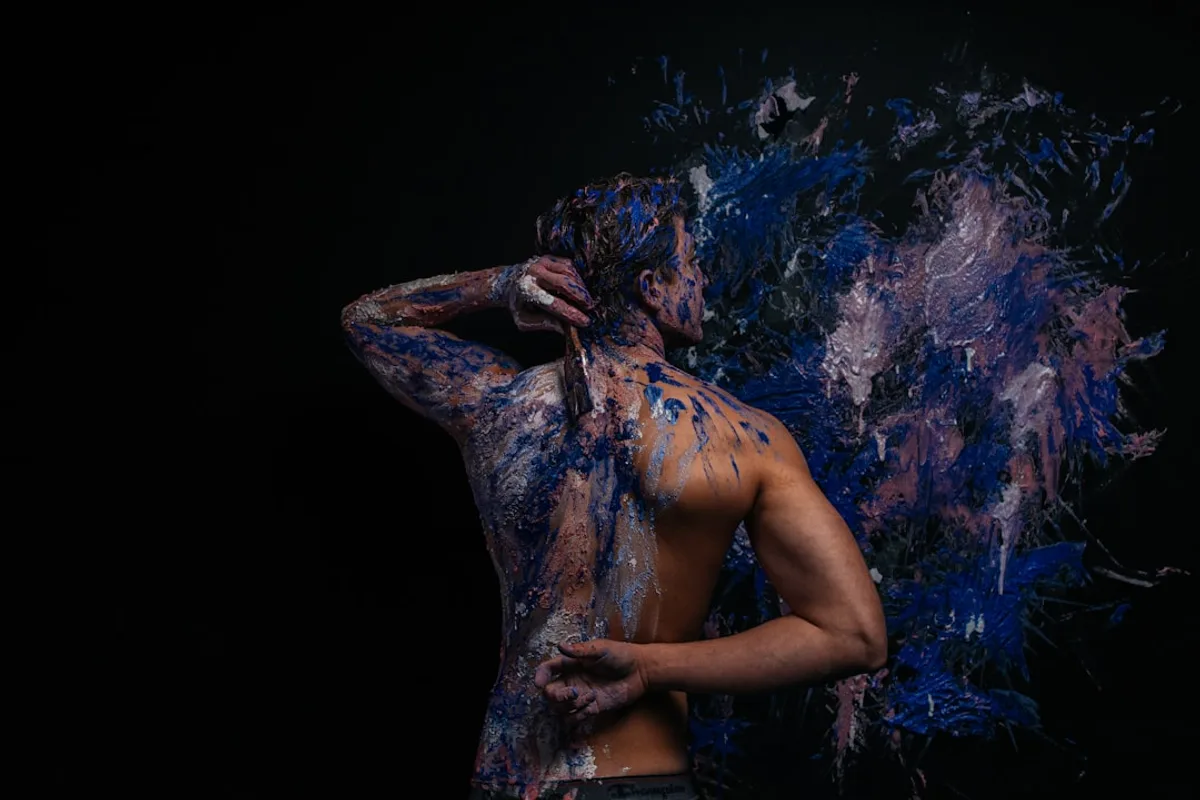
Safety should never be an afterthought; understanding the precautions can make all the difference in your body painting experience. Here are essential body painting safety tips to protect your skin and enhance your enjoyment of this art form:
- Patch Testing: Always conduct a patch test before applying any paint to larger areas. This helps identify potential allergic reactions, ensuring the products are skin-safe.
- Use Skin-Safe Products: Opt for paints specifically designed for body use. Many body painters now advocate for vegan and cruelty-free paints, which not only prioritize skin safety but also align with ethical consumerism trends.
- Maintain Hygiene: Clean brushes and sponges thoroughly between uses to prevent infections. Hygiene in body painting is crucial for avoiding skin irritations.
- Pre and Post Care: Prepare your skin by moisturizing before painting and gently cleanse and moisturize again after removing the paint to maintain skin health.
By following these guidelines, you can enjoy the art of body painting while keeping your skin healthy and safe. Next, we will explore the emerging trends and styles in the world of body painting.
Safety Precautions and Skin Health
Before you dive into the world of body painting, understanding safety precautions can save you from potential skin issues. Despite the popularity of body painting, studies show that nearly 20% of individuals experience allergic reactions to certain pigments, underscoring the importance of safety.
- Use hypoallergenic body paint to minimize the risk of skin reactions.
- Ensure thorough skin cleaning before application to prevent infections.
- Consult with a dermatologist if you have existing skin conditions.
Understanding these steps is crucial for body painting skin safety. Now, let’s take a look at the latest trends and styles in body painting that are captivating artists and audiences alike.
Emerging Trends and Styles
In an ever-evolving art landscape, body painting trends are shifting rapidly, influenced by technology and cultural movements. The rise of social media platforms like Instagram has transformed body painting into a collaborative and interactive art form, with artists often engaging audiences in real-time. What are the emerging trends in body painting?
- Eco-friendly body paint: Artists are increasingly using sustainable materials to reduce environmental impact.
- Interactive designs: These involve audience participation, often through social media body art challenges.
- Influential artists: Contemporary figures like Johannes Stötter are leading these innovative trends.
Next, we will discuss how to stay updated with the latest body painting trends.
How to Stay Updated with Body Painting Trends
Staying current with body painting trends is easier than ever, thanks to a wealth of resources available at your fingertips. Here’s how you can stay updated:
- Follow dedicated websites and social media accounts that focus on body art resources and emerging trends.
- Attend body painting workshops and community events to learn and network with fellow enthusiasts.
- Participate in art festivals where body painting is showcased, offering a firsthand look at innovative techniques.
- Explore art schools and online courses, as many now offer specialized courses in body painting, fostering new talent.
Now, we will delve into the psychological aspects of body painting, including the 70/30 rule.
Exploring the 70/30 Rule and Psychological Effects of Body Painting
Have you ever wondered why some body paintings captivate more than others? The answer often lies in the 70/30 rule of design. This principle is crucial in achieving balance and harmony in body art, ensuring that the artwork is both striking and aesthetically pleasing.
- Definition: The 70/30 rule in body painting suggests that 70% of a design should be dominant, while the remaining 30% serves as a complementary element. This creates a balanced visual appeal in body painting.
- Application in Body Art: Both body painting and tattoo design benefit from this rule. By maintaining a dominant and a secondary element, artists can enhance the overall impact of their work.
- Examples: Successful designs often feature a bold color or pattern as the dominant 70%, with intricate details or contrasting colors making up the 30%. This approach not only highlights the main theme but also adds depth and interest.
- Emotional Influence: The 70/30 rule body painting technique influences viewers’ emotional responses, making it a powerful tool in design principles body art.
Next, we will explore the psychological impact of body painting on both the artist and the audience.
Understanding the 70/30 Rule in Design
The 70/30 rule is a fundamental concept in design that can transform your body painting into a masterpiece. It involves allocating 70% of the design to a dominant element and 30% to complementary accents. This principle helps artists create balanced and engaging compositions.
- Design Principles in Body Painting: The 70/30 rule explained enhances visual interest and focus.
- Application: Artists can use this rule to balance complexity and simplicity in their work.
- Color Theory: Apply 70% dominant colors and 30% accent colors for harmony.
Now, let’s examine the psychological effects of body painting on both artists and their audience.
Psychological Impact on the Artist and Audience
The canvas of the human body offers a unique psychological landscape, influencing both the artist’s emotions and the audience’s perceptions. Many artists report that body painting serves as a form of therapy, allowing them to express emotions and experiences that words cannot capture. This process can enhance self-perception, providing a sense of freedom and identity.
For audiences, the psychological effects of body painting often involve interpreting the artwork’s deeper meanings. Studies suggest that viewers may experience a range of emotions, from awe to introspection, as they engage with the art. Next, we will address some frequently asked questions about body painting and tattoos.
FAQ: Common Questions About Body Painting and Tattoos
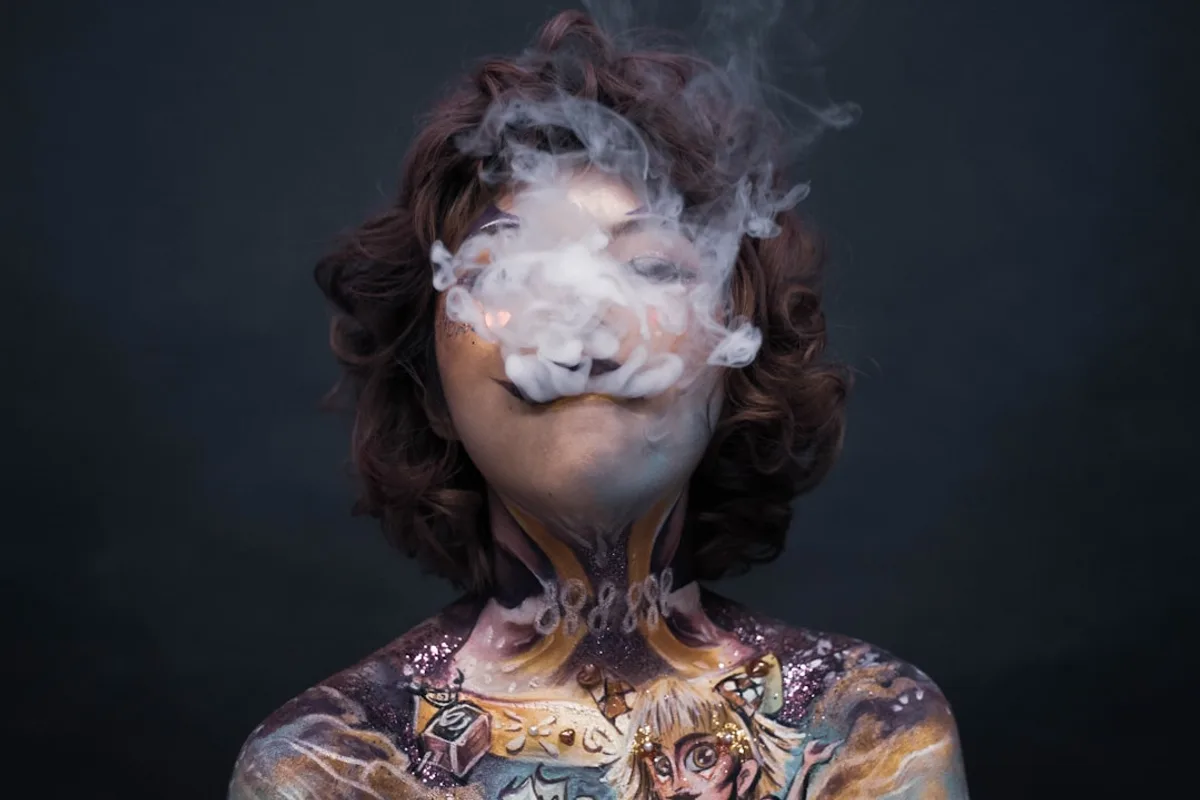
Curious about body painting and tattoos? Here are the answers to some of the most frequently asked questions in the art community.
- Is body painting the same as getting a tattoo?
No, body painting is a temporary art form that can be easily removed, while tattoos are permanent alterations to the skin.
- How long does body paint last?
Body paint typically lasts a few hours to a day, depending on the type of paint and skin care.
- Can I remove a tattoo?
Yes, but tattoo removal is a complex process that may require multiple sessions and can be costly.
Have more body painting FAQs or tattoo questions? Feel free to submit your queries. Now, let’s explore the most popular body painting techniques.
What Are the Most Popular Body Painting Techniques?
From airbrushing to brushwork, the world of body painting is rich with techniques waiting to be explored. Among the most popular body painting techniques are airbrushing, brushwork, and sponge techniques.
- Airbrushing: This technique has gained popularity due to its ability to create seamless gradients and intricate designs, making it a favorite among professional body painters. Beginners can start by investing in a basic airbrush kit and practicing on paper before moving to skin.
- Brushwork: Traditional brushwork allows for detailed and controlled application, suitable for both large areas and fine details. Beginners should experiment with different brush sizes and types to find what suits their style best.
- Sponge Techniques: Sponges are excellent for covering large areas quickly and creating interesting textures. To get started, beginners can use cosmetic sponges or sea sponges to experiment with different effects.
For more detailed insights into these body art methods, visit National Geographic.
Next, we will answer the question of how long body paint lasts on the skin.
How Long Does Body Paint Last on the Skin?
Wondering how long your stunning body art will last? The answer depends on several key factors that every body painter should know. Generally, the duration of body paint on the skin varies based on the type of paint used and the conditions it is exposed to. While some body paints can last for several days, factors like skin type, sweat, and exposure to water can significantly reduce their lifespan.
To maximize the longevity of your body paint, consider these tips:
- Choose the right paint: Opt for long-lasting, high-quality paints specifically designed for body art.
- Prepare the skin: Clean and dry the skin thoroughly before application to ensure better adhesion.
- Avoid moisture: Keep the painted area dry and avoid activities that cause excessive sweating.
Artists and clients often share that with proper care, body paint can maintain its vibrancy for up to 48 hours. However, personal experiences may vary. Now, let’s address the health risks associated with body painting.
Are There Any Health Risks Associated with Body Painting?
While body painting can be a beautiful form of self-expression, it’s essential to be aware of the potential health risks involved. Health risks associated with body painting include allergic reactions and skin irritation. Research indicates that nearly 30% of individuals may experience skin reactions to body paints, highlighting the importance of using skin-safe products.
To mitigate these risks, it’s crucial to select products specifically designed for skin safety body art. Always perform a patch test before full application to check for any adverse reactions. Opt for hypoallergenic and non-toxic paints to minimize the likelihood of allergic reactions body paint might cause.
Studies suggest that improper use of body paints can lead to dermatitis or other skin conditions. Therefore, understanding the ingredients and ensuring they meet safety standards is vital. By taking these precautions, you can enjoy body painting with reduced risk.
Next, we will clarify the differences between body painting and tattoos.
What Is the Difference Between Body Painting and Tattoos?
Body painting and tattoos may seem similar, but they serve very different purposes in the world of self-expression and art. The most significant difference lies in their permanence. Tattoos are a permanent form of body art, created by injecting ink into the skin’s deeper layers. In contrast, body painting is a temporary art form, applied to the skin’s surface and typically lasting only a few hours to days.
Culturally, tattoos often carry deep personal meanings and are used to commemorate significant life events or affiliations. They are a lifelong commitment, reflecting enduring aspects of one’s identity. On the other hand, body painting allows for more spontaneous self-expression, making it ideal for events, performances, or festivals where temporary transformation is desired.
- Choose body painting for temporary, vibrant designs at festivals or events.
- Opt for tattoos when seeking a permanent symbol of personal significance.
Finally, we will explore how beginners can start learning body painting.
How Can I Start Learning Body Painting?
Ready to dive into the vibrant world of body painting? Here’s how you can start your artistic journey today! Begin by exploring online courses on platforms like Udemy or Skillshare, which offer comprehensive guides on body art for beginners. Books such as “The Art of Body Painting” provide valuable insights into techniques and history.
Practice is crucial in mastering body painting techniques. Experiment with different styles and designs on yourself or willing friends. Many successful body painters began their journey by experimenting with face painting at local festivals, illustrating that community engagement can be a valuable starting point.
Consider joining local art communities or attending workshops to gain hands-on experience. These settings offer opportunities to learn from experienced artists and receive feedback. Engaging with fellow enthusiasts can also inspire creativity and improve your skills.
- Online Courses: Udemy, Skillshare
- Books: “The Art of Body Painting”
- Community: Local workshops, art festivals
With these body painting resources, you’ll be well on your way to creating stunning body art.
Key Takeaways About Body Painting and Tattoos
As we conclude our exploration of body painting and tattoos, the journey reveals not just art, but a profound means of self-expression and cultural identity. Throughout history, body painting has served as a ceremonial and ritualistic practice, while tattoos have marked personal milestones and affiliations. Both forms of body art hold significant cultural value, reflecting the diverse stories and traditions of societies worldwide.
Body painting, with its vibrant colors and intricate designs, offers a temporary yet impactful way to express creativity and individuality. Techniques such as airbrushing and henna application highlight the versatility and artistic potential of this medium. Tattoos, on the other hand, provide a more permanent canvas for personal storytelling, allowing individuals to carry their narratives with them.
The importance of body art in modern society cannot be overstated. It serves as a bridge between past and present, blending traditional practices with contemporary aesthetics. This evolution underscores the enduring relevance of body painting and tattoos as powerful tools for personal and cultural expression.
Encouraging readers to explore these art forms, body painting offers a dynamic way to experiment with self-expression, while tattoos allow for a lifetime of storytelling etched into the skin. Whether you’re drawn to the ephemeral beauty of body painting or the lasting impact of tattoos, both offer unique opportunities to celebrate your identity and creativity.
Book your consultation today to start designing your one-of-a-kind tattoo! Embrace the artistic journey and contribute to the rich tapestry of body art that continues to inspire and evolve.
Leave a Reply