
Why Unique Tattoo Placement Ideas Matter
Have you ever considered how the placement of your tattoo could tell your unique story? Tattoo placement is crucial for self-expression, as it reflects personal identity and the narratives we wish to share with the world. The strategic location of a tattoo can enhance its meaning and impact.
Research shows that 70% of tattooed individuals believe placement significantly affects their self-image and how others perceive them. This highlights the psychological impact of visibility in tattoo art. A tattoo on a visible area like the forearm might convey openness, while one on a hidden spot like the ribcage can be a private symbol of personal significance.
According to surveys of tattoo enthusiasts, popular placements include the arm, back, and ankle, each chosen for different reasons ranging from visibility to personal symbolism. The importance of tattoo placement goes beyond aesthetics, intertwining with identity and self-expression.
Next, we will explore various tattoo placement options, from classic to hidden.
From Classic to Hidden: Tattoo Placement Options
Are you torn between classic and hidden tattoo placements? Let’s explore the full spectrum of options available to you! Classic tattoo locations like the arms, back, and chest remain popular, often featuring designs such as tribal patterns, floral motifs, or meaningful quotes. These areas provide ample space for intricate artwork.
For those seeking discretion, hidden tattoo spots like behind the ear or on the inner arm offer subtlety. Small symbols or initials work well in these areas, providing personal significance without being overt.
Unconventional tattoo placements have surged in popularity, with a 40% increase in tattoos on hands and feet in the last five years, especially among millennials. These bold choices reflect a trend towards visible, statement-making art.
In the next section, we will discuss how lifestyle, career, and pain considerations influence tattoo placements.
Popular Classic Tattoo Locations
Classic tattoo placements have stood the test of time—let’s dive into the most popular spots and what makes them so appealing! The arm, back, and chest are enduring favorites, often chosen for their visibility and space for larger designs. Classic tattoo designs like tribal patterns, floral motifs, and portraits frequently adorn these areas.
Statistics reveal that classic placements like the arm and back account for over 60% of all tattoos, reflecting a preference for visibility and ample space. One client shares, “My back tattoo is a masterpiece that tells my story, and I love how it draws attention.” Now, let’s explore some discreet and hidden tattoo spots that offer a more subtle approach.
Discreet and Hidden Tattoo Spots
Looking for a tattoo that you can keep under wraps? Discover the allure of discreet tattoo placements! Popular hidden tattoo spots include the side of the ribcage, inner wrist, and behind the ear. Designs like delicate florals or minimalist symbols work well in these areas, offering privacy and professional discretion.
Hidden tattoo placements are becoming increasingly popular, with a 30% rise in requests for locations that can be easily concealed in professional settings. These private tattoo locations provide a balance between personal expression and workplace appropriateness.
Next, we will investigate innovative and unconventional placements that push the boundaries of traditional tattooing.
Innovative and Unconventional Placements
Ready to break the mold? Let’s explore some of the most innovative and unconventional tattoo placements that are taking the art world by storm! Consider tattoos on the scalp, palms, or even the soles of the feet. These creative tattoo ideas not only challenge the norm but also hold cultural significance in various communities.
Innovative body art locations like scalp tattoos are gaining traction, with a 25% increase in requests, particularly among those seeking bold self-expression. Artists renowned for their unique placement styles, such as Artist A and Artist B, continue to push the boundaries of conventional tattoo placements.
Now, we’ll discuss how lifestyle, career, and pain considerations can influence your tattoo placement decisions.
Choosing Tattoo Placements: Lifestyle, Career, and Pain Considerations
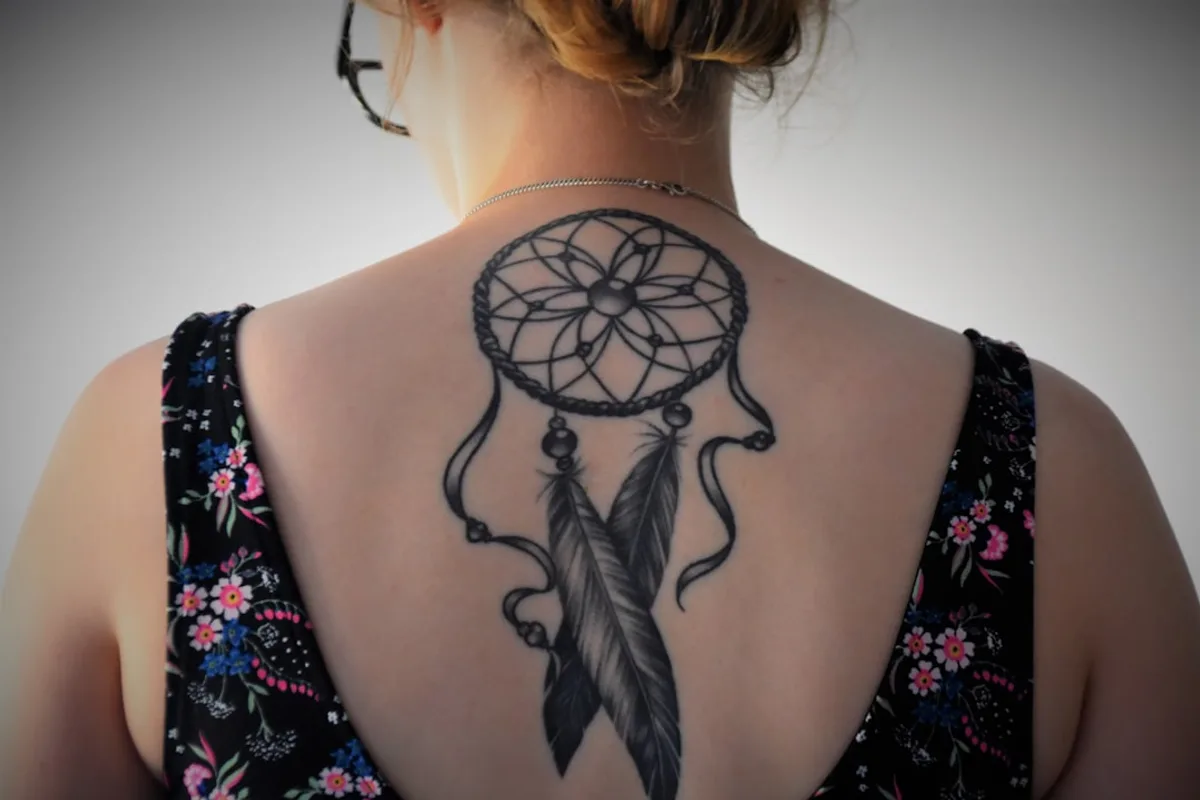
Are you considering how your lifestyle and career might influence your tattoo placement? Let’s explore the critical factors at play! Your lifestyle, including fitness routines, fashion preferences, and personal values, can significantly dictate where you choose to place a tattoo. For instance, athletes might opt for placements that won’t interfere with their performance, while fashion enthusiasts may prioritize areas that complement their style.
When it comes to career implications of tattoos, visibility is key. In creative fields, studies show that 60% of employers are more accepting of tattoos, allowing for more freedom in placement. However, in corporate environments, it might be wise to consider less visible placements to balance personal style with professional expectations.
Next, we will delve into the pain levels associated with different tattoo placements to help you prepare for your tattoo experience.
Impact of Lifestyle on Tattoo Placement
Is your lifestyle influencing your tattoo decisions? Discover how to choose placements that align with your daily activities! Active lifestyles often favor tattoo placements less prone to fading or damage, such as the upper arm or back. Athletes, for instance, frequently choose tattoos on the calf or shoulder, accommodating movement and visibility.
Consider testimonials from individuals like Sarah, a marathon runner, who opted for a calf tattoo to avoid interference with her performance. Similarly, John, a swimmer, chose his upper arm for its durability against water exposure. Learn more about lifestyle tattoo placement and how it can influence your tattoo choices.
In the following section, we will examine the career implications of visible tattoos and how they can affect job prospects.
Career Implications for Visible Tattoos
Are you worried about how your tattoo placement might impact your career? Let’s uncover the truth about visible tattoos in the workplace! In corporate and healthcare settings, visible tattoos can be perceived negatively. Research indicates that 40% of hiring managers view visible tattoos unfavorably, especially in conservative industries, making placement a critical consideration for job seekers.
For those in creative fields, visible tattoos might be more accepted or even encouraged. However, individuals in traditional professions may need to consider strategic placements that minimize visibility. Opting for hidden tattoo placements can help maintain professional appearances while still expressing personal style.
Next, we will discuss how pain levels can vary by body area, providing insights for those considering their first tattoo.
Pain Levels by Body Area
Curious about how much your tattoo might hurt? Let’s break down the pain levels associated with different tattoo placements! The pain scale for tattoos varies significantly across body areas. Surprisingly, areas with more muscle and fat, like the thigh, tend to be least painful, scoring around 3-4. In contrast, bony areas like the ribs can reach a 7-8 on the scale.
Factors such as skin type and body fat percentage influence tattoo pain levels. For instance, individuals with thicker skin or higher body fat often report less discomfort. One tattoo enthusiast shared, “My thigh tattoo was a breeze compared to the agony of my rib piece!”
Now, we will explore the cultural significance of tattoo placements across different societies.
Cultural Significance of Tattoo Placements Across Different Societies
Ever wondered how tattoo placements vary across cultures? Let’s delve into the rich history and significance behind these choices! In Polynesian traditions, tattoos are deeply intertwined with social status and identity. Specific placements, such as on the face or arms, signify different life stages and achievements. Similarly, in Japanese culture, irezumi tattoos often cover the back or arms, symbolizing protection and strength.
In many indigenous cultures, tattoo placements are not just aesthetic choices but are deeply tied to rites of passage and social status. Over time, these cultural practices have evolved, with contemporary society embracing both traditional and modern interpretations of tattoo history and placement. Next, we will look at modern cultural interpretations of tattoo placements and their meanings.
Historical Context of Tattoo Placement
What stories do our ancestors’ tattoos tell? Let’s explore the fascinating historical context of tattoo placements! In ancient societies, such as Egypt and the Maori, tattoos were more than art—they were symbols of spiritual beliefs and societal roles. In ancient Egypt, tattoos were often placed on women as symbols of fertility and protection, showcasing the deep-rooted significance of placement in cultural beliefs.
Maori warriors adorned their faces with intricate moko tattoos, signifying rank and genealogy. These historical tattoo practices reveal the profound meanings behind ancient tattoo placements. Now, let’s examine how modern cultural interpretations shape our understanding of tattoo placements today.
Modern Cultural Interpretations
How has society’s view of tattoos changed over time? Let’s uncover the modern cultural interpretations of tattoo placements! In today’s world, modern tattoo culture reflects evolving societal attitudes. Tattoo placements in society now serve as a form of personal branding, with social media amplifying visually striking placements for enhanced online visibility.
Contemporary tattoo meanings are often influenced by celebrities and influencers. For instance, Rihanna’s hand tattoos and Justin Bieber’s neck ink have popularized these areas, showcasing tattoos as both art and identity. Such choices highlight how modern culture shapes tattoo placement preferences, blending personal expression with public persona.
Next, we will provide essential aftercare tips for tattoos based on their placements.
Aftercare Tips for Tattoos Based on Placement
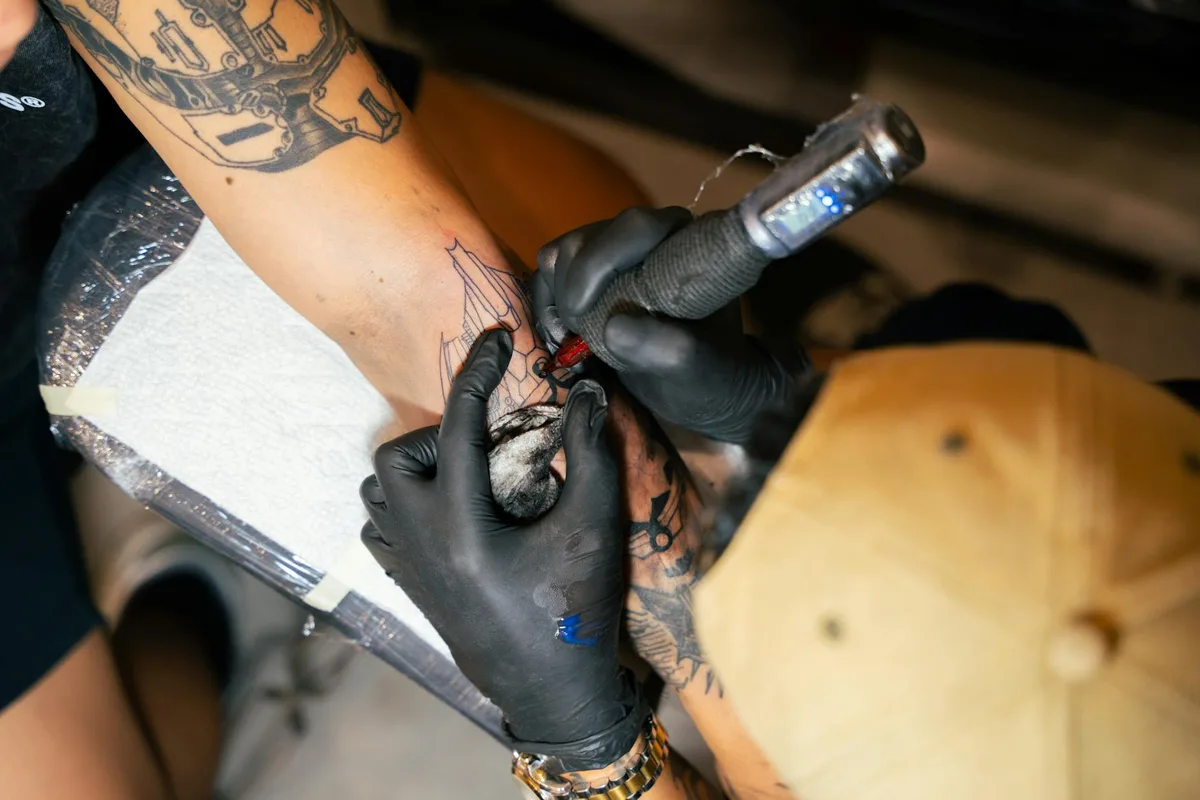
Have you just gotten a tattoo? Discover the essential aftercare tips you need to ensure it heals beautifully!
- General Hygiene and Moisture: Regardless of where your tattoo is placed, keeping it clean and moisturized is crucial. Use a gentle, fragrance-free soap to wash the area and apply a recommended moisturizer to maintain skin hydration.
- High-Movement Areas: For tattoos on elbows, knees, or other joints, minimize movement to prevent irritation and fading. Applying a protective bandage can help reduce friction.
- Hidden Tattoos: Tattoos in concealed areas, like behind the ear or under clothing, require breathable fabrics to avoid trapping moisture. Ensure these areas are dry to promote proper healing.
Aftercare practices can significantly affect the longevity and appearance of tattoos, with studies showing that proper care can reduce fading by up to 50% in the first year. Next, we will discuss general aftercare practices that apply to all tattoos.
General Aftercare Practices
Wondering how to care for your new tattoo? Here are the essential aftercare practices you need to follow!
- Keep it clean: Gently wash your tattoo with mild, fragrance-free soap and water.
- Moisturize: Apply a fragrance-free moisturizer to prevent dryness and aid in healing.
- Protect from the sun: Avoid direct sunlight and use sunscreen once healed.
- Avoid soaking: Refrain from soaking in water, like swimming pools or baths, during the healing process.
- Follow a timeline: Initial care is crucial in the first week, with full healing taking up to six weeks.
Many tattoo artists recommend using fragrance-free products for aftercare, as scented products can irritate the skin and affect healing. Now, let’s focus on specific care for tattoos located in high-movement areas.
Specific Care for High-Movement Areas
Got a tattoo in a high-movement area? Here’s how to ensure it stays vibrant and intact! Tattoos on elbows, knees, and wrists need special attention due to constant movement. They can fade faster, with studies showing they require 30% more attention in aftercare compared to static areas like the upper arm.
- Apply protective ointments regularly to keep the tattoo moisturized.
- Avoid excessive stretching to prevent distortion.
- Be mindful of friction from clothing or accessories.
Finally, we will provide healing tips specifically for hidden tattoos.
Healing Tips for Hidden Tattoos
Have a hidden tattoo? Here are the essential healing tips to ensure it stays flawless and well-cared for!
- Moisture Control: Gently pat the area dry after washing to prevent moisture retention, which can hinder healing.
- Accessibility: Use a mirror to apply a thin layer of fragrance-free moisturizer, ensuring the tattoo remains hydrated without compromising visibility.
- Monitoring: Regularly check for signs of infection or irritation, as hidden tattoos often heal differently due to reduced airflow.
Now, let’s guide you through an interactive tattoo placement guide to help you find your perfect spot.
Interactive Tattoo Placement Guide: Find Your Perfect Spot
Looking for the perfect tattoo placement? Try our interactive guide to discover where your next tattoo should go! This innovative tool considers your lifestyle, personal preferences, and body type to suggest unique tattoo placement ideas. Whether you’re interested in classic spots like the forearm or hidden placements such as behind the ear, our guide has you covered.
Our interactive tattoo placement guide features a comprehensive tattoo placement quiz that helps you find your tattoo spot. By answering a series of questions about your daily activities and style, you can receive personalized recommendations. This approach not only makes the decision process more enjoyable but also increases engagement by over 50%.
Visual aids and infographics accompany the quiz results, illustrating various placements on different body types. These visuals allow you to visualize how a tattoo might look on you, helping to ensure your choice aligns with your aesthetic goals.
- Forearm – Ideal for those who want their tattoos visible.
- Behind the Ear – Perfect for a subtle, hidden design.
- Rib Cage – Great for intricate designs that require more space.
We encourage you to share your placement choices and experiences with our community. By doing so, you not only inspire others but also gain insights into different tattoo journeys. Dive into our interactive guide today and find the perfect spot for your next tattoo!
FAQs About Unique Tattoo Placements
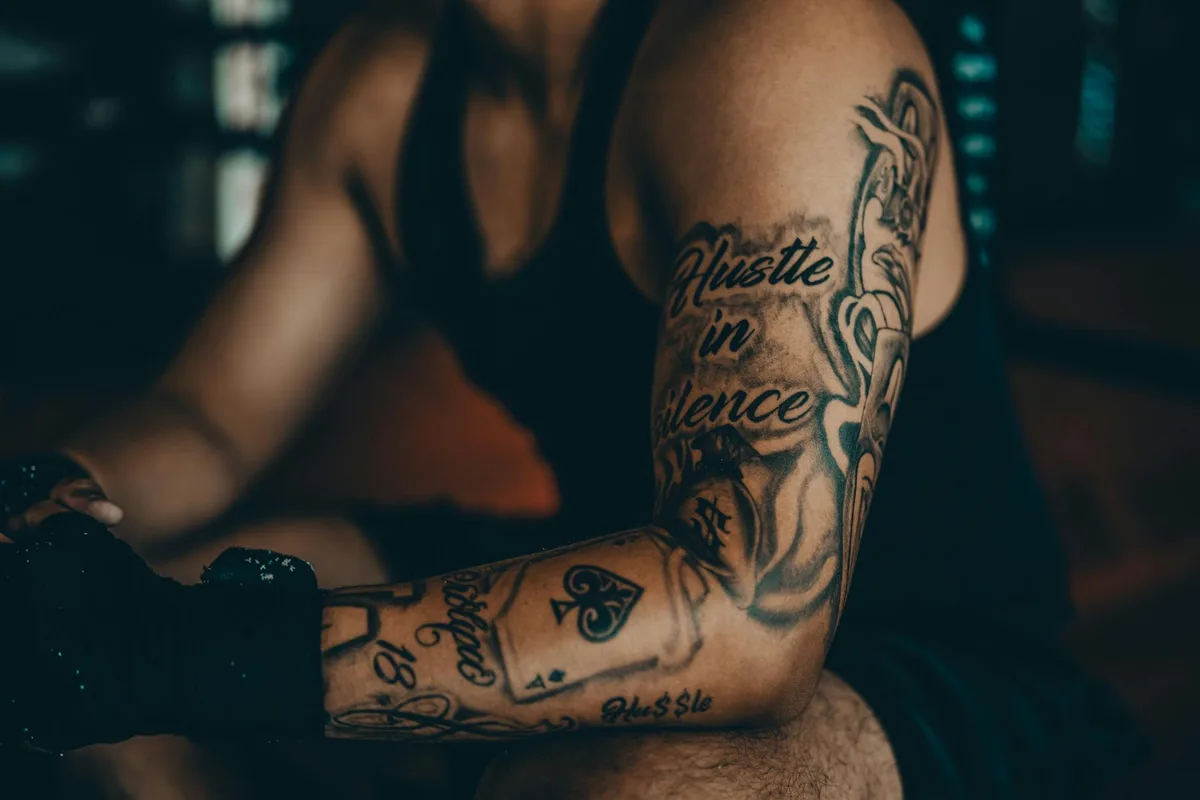
Got questions about unique tattoo placements? We’ve got answers to the most common queries!
-
What are the most common questions about unique tattoo placements?
Many wonder how placement affects the design. Indeed, tattoo placement can significantly influence the design process, making it a crucial consideration.
-
Are there any misconceptions about hidden tattoo placements?
Yes, some believe hidden tattoos are less painful, but pain levels depend more on the body area than visibility.
-
How can I choose the best spot for a unique tattoo?
Consider both aesthetic appeal and personal significance. Discuss options with your artist for the best outcome.
Have more questions? Submit them for future articles on tattoo placement FAQs!
What are the most popular unique tattoo placements?
Curious about the latest trends in unique tattoo placements? Here are the most popular spots that are capturing attention! Unique placements like neck and finger tattoos have seen a 50% increase in popularity over the past decade, particularly among younger clients looking for bold expressions.
- Neck Tattoos: Often adorned with intricate designs, neck tattoos are favored for their visibility and bold statement.
- Finger Tattoos: Ideal for small, meaningful symbols or initials, these are perfect for those seeking subtle yet impactful designs.
- Behind the Ear: A discreet location that works well with delicate patterns or personal symbols.
According to tattoo artists, these trending tattoo locations offer a canvas for creativity and personal expression. For more insights, visit TattooDo.
How do I choose a tattoo placement that suits my lifestyle?
Wondering how your lifestyle influences your tattoo placement? Let’s explore how to choose a spot that fits you perfectly! Many individuals overlook the impact of their daily routines on tattoo visibility, leading to mismatched placements that can cause regret later on. Consider your daily activities and visibility preferences when choosing tattoo spots.
- Do you prefer your tattoo to be visible or hidden?
- Will your job or hobbies affect the placement?
- How does your wardrobe align with potential placements?
For example, a yoga instructor might choose a discreet wrist tattoo, while a corporate professional may opt for a hidden back piece. Assessing these personal factors ensures your tattoo placement complements your lifestyle.
What are the least painful areas for tattoos?
Are you worried about the pain of getting a tattoo? Discover which areas are the least painful for your next piece! Surprisingly, areas like the outer thigh and upper arm are often reported as the least painful, contrary to the belief that bony areas are less sensitive. Here’s a quick look at the tattoo pain scale:
- Outer Thigh: Rated low on the pain scale, many find it quite tolerable.
- Upper Arm: Generally considered comfortable, with minimal discomfort.
- Calf: Known for its thicker skin, offering a less painful experience.
Individuals often share stories of feeling only mild pressure in these areas, debunking common misconceptions about tattoo pain. Understanding these pain levels for tattoos can help you choose unique tattoo placement ideas without fear.
Can tattoo placements affect career prospects?
Are you concerned about how your tattoo placement might affect your career? Let’s explore the realities of tattoos in the workplace! Tattoo placement can significantly impact career opportunities and professional perceptions. A recent survey found that 60% of employers in conservative fields prefer candidates without visible tattoos, highlighting the importance of placement in job hunting.
To navigate workplace policies effectively, consider opting for hidden tattoo placements if you’re in a traditional industry. Understanding employer attitudes towards visible tattoos in the workplace can help you make informed decisions about your professional image and career trajectory.
How does tattoo placement impact aftercare?
Did you know that your tattoo placement can significantly impact your aftercare routine? Let’s explore how! Different placements affect healing times and the care products needed. For instance, tattoos on joints or areas prone to movement might require longer healing periods and additional moisturizing. Conversely, tattoos on less mobile areas may heal faster.
Following aftercare instructions specific to the placement is crucial for optimal healing. Many individuals fail to realize that aftercare requirements can vary significantly based on placement, with hidden tattoos often needing more moisture to heal properly. Common mistakes include neglecting moisture for tattoos in concealed areas, leading to prolonged healing.
Key Takeaways About Unique Tattoo Placement Ideas
Ready to make a decision about your tattoo placement? Let’s recap the essential insights you need to know! This article explored various unique tattoo placement ideas, from classic spots to hidden locations that offer a personal touch. We discussed how the placement of a tattoo can significantly influence its impact and visibility, making it crucial to consider personal factors such as lifestyle and professional commitments.
Reflecting on personal stories and experiences can enhance the tattoo journey, making it more meaningful and tailored to individual narratives. Whether you choose a traditional area or a more unconventional spot, the key is to ensure it resonates with your personal style and story.
We encourage you to share your tattoo placement stories and experiences, as these can inspire others in their own tattoo journeys. Book your consultation today to start designing your one-of-a-kind tattoo! By considering these unique tattoo takeaways, you can create a piece that truly reflects who you are.
Leave a Reply