Why Popular Body Art Techniques Are Essential Today
In a world where self-expression is paramount, body art techniques have emerged as a powerful medium of personal storytelling. These techniques are important today as they allow individuals to convey their identity, beliefs, and experiences in a visually compelling way.
The rise of body art as a form of self-expression is evident in modern society. According to recent studies, the body art industry has seen a 30% increase in tattooed individuals over the last decade, particularly among millennials and Gen Z. This surge reflects a growing trend where tattoos, body painting, and piercings are embraced not just as fashion statements but as integral parts of personal identity.
Social media plays a crucial role in promoting body art trends in 2023. Platforms like Instagram and TikTok have become showcases for innovative designs and techniques, inspiring millions to explore self-expression through tattoos and other forms of body art. Understanding the significance of body art leads us to explore the various techniques and trends that define this vibrant field.
Types of Popular Body Art Techniques and Current Trends
From intricate tattoos to vibrant body paintings, the world of body art is more diverse than ever before. Tattooing remains one of the most popular techniques, with styles like watercolor tattoos and geometric designs leading the trends in 2023. The global tattoo market is projected to reach $3 billion by 2025, driven by innovations in tattoo technology and artistry.
Body painting, known for its temporary yet striking visual impact, is gaining traction with abstract and UV-reactive designs. Henna, with its rich cultural roots, continues to be a favorite for its intricate patterns and natural appeal.
Recent surveys indicate that 40% of millennials have at least one tattoo, highlighting the enduring popularity of this art form. Next, we will delve deeper into specific techniques, starting with the fascinating world of tattooing.
Tattooing: Styles and Innovations
Tattooing has evolved dramatically, with artists now pushing the boundaries of creativity and technology. Popular tattoo styles include traditional, neo-traditional, realism, and abstract. Recent innovations in tattooing feature vegan tattoo inks and advanced machines. Notable artists like Kat Von D and Bang Bang are known for their signature styles. The rise of ‘tattoo tourism’ has led to a 20% increase in international clients seeking unique experiences abroad. Following tattooing, let’s explore the vibrant and temporary world of body painting.
Body Painting: Techniques and Inspirations
Body painting transforms the human canvas into a living masterpiece, celebrating creativity and culture. Various body painting techniques include airbrush for smooth gradients, brush for detailed designs, and sponge for textured effects. Inspirations for body painting often stem from cultural themes and festivals, with temporary body art featured prominently at music festivals, art shows, and even fashion runways.
Next, we will examine the world of body piercings and their modern variations.
Piercing and Its Modern Variations
Body piercings have transcended mere fashion statements, becoming symbols of individuality and self-expression. Popular types of body piercings include ear, nose, lip, and body piercings. Modern trends introduce dermal anchors and surface piercings, which have gained traction. Notably, the body piercing industry has seen a 25% increase in popularity among Gen Z compared to previous generations.
With a solid understanding of body art techniques, we must also consider their cultural impact and the importance of safety protocols.
Cultural Impact and Safety Protocols in Popular Body Art
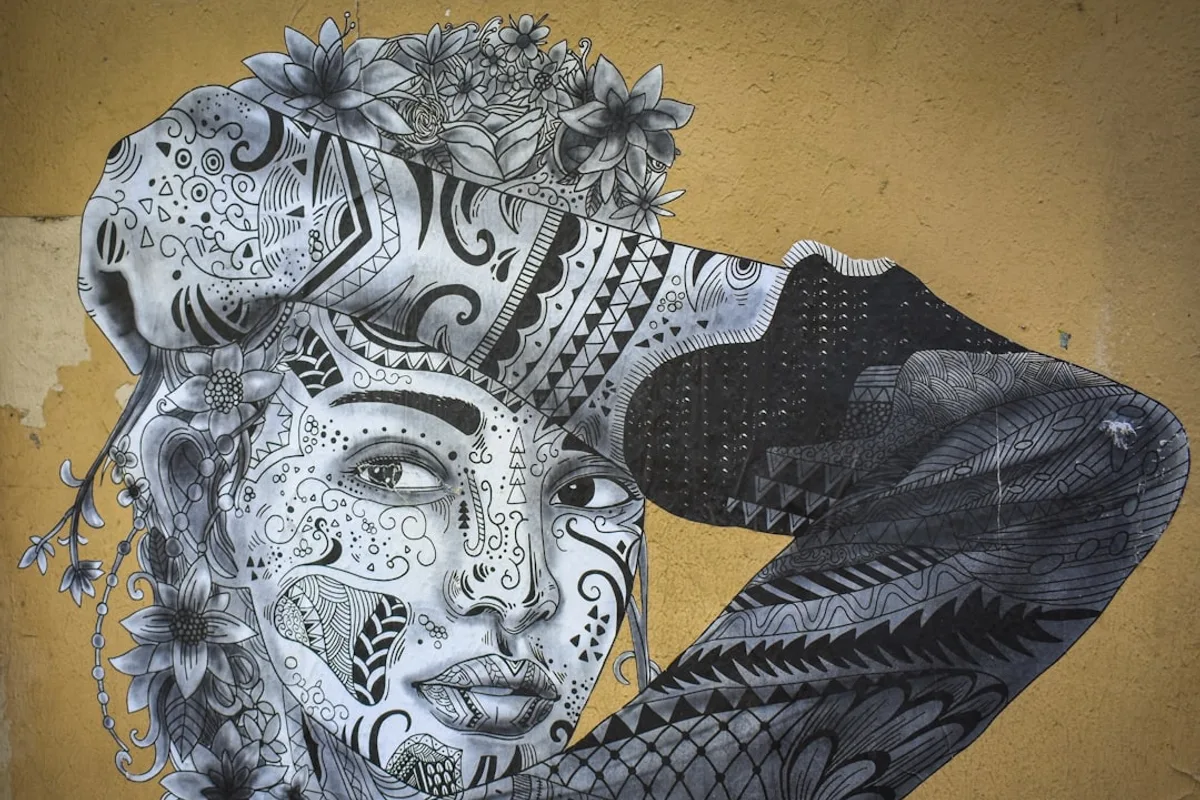
Body art is more than aesthetic; it is a profound expression of cultural identity and heritage. Across the globe, the cultural significance of tattoos and other body art traditions is deeply rooted in history. For instance, the Maori tattoos of New Zealand, known as ta moko, are not merely decorative but symbolize the wearer’s genealogy and social status. Similarly, in India, henna is traditionally applied during weddings and festivals, marking joyous occasions and transitions.
Many indigenous cultures use body art as a rite of passage, marking significant life events and transitions. These practices reflect personal and cultural identities, serving as a visual narrative of one’s journey. As we explore cultural significance, it’s vital to address the health and safety standards that accompany body art practices.
Cultural Significance of Body Art
The world of body art is a tapestry of cultural narratives, each thread telling a unique story of identity and tradition. Across the globe, body art varies significantly, reflecting diverse cultural practices. For instance, in Maori culture, moko tattoos are sacred, symbolizing spiritual significance and ancestral connections. Similarly, in India, henna is used in rites of passage, fostering community bonding.
In some African tribes, scarification marks important life stages, while Native American tribes use body art to convey spiritual beliefs and social status. Understanding the cultural dimensions of body art leads us to the crucial topic of health and safety standards.
Health and Safety Standards in Body Art
Safety should always be a priority in body art, as the risks involved can be significant if not properly managed. Health risks of tattoos and piercings include infections and allergic reactions. Only 30% of tattoo shops meet the highest health and safety standards, emphasizing the need for consumer awareness when choosing an artist.
Proper hygiene in body art, such as sterilized equipment and clean environments, is crucial. Aftercare instructions are equally important to prevent complications. Professional certifications play a vital role in ensuring these body art safety standards are met.
In addition to health protocols, understanding the regulations and certifications for artists is essential.
Regulations and Certifications for Artists
Navigating the world of body art requires an understanding of the regulations that protect both artists and clients alike. Many states have varying body art regulations, with some requiring artists to complete specific training programs before practicing. Certifications for tattoo artists, such as those from the Society of Permanent Cosmetic Professionals, ensure adherence to legal standards in body art.
With a grasp of regulations, let’s explore the essential tools and materials that artists use to create stunning body art.
Essential Tools and Materials for Body Art Techniques
The artistry of body art is not just in the hands of the artist but also in the quality of the tools and materials they use. For tattooing, a comprehensive tattoo equipment list includes machines, needles, and high-quality inks. Body painting requires brushes, sponges, and vibrant pigments, while piercing relies on sterilized needles and jewelry.
Quality materials are crucial for achieving safe and effective results. The shift towards eco-friendly inks and biodegradable materials is gaining traction in the body art community, reflecting broader environmental concerns. Sourcing these materials ethically and sustainably ensures not only the safety of the client but also the health of our planet.
Next, we will take a closer look at the inks and pigments that bring body art to life.
Inks and Pigments: What Artists Use
The choice of ink can make or break a body art piece, influencing not just aesthetics but also safety and longevity. Tattoo artists often use a variety of tattoo inks types, including traditional, UV-reactive, and vegan tattoo inks. Body painting pigments must be non-toxic and hypoallergenic to ensure safety.
Innovations in ink technology have introduced UV-reactive inks that glow under black light, adding a unique dimension to tattoos. Recent studies show that vegan inks are gaining popularity, with a 40% increase in usage among tattoo artists in the last few years. Following our discussion on inks, let’s examine the equipment and tools that artists rely on for their craft.
Body Art Equipment and Tools
Behind every stunning piece of body art lies a set of specialized tools that artists depend on to bring their visions to life. Key body art equipment includes tattoo machines, airbrushes, and sterilization tools. The advancement of rotary tattoo machines has revolutionized the industry, offering more versatility and precision than traditional coil machines.
Using high-quality, professional body art tools is crucial for safety and precision. Proper maintenance and care of these tools ensure their longevity and effectiveness. With the tools in hand, we can now compare popular body art techniques across different cultures.
Comparing Popular Body Art Techniques Across Cultures
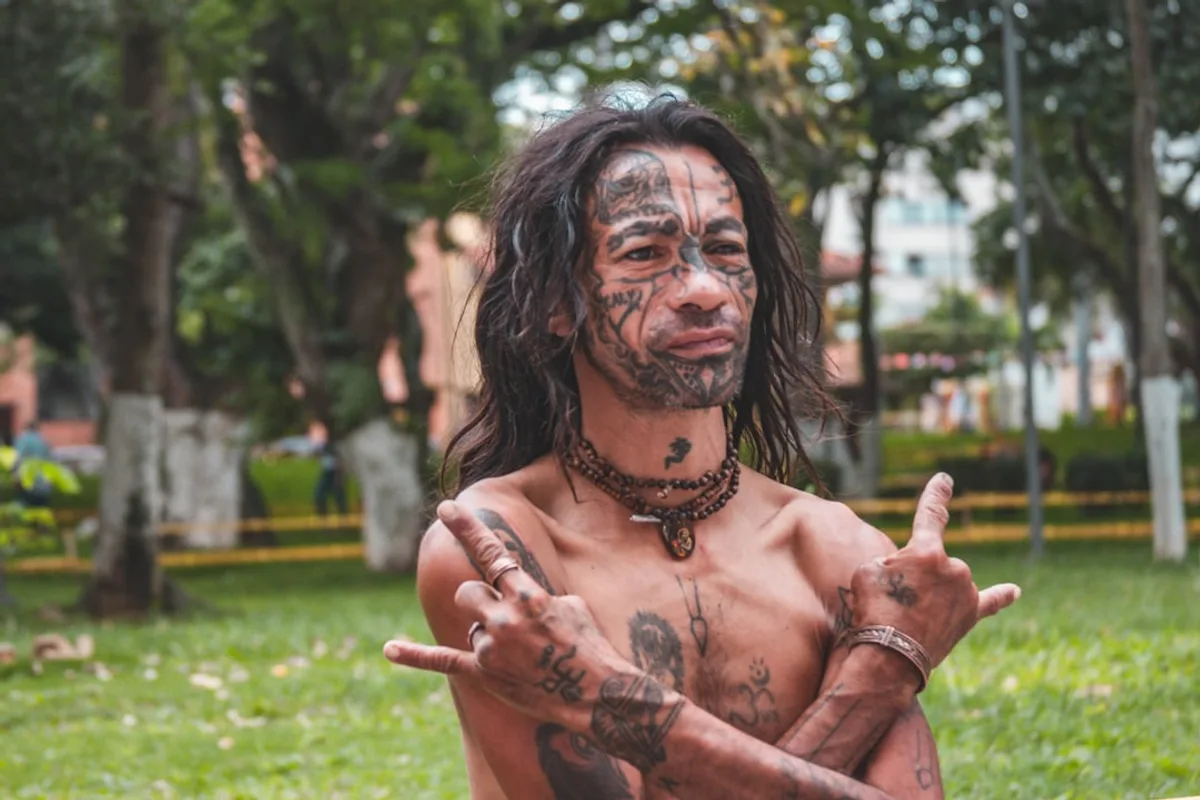
Comparing body art techniques requires a nuanced understanding of both aesthetic and cultural dimensions, revealing the depth of this art form. To effectively evaluate these techniques, consider criteria such as aesthetics, cultural significance, and execution methods. The 70/30 rule in body art suggests that 70% of a piece’s impact comes from its design, while 30% comes from the execution, emphasizing the importance of both creativity and skill.
| Technique | Aesthetic Appeal | Cultural Significance | Execution Method |
|---|---|---|---|
| Tattoos | Permanent, intricate designs | Varies from tribal to modern art | Needle and ink |
| Henna | Temporary, detailed patterns | Traditional in weddings and festivals | Natural dye application |
| Body Painting | Vivid, expressive colors | Used in ceremonies and performances | Brush and pigment |
Criteria for Evaluating Body Art Techniques
The lens through which we evaluate body art is colored by cultural narratives and personal experiences, making each piece unique. Factors such as cultural context, personal taste, and societal norms play pivotal roles. In some cultures, body art is not just an aesthetic choice but a crucial aspect of identity, often tied to heritage and community values.
| Factor | Influence on Body Art Perception |
|---|---|
| Cultural Context | Shapes significance and meaning, with some cultures prioritizing identity and heritage. |
| Personal Taste | Determines individual preferences for styles and techniques. |
| Societal Norms | Influences acceptance and popularity of certain body art forms. |
With an understanding of evaluation criteria, let’s look at the cultural variations and unique practices that define body art.
Cultural Variations and Unique Practices
Each culture tells a story through its body art, with unique techniques and meanings that enrich the global tapestry of creativity. From Maori tattooing, known as Ta Moko, to Indian henna designs, these practices vary in technique, symbolism, and societal acceptance, often marking life milestones like marriage or coming-of-age ceremonies.
| Culture | Technique | Symbolism | Societal Role |
|---|---|---|---|
| Maori | Ta Moko | Identity, lineage | Rituals, community identity |
| Indian | Henna | Prosperity, joy | Weddings, festivals |
As we explore these cultural practices, we must also consider what makes a technique stand out in the crowded world of body art.
What Makes a Technique Stand Out?
In a sea of creativity, certain body art techniques shine brighter, captivating audiences with their unique stories and execution. Techniques that incorporate storytelling elements or personal narratives tend to resonate more deeply with audiences, making them more memorable. Innovation and creativity play crucial roles in distinguishing one artist’s work from another’s.
| Technique | Distinctive Features |
|---|---|
| Tattoos | Personal narratives, cultural symbols |
| Body Painting | Vivid colors, temporary art |
| Henna | Intricate designs, cultural heritage |
| Body Piercings | Unique placements, jewelry choices |
With a comprehensive understanding of body art techniques, let’s turn our attention to user experiences and emerging trends.
User Experiences and Emerging Trends in Body Art
The stories behind body art are as diverse as the art itself, revealing a tapestry of personal journeys and innovative trends. Enthusiasts often share their experiences, highlighting the deep meanings and emotions tied to their pieces. For instance, a tattoo might symbolize a personal milestone or a tribute to a loved one.
Emerging trends like augmented reality tattoos and bioluminescent inks are reshaping the landscape. These innovations allow for dynamic and interactive designs, captivating both artists and clients. Personal stories in body art are increasingly shared on social media, leading to a 50% surge in interest for personalized experiences.
As we delve into user experiences, we must also consider the role of social media in popularizing body art.
Stories from Body Art Enthusiasts
Behind every tattoo lies a story, and the experiences of body art enthusiasts reveal the profound impact of this art form on their lives. Many individuals report that their body art has helped them cope with trauma, serving as a form of healing and empowerment. For instance, Kat Von D, a renowned tattoo artist, shares how her tattoos symbolize personal growth and transformation.
Body art testimonials often highlight personal stories tattoos that resonate deeply with others. These narratives contribute significantly to the body art culture, offering insights into the diverse meanings behind each piece. As John Mayer once said, “My tattoos are like a scrapbook of my life.” These personal stories are often amplified by social media, which plays a crucial role in shaping perceptions of body art.
New Trends Shaping the Future of Body Art
The future of body art is bright, with innovative trends that push the boundaries of creativity and technology. Emerging body art trends like minimalist tattoos and hyper-realistic designs are redefining the future of tattoos 2025. Augmented reality tattoos are gaining traction, allowing wearers to interact with their body art through apps, creating a dynamic experience.
Artists like Artist One and Studio Two are at the forefront, integrating technology in body art. As new trends emerge, social media continues to play a pivotal role in popularizing body art.
Social Media’s Role in Popularizing Body Art
In the digital age, social media has become the canvas for body art, shaping trends and connecting artists with a global audience. Platforms like Instagram and TikTok have democratized access to body art, allowing lesser-known artists to gain recognition and build a following rapidly.
The influence of Instagram on tattoos is profound, with viral body art trends often sparking industry-wide shifts. Artists now market themselves and connect with clients more effectively, showcasing their work to millions. With a thorough understanding of user experiences and social media’s influence, let’s address some frequently asked questions about body art.
FAQs About Popular Body Art Techniques
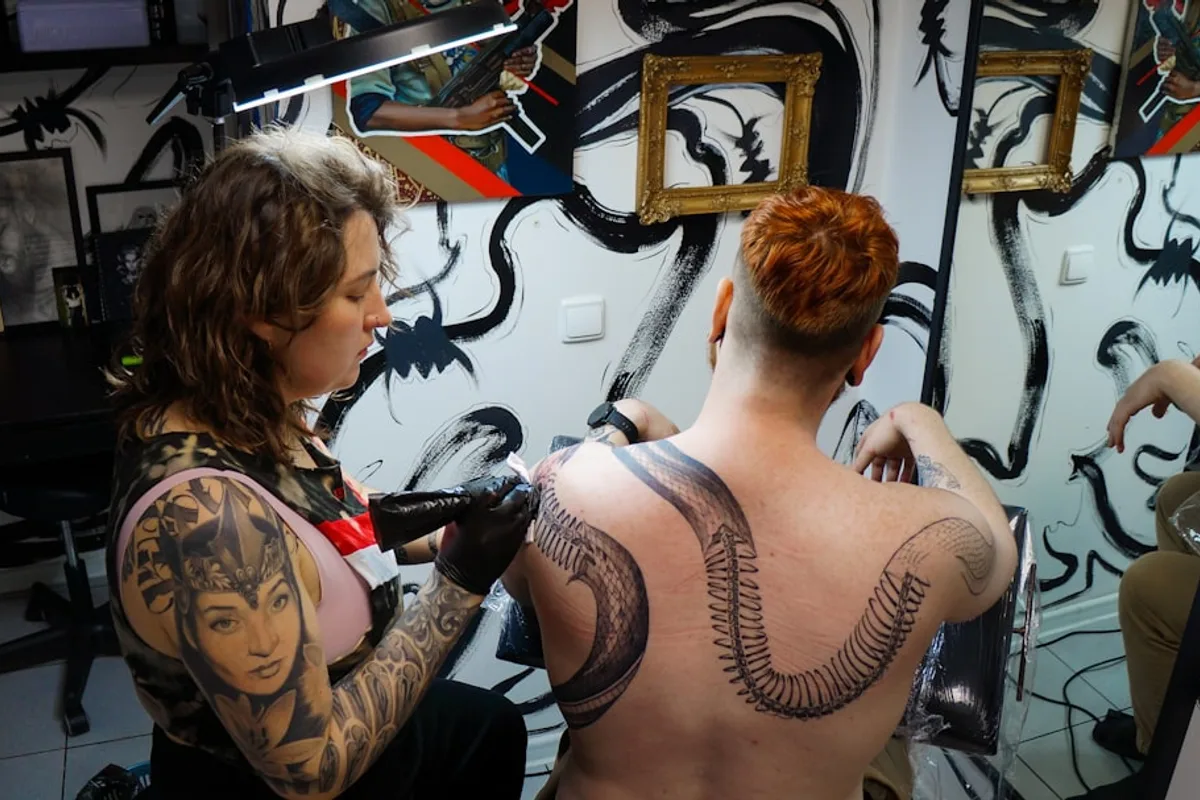
Curiosity about body art often leads to questions, and we’re here to provide clear answers to the most common inquiries.
-
What are the most frequently asked questions about popular body art techniques?
Common questions include safety concerns, cultural significance, and aftercare requirements. Many first-time tattoo clients are unaware of the aftercare needed, leading to a 15% increase in consultation requests before appointments. For more details, explore our resources.
What Are the Most Popular Body Art Techniques Today?
As body art continues to evolve, certain techniques have emerged as favorites among enthusiasts and newcomers alike. Tattoos remain the most popular form of body art, with over 30% of adults in the U.S. having at least one tattoo. Piercings, another popular choice, offer versatile options from ear lobes to more adventurous placements. Body painting, often seen at festivals and events, showcases temporary artistic expression. These techniques are embraced by various demographics, with younger generations particularly drawn to tattoos and piercings, while body painting appeals to those seeking a temporary yet impactful form of self-expression.
How Do I Choose the Right Body Art Technique for Me?
Choosing the right body art technique is a deeply personal decision that requires careful consideration of various factors. Reflect on your personal style, pain tolerance, and the cultural significance of the art form. Researching artists and styles is crucial; look for portfolios and reviews to ensure quality and compatibility with your vision. Consider your motivations for getting body art and how it aligns with your identity. Many individuals find that their choice of body art technique evolves over time, reflecting changes in personal identity and life experiences. This evolution can guide you toward a more personalized body art journey.
Are There Any Risks Associated with Body Art?
While body art can be a beautiful form of self-expression, it is not without its risks, making informed choices essential. Common risks of body art include infections, allergic reactions, and regret. Studies show that nearly 25% of individuals regret their tattoos, often due to impulsive decisions or lack of research. Choosing reputable artists and adhering to aftercare instructions can significantly reduce body art complications.
According to statistics, approximately 10% of people experience complications following body art procedures. To mitigate these risks, ensure your artist follows strict hygiene practices and provides clear aftercare guidelines.
How Can I Ensure My Body Art Is Safe and Hygienic?
Ensuring the safety and hygiene of body art is paramount, as it directly impacts the health and longevity of your piece. Start by selecting a certified artist known for adhering to safe body art practices. Research indicates that only 40% of tattoo studios adhere to the strictest hygiene protocols, underscoring the importance of client diligence.
- Verify the studio’s sterilization and hygiene standards.
- Ensure all equipment is properly sterilized before use.
- Follow aftercare instructions meticulously to prevent infections.
Resources like the Alliance of Professional Body Artists can help find certified artists and studios.
Key Takeaways About Popular Body Art Techniques
As we conclude our exploration of popular body art techniques, it’s clear that this art form is as diverse as the individuals who embrace it. Understanding the various methods, from tattoos and body painting to henna and body piercings, is essential for anyone considering body art. Each technique carries its own cultural significance and safety considerations, which were highlighted throughout the article.
The body art landscape is rapidly evolving, with emerging trends reflecting broader societal changes and personal narratives. This evolution underscores the importance of staying informed about the latest techniques and their implications. By doing so, enthusiasts can engage with body art in a way that is both safe and meaningful.
Embrace the journey of self-expression with informed enthusiasm, and remember that body art is not just about aesthetics, but also about personal storytelling and cultural heritage. Book your consultation today to start designing your one-of-a-kind tattoo! Whether you’re new to body art or a seasoned aficionado, these insights will guide you in making thoughtful choices.
Leave a Reply