Why Custom Tattoo Designs Are Essential for Personal Expression
Have you ever wondered why custom tattoo designs resonate so deeply with individuals? Custom tattoos are crucial for personal expression as they allow people to tell their unique stories and showcase their identities. Unlike flash designs, custom tattoos are tailored to reflect personal narratives and experiences, often serving as a therapeutic outlet for those coping with loss or trauma.
Statistics reveal that over 60% of tattoo enthusiasts opt for custom designs over pre-made flash options. Tattoo enthusiasts often share that these personalized creations help them feel more connected to their body art. As one enthusiast noted, “My custom tattoo is a visual diary of my life’s journey.”
Understanding the meaning behind custom tattoos sets the stage for exploring the various styles available.
Popular Tattoo Styles for Custom Designs
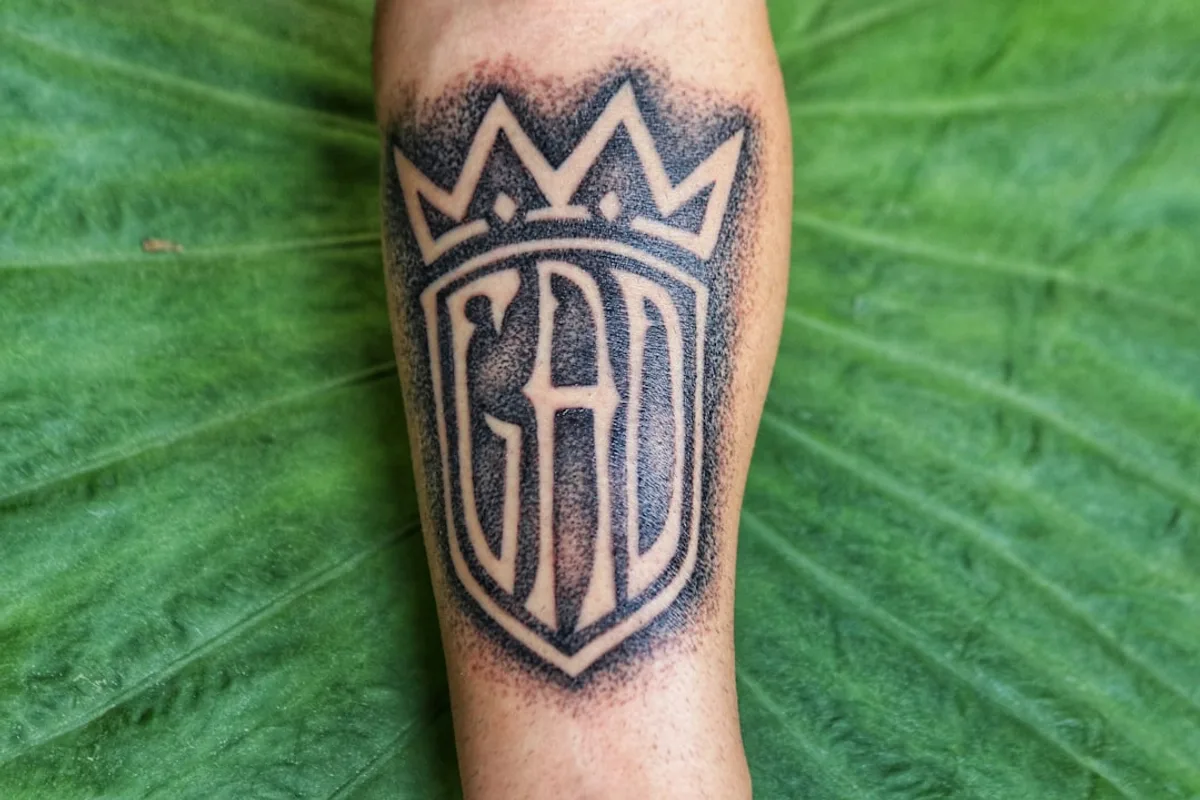
From traditional to modern, the world of tattoo styles offers endless possibilities for customization. Popular tattoo styles such as traditional, realism, and tribal serve as a foundation for unique tattoo designs. Styles like watercolor are gaining traction for their artistic expression and personal storytelling.
- Traditional: Known for bold lines and vibrant colors, often customized with personal symbols.
- Realism: Offers lifelike portraits and scenes, tailored to capture personal memories.
- Tribal: Features intricate patterns that can be personalized to reflect cultural heritage.
Statistics show that traditional tattoos remain popular among older demographics, while younger individuals increasingly favor realism and watercolor styles. Delving deeper, we will explore specific styles that can elevate your custom tattoo experience.
Traditional and New School Styles
Are you torn between the classic charm of Traditional tattoos and the vibrant flair of New School designs? Traditional tattoo style, exemplified by artists like Sailor Jerry, features bold lines and a limited color palette. In contrast, New School tattoo characteristics, inspired by pop culture, boast bright colors and exaggerated designs, appealing to younger audiences.
Clients often praise Traditional tattoos for their cultural significance and timeless appeal, while New School tattoos are celebrated for their creativity and modern twist. As one enthusiast noted, “My New School tattoo perfectly captures my love for comics and stands out like no other.”
Next, we will explore the world of Realism and Portrait tattoos, known for their lifelike representations.
Realism and Portrait Tattoos
What if your favorite photograph could be immortalized on your skin in stunning detail? Realism and portrait tattoos achieve this through advanced techniques like shading and color blending. These methods create lifelike images that capture the essence of the subject.
Famous portrait tattoos often tell compelling stories, such as tributes to loved ones or iconic figures. To excel in this style, portrait tattoo artists must possess a deep understanding of light, shadow, and anatomy, often drawing on a background in fine arts.
Realism tattoo techniques make these designs unique in custom tattoos, offering unparalleled personal expression. Following this, we will dive into the captivating world of Tribal and Geometric patterns.
Tribal and Geometric Patterns
Can a simple pattern tell a story of heritage and identity? Tribal and Geometric tattoos certainly can. Tribal tattoos often have deep cultural significance, with specific patterns representing different tribes or clans, making them a powerful choice for personal identity. Geometric tattoo designs focus on symmetry and shapes, offering a modern twist to traditional styles.
These patterns can be customized by incorporating personal symbols or blending geometric elements with traditional designs. For instance, a client might choose to integrate a family crest within a tribal motif, or add geometric shapes to enhance the visual impact of a custom tribal tattoo.
Now that we’ve covered popular styles, let’s move on to the process of creating your own custom tattoo design.
How to Create Your Custom Tattoo Design: A Step-by-Step Guide
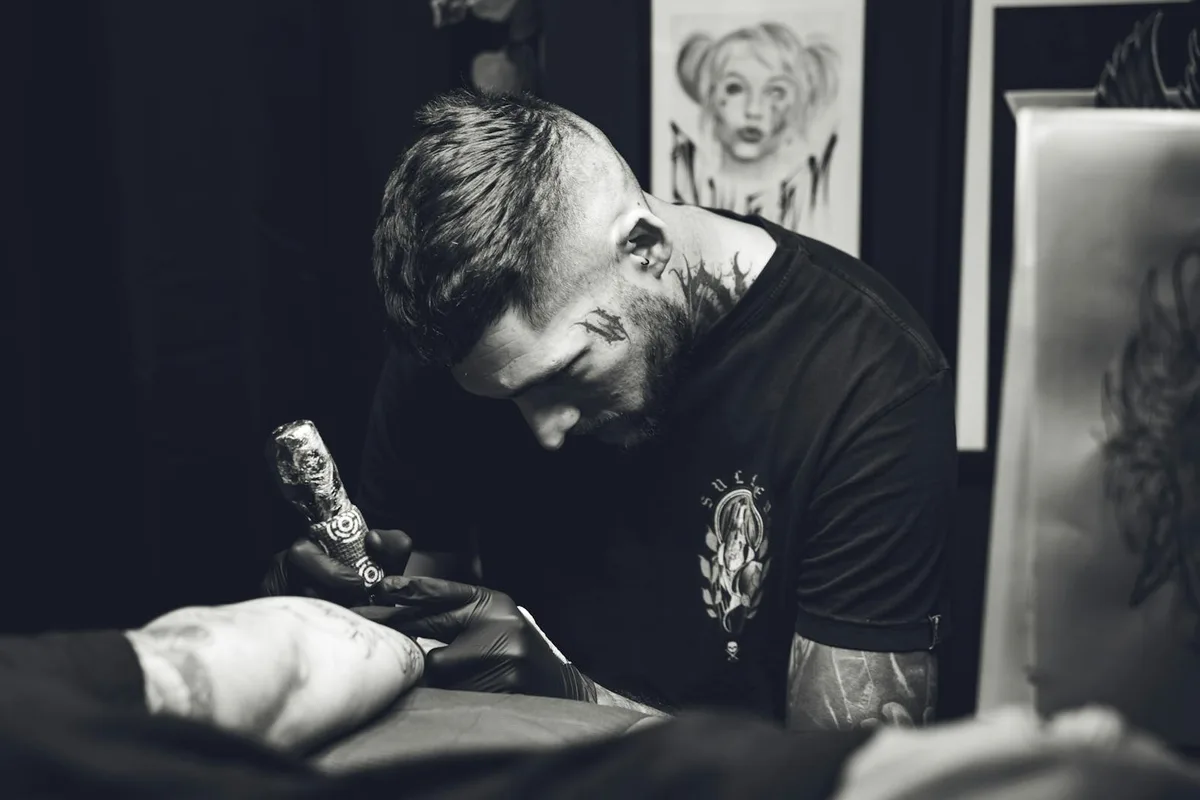
Are you ready to turn your tattoo vision into reality? It all starts with a meaningful consultation. Here’s how to navigate your custom tattoo consultation effectively:
- Understand Your Needs: Clearly outline your preferences and style, whether it’s traditional, tribal, or floral.
- Prepare for the Meeting: Bring reference images to enhance communication and ask about the tattoo design process.
- Communicate Effectively: Use descriptive language and actively listen to your artist’s suggestions.
Once the concept is set, the next phase involves drafting the design and making revisions.
Initial Consultation and Concept Development
How do you transform a fleeting idea into a stunning tattoo design? It starts with effective concept development. During this phase, collaborating with tattoo artists is key. Here’s how:
- Brainstorm Ideas: Share your vision and any inspiration images or mood boards. This helps artists visualize your desired outcome.
- Communicate Clearly: Discuss tattoo styles and preferences to ensure alignment.
- Provide Feedback: Offer constructive feedback and be open to artist suggestions.
- Trust and Dialogue: Maintain open communication to build trust and refine the concept collaboratively.
After the concept is solidified, we move into the crucial stage of design drafting and revisions.
Design Drafting and Revisions
Are you ready to see your tattoo come to life? The drafting phase is where your vision begins to take shape. Here’s what to expect during the tattoo design drafting and revision process:
- Initial Draft: Artists often use digital software to create tattoo designs, allowing for easier adjustments and visualization. Hand-drawn sketches may also be used.
- Client Feedback: Your input is crucial. Expect to provide feedback on elements like size, color, and style.
- Revisions: Typically, 2-3 revisions are needed. Common changes include adjusting details or modifying colors.
Once the design is finalized, it’s time to prepare for the actual tattooing process. For more on tattoo styles and design processes, visit Tattoodo.
Finalizing the Design and Preparing for the Tattoo
Are you ready to make your custom tattoo a reality? Finalizing your design is the last step before the needle touches skin. Here’s how to finalize your custom tattoo design and prepare for the tattoo appointment:
- Design Approval: Review the final sketch with your artist, discussing placement and size, which can greatly affect the final look.
- Skin Care: Keep your skin moisturized and avoid sun exposure to ensure it’s in optimal condition.
- Mental Preparation: Relax and mentally prepare for the tattooing process, which can vary in sensation and duration.
- Expectations: During tattooing, expect some discomfort and follow your artist’s instructions for the best experience.
With your design ready, the next important step is choosing the right tattoo artist to bring your vision to life.
Choosing the Right Tattoo Artist for Your Custom Design
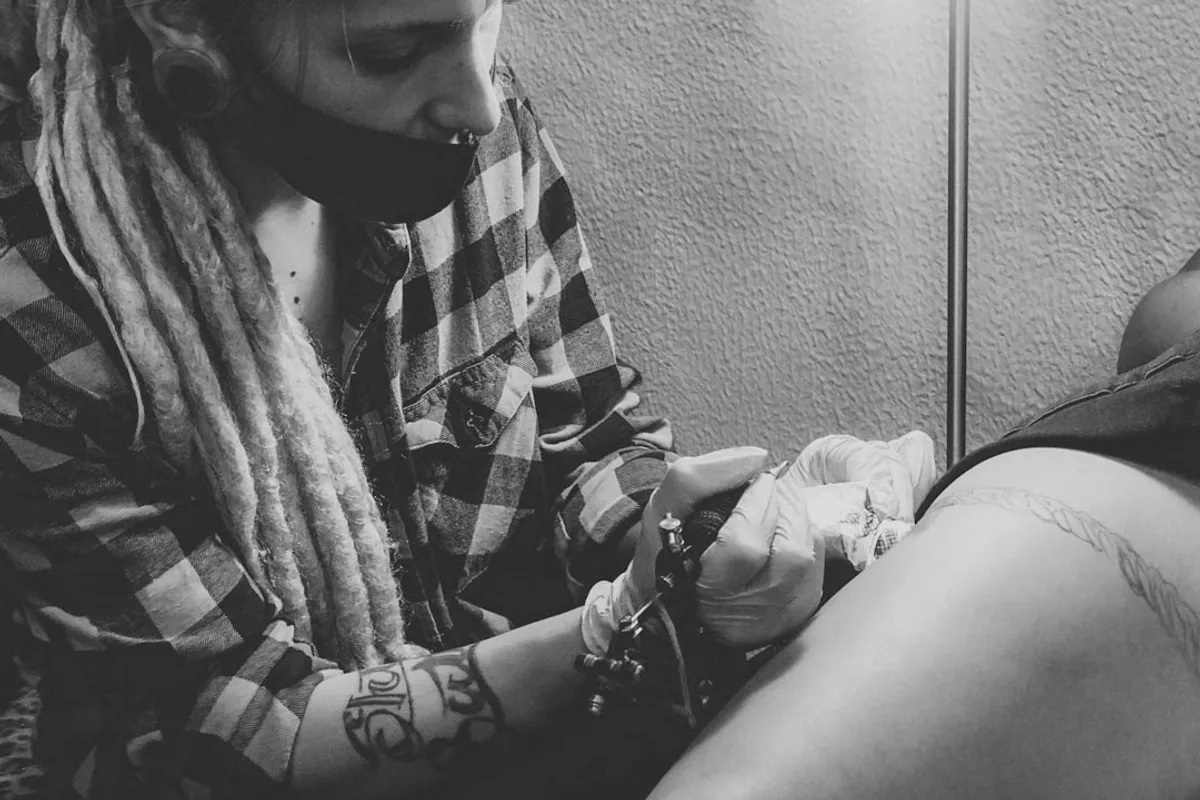
Are you prepared to find the perfect tattoo artist for your unique design? The right choice can make all the difference. When choosing a tattoo artist, consider their style, experience, and communication skills. Many tattoo artists specialize in specific styles, so finding one whose portfolio aligns with your vision is crucial for a successful outcome.
Explore online platforms like Instagram and Tattoodo, or visit local shops to find reputable artists. During initial meetings, gauge professionalism by observing their attention to detail and willingness to discuss your ideas. Next, we will delve into how to research artist portfolios and styles to ensure a good match.
Transformative Cover-Up Tattoos
What if a past regret could be transformed into a beautiful new piece of art? Cover-up tattoos do just that. These transformative tattoo stories highlight how skilled artists use advanced tattoo cover-up techniques to mask old designs, requiring a deep understanding of color theory and design.
Clients often share testimonials about their cover-up experiences, expressing gratitude for the fresh start. Artists must possess the ability to envision new art that harmonizes with, yet conceals, the original tattoo. This skill is crucial for achieving successful cover-up tattoo transformations.
Next, we’ll look at inspirational tattoos from famous personalities and the stories that influenced their designs.
Inspirational Tattoos from Famous Personalities
What can we learn from the tattoos of famous personalities? Their ink often tells powerful stories of identity and resilience. For instance, Dwayne “The Rock” Johnson sports a Samoan tribal tattoo that represents his heritage and personal journey. Angelina Jolie has several tattoos, including coordinates of her children’s birthplaces, symbolizing her devotion to family.
Many celebrities choose tattoos that represent pivotal moments in their lives, often using them as a form of self-expression and empowerment. As Jolie once said, “My tattoos are a reflection of my life.” With these stories in mind, it’s time to compare different tattoo design platforms and services available.
Recommendations for Different Needs
Are you ready to find the perfect tattoo design platform for your needs? Let’s explore tailored recommendations just for you. Many users find that platforms specializing in specific styles or artist collaborations yield better results for custom designs.
| Need | Platform | Features | User Testimonial |
|---|---|---|---|
| First-Time Tattoo Seekers | InkedBeginner | Easy navigation, beginner guides | “Perfect for my first tattoo!” |
| Complex Designs | ArtisticInk | Advanced design tools, artist collaborations | “Brought my intricate design to life!” |
With all this information, let’s address some frequently asked questions about custom tattoos.
FAQ: Common Questions About Custom Tattoos
Have questions about custom tattoos? You’re not alone—let’s tackle some of the most frequently asked questions.
- How much do custom tattoos cost?
Prices vary based on size, complexity, and artist expertise. Learn more about tattoo pricing. - How long does it take to design a custom tattoo?
Design time can range from a few days to weeks, depending on the detail required. - Are there risks involved with getting a tattoo?
Yes, including allergic reactions and infections. Proper aftercare is crucial for healing and appearance.
For those wondering about costs, we will now explore how much custom tattoos typically cost.
How Much Do Custom Tattoos Typically Cost?
Wondering how much your dream tattoo will cost? Let’s break down the factors that influence custom tattoo pricing. Average tattoo costs vary widely, often influenced by size, complexity, and the artist’s experience. Some artists charge by the hour, while others offer flat rates based on design intricacy.
| Factor | Impact on Cost |
|---|---|
| Size | Larger tattoos generally cost more. |
| Complexity | Intricate designs can increase prices significantly. |
| Artist Experience | More experienced artists may charge higher rates. |
| Location | Prices can vary by city and studio reputation. |
Clients often share that understanding tattoo price factors helps in budgeting effectively. Next, we will discuss the typical timeline for the custom design process.
Are There Any Risks Associated with Custom Tattoos?
Are you aware of the potential risks that come with custom tattoos? Understanding these can help you make informed decisions. Risks of custom tattoos include allergic reactions and infections. Choosing a reputable artist is crucial to mitigate these risks. Many clients are unaware that certain skin types may react differently to ink, so a patch test is advisable for those with sensitive skin.
- Tattoo Safety Tips: Ensure the artist uses sterilized equipment and high-quality ink.
- Tattoo Aftercare: Follow the artist’s aftercare instructions to prevent complications.
Leave a Reply