Why Designing a Custom Tattoo is Essential for Personal Expression
Have you ever wondered why custom tattoos resonate so deeply with individuals? Designing a custom tattoo is crucial for personal expression because it allows individuals to showcase their unique identity and life stories. In fact, 70% of tattooed individuals cite personal meaning as their primary motivation.
Many people choose custom tattoos to commemorate significant life events, such as births or losses, adding a layer of emotional depth to the art. Famous tattoos, like Johnny Depp’s “Winona Forever” or Angelina Jolie’s coordinates, highlight personal stories and connections.
Now that we understand the importance of custom tattoos, let’s explore the step-by-step process of designing one.
How to Design a Custom Tattoo: A Step-by-Step Guide
Ready to turn your tattoo vision into reality? Here’s how to design a custom tattoo step by step!
- Brainstorm Ideas: Start by conceptualizing themes and elements that resonate with you.
- Gather Inspiration: Use platforms like Pinterest or Instagram to collect images and ideas. Mood boards can visually communicate your vision to the artist more effectively than words alone.
- Collaborate with Your Artist: Work closely with your tattoo artist to refine and finalize the design.
The first step in this journey is gathering inspiration and ideas for your tattoo.
Gathering Inspiration and Ideas
Inspiration is the first step to a great tattoo design—where will yours come from? Here’s how to gather inspiration for your custom tattoo design:
- Explore tattoo inspiration sources such as nature, art, and personal experiences to spark ideas.
- Start creating a tattoo mood board that reflects your desired themes and styles. This visual tool helps in visualizing ideas and serves as a reference point during consultations with tattoo artists.
- Look at examples of successful mood boards from past clients to see how they organized their tattoo design ideas.
Once you have your inspiration, it’s time to translate those ideas into initial sketches.
Creating Initial Sketches and Concepts
Sketching your tattoo ideas is where creativity meets craftsmanship—are you ready to put pencil to paper? Here are some tattoo sketching techniques to help you create initial tattoo design sketches:
- Start with Simple Shapes: Many artists recommend beginning with basic shapes. This approach allows you to gradually add details, leading to unexpected and creative outcomes.
- Refine Your Sketches: Once you have your basic shapes, refine them into more polished concepts by focusing on lines and shading.
- Review and Evolve: Compare your initial sketches with final designs to see how they evolved. This process helps in understanding how to sketch a tattoo effectively.
With initial sketches in hand, the next step is refining your design for clarity and detail.
Refining Your Tattoo Design
Refining your tattoo design is where the magic happens—how can you make it truly shine? Consider these steps:
- Seek Feedback: Engage with artists or peers to gather insights and suggestions for improvement.
- Enhance Details: Focus on line work and shading, considering how the design will age over time.
- Ensure Flow: Adjust the design to complement the body’s natural curves for a harmonious look.
Now that your design is refined, let’s discuss how to choose the right style and placement for your tattoo.
Choosing the Right Style and Placement for Your Custom Tattoo
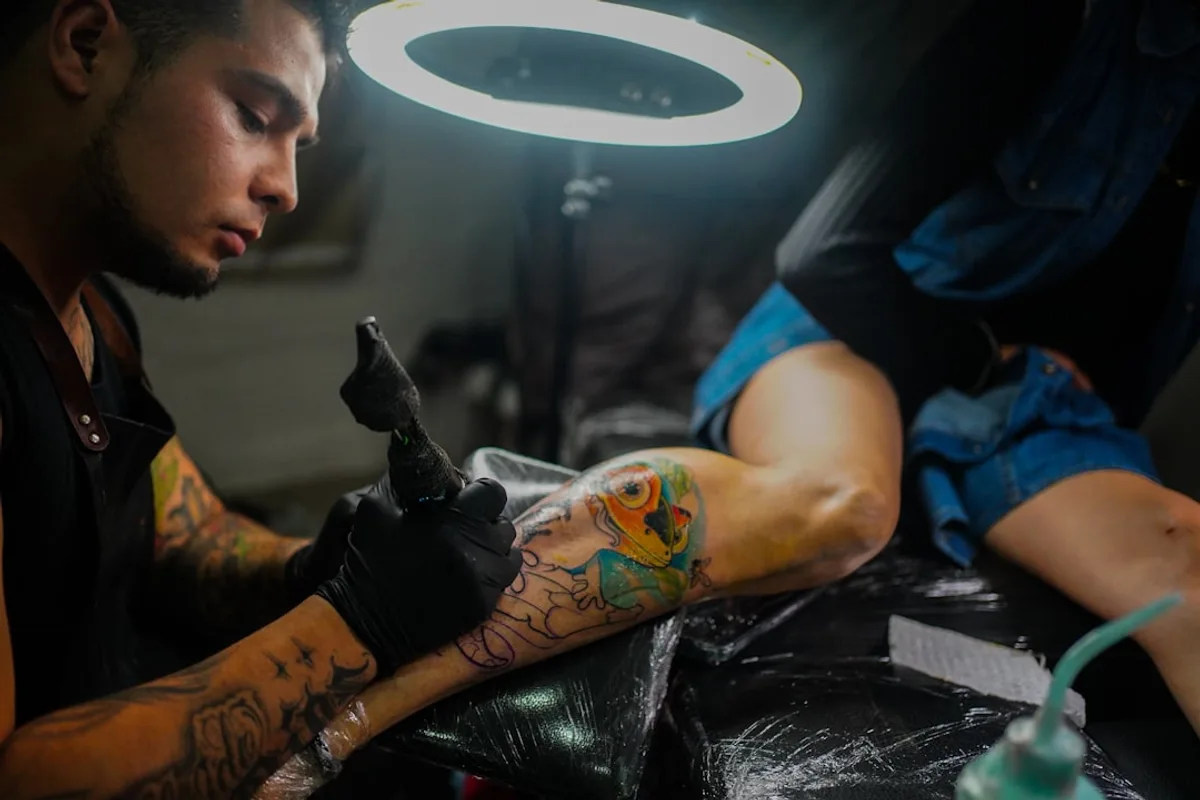
Choosing the right style and placement for your tattoo can enhance its meaning—what will you choose? Popular tattoo styles such as traditional, watercolor, and geometric each offer unique characteristics. For instance, traditional tattoos are known for bold lines and vibrant colors, while watercolor designs mimic the fluidity of paint. Placement plays a crucial role; a geometric tattoo on the forearm may emphasize its symmetry, while Japanese Irezumi on the back can convey cultural depth and historical significance.
Let’s dive deeper into the most popular tattoo styles to help you make an informed decision.
Popular Tattoo Styles to Consider
From intricate tribal designs to minimalist lines, the world of tattoo styles is vast—what speaks to you? Tribal tattoos, rooted in ancient Polynesian traditions, tell stories of lineage and personal achievements. Neo-traditional tattoos blend bold lines with vibrant colors, offering a modern twist on classic designs. Realism tattoos capture lifelike details, often portraying portraits or nature scenes.
Each style carries its own cultural or personal significance, allowing you to express your unique story. For an in-depth look at these styles, visit Tattoodo. Understanding placement is just as crucial as style; let’s explore how to choose the right location for your tattoo.
Factors Influencing Tattoo Placement
The placement of your tattoo can make or break its impact—what will you consider before inking? A comprehensive tattoo placement guide suggests evaluating visibility, pain level, and body flow. For instance, tattoos on joints may age differently due to movement, while flatter areas offer stability for intricate designs.
Consider how different body parts can affect the design’s appearance. A tattoo on the forearm might emphasize detail, whereas a back piece could highlight a larger narrative. Choosing a location that complements the design’s story enhances both aesthetics and personal comfort.
Now, let’s discuss how to balance style and placement for the best visual effect.
Balancing Style and Placement for Optimal Impact
Achieving harmony in your tattoo design requires a delicate balance—how will you find yours? Balancing tattoo style and placement is crucial for enhancing the overall design. For instance, a flowing script on the ribcage can follow the body’s natural contours, creating a dynamic visual experience. Avoid placing intricate designs on areas with frequent movement, like elbows, to maintain clarity.
Consider how muscle movement and body contours can enhance the tattoo design flow. For example, a dragon wrapping around the arm can appear more lifelike as it moves with your muscles. Next, we will explore the 1/3 rule, a vital principle in tattoo design that can elevate your artwork.
Applying the 1/3 Rule for Better Tattoo Designs
Have you ever heard of the 1/3 rule? This simple principle can transform your tattoo design! The 1/3 rule, often used in photography, is a powerful tool for enhancing tattoo designs by creating a more engaging visual narrative. It helps in guiding the placement of elements within the tattoo, ensuring a balanced composition.
- What is the 1/3 rule? It’s a guideline that divides the design into thirds, both horizontally and vertically, to position key elements.
- Improving tattoo designs: By aligning features along these lines, you create a dynamic and visually appealing tattoo composition.
- Effective examples: Consider tattoos with focal points like a rose or a compass placed at the intersections of these lines.
Let’s take a closer look at practical examples of the 1/3 rule in action.
Understanding the 1/3 Rule in Tattoo Design
Understanding the 1/3 rule can elevate your tattoo design—are you ready to learn how?
- 1/3 Rule Explained: This principle divides a design into thirds, creating visual balance and interest.
- Application: Use it in various tattoo styles by placing key elements at these intersections.
- Visualization Tips: Sketch your design on grid paper to see potential placements.
- Unexpected Enhancements: Many artists find that using this rule can lead to unique, aesthetically pleasing placements.
Now, let’s look at real-world examples that illustrate the 1/3 rule in tattoo designs.
Examples of the 1/3 Rule in Action
Seeing is believing—let’s explore tattoos that perfectly embody the 1/3 rule!
- Floral Sleeve: A floral sleeve tattoo uses the 1/3 rule to balance intricate details with negative space, enhancing visual engagement.
- Geometric Patterns: Before-and-after comparisons show how geometric tattoos achieve harmony by strategically placing elements within one-third of the design area.
- Animal Portraits: Many successful tattoo artists intuitively apply the 1/3 rule, creating portraits that feel balanced and naturally appealing.
With design principles in mind, let’s discuss how to ensure your tattoo lasts and remains vibrant.
Tips for Ensuring Your Tattoo’s Longevity and Visibility
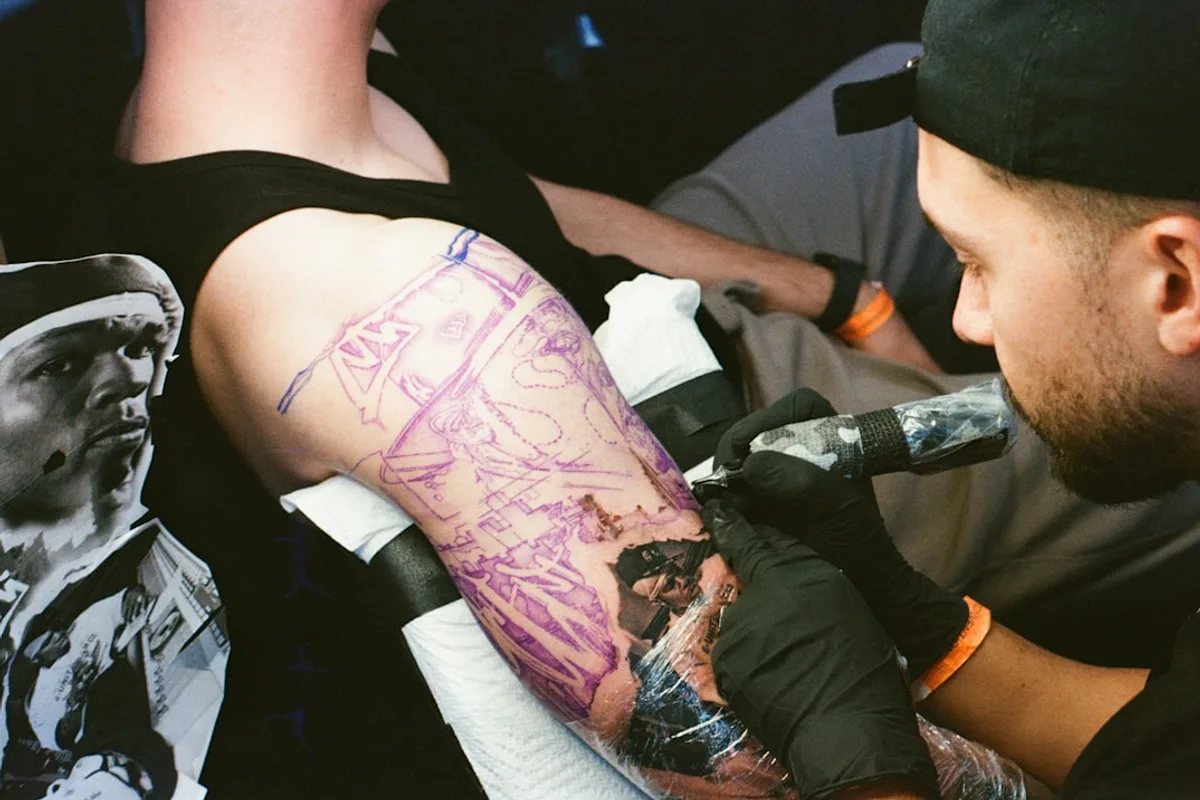
Want your tattoo to stand the test of time? Quality matters—here’s what to consider! Using high-quality tattoo inks is crucial as it impacts both the longevity and vibrancy of your tattoo. Some inks are prone to fading faster, altering the appearance over time. Statistics show that tattoos with premium inks maintain their colors up to 30% longer.
Choose reputable tattoo artists known for their superior techniques and materials. Look for portfolios showcasing their work’s durability and vibrancy. After getting your tattoo, proper care is essential; let’s discuss aftercare tips.
Choosing High-Quality Inks and Techniques
Choosing the right ink can make all the difference—are you ready to learn what to look for? Understanding the types of tattoo inks is crucial. Organic inks, while often touted for safety, can fade quicker than synthetic inks, impacting long-term satisfaction. Synthetic inks, known for their vibrant colors, are generally more durable.
Equally important are tattoo techniques for longevity. Techniques like layering and shading can enhance a tattoo’s vibrancy and lifespan. Seek artists renowned for using high-quality materials, such as those specializing in vivid color work and intricate designs.
Proper aftercare is just as crucial; let’s explore how to care for your tattoo post-session.
Caring for Your Tattoo After the Session
Your tattoo’s longevity starts with aftercare—do you know how to keep it looking fresh? Begin by gently cleaning the area with mild soap and water, then apply a fragrance-free moisturizer. Avoid sun exposure and soaking in water. Follow these tattoo aftercare tips for 2-4 weeks to ensure optimal healing. Proper care can reduce the risk of infections and fading significantly. Avoiding common mistakes is key to tattoo durability; let’s discuss what to watch out for.
Avoiding Common Mistakes That Affect Tattoo Durability
Want your tattoo to last? Avoid these common mistakes that could ruin your ink! Picking at scabs or using harsh soaps can significantly impact tattoo durability. Lifestyle choices like smoking and excessive sun exposure also play a role. Additionally, certain medications can affect healing and longevity, making it crucial to consult with professionals beforehand.
Before getting a tattoo, it’s important to consider health factors; let’s explore what you need to know.
Health Considerations Before Getting a Tattoo
Your health plays a crucial role in your tattoo journey—are you aware of what to consider? Assessing your skin type and any pre-existing health conditions is vital. Certain autoimmune diseases can lead to complications during the tattooing process, making it essential to consult a healthcare provider beforehand. Additionally, some medications may affect tattoo healing, so discuss these with your doctor. For personalized tattoo safety tips, always consult with professionals.
Let’s dive deeper into specific health conditions and how they relate to getting tattoos.
Assessing Your Skin Type and Health Conditions
Your skin type can significantly influence your tattoo experience—do you know how? Oily skin may cause ink to spread, while dry skin might lead to uneven healing. Individuals with sensitive skin may experience more irritation during the tattoo process, necessitating special care and techniques from the artist.
For those with conditions like eczema or psoriasis, tattooing can be complicated. It’s crucial to consult with a dermatologist before proceeding. Preparing your skin by moisturizing and avoiding flare-ups can help improve outcomes.
Understanding allergies and infections is crucial; let’s explore these health considerations.
Understanding Tattoo Allergies and Infections
Allergies and infections can ruin your tattoo experience—are you prepared to avoid them? Tattoo allergies often arise from inks containing metals, triggering reactions like redness or itching. Identifying tattoo infection signs, such as swelling or pus, is crucial. Opt for hypoallergenic tattoo inks and perform patch tests to protect sensitive skin.
Consulting with professionals is vital; let’s discuss how to ensure safe tattoo practices.
Consulting with Professionals for Safe Tattoo Practices
Your tattoo journey should be safe and informed—are you ready to consult the right professionals? Before getting inked, especially if you have health conditions, consult a healthcare provider. They can assess any risks and guide you accordingly. Many tattoo artists are also knowledgeable about skin health and offer personalized advice based on your unique circumstances.
During consultations, ask about safe tattoo practices, sterilization methods, and aftercare tips. Inquire about their experience with similar designs and any specific health considerations. For more on safe tattoo practices, visit CDC Tattoo Safety.
Finally, let’s address some common questions about designing custom tattoos.
Frequently Asked Questions About Designing Custom Tattoos
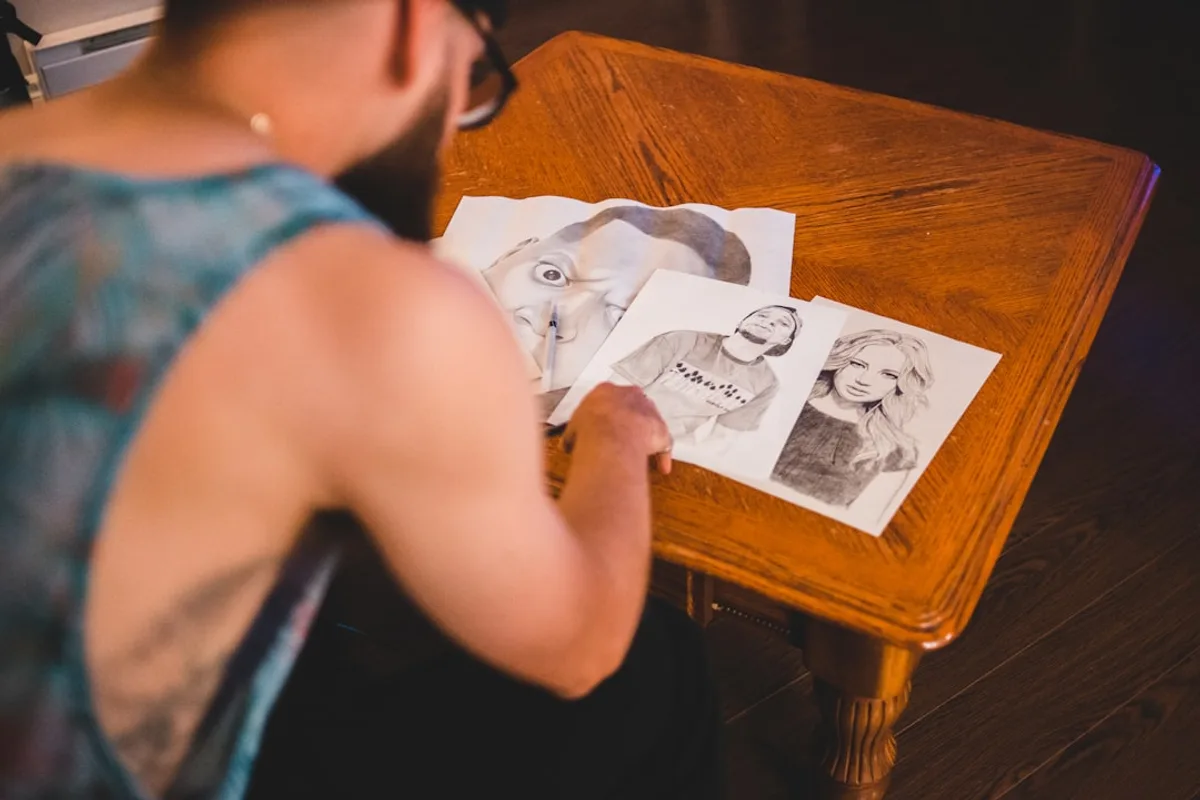
Got questions about custom tattoos? You’re not alone—let’s explore the answers!
- What are the most frequently asked questions about designing custom tattoos?
Let’s dive into specific inquiries, starting with how to choose the right tattoo artist.
What Should I Consider When Choosing a Tattoo Artist?
Choosing the right tattoo artist is crucial—what factors will guide your decision? Consider the artist’s style, experience, and portfolio. Research thoroughly and interview potential artists to gauge their expertise. Testimonials from satisfied clients can offer valuable insights. Personal rapport can significantly affect the overall experience. Next, let’s address how to determine if a design is right for you.
- Review their portfolio for style compatibility.
- Check their experience level and past work.
- Conduct interviews to assess communication and rapport.
How Do I Know If a Design is Right for Me?
Not every design is meant to be inked—how can you be sure yours is the right fit? Start by evaluating tattoo designs that resonate with your personal narrative and style. Visualizing a tattoo on the body through digital mock-ups can help clients feel more confident in their design choice before inking. Seek feedback from trusted friends or family for a personal tattoo assessment. Let’s explore whether it’s possible to change a tattoo design after it’s created.
Can I Change My Tattoo Design After It’s Created?
Changing your tattoo design is possible—do you know how to navigate that process? Tattoo cover-up options and modifications allow for design changes, even after the ink has dried. Many clients successfully modify tattoo artwork, with artists suggesting styles that adapt well to cover-ups. Consult your artist to explore possibilities and ensure a seamless transformation.
Finally, let’s discuss the timeline for the custom tattoo design process.
How Long Does the Custom Tattoo Design Process Take?
Curious about the timeline for your custom tattoo? Here’s what to expect! The custom tattoo design process typically spans from a few weeks to several months. Initial consultations, design refinement, and final inking are key stages. Factors like artist availability and design complexity can extend the duration. Many clients underestimate the time needed, often leading to rushed decisions and unsatisfactory outcomes.
Testimonials reveal varied experiences: some clients complete the process in a month, while others may wait longer due to intricate designs. As we wrap up, let’s summarize the key takeaways about designing custom tattoos.
Key Takeaways About Designing Custom Tattoos
Designing a custom tattoo is a journey—what are the key takeaways to remember? First, consider the essential steps: conceptualize your ideas, create a mood board, and collaborate closely with your artist. Personal expression is paramount, so ensure your design reflects your unique story. Quality and health considerations should never be overlooked; choose a reputable artist and prioritize safety. Taking the time to thoughtfully consider each aspect of tattoo design can lead to a more fulfilling and meaningful tattoo experience. Book your consultation today to start designing your one-of-a-kind tattoo!
Leave a Reply