Why Custom Tattoos Are Unique and Essential
What makes a custom tattoo a true reflection of your identity? Custom tattoos are vital for personal expression because they are tailored to the individual, capturing unique stories, emotions, and experiences. These tattoos serve as a canvas for creativity, allowing both the artist and the wearer to collaborate on a design that is deeply personal and meaningful.
Custom tattoos hold personal significance as they are often designed with specific symbols, dates, or images that resonate with the individual. This personal touch transforms a tattoo from mere body art into a cherished emblem of one’s life journey. The importance of custom tattoos lies in their ability to convey personal narratives and cultural elements, weaving a rich tapestry of meaning unique to each person.
Creativity plays a pivotal role in custom tattoo design. Artists and clients work together to create designs that not only reflect personal stories but also often incorporate elements from various cultures. This collaborative process results in a piece of art that is both visually striking and deeply significant.
In recent years, the popularity of custom tattoos has surged. Statistics show a significant increase in people opting for bespoke designs over generic patterns, highlighting a growing trend towards individuality and personal expression through tattoos.
Understanding the uniqueness of custom tattoos sets the stage for addressing common misconceptions.
Addressing Misconceptions About Custom Tattoos
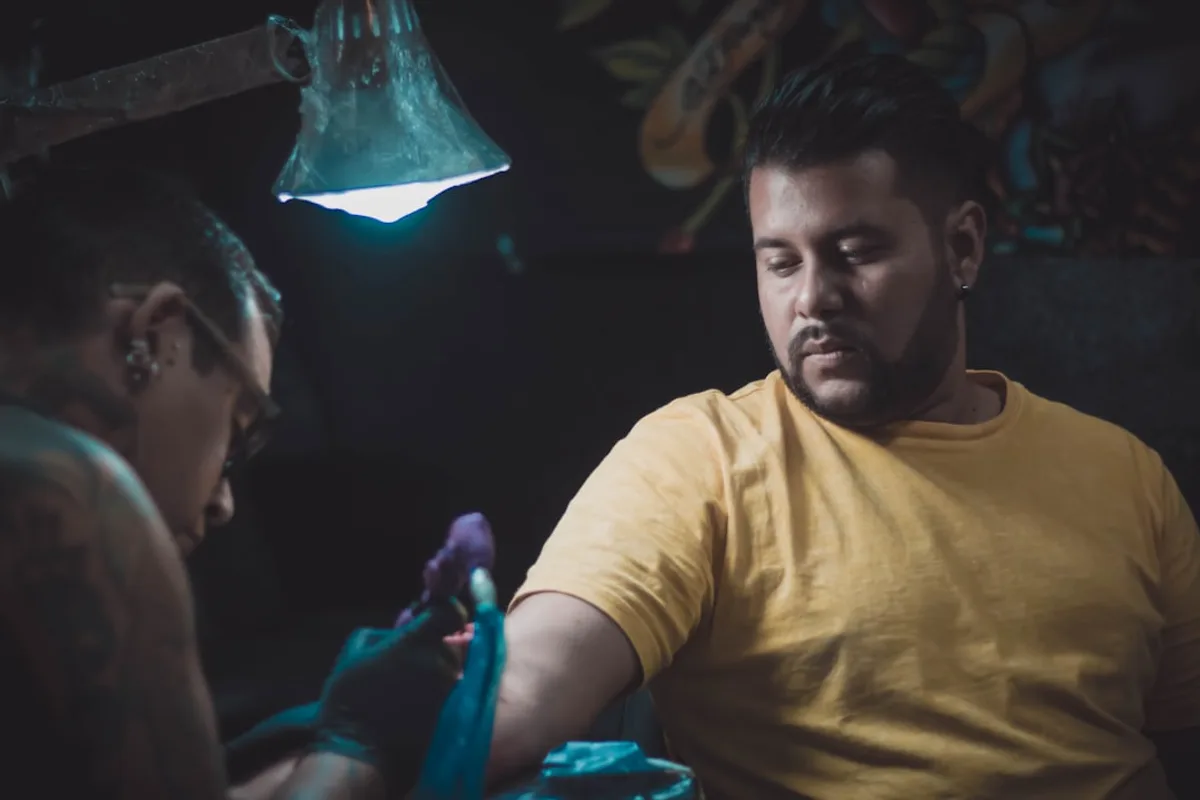
Are you letting misconceptions hold you back from your dream tattoo? Myths about custom tattoos, such as exaggerated pain levels and the idea of permanence, often deter individuals from pursuing them. These misconceptions frequently arise from outdated practices and a lack of education within the tattoo community.
One common myth is that custom tattoos are unbearably painful. While discomfort varies from person to person, many clients report the sensation as more tolerable than expected. For instance, Sarah, a first-time tattoo recipient, was surprised to find the process less painful than anticipated, allowing her to enjoy the experience.
Another prevalent misconception is that tattoos are forever unchangeable. Modern techniques now offer options for modifications and removals, giving clients flexibility. John, who initially hesitated due to concerns about permanence, ultimately embraced a custom design after learning about these advancements.
Debunking tattoo myths can empower individuals to make informed decisions about their body art. Next, we will explore how these myths impact actual tattoo choices.
Common Myths and Their Origins
Have you ever wondered where the myths about tattoos really come from? Many myths, such as ‘custom tattoos hurt more’ or ‘they’re only for certain people’, are rooted in historical stigmas. These misconceptions often stem from societal beliefs and media portrayals. Historically, tattoos were associated with rebellious subcultures, leading to skewed perceptions. However, expert opinions and statistics show that pain levels vary individually and tattoos are embraced across diverse demographics. Understanding these origins helps clarify the impact of misconceptions on tattoo decisions.
Impact of Misconceptions on Tattoo Choices
Could a simple myth be stopping you from your ideal tattoo? Misconceptions about tattoos can significantly influence people’s choices, often leading to decision paralysis. Many clients, like Sarah, initially hesitated due to myths about pain and permanence, resulting in tattoo choice regrets. These misconceptions can create psychological barriers, causing anxiety and indecision.
To combat these misconceptions, artists play a crucial role in educating their clients.
How Artists Educate Clients
What if your tattoo artist could be your best resource for information? Many artists take an active role in client education through personalized consultations and engaging workshops. These sessions are essential for clear communication, ensuring that clients understand the intricacies of custom tattoos.
For example, renowned artists like Kat Von D and Ami James offer insights into their processes, helping clients make informed decisions. Additionally, many tattoo artists now provide online resources such as blogs and videos to demystify the tattooing process.
With a better understanding of misconceptions, we can now explore how to collaborate effectively with artists.
Collaborating with Artists for Your Custom Tattoo
Are you ready to turn your tattoo dreams into reality? It starts with a great first meeting! Preparing for a tattoo consultation is crucial to ensure your vision is clearly communicated and understood. Here’s how you can prepare for your first meeting with a tattoo artist:
- Research and Gather Ideas: Before your consultation, explore various styles and themes. Clients who come prepared with a mood board or inspiration images often have a more fruitful discussion with their artists.
- Prepare Your Questions: List any questions you have about the process, techniques, or artist’s experience. This will help you feel more confident and informed.
- Bring Visual References: Collect images, sketches, or any visual references that resonate with your tattoo design inspiration. This aids the artist in understanding your preferences.
- Know Your Budget: Have a clear idea of your budget to discuss feasible options with the artist.
Once you’re prepared, understanding the collaboration process is key to achieving your ideal tattoo.
Preparing for Your First Meeting
How do you ensure your tattoo artist understands your vision? Effective communication with your tattoo artist is crucial. Here’s how you can share your tattoo ideas clearly:
- Share Personal Stories: Explain the meaning behind your tattoo. This helps the artist connect with your vision.
- Express Preferences: Clearly articulate your ideas and preferences. Be specific about styles and colors.
- Use Visual Aids: Bring sketches or images. Visual aids can significantly enhance communication and understanding.
- Practice Active Listening: Engage in dialogue and listen to your artist’s feedback. This ensures mutual understanding.
For more tattoo consultation tips, visit Tattoodo.
Now that you’ve communicated your ideas, let’s delve into the step-by-step collaboration process.
Step-by-Step Collaboration Process
What if your dream tattoo is just a collaboration away? Understanding the tattoo collaboration process can make your vision a reality. Here’s how working with tattoo artists typically unfolds:
- Initial Consultation: Discuss your ideas and inspiration with the artist.
- Concept Development: The artist creates preliminary sketches based on your input.
- Feedback & Revisions: Provide feedback; many artists encourage clients to be involved at every stage.
- Final Design Approval: Review and approve the final design.
Expect this process to take several weeks, depending on complexity. To make the most of this collaboration, effective communication is essential.
Tips for Effective Communication
Are you ready to ensure your tattoo journey is smooth and successful? Here are some tips for communicating with your tattoo artist effectively:
- Provide Constructive Feedback: Be specific about what you like or dislike. Constructive feedback for tattoo design helps the artist understand your vision.
- Be Open to Suggestions: Artists often have valuable insights. Being open to their suggestions can enhance the final design.
- Avoid Common Pitfalls: Many clients overlook the importance of asking questions during the design process, leading to misalignment in expectations.
With effective communication established, let’s compare custom tattoos to pre-designed options.
Custom Tattoos vs. Pre-Designed Tattoos: What to Consider

Are you torn between the allure of custom designs and the ease of pre-made tattoos? When choosing tattoo styles, it’s essential to understand the differences. Custom tattoos are unique pieces crafted specifically for the individual, allowing for personal expression and creativity. For example, a custom tattoo might incorporate personal symbols or a unique artistic style. In contrast, pre-designed tattoos are ready-made designs that artists have previously created, offering convenience and often quicker application.
| Aspect | Custom Tattoos | Pre-Designed Tattoos |
|---|---|---|
| Flexibility | High personalization | Limited to existing designs |
| Convenience | Requires collaboration with artist | Quick and straightforward |
| Popularity | Unique and personal | Often popular and recognized |
Statistics indicate that 60% of clients prefer custom tattoos for their uniqueness, while 40% opt
Criteria for Choosing Between Custom and Pre-Designed Tattoos
What factors should guide your decision between custom and pre-designed tattoos? Evaluating criteria such as personal significance, budget, and time constraints is essential. Many clients fail to consider how their tattoo will fit into their lifestyle, which can lead to regrets later on. Tattoo visibility and lifestyle choices also play a crucial role in tattoo decision making.
| Criteria | Custom Tattoos | Pre-Designed Tattoos |
|---|---|---|
| Personal Significance | Highly personalized, unique | Limited personalization |
| Budget | Generally higher cost | More budget-friendly |
| Time Constraints | Longer design process | Quicker availability |
| Lifestyle & Visibility | Tailored to fit lifestyle | May require adjustments |
Now,
Pros and Cons of Custom Tattoos
Are the benefits of a custom tattoo worth the investment? Let’s find out!
| Advantages | Disadvantages |
|---|---|
| Unique personal expression and deeper storytelling. | Higher costs and longer wait times. |
| Testimonials highlight satisfaction with personalized designs. | Requires more patience and investment than pre-designed options. |
Next, we will analyze the pros and cons of pre-designed tattoos.
Pros and Cons of Pre-Designed Tattoos
Could a pre-designed tattoo be the perfect solution for your first ink? These tattoos offer affordability and accessibility, often completed in a single session. However, they may lack a personal connection. Let’s explore the pros and cons of pre-designed tattoos:
| Pros | Cons |
|---|---|
| Affordable | Less personal |
| Quick results | Limited uniqueness |
| Popular designs like hearts or anchors | Potentially common |
With a clear understanding of both options, let’s dive into the custom tattoo design process.
Designing a Custom Tattoo: From Concept to Creation
Ready to transform your ideas into a stunning custom tattoo? Let’s explore how it’s done! The custom tattoo design process begins with an initial concept, where you and your artist discuss your vision and inspirations. This stage is crucial for setting the foundation of your tattoo.
Next, the artist creates preliminary sketches, incorporating your feedback to refine the artwork. This iterative process ensures the design aligns with your expectations. Collaboration is key, as it allows for adjustments and enhancements that make the tattoo truly unique.
Once the design is finalized, the artist prepares the stencil for application. This step involves meticulous attention to detail, ensuring the tattoo’s placement and proportions are perfect. Finally, the tattoo is executed with precision, bringing your concept to life on your skin.
Successful projects, like a personalized sleeve or a meaningful symbol, often result from this collaborative journey. Each stage, from concept to tattoo, requires open communication and creative input. Starting with the initial concept is crucial for a successful tattoo design.
Initial Concept Development
What if your tattoo could tell a story? It all starts with a great concept! When brainstorming tattoo ideas, consider themes that resonate with you personally. Think about the symbolism in tattoos; many clients overlook its importance, leading to designs that lack personal significance. Gather visual references from art, nature, or meaningful experiences to inspire your initial tattoo concept development. Once you have a solid concept, refining the design with your artist is the next step.
Refining the Design with Your Artist
How can you ensure your tattoo design is exactly what you envisioned? Collaborating with tattoo artists is key to refining tattoo design. Share your feedback openly and discuss potential adjustments. Common design refinements include altering shapes, sizes, or colors. Many artists use digital tools to show clients real-time adjustments, enhancing the collaborative experience. Finalizing the tattoo design is the last crucial step before the ink hits the skin.
Finalizing the Tattoo Design
Are you ready to see your tattoo concept come to life? Finalizing the design is the last step! During the tattoo design approval process, expect a thorough review of placement and size, as these elements can significantly impact the final look. Ensure all details are correct before tattooing to avoid any regrets. This final review is crucial for client satisfaction and achieving the desired outcome.
Now, let’s address some frequently asked questions about custom tattoos.
Frequently Asked Questions About Custom Tattoos
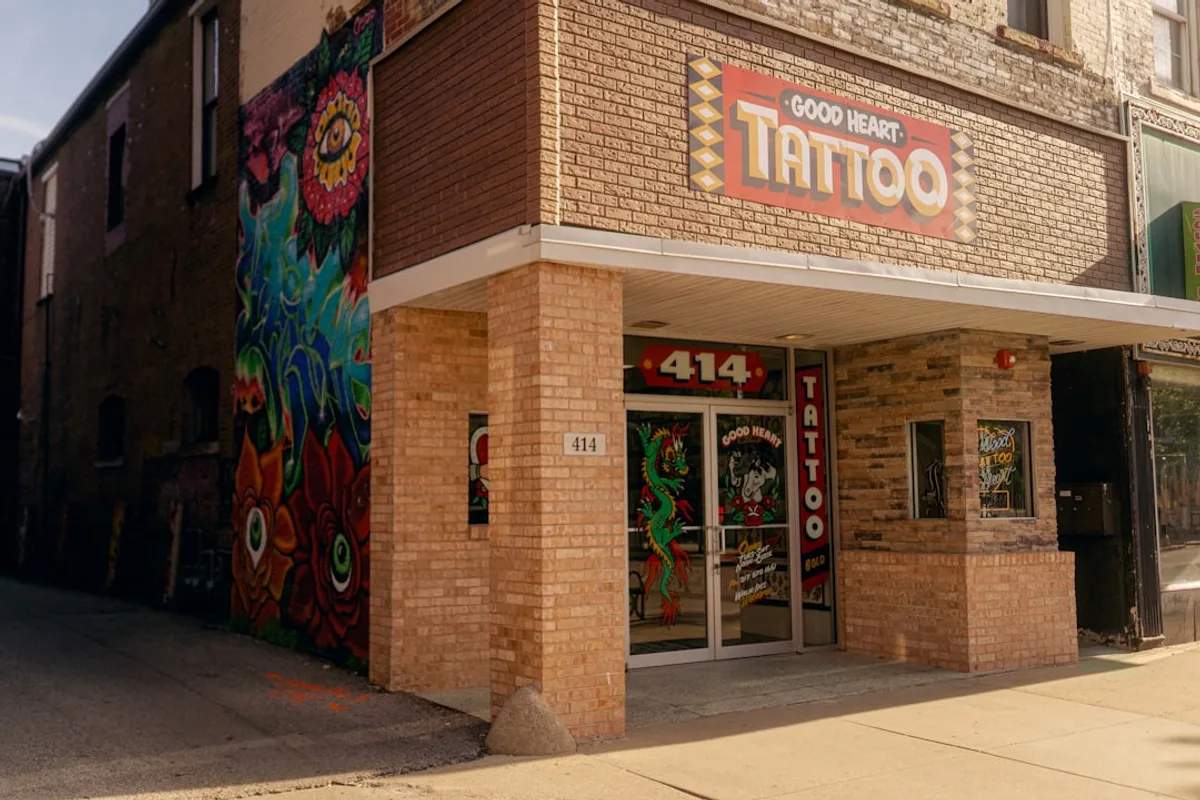
Got questions about custom tattoos? You’re not alone! Here are the answers to the most common queries.
- How much does a custom tattoo cost?
Prices vary based on size, detail, and artist experience. Consult with your artist for a precise quote. - How do I prepare for my tattoo session?
Stay hydrated, get a good night’s sleep, and avoid alcohol. Artists appreciate prepared clients. - Can I see a design before the appointment?
Yes, most artists provide a sketch beforehand. It’s a common tattoo inquiry.
Many clients are unaware that tattoo artists often welcome questions, viewing them as a sign of a committed client. Let’s dive into the specific questions that potential clients often ask.
What Should I Consider Before Getting a Custom Tattoo?
Are you ready to take the plunge into custom tattoos? Here’s what you need to know first! Considerations before getting a tattoo include design complexity, size, and the experience of your chosen artist. A detailed design may require a seasoned professional, while a simpler piece might be suitable for a less experienced artist.
Think about the personal story and significance behind your tattoo. This is especially important for first-time clients who may not have a clear vision yet. Many clients overlook the long-term implications of their tattoo choice, such as career impacts or personal life changes. For more insights, check out this guide on Healthline.
Next, we’ll discuss the timeline for designing a custom tattoo.
How Long Does It Take to Design a Custom Tattoo?
Wondering how long it will take to bring your custom tattoo to life? Let’s break it down! The tattoo design timeline typically begins with an initial consultation, where you discuss your ideas with the artist. This is followed by a period of sketching and revisions, which can vary significantly based on the complexity of the design and the artist’s workload.
For simpler designs, the process might take a few days to a week. However, intricate designs could require several weeks or even months to finalize. Factors such as the artist’s schedule and the level of detail in your design will influence how long for a custom tattoo to be ready.
Now, let’s explore the cost implications of custom tattoos compared to pre-designed options.
Are Custom Tattoos More Expensive Than Pre-Designed Ones?
Is the uniqueness of a custom tattoo worth the extra cost? Let’s explore the pricing differences! Generally, custom tattoos are more expensive than pre-designed ones. The cost of custom tattoos can range from $100 to $300 per hour, depending on the artist’s reputation and the complexity of the design. In contrast, pre-designed tattoos might start at a lower rate, often around $50 to $150 per hour.
Several factors influence tattoo pricing, including the artist’s experience, the intricacy of the artwork, and the time required to complete the piece. Artists often emphasize that while custom tattoos can be pricier, they offer a unique value that pre-designed tattoos cannot match, allowing for personal expression and creativity.
Next, we’ll discuss the flexibility of making changes to your tattoo design after the process has begun.
Can I Make Changes to the Design After It’s Started?
What if you want to tweak your tattoo design after the process has begun? Here’s what you should know! Most artists prefer to finalize designs before tattooing begins, but they may accommodate minor adjustments if discussed early. However, significant changes during the tattoo process are generally discouraged due to time constraints and the complexity of the artwork.
For instance, altering the color palette or adding small details might be possible if communicated promptly. On the other hand, changing the entire concept or size is usually not feasible once the needle hits the skin. It’s crucial to have open communication with your artist about any desired changes to ensure the best outcome.
Finally, let’s discuss how to choose the right artist for your custom tattoo.
How Do I Choose the Right Artist for My Custom Tattoo?
Ready to find the perfect artist for your custom tattoo? Here’s how to make the right choice! Begin by examining the artist’s portfolio, as many clients overlook the significance of an artist’s unique style and expertise. Look for an artist whose style aligns with your vision. Experience is crucial, so consider how long they’ve been in the industry and the variety of designs they’ve executed.
Reviews and testimonials can provide insight into their professionalism and client satisfaction. Communication is key; ensure you feel comfortable discussing your ideas and that the artist listens and offers constructive feedback. To find the right tattoo professional, research online, visit studios, and interview potential artists to gauge compatibility.
With all this information, let’s wrap up with key takeaways about custom tattoos.
Key Takeaways About Custom Tattoos
What have we learned about the art of custom tattoos? Let’s recap the essentials! Custom tattoos are more than just ink on skin; they are a profound form of personal expression. Throughout this article, we explored how collaboration with a skilled artist can transform your ideas into a unique masterpiece that reflects your individuality.
One of the key points about tattoos is the importance of communication between you and your tattoo artist. This collaboration ensures that your vision is accurately captured and that the final design holds personal significance. Additionally, the journey of getting a custom tattoo is as meaningful as the tattoo itself, often leading to personal growth and reflection.
As we conclude, remember that a custom tattoo is a lifelong commitment and a testament to your personal story. Whether it’s your first tattoo or an addition to your collection, each piece should resonate with who you are. The process is not just about the final product but also the experiences and emotions along the way.
Ready to embark on your tattoo journey? Book your consultation today to start designing your one-of-a-kind tattoo! Embrace the opportunity to create something truly unique and meaningful.
Leave a Reply