Why Different Tattoo Styles Matter for Your Body Art
Have you ever wondered why the tattoo style you choose speaks volumes about who you are? Different tattoo styles are important for personal expression because they reflect individual identity and cultural heritage. Choosing a style that resonates with your personal story can transform body art into a profound statement of self.
The significance of tattoo styles extends beyond mere aesthetics. Each style carries its own history and cultural significance, allowing individuals to connect with their roots or express unique life experiences. For instance, traditional tattoos often incorporate bold lines and classic motifs, while neo-traditional styles offer a modern twist with intricate details and vibrant colors.
Research shows that 70% of tattooed individuals believe their tattoos represent significant life events or personal milestones. This statistic underscores the importance of selecting a tattoo style that aligns with one’s personal journey. Whether it’s a minimalist design symbolizing a fresh start or an elaborate sleeve depicting a personal narrative, the style chosen can deeply resonate with the wearer’s identity.
Statistics reveal interesting trends in tattoo preferences across demographics. For example, younger generations tend to favor contemporary styles like watercolor and geometric tattoos, while older individuals might lean towards traditional or tribal designs. This diversity in preference highlights how tattoo styles can vary widely based on age, cultural background, and personal taste.
Understanding the importance of tattoo styles in expressing personal identity is crucial when deciding on your next piece of body art. Now, let’s explore some of the most popular tattoo styles and what makes them unique.
Popular Tattoo Styles and Their Unique Characteristics
From bold lines to intricate details, tattoo styles can tell a story — but which one is right for you? Understanding the popular tattoo styles and their unique characteristics can help you make an informed choice.
- American Traditional: Known for its bold lines and vibrant colors, this style has roots in the 19th-century sailor culture. Common themes include anchors, roses, and pin-up girls. View examples.
- Realism: This style aims to replicate real-life images with high precision, often featuring portraits or nature scenes. The attention to detail and shading is paramount. View examples.
- Watercolor: Mimicking the fluidity of watercolor paintings, this style is characterized by its soft, brush-like strokes and vibrant hues. It’s perfect for abstract designs. View examples.
- Japanese: Rich in cultural symbolism, Japanese tattoos often depict dragons, koi fish, and samurais, using bold lines and detailed backgrounds. View examples.
- Blackwork: Utilizing only black ink, this style emphasizes geometric patterns and intricate line work, creating striking contrasts.
American Traditional and Neo-Traditional Tattoos
Are you torn between the bold simplicity of American Traditional and the vibrant complexity of Neo-Traditional tattoos? Originating in the early 20th century, American Traditional tattoos are known for their iconic elements like roses and skulls, characterized by bold lines and limited colors. In contrast, Neo-Traditional tattoos incorporate a wider color palette and intricate designs, often embracing modern themes.
Renowned artists like Sailor Jerry popularized American Traditional tattoos with their timeless works. Meanwhile, Neo-Traditional artists such as Emily Rose Murray are celebrated for their detailed and colorful creations. This tattoo style comparison highlights how Neo-Traditional tattoos offer more versatility than their predecessors.
Now, let’s explore Realism and Fine Line tattoo styles, which offer a different artistic approach.
Realism and Fine Line Tattoo Styles
If you crave tattoos that resemble a work of art, you might be drawn to Realism or Fine Line styles — but what sets them apart? The Realism tattoo style focuses on lifelike representations, often featuring portraits and nature scenes. Notable artists like Nikko Hurtado excel in this style, utilizing extensive shading and color blending to achieve stunning results.
In contrast, Fine Line tattoo characteristics emphasize delicate and intricate designs. Artists such as Dr. Woo are renowned for their precise, minimalist creations that captivate with their subtlety. Both styles showcase exceptional tattoo artistry, yet differ in technique and visual impact.
Next, we will dive into the unique worlds of Dot-Work and Geometric tattoos, exploring their mathematical beauty.
Dot-Work and Geometric Tattoos
Are you fascinated by the precision of patterns and the artistry of dots? Dot-Work and Geometric tattoos might be your ideal styles. Dot-Work tattoos use a series of dots to create shading and texture, resulting in stunningly detailed pieces. This meticulous technique often takes longer to complete than traditional styles.
In contrast, the Geometric tattoo style focuses on shapes and patterns, drawing inspiration from mathematics. These tattoos often feature intricate designs that highlight symmetry and precision.
- Visual Examples: Consider artists like Artist 1 and Artist 2 for Dot-Work, and Artist 3 for Geometric tattoos.
Now, let’s examine the key differences among Traditional, Neo-Traditional, and Black and Grey tattoos.
Traditional, Neo-Traditional, and Black and Grey Tattoos: Key Differences
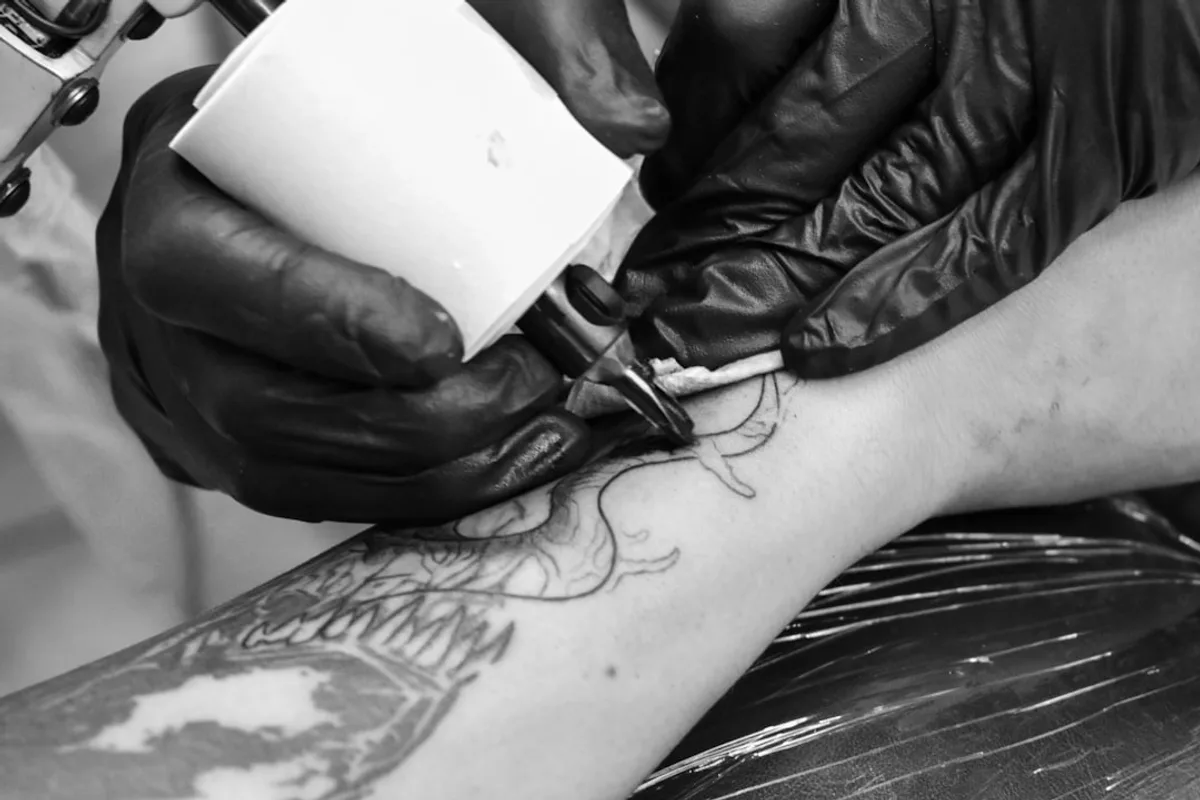
Understanding the nuances between tattoo styles can be the key to finding the perfect design for you — but what are the key differences? Traditional tattoos, known for their bold lines and limited color palette, often feature iconic motifs like anchors and roses. In contrast, Neo-Traditional tattoos expand on this foundation by incorporating a broader color range and more intricate details, offering a modern twist on classic designs.
Black and Grey tattoos stand apart with their unique shading technique, which creates depth and dimension. This style is particularly favored for portraits and detailed designs due to its ability to convey realism and subtlety. The lack of color in Black and Grey tattoos allows for a focus on texture and shadow, making them a distinct choice for those seeking a timeless look.
- Traditional Tattoos: Bold lines, limited colors, classic motifs.
- Neo-Traditional Tattoos: Expanded color palette, detailed designs, modern influences.
- Black and Grey Tattoos: Shading technique, depth, and realism, ideal for portraits.
These styles have evolved over time, influenced by cultural trends and artistic movements. Traditional vs Neo-Traditional tattoos showcase the evolution from simplicity to complexity, while Black and Grey tattoo characteristics highlight a focus on artistry and precision.
Next, we will explore the rich cultural influences found in Japanese, Tribal, and Watercolor tattoos.
Origins and History of Traditional Tattoos
Did you know that Traditional tattoos have deep cultural roots that date back centuries? In maritime cultures, these tattoos were often rites of passage, symbolizing bravery, strength, and identity. Common symbols like anchors, swallows, and nautical stars held specific meanings, reflecting the seafarer’s journey and beliefs. Over time, the history of Traditional tattoos has evolved, inspiring modern interpretations. Learn more about their origins.
Now, we will look at how Neo-Traditional tattoos evolved from their predecessors.
Artistic Evolution in Neo-Traditional Tattoos
What happens when classic tattoo artistry meets modern creativity? The answer lies in the evolution of Neo-Traditional tattoos. This style has transformed by blending classic motifs with contemporary elements, allowing for a more personalized expression of art. Innovations in technique and style have introduced vibrant colors and intricate details, distinguishing Neo-Traditional tattoos from their Traditional counterparts.
Contemporary artists like Emily Rose Murray and David Corden have redefined the Neo-Traditional art style, incorporating modern themes and aesthetics. Their work exemplifies tattoo innovation, showcasing how Neo-Traditional tattoos have evolved to embrace a broader range of artistic expressions.
Next, we will delve into the appeal and characteristics of Black and Grey tattoos.
The Appeal of Black and Grey Tattoos
Why do so many tattoo lovers gravitate towards Black and Grey tattoos? Let’s explore their unique appeal and artistry. This style, characterized by its use of varying shades of black and grey, employs advanced tattoo shading techniques to create depth and detail. It’s particularly popular for portrait and intricate designs, offering a timeless appeal.
Notable artists like Paul Booth and Nikko Hurtado have mastered this style, contributing to its popularity. One reason enthusiasts favor Black and Grey tattoos is their ability to age gracefully, often retaining detail and clarity better than colored tattoos. Now, we will investigate the cultural influences behind Japanese, Tribal, and Watercolor tattoos.
Cultural Influences in Japanese, Tribal, and Watercolor Tattoos
Cultural narratives and vibrant colors intertwine in tattoo art — but how do they manifest in styles like Japanese, Tribal, and Watercolor? Japanese tattoos are renowned for their rich symbolism and storytelling. Common themes include koi fish, representing perseverance, and dragons, symbolizing strength and wisdom. These tattoos are meticulously designed to flow with the body’s natural lines, creating a harmonious blend of art and anatomy.
Tribal tattoos boast a history that spans across various cultures, each with its unique significance. Originating from indigenous tribes, these tattoos often signify social status, achievements, or spiritual beliefs. The bold, black lines and geometric patterns are not just aesthetically striking but also deeply rooted in cultural identity and heritage.
In contrast, Watercolor tattoos offer a modern twist with their artistic freedom and vibrant colors. Inspired by the fluidity and unpredictability of watercolor painting, these tattoos break traditional boundaries, allowing for a more abstract and expressive form of body art. The lack of defined outlines gives them a soft, ethereal appearance, making each piece truly unique.
Next, we will delve into the symbolism behind Japanese tattoo art.
Symbolism in Japanese Tattoo Art
What stories do Japanese tattoos tell through their intricate symbols? Let’s uncover the meanings behind these stunning designs. Japanese tattoo motifs like koi fish, cherry blossoms, and dragons are rich in symbolism. Koi fish tattoos symbolize perseverance and strength, often depicting the fish swimming upstream to represent overcoming adversity. Cherry blossoms signify the fleeting nature of life, while dragons embody wisdom and power.
These symbols reflect deep cultural beliefs and values, making each tattoo a personal narrative. Renowned artists like Horiyoshi III have mastered these motifs, creating signature works that capture the essence of Japanese tradition. Now, we will explore the tradition and modern interpretations of Tribal tattoos.
Tribal Tattoos: Tradition and Modern Interpretations
How have ancient traditions influenced the modern art of tattooing? The story of Tribal tattoos reveals a fascinating evolution. Originating from diverse cultures such as Polynesian, Maori, and Native American, Tribal tattoos hold deep cultural significance, often symbolizing identity, heritage, and spirituality.
Today, modern Tribal tattoos draw inspiration from these ancient designs but often incorporate personalized elements, making them unique to the wearer. Artists like Leo Zulueta and Rob Deut have mastered this style, blending traditional patterns with contemporary flair. Next, let’s dive into the vibrant world of Watercolor tattoos.
Watercolor Tattoos: A Splash of Color
What if your tattoo could look like a beautiful painting on your skin? Welcome to the world of Watercolor tattoos. These unique tattoo styles are characterized by their vibrant tattoo art, blending colors, and brushstroke effects that mimic watercolor paintings. Watercolor tattoos often require a skilled artist to balance color saturation and blending, making them a challenging yet stunning choice.
Techniques used in Watercolor tattoos involve layering colors and creating gradients without defined outlines. Artists like Amanda Wachob and Ondrash are renowned for their mastery in this style, bringing each piece to life with fluidity and depth. Now, we will discuss how to choose the right tattoo style for your personal expression.
How to Choose the Right Tattoo Style for You

Feeling overwhelmed by the variety of tattoo styles? Choosing the right one can be a journey of self-discovery! Here’s how to choose a tattoo style that suits you best:
- Assess Your Personal Style: Start by examining your wardrobe, favorite colors, and patterns. Are you drawn to bold, vibrant designs or subtle, minimalist aesthetics? Understanding your personal tattoo preferences is crucial.
- Create a Mood Board: Many first-time tattoo clients benefit from compiling images of styles and elements they love. This visual collection can help clarify your vision and guide your decision.
- Consider Body Placement and Size: Think about where you want the tattoo and how visible you want it to be. The placement can influence the style; for example, intricate designs may work better on larger areas.
- Think About Longevity: Some styles age better than others. Consider how your tattoo might look in the future and choose a style that will maintain its appeal over time.
- Consult with Tattoo Artists: Schedule consultations to explore options and ideas. Experienced artists can provide insights into styles that align with your preferences and lifestyle.
Next, we will explore the importance of consulting with tattoo artists during this decision-making process.
Assessing Personal Style and Preferences
What if your tattoo could tell your story? Understanding your personal style is the first step in making that happen. Personal experiences and significant life events often shape tattoo choices, making them deeply meaningful to the wearer.
- Reflect on your interests and experiences to guide your tattoo design preferences.
- Create a mood board or collect images that resonate with your vision.
- Consider how personal stories can influence your tattoo choices.
Now, let’s discuss the value of consulting with tattoo artists for expert advice.
Consulting with Tattoo Artists
Have you ever considered that your tattoo artist could be your best ally in finding the perfect tattoo style? Consulting tattoo artists is crucial for several reasons:
- Open Communication: Discuss your ideas and styles openly to ensure the artist understands your vision.
- Design Feasibility: Artists provide valuable tattoo design advice, including insights into what works best for your chosen placement.
- Portfolio Inspiration: Many artists have extensive portfolios that can inspire and help refine your ideas into a cohesive design.
- Ask Questions: Use consultations to seek advice and clarify any doubts about the tattoo process.
Next, we will explore how placement and longevity considerations can influence your tattoo style choice.
Considering Placement and Longevity
Did you know that where you place your tattoo can significantly influence its appearance over time? Let’s explore how placement matters.
- Evaluate Tattoo Placement Considerations: Different areas of the body experience varying levels of sun exposure and friction, which can affect the longevity and vibrancy of your tattoo.
- Understand Tattoo Longevity: Certain tattoo styles, like Watercolor, may fade faster than others. Choosing a style and placement that minimizes fading is crucial for maintaining their vibrancy.
- Choose a Lasting Style: Opt for styles that are known for their durability and timelessness, ensuring your tattoo remains meaningful and visually appealing.
Now, we will discuss the impact of tattoo styles on personal identity.
The Impact of Tattoo Styles on Personal Identity
How do tattoos shape our identities and tell our stories? The answer lies in the styles we choose and the meanings behind them. Tattoo styles serve as a powerful form of self-expression, allowing individuals to showcase their unique personalities and beliefs. Each style, from traditional to neo-traditional, carries its own cultural and social significance, reflecting the wearer’s identity.
For many, tattoos are more than just art; they are a testament to personal experiences and values. A person might choose a traditional tattoo style to honor their heritage, while another might select a neo-traditional design to express modern interpretations of classic themes. These choices are deeply personal and often resonate with the individual’s sense of self.
Consider the story of Alex, who chose a Japanese-style tattoo to connect with their cultural roots. “Every time I look at it, I feel a stronger connection to my heritage and community,” Alex shares. Such testimonials highlight how tattoo styles can enhance one’s sense of identity and belonging.
Studies show that individuals with tattoos often feel a stronger sense of identity and community, particularly when their tattoos reflect personal beliefs or experiences. This connection between tattoo styles and identity underscores the role of self-expression through tattoos.
Next, we will delve into how individuality is expressed through tattoos.
Expressing Individuality Through Tattoos
What if your tattoo could speak volumes about who you are? Let’s explore how tattoos become a canvas for individuality. Tattoos allow individuals to express their unique stories and experiences through self-expression tattoo styles like Minimalist and Portrait tattoos. For instance, a simple line tattoo might symbolize a significant life event, while a portrait tattoo can capture a beloved family member’s essence.
Minimalist tattoos, often chosen for their subtlety, convey deep meanings with simple designs, making them a powerful form of self-expression. These styles enable wearers to share personal narratives in a visually compelling way. Now, we will examine the cultural and social identities reflected in tattoo choices.
Cultural and Social Identity Reflected in Tattoo Choices
How do our cultural backgrounds shape the tattoos we choose? The answer reveals a rich tapestry of identity and meaning. Cultural identity in tattoos often guides the choice of design, with many opting for symbols that reflect their heritage. For instance, Polynesian tattoos are deeply rooted in tradition, signifying maturity and strength.
Social implications of tattoos vary widely. In some communities, tattoos are embraced as a form of cultural pride, while in others, they may still carry stigma. Tattoo styles and culture intersect where designs serve as rites of passage, marking significant life transitions or group affiliation.
Next, let’s address some frequently asked questions about tattoo styles.
FAQs About Tattoo Styles
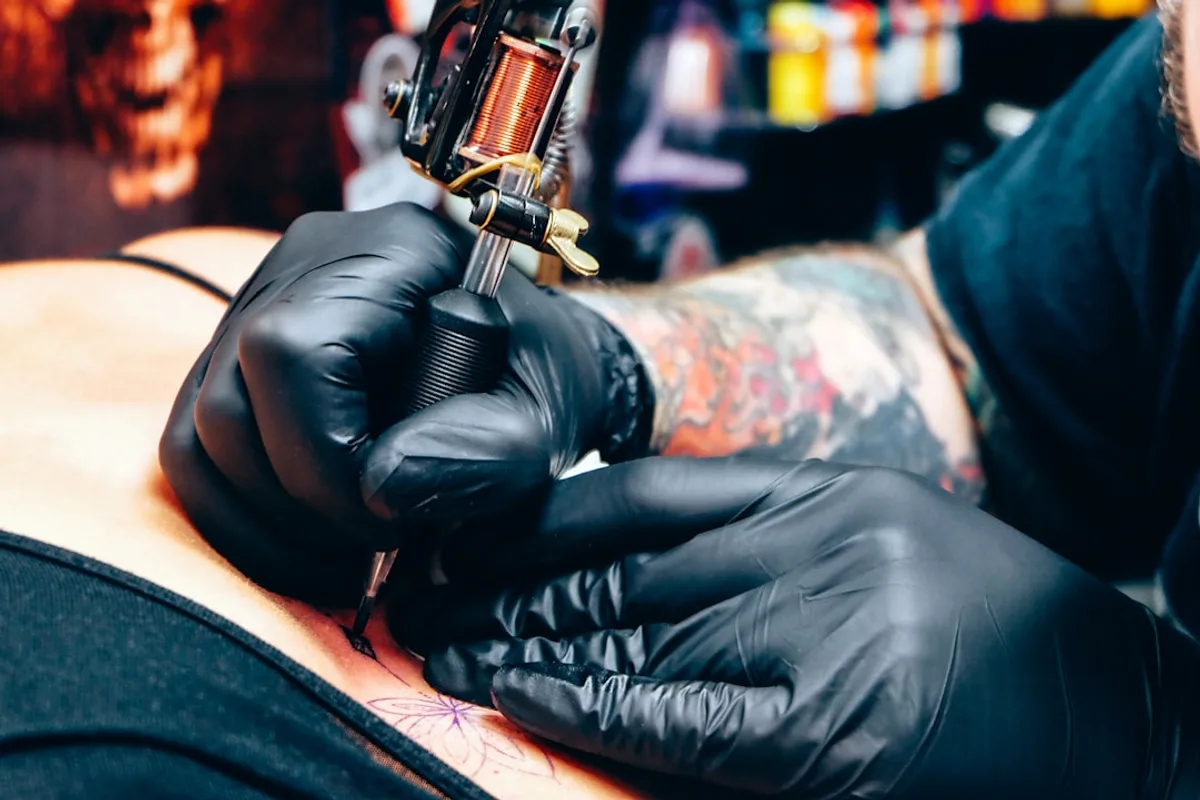
Curious about tattoo styles? You’re not alone! Here are some of the most frequently asked questions that can guide your journey.
What are the most common questions people have about tattoo styles?
Many first-time tattoo clients wonder about the differences between styles like traditional and neo-traditional tattoos. They often ask if artists specialize in particular styles, which is crucial for achieving the desired aesthetic. For more details, explore our sections on Tattoo Styles.
Now, let’s summarize the key takeaways about different tattoo styles.
What Are the Most Popular Tattoo Styles Today?
As we wrap up our exploration of tattoo styles, let’s recap the most popular options and what makes them stand out. Among the popular tattoo styles today, traditional tattoos remain a favorite for their bold lines and vibrant colors, while neo-traditional tattoos offer a modern twist with more intricate details and a broader color palette.
Emerging tattoo trends show a growing interest in minimalist tattoos, which emphasize simplicity and meaningful designs. These styles resonate with modern aesthetics, appealing to those who prefer understated elegance. Watercolor tattoos, known for their fluidity and artistic flair, continue to captivate with their unique blend of colors that mimic brush strokes on canvas.
When choosing a tattoo style, consider your personal preferences and the message you wish to convey. Whether you lean towards the classic appeal of traditional tattoos or the contemporary charm of minimalist designs, there’s a style to suit every taste. As we delve deeper into tattoo artistry, let’s explore how these styles reflect cultural influences and personal expression.
How Do I Decide Which Tattoo Style Suits Me Best?
Feeling stuck on which tattoo style to choose? Here are some tips to help you find the perfect fit for your story. Start by reflecting on your personal experiences and artistic inspirations. Many individuals find that their ideal tattoo style emerges from a combination of these elements rather than a single choice.
Consider what resonates with you on a deeper level. Do you prefer the bold lines of traditional tattoos, or does the intricate detail of neo-traditional styles speak to you? Your personal tattoo choices should reflect your identity and preferences.
- Self-Reflection: Think about what themes or symbols hold personal significance.
- Consultation: Speak with tattoo artists who specialize in different styles to gain insight and advice.
- Connection: Ensure you feel a personal connection to the style you choose.
Ultimately, deciding on a tattoo style is about aligning your personal narrative with an artistic expression. Ready to explore specific styles? Let’s delve into an overview of different tattoo styles, including traditional and neo-traditional options.
Are Some Tattoo Styles More Painful Than Others?
Wondering if certain tattoo styles hurt more than others? The answer might surprise you! While it’s a common belief that some styles are inherently more painful, the reality is more nuanced. Tattoo pain levels are influenced by factors such as needle depth and skin sensitivity. For instance, styles requiring deeper needle penetration, like traditional tattoos, might feel more intense.
However, individual tattoo pain tolerance varies greatly. What one person finds excruciating, another might find tolerable. Testimonials from tattoo enthusiasts reveal that painful tattoo styles often depend on the tattoo’s location. Areas like the ribs and spine are generally more sensitive compared to fleshy areas like the thigh or upper arm.
Ultimately, choosing a tattoo style should align with your comfort level. Understanding your own pain threshold and discussing it with your tattoo artist can help tailor the experience to your needs. As we delve into the overview of different tattoo styles, consider how each might align with your personal comfort and aesthetic preferences.
Do Certain Tattoo Styles Fade Faster?
Are you worried about how long your tattoo will last? Let’s explore the factors that influence tattoo fading and longevity. Different tattoo styles can indeed fade at varying rates. Research indicates that tattoos with more vibrant colors may fade faster than black and grey tattoos, especially if not properly cared for. This is often due to the quality of ink used and individual skin types.
To ensure your tattoo remains vibrant, regardless of style, proper care is essential. Experts recommend keeping tattoos moisturized and protected from excessive sun exposure. Using a high SPF sunscreen can significantly slow down fading. Additionally, staying hydrated and maintaining healthy skin can contribute to tattoo longevity.
Studies suggest that the fading process is also influenced by the tattoo’s location on the body, with areas exposed to more friction or sunlight tending to fade quicker. By understanding these factors and implementing effective care strategies, you can enjoy your tattoo’s beauty for years to come.
Next, we’ll delve into an overview of different tattoo styles, including Traditional and Neo-Traditional, to help you make an informed choice.
Can I Mix Different Tattoo Styles in One Design?
What if your tattoo could blend multiple styles into one stunning design? Let’s explore the art of mixing tattoo styles. Yes, you can mix different tattoo styles in one design to create a unique piece that reflects multiple aspects of your identity. This approach allows for creative tattoo ideas that combine the best elements of various styles, resulting in a truly personalized tattoo experience.
When combining tattoo designs, it’s crucial to consult with experienced artists who can ensure a cohesive design. They can guide you in selecting styles that complement each other and maintain visual harmony. For instance, merging the bold lines of traditional tattoos with the intricate details of neo-traditional styles can produce a striking and balanced piece.
Successful mixed-style tattoos often include elements like geometric patterns blended with watercolor effects or realistic portraits enhanced by abstract backgrounds. These innovative designs showcase the endless possibilities of mixing tattoo styles.
As you consider these creative possibilities, you might also want to explore an overview of different tattoo styles, including traditional and neo-traditional tattoo styles, to further inspire your design journey.
Key Takeaways About Different Tattoo Styles
As we conclude our exploration of tattoo styles, let’s reflect on the key takeaways that can guide your tattoo journey. Throughout this article, we’ve delved into various styles, from the bold lines of traditional tattoos to the intricate details of neo-traditional designs. Each style offers a unique way to express personal stories and cultural heritage.
The importance of tattoo choices cannot be overstated. Tattoos are more than just art; they are a form of personal expression and can hold deep cultural significance. Whether you are drawn to the timeless appeal of traditional tattoos or the modern flair of neo-traditional styles, the decision should resonate with your individual story and aesthetic preferences.
One of the key takeaways about tattoo styles is that the selection process is as much about personal reflection as it is about artistic preference. This journey is unique for each individual, allowing you to explore what truly speaks to you. Take your time to research and consider what each style represents, ensuring that your choice aligns with your personal narrative.
In summary, the tattoo style summary emphasizes the diversity and richness of tattoo art, highlighting the significance of making thoughtful decisions. Remember, your tattoo is a lifelong commitment, and choosing a style that reflects your identity is crucial. Book your consultation today to start designing your one-of-a-kind tattoo! This is the first step in transforming your ideas into a meaningful piece of art that you will cherish forever.
Leave a Reply