Myths and Misconceptions About Tattoos: How They Shape Perceptions
Have you ever hesitated to get a tattoo because of what you heard? Despite the increasing popularity of tattoos, many people still believe outdated stereotypes that can deter them from getting inked. Common myths and misconceptions about tattoos often stem from historical biases and misinformation.
In modern culture, tattoos have gained significant acceptance, yet myths persist. One prevalent myth is that tattoos will inevitably fade or look unattractive as you age. This misconception can be traced back to older tattooing techniques and inks, which have since evolved. Another widespread belief is that tattoos are inherently unsafe and prone to infections. While safety concerns were valid in the past, today’s professional tattoo artists adhere to strict hygiene standards.
Misconceptions about tattoos can heavily influence personal choices regarding body art. Many fear the pain associated with tattoos, assuming all tattoos hurt intensely. However, pain levels vary greatly depending on the tattoo’s location and an individual’s pain tolerance. Understanding these myths helps individuals make informed decisions about body art.
Now, let’s delve into the health-related myths that often cause concern for potential tattoo enthusiasts.
Addressing Safety Concerns: Tattoo Health Risks Demystified
Are tattoos really as dangerous as some people claim? Common tattoo health risks include allergic reactions and infections. However, research indicates that only 2-5% of people experience complications, suggesting that tattoo safety concerns may be overstated. According to health organizations, the majority of tattoo-related issues arise from improper aftercare or unlicensed practitioners.
Choosing a licensed and reputable tattoo artist significantly reduces the risk of complications. These professionals adhere to strict hygiene standards, minimizing the chances of infection. Despite persistent tattoo infection myths, following proper aftercare instructions can further mitigate risks.
Next, we will break down specific health myths that often arise in tattoo discussions.
Common Health Myths and Misconceptions About Tattoos
Think tattoos are dangerous for your health? Think again! One prevalent tattoo health myth is that tattoos cause diseases or are unsafe for individuals with certain health conditions. However, dermatologists and health organizations confirm that, with proper care, tattoos are generally safe. Many people believe tattoos can exacerbate skin conditions, but studies show that most individuals with conditions like eczema can safely get tattoos if managed properly.
Anecdotes from individuals with health conditions reveal successful tattoo experiences, debunking the myth that tattoos are inherently unsafe. Now, let’s explore how to prevent infections when getting a tattoo.
Understanding Tattoo Infections and Prevention
Worried about infections? Here’s how to keep your tattoo safe and clean. Infections from tattoos are rare, with only about 0.5% of tattooed individuals reporting complications, often due to poor aftercare. Tattoo infections occur when bacteria enter the skin, usually through improper hygiene or care.
To avoid tattoo infections, both artists and clients should ensure a sterile environment. Artists must use clean equipment, while clients should follow tattoo aftercare tips diligently. Proper cleaning and moisturizing are essential to prevent infections.
Following proper aftercare is crucial; let’s discuss what you need to know about tattoo aftercare.
Tattoo Aftercare: What You Need to Know
Did you know that proper aftercare can make or break your tattoo’s appearance? Begin by gently cleaning your tattoo with mild soap and lukewarm water. Moisturizing is vital; apply a fragrance-free lotion to keep the skin hydrated. Many tattoo enthusiasts overlook the role of hydration, which is crucial for maintaining the vibrancy of the ink.
Avoid common mistakes like picking at scabs or exposing your tattoo to direct sunlight. These errors can lead to complications such as infections or fading. Follow a timeline: the initial healing phase lasts about two weeks, during which daily care is essential. Complete healing can take up to six weeks.
Now that we’ve covered health and safety, let’s examine the impact of tattoos on career opportunities.
Career Impacts of Tattoos: Fact vs. Fiction
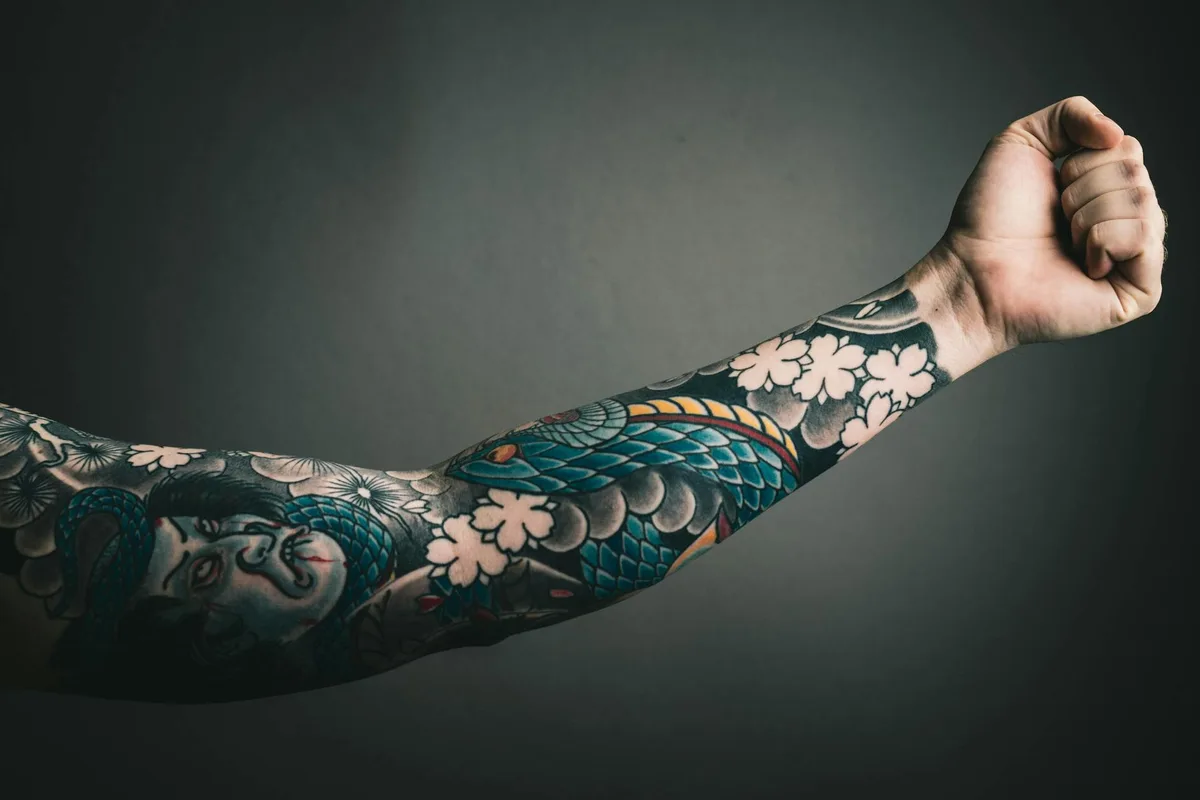
Are tattoos a barrier to your dream job? The answer might surprise you. While tattoos in the workplace were once frowned upon, societal perceptions have evolved significantly. A recent survey revealed that 60% of employers are now more accepting of tattoos, reflecting changing societal norms.
Studies indicate that tattoos and job opportunities are not as incompatible as once thought. Although some industries remain conservative, many companies now embrace tattoos as part of their workplace culture.
| Industry | Impact on Hiring |
|---|---|
| Creative Industries | Generally positive; tattoos often seen as a form of self-expression. |
| Corporate Sector | Mixed; some companies are more traditional, while others are becoming more lenient. |
| Retail and Hospitality | Increasingly accepting, especially in customer-facing roles. |
Companies like Google and Starbucks are known for their inclusive policies regarding tattoos. Do tattoos really affect job opportunities? It depends on the industry, but
Do Tattoos Really Affect Job Opportunities?
Wonder if your ink will hold you back in your career? Let’s find out. Statistics show that corporate sectors may still view tattoos with caution, while creative industries often embrace them as a form of self-expression, potentially enhancing an applicant’s appeal. Personal stories reveal both challenges and opportunities, highlighting the growing acceptance of tattoos in specific professions.
For instance, in fields like graphic design or advertising, tattoos can be an asset, reflecting creativity and individuality. Conversely, some corporate environments may still prefer a more traditional appearance. According to a Forbes article, many companies are becoming more accepting of tattoos, recognizing the evolving job market and tattoos’ role within it.
Next, we will explore how professional perceptions of tattoos vary in the workplace.
Professional Perceptions of Tattoos in the Workplace
What do employers really think about tattoos? The answer is more nuanced than you might think. Professional attitudes towards tattoos vary widely across industries. In conservative fields like finance, visible tattoos might still be frowned upon. However, HR perspectives on tattoos are evolving, with many experts noting increased acceptance in hiring processes.
Some companies, particularly in tech and arts, actively seek tattooed individuals, valuing the creativity and individuality they represent. Organizations like Google and Spotify are known for their inclusive policies towards tattoos. Now, let’s identify which industries are more accepting of tattoos.
Industries Where Tattoos Are More Accepted
Curious if your dream job is tattoo-friendly? Let’s explore the industries that embrace inked individuals. Fields like arts, tech, and hospitality are leading the charge in the acceptance of tattoos in different industries. Cultural shifts, including the rise of remote work, have fostered a more relaxed attitude towards tattoos, allowing for greater self-expression in the workplace.
Data suggests that job satisfaction among tattooed employees in these sectors is notably high, reflecting a positive workplace culture. Having examined career impacts, let’s tackle the common myths surrounding tattoo pain and aging.
Pain and Aging: The Truth About Tattoos
Are you afraid of the pain of getting a tattoo? Here’s what you need to know. Tattoo pain levels vary greatly among individuals, influenced by personal pain thresholds and the tattoo’s location. Areas with more nerve endings, like ribs or feet, tend to be more sensitive, while others, like the upper arm, might be less so.
Pain perception in tattooing is also psychological; one’s mindset can significantly impact how much tattoos hurt. According to surveys, most people rate their tattoo pain as moderate, with only a small percentage describing it as severe. Understanding these variations can help set realistic expectations.
Next, we’ll explore the myths surrounding how tattoos age over time.
How Painful Are Tattoos Really?
Ever wondered if the pain is worth the art? Let’s break it down. Tattoo pain factors include skin type, tattoo size, and placement. Many first-time tattoo recipients report that the anticipation of pain is often worse than the actual experience, highlighting the psychological aspect of pain.
Testimonials reveal varied experiences; some describe a mild discomfort, while others feel more intense sensations. Skilled artists can manage tattoo pain by using techniques like numbing creams or adjusting needle pressure. Now, let’s address the concern of whether tattoos age poorly over time.
Do Tattoos Age Poorly Over Time?
Will your tattoo still look good in 20 years? Let’s find out how to ensure it does. Tattoos can fade or change appearance as skin elasticity decreases with age. However, research indicates that tattoos placed on areas with more fat and less sun exposure tend to age better than those on bony areas or frequently exposed skin.
To enhance the longevity of tattoos, consider placements like the upper arm or thigh, where skin is less prone to stretching and sun damage. Studies on tattoo longevity suggest that careful placement and regular care can significantly mitigate the effects of aging on tattoos.
Finally, we’ll share tips for maintaining your tattoo’s appearance as you age.
Tips for Maintaining Tattoo Appearance as You Age
Want your tattoo to look fresh for years to come? Here are the secrets to longevity. Regular moisturizing and sun protection can significantly extend the life of a tattoo, yet many people overlook these simple steps. Consistent use of a high-SPF sunscreen helps prevent fading, while moisturizing keeps the skin supple and vibrant.
Additionally, consider scheduling regular touch-ups with your tattoo artist to maintain its original appearance. Experts also recommend a skincare routine that includes gentle cleansing and hydration to support tattoo care over time. Now, let’s hear some real stories from individuals who have overcome tattoo misconceptions.
Real Stories: Overcoming Tattoo Misconceptions
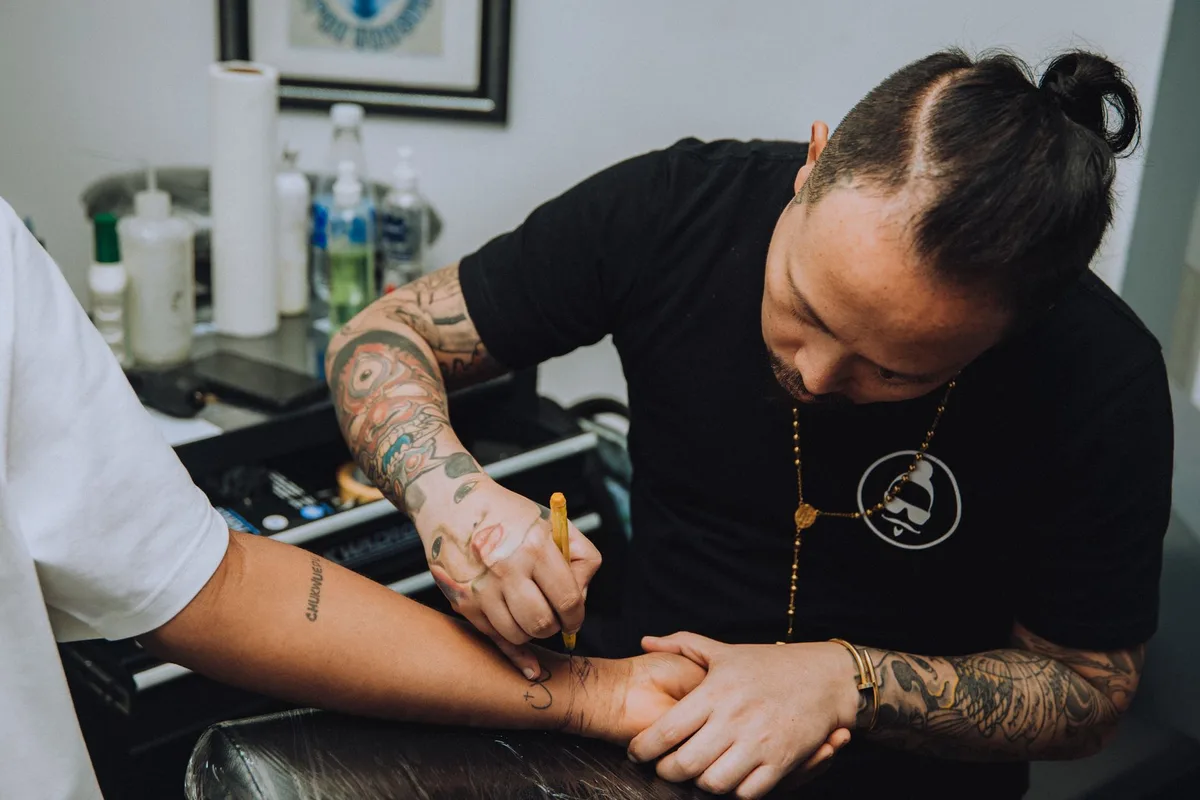
What happens when individuals challenge tattoo stereotypes? Their stories might surprise you. Many tattooed individuals have faced misconceptions, such as assumptions that tattoos will inevitably fade poorly or that they are inherently unsafe. For instance, Sarah, a nurse with a full sleeve tattoo, often encounters the myth that her tattoos will look unprofessional as she ages. She shares her journey to illustrate how tattoos can coexist with a professional career, helping to break down these stereotypes.
Another common misconception is that all tattoos are excruciatingly painful. Mark, who has several tattoos, recounts how his experiences varied, with some being quite manageable. By sharing these tattoo personal stories, individuals like Sarah and Mark contribute to overcoming tattoo stigma and fostering acceptance in their communities. Next, we’ll explore how education and awareness can shift perceptions about tattoos.
Personal Experiences with Tattoo Stigma
Have you ever felt judged for your tattoos? You’re not alone. Many individuals experience tattoo stigma, affecting them both personally and professionally. “I was passed over for a promotion because of my visible ink,” shares one professional. Despite growing acceptance, discrimination persists, highlighting the need for advocacy. Organizations are actively promoting tattoo acceptance to combat these biases. Let’s see how education and awareness can change these perceptions.
How Education and Awareness Change Perceptions
Can education really change how we view tattoos? The evidence says yes. Tattoo education programs and cultural awareness initiatives have significantly shifted public opinion. By highlighting the artistic and cultural significance of tattoos, these efforts reduce stigma. Studies show that informed individuals are more likely to accept tattoos as a form of art.
Successful programs, such as community workshops and online campaigns, have improved perceptions by addressing misconceptions. As awareness grows, so does acceptance, challenging outdated beliefs about tattoos. Now, let’s compare the myths surrounding tattoo removal and the realities of the process.
Tattoo Removal: Myths and Realities Compared
Thinking about removing a tattoo? You might be surprised by what you learn. Many tattoo removal myths circulate, particularly about the effectiveness and pain levels involved. Some believe the process is unbearably painful or ineffective, but advancements in laser technology have significantly improved outcomes, offering minimal scarring compared to older methods.
The psychological impact of tattoo regret often drives individuals to consider removal options. Understanding the realities of tattoo removal is crucial for making informed decisions.
| Myth | Reality |
|---|---|
| Tattoo removal is always painful | Modern lasers reduce pain significantly |
| Removal is rarely effective | Success rates are high with advanced methods |
| All tattoos can be removed easily | Effectiveness varies by tattoo color and size |
Let’s dive deeper into whether tattoo removal is truly effective.
Is Tattoo Removal Truly Effective?
Wondering if you can really erase that ink? Let’s compare the methods. Recent advancements in laser technology have improved removal success rates to over 90% for certain types of tattoos, making it a viable option for many. Below is a comparison of various tattoo removal methods, their effectiveness, and potential side effects.
| Method | Effectiveness | Potential Side Effects | Testimonials |
|---|---|---|---|
| Laser | Over 90% for some tattoos | Redness, swelling | “My tattoo faded significantly after a few sessions.” |
| Surgical | Highly effective | Scarring | “Complete removal, but left a scar.” |
| Topical | Low effectiveness | Skin irritation | “Minimal fading, not worth it.” |
Next, we
Comparing Different Tattoo Removal Methods
Which tattoo removal method is right for you? Let’s break down the options.
| Method | Pros | Cons | Cost | Recovery Time |
|---|---|---|---|---|
| Laser Removal | Popular, effective for most tattoos | Multiple sessions, can be costly | High | Weeks |
| Surgical Excision | Effective for small tattoos, immediate results | Scarring, not suitable for large tattoos | Varies | Weeks |
| Dermabrasion | Alternative for those who can’t use lasers | Invasive, potential for scarring | Moderate | Weeks |
While laser removal is the most popular method,
What to Expect During the Tattoo Removal Process
Curious about what happens during tattoo removal? Here’s a step-by-step guide. The tattoo removal process begins with an initial consultation to assess your tattoo and discuss your goals. This is followed by multiple laser sessions, spaced several weeks apart, to gradually fade the tattoo.
| Aspect | Initial Tattoo Application | Tattoo Removal Process |
|---|---|---|
| Pain Level | High | Many find it less painful |
| Recovery | Minimal | Requires care to avoid infection |
| Results | Immediate | Gradual fading over sessions |
To prepare for a session, avoid sun exposure and follow your technician’s advice on skincare. Many individuals report that the tattoo removal process is less painful than the initial tattoo application, highlighting the advancements in technology.
Now, let’s address some frequently asked questions about tattoos
FAQs About Tattoos and Health Conditions
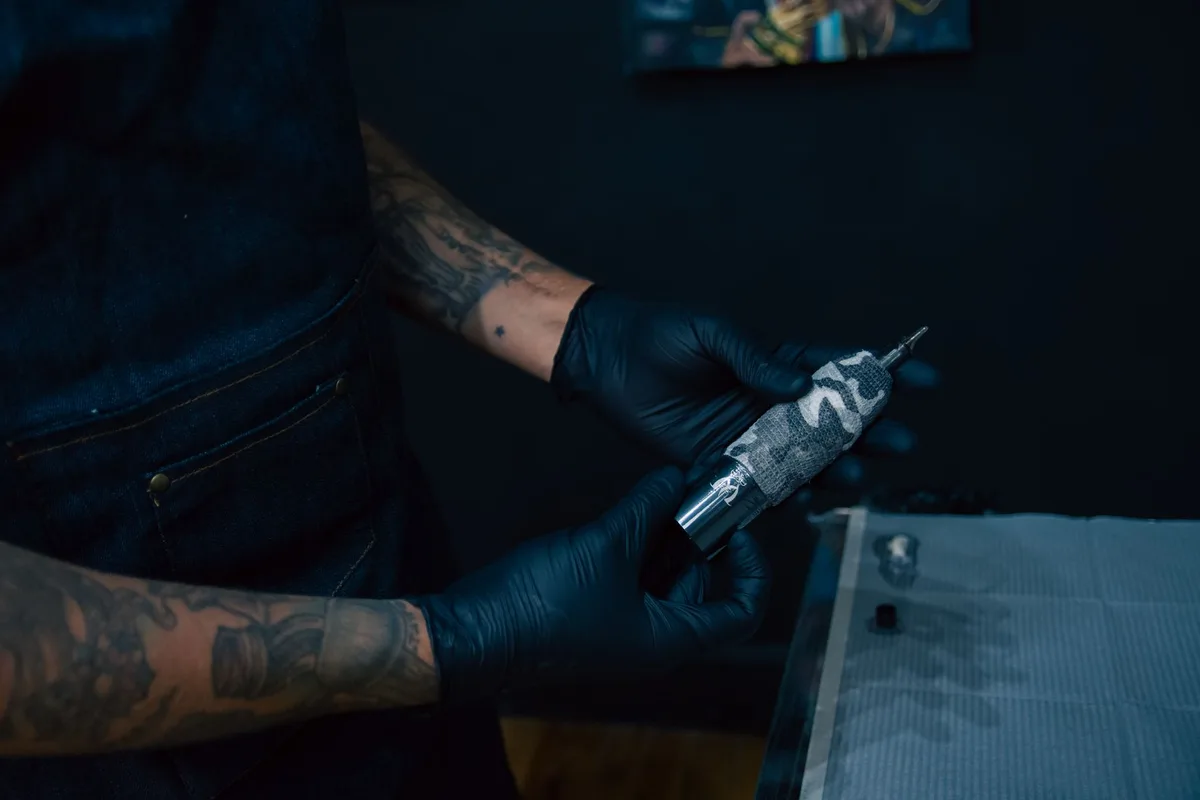
Got questions about tattoos and health? We have the answers you need.
-
Can people with diabetes get tattoos?
Yes, with proper precautions and consultation with a healthcare provider, individuals with diabetes can safely get tattoos.
-
Are tattoos safe for people with heart conditions?
Many health professionals now recognize that with proper care, tattoos can be safe for those with heart conditions.
-
Do tattoos affect skin conditions like eczema or psoriasis?
It’s crucial to consult a dermatologist, as tattoos may exacerbate certain skin conditions.
Let’s take a closer look at whether people with specific health conditions can safely get tattoos.
Can People with Certain Health Conditions Get Tattoos?
Wondering if your medication affects your ability to get a tattoo? Let’s find out. Individuals on medications like Mounjaro or doxycycline often question the safety of tattoos. Dermatologists advise that while certain health conditions, such as lupus, may impact tattoo safety, consulting with a healthcare provider can mitigate risks. Studies suggest that people on medications like Mounjaro can safely get tattoos if they seek professional medical advice beforehand.
Testimonials from individuals with health conditions reveal successful tattoo experiences when proper precautions are taken. Next, we will explore the risks associated with tattooing over scars or stretch marks.
Are There Risks of Tattooing Over Scars or Stretch Marks?
Thinking about tattooing over a scar? Here’s what you should know first. Tattooing over scars or stretch marks does carry risks, including uneven ink distribution and potential complications like infection. The outcome largely depends on the scar’s maturity and type; older, well-healed scars often respond better than fresh ones.
Experts recommend consulting with a skilled tattoo artist who has experience with tattoos over scars and stretch marks. Personal stories highlight successful results, but emphasize the importance of patience and proper aftercare. Finally, we’ll discuss whether tattoos affect medical imaging or procedures.
Do Tattoos Affect Medical Imaging or Procedures?
Can your tattoo interfere with your next MRI? Let’s find out the facts. Research indicates that while tattoos can sometimes interfere with imaging, most modern tattoos do not significantly impact the results of medical scans. However, some individuals may experience minor skin irritation or image distortion during MRIs due to the metallic components in certain inks.
Medical professionals advise informing your healthcare provider about any tattoos before undergoing procedures. This communication helps ensure accurate interpretation of results and minimizes potential discomfort. Now, let’s summarize the key takeaways about tattoos and the misconceptions surrounding them.
Key Takeaways About Tattoos and Misconceptions
Ready to challenge the myths about tattoos? Here’s what you need to remember. Many misconceptions, such as the belief that tattoos will inevitably fade or look bad with age, are simply not true. With proper care and skilled artistry, tattoos can remain vibrant for a lifetime. Additionally, while some discomfort is expected, not all tattoos are unbearably painful, as pain levels vary depending on the location and individual tolerance.
Another common myth is that tattoos are inherently unsafe and prone to infections. In reality, choosing a reputable tattoo artist who follows strict hygiene practices significantly reduces these risks. Understanding these facts can empower individuals to make informed choices and foster a more accepting culture around body art.
Education and awareness are crucial in changing perceptions about tattoos. By challenging stereotypes and embracing body art, we can celebrate tattoos as a form of personal expression. Book your consultation today to start designing your one-of-a-kind tattoo and be part of a community that values creativity and individuality.
Leave a Reply