Exploring the Cultural Significance of Tattoos
Have you ever wondered why tattoos hold such deep meaning across diverse cultures? The cultural significance of tattoos lies in their ability to serve as a universal form of non-verbal communication, conveying messages and identities long before written language existed. Tattoos act as powerful symbols of personal and societal narratives.
Across the globe, tattoo culture significance is evident in how these markings tell stories of heritage, beliefs, and personal milestones. From ancient tribal designs to modern artistic expressions, tattoos have been used to document life’s journey and express individuality.
As tattoos gain acceptance in mainstream society, they continue to serve as a form of storytelling, bridging past traditions with contemporary identity. Understanding the historical context sheds light on how tattoos have evolved over time.
The Historical and Cultural Journey of Tattoos
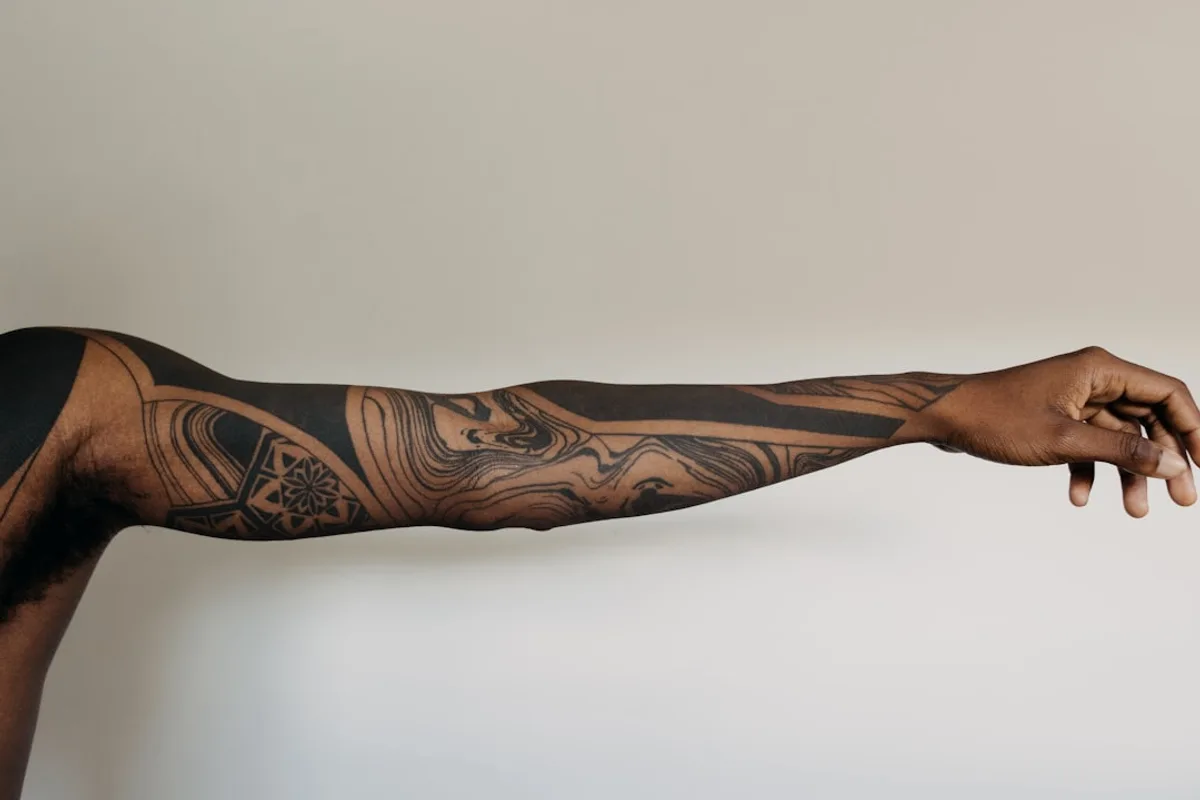
The journey of tattoos is as rich and varied as the cultures that created them. Evidence of tattooing dates back to 3370 BC, with Ötzi the Iceman showcasing some of the oldest known tattoos. Ancient civilizations like Egypt and the Pacific Islands used tattoos as symbols of identity and status. In tribal societies, tattoos were integral to rites of passage, marking significant life events.
Throughout history, tattoos have been perceived differently. During the Middle Ages, they were often associated with outcasts, yet in other periods, they held sacred meanings. We will now explore the ancient origins and traditions that laid the groundwork for modern tattoo practices.
Ancient Origins and Traditions
From the sacred to the symbolic, ancient tattoos tell stories of our ancestors’ beliefs and values. In ancient Egypt, tattoos were often associated with fertility and protection, reflecting the spiritual beliefs of the time. Similarly, Maori tattoo traditions, known as ta moko, represented social status and ancestral lineage.
Traditional designs like the Egyptian scarab symbolized rebirth, while Maori facial tattoos detailed personal history. These ancient tattoo practices highlight how tattoos served as rites of passage and markers of identity.
As we move forward, we will see how tattooing evolved across different civilizations.
Evolution Across Civilizations
The evolution of tattoos reflects not just artistry, but also the shifting tides of cultural identity and perception. In Japan, tattoos were initially a mark of status but later became associated with criminality, showcasing the complex societal perceptions of tattoos. Similarly, in the Americas, tattoos served as rites of passage with deep spiritual meanings.
Colonization had a profound impact on indigenous tattoo practices, often suppressing them due to differing cultural values. However, there is a resurgence of traditional tattooing as communities reclaim their heritage. This tattoo evolution across civilizations highlights the dynamic interplay between tradition and modernity.
Next, we will explore the modern revival of tattoos and their global influence today.
Modern Revival and Global Influence
In today’s world, tattoos have transcended their historical roots to become a powerful form of self-expression and cultural commentary. The modern tattoo revival has seen tattoos gain widespread acceptance in mainstream society, with individuals from diverse backgrounds embracing this art form.
The rise of social media platforms like Instagram has transformed tattooing into a global art movement, allowing artists to reach wider audiences and share diverse styles. This global tattoo influence has led to an exchange of ideas and techniques, enriching the tattoo culture worldwide.
Moreover, tattoos play a significant role in contemporary social movements, such as body positivity, where they are used to reclaim and celebrate individuality. We will now examine how tattoos serve as rites of passage and identity markers in various cultures.
Tattoos as Rites of Passage and Identity Markers
Tattoos often tell stories of transformation, marking pivotal moments in an individual’s life journey. In many indigenous cultures, tattoos are not just art but are integral to identity formation, often marking the transition from childhood to adulthood. For instance, in some Polynesian societies, tattoos serve as rites of passage, symbolizing one’s readiness to assume adult responsibilities.
These cultural rituals of tattooing can also signify personal milestones, such as marriage or achievements. Tattoos as identity markers help individuals express their evolving identities and life experiences. Learn more about cultural tattoos.
Next, we will delve into the cultural rituals and symbolism associated with tattoos.
Cultural Rituals and Symbolism
Cultural rituals surrounding tattoos often carry deep meanings, intertwining art with identity and tradition. For instance, the Samoan Pe’a tattoo is a rite of passage for males, often taking several sessions and symbolizing strength and commitment to family and culture. Similarly, the Japanese Irezumi embodies protection and spiritual significance, with intricate designs reflecting personal and societal values.
Individuals who undergo these tattoo cultural rituals often share profound stories of transformation and connection to their heritage. Such symbolism of tattoos reinforces their role as powerful markers of identity and cultural expression. We will now discuss how tattoos contribute to personal identity and expression.
Personal Identity and Expression
For many, tattoos are more than just ink on skin; they are powerful symbols of personal identity and resilience. Tattoos serve as a form of self-expression, allowing individuals to visually narrate their life stories and experiences. The psychological impact of tattoos often enhances self-image and boosts confidence.
Many individuals report that their tattoos help them reclaim their bodies and narratives, especially after trauma or loss, serving as a form of healing. By commemorating personal stories, tattoos become a testament to one’s journey, reflecting unique identities and personal growth.
Next, we will explore societal perceptions and acceptance of tattoos in contemporary culture.
Societal Perceptions and Acceptance
Despite their growing popularity, tattoos still carry a complex stigma in various parts of society. Over the decades, societal perceptions of tattoos have evolved significantly. Recent studies show that over 30% of Americans have at least one tattoo, indicating a notable shift in acceptance. However, certain communities and professions continue to harbor tattoo stigma.
Next, we will uncover the spiritual and social dimensions associated with tattooing.
Spiritual and Social Dimensions of Tattooing
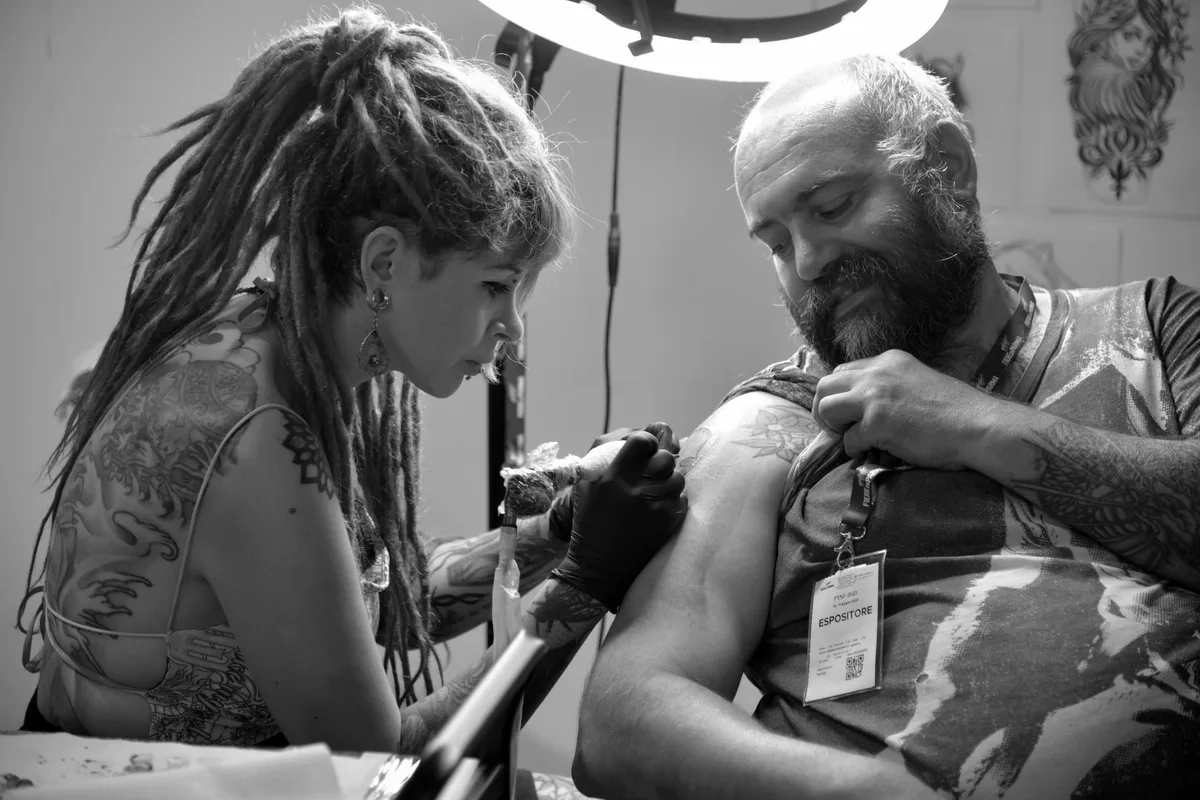
Tattoos often transcend mere aesthetics, delving into the spiritual realm and connecting individuals to deeper beliefs. In Hinduism, spiritual tattoos such as the Om symbol are revered for their connection to the divine, while in Buddhism, tattoos like the lotus flower symbolize enlightenment and purity. Across cultures, tattoos are believed to hold protective powers, with designs invoking deities or ancestral spirits. These spiritual tattoos often symbolize protection, strength, and a profound connection to the divine. Next, we will examine how tattoos foster community and social bonds.
Spiritual Meanings in Different Cultures
In many cultures, tattoos are not just art; they are deeply spiritual symbols that connect individuals to their heritage and beliefs. In Polynesian culture, tattoos are considered sacred, often seen as a rite of passage that links individuals to their ancestors. These tattoos symbolize spiritual journeys and beliefs, playing a crucial role in spiritual rituals.
Similarly, Native American tattoos hold profound spiritual meanings. They are used in ceremonies to embody spiritual protection and guidance. For example, certain tribal tattoos represent spiritual animals or natural elements, reflecting a deep connection to nature and spirituality.
Next, we will explore how tattoos create community and social bonds among individuals.
Community and Social Bonds Through Tattoos
Tattoos can serve as powerful symbols of community, uniting individuals through shared experiences and beliefs. In biker and military groups, tattoos often act as badges of honor, fostering a sense of belonging. Similarly, tattoos in social movements symbolize solidarity, such as the semicolon tattoo representing mental health awareness.
Next, we will compare indigenous and modern tattoo practices.
Comparing Indigenous and Modern Tattoo Practices
The contrast between indigenous and modern tattoo practices reveals not only artistic differences but also varying cultural narratives and values. While modern tattooing often utilizes machines and synthetic inks, indigenous practices often rely on natural materials and traditional methods that carry deep cultural significance.
| Aspect | Indigenous Tattoo Techniques | Modern Tattoo Practices |
|---|---|---|
| Techniques | Hand-tapping, skin stitching | Machine-based application |
| Materials | Natural dyes, bone or wood tools | Synthetic inks, electric machines |
| Cultural Significance | Rites of passage, tribal identity | Personal expression, fashion |
Next, we will explore traditional techniques and materials used in tattooing.
Traditional Techniques and Materials
Indigenous tattooing techniques are not just about the art; they embody a rich cultural heritage and deep-rooted traditions. Many indigenous cultures use hand-tapping techniques, which are not only art forms but also rituals that connect the tattoo artist and the recipient.
| Culture | Technique | Materials |
|---|---|---|
| Polynesian | Hand-tapping | Natural inks from plant-based dyes |
| Maori | Chiseling | Bone chisels and soot-based pigments |
These traditional tattoo materials and methods play a crucial role in preserving cultural heritage. Next, we will look at contemporary styles and innovations in tattooing.
Contemporary Styles and Innovations
The world of tattooing is evolving rapidly, with contemporary artists redefining what it means to wear art on the skin. The advent of digital design tools has revolutionized tattoo art, allowing for intricate designs that were previously unimaginable. New styles such as watercolor and geometric designs are gaining popularity, showcasing the creativity of modern tattoo art.
| Innovation | Description |
|---|---|
| Machine Tattooing | Offers precision and speed, enhancing the quality of tattoos. |
| Laser Removal | Provides a way to safely and effectively remove unwanted tattoos. |
| Digital Design Tools | Enable artists to create complex and detailed designs. |
Next, we will discuss the implications of cultural appropriation versus appreciation in tattoo art.
Cultural Appropriation vs. Appreciation
In a globalized world, the debate over cultural appropriation versus appreciation in tattoo art is more relevant than ever. Understanding the difference is crucial to maintaining respect and cultural sensitivity in tattooing practices.
| Aspect | Cultural Appropriation | Cultural Appreciation |
|---|---|---|
| Definition | Use of cultural symbols without permission, often leading to commodification. | Respectful engagement and understanding of cultural significance. |
| Examples | Indigenous tattoos used as fashion statements. | Collaborating with cultural bearers to honor traditions. |
| Impact | Raises ethical concerns about ownership and respect. | Promotes cultural exchange and mutual respect. |
Next, we will address frequently asked questions about tattoo culture and practices.
FAQs About Tattoo Culture and Practices

Curious about the world of tattoos? Here are some frequently asked questions that shed light on this fascinating culture.
- What are some common questions about tattoo culture?
People often ask about the meanings behind tattoo symbols, which can vary greatly between cultures, highlighting the importance of cultural context.
- Are there common tattoo misconceptions?
Yes, many believe all tattoos are purely decorative, but they often carry deep cultural significance or personal meaning.
- What insights do tattoo artists offer?
Experts emphasize understanding the cultural background of tattoo designs to appreciate their true significance.
Next, we will summarize the key takeaways about the cultural significance of tattoos.
What are the most culturally significant tattoo symbols?
Certain tattoo symbols carry profound meanings that transcend mere aesthetics, reflecting the rich tapestry of human culture. Among the most culturally significant tattoo symbols are the Maori koru, which represents growth and new beginnings, and the Japanese koi fish, symbolizing perseverance. In modern tattooing, these symbols are often used to convey personal journeys and aspirations. Understanding these symbols in their cultural context is crucial to appreciating their true tattoo meanings.
Next, we will explore how tattoos reflect cultural identity. For more on the cultural significance of tattoos, visit Smithsonian Magazine.
How do tattoos reflect cultural identity?
Tattoos can serve as powerful expressions of cultural identity, weaving personal and communal narratives into art. Many individuals choose tattoos that honor their heritage, creating a visual narrative of their ancestry and cultural pride. For example, Polynesian tattoos often symbolize family lineage and social status, while Celtic designs might reflect Irish ancestry. These personal heritage tattoos not only celebrate cultural pride but also connect individuals to their roots. Next, we will examine any cultural restrictions on tattooing.
Are there cultural restrictions on tattooing?
While tattoos are celebrated in many cultures, others impose strict restrictions that reflect their values and beliefs. Cultural restrictions on tattooing often stem from religious beliefs or societal norms. For instance, in some cultures, such as certain branches of Islam, tattoos are considered haram (forbidden), reflecting deep-rooted beliefs about the body and modification. Understanding tattoo norms across cultures reveals the diverse perspectives on body art. Next, we will discuss how the perception of tattoos has changed over time.
How has the perception of tattoos changed over time?
The journey of tattoos from societal taboo to a celebrated art form is a fascinating reflection of cultural evolution. Historically, tattoos were often stigmatized, associated with rebellion or deviance. However, the rise of tattooed celebrities in the 21st century has significantly shifted public perception, making tattoos more mainstream and accepted. Today, approximately 30% of Americans have tattoos, illustrating changing attitudes towards tattoos in popular culture.
Next, we will explore the role of tattoos in modern society.
What role do tattoos play in modern society?
In today’s world, tattoos have evolved into powerful tools for self-expression and social commentary, shaping modern culture in profound ways. Tattoos in modern society serve as a canvas for individuals to express their identities, beliefs, and affiliations. They are increasingly seen as a form of activism, with people using their bodies to make statements about identity, politics, and social justice. Modern tattoo trends often reflect societal shifts, highlighting themes of unity, equality, and personal empowerment.
Key Takeaways About Tattoos and Culture
As we reflect on the cultural significance of tattoos, it’s clear that they are much more than just body art; they are profound expressions of identity and heritage. Throughout history, tattoos have served as rites of passage, symbols of status, and markers of cultural identity across various societies. Understanding the cultural significance of tattoos can empower individuals to make more informed and respectful choices about their body art.
Reflect on your own relationship with tattoos and consider the stories they tell. By appreciating the deeper meanings behind tattoos, you contribute to preserving their cultural richness. Book your consultation today to start designing your one-of-a-kind tattoo!
Leave a Reply