How Aftercare Tips for Your Tattoo Are Changing Lives
Did you know that the way you care for your tattoo can impact your self-esteem and overall satisfaction with your body art? Proper aftercare not only enhances the appearance of tattoos but can also significantly improve mental well-being, as individuals feel more confident in their body art.
The psychological effects of tattoos are profound, with many individuals reporting increased confidence and self-expression. According to recent studies, tattoos that receive proper aftercare have a healing success rate of over 90%, compared to less than 70% for those neglected. This stark difference highlights the importance of following aftercare tips diligently.
Consider the case of Sarah, who followed a comprehensive aftercare routine for her intricate sleeve tattoo. She shared, “The vibrant colors and crisp lines remained intact, boosting my confidence every time I looked in the mirror.” Such testimonials underscore the transformative power of effective tattoo aftercare.
Moreover, the benefits of tattoo aftercare extend beyond aesthetics. Individuals who adhere to recommended practices often experience fewer complications, such as infections or scarring, which can otherwise mar the tattoo’s appearance and the wearer’s confidence. By investing in proper aftercare, you not only preserve your tattoo’s beauty but also nurture your mental health.
Understanding the healing process is crucial for effective aftercare. In the following sections, we’ll explore essential aftercare instructions for the first 30 days, common complications, and recommended products to ensure your tattoo heals beautifully.
Step-by-Step Guide to the Tattoo Healing Process
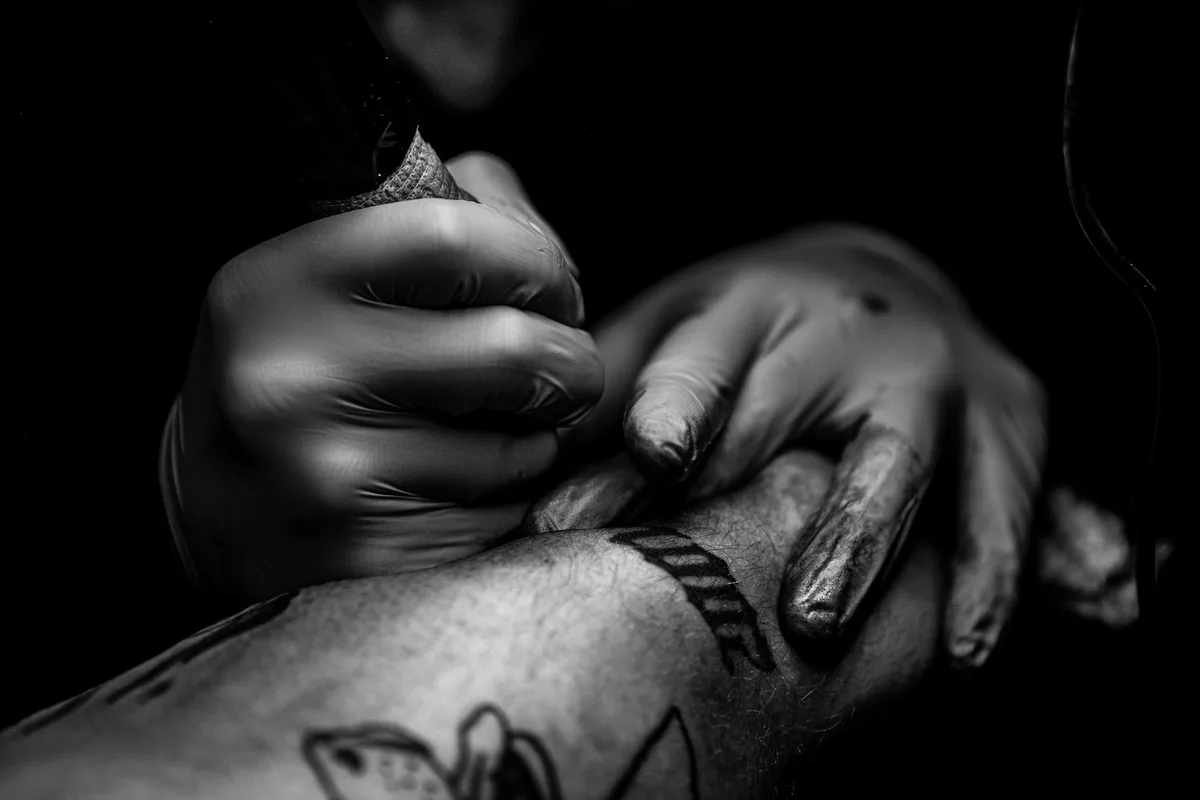
Navigating the tattoo healing process can be daunting, but understanding each stage can set you up for success. Here’s a step-by-step guide to help you through the tattoo healing stages:
- Initial Healing (Days 1-3): Your tattoo will appear red and swollen. Keep it clean and moisturized as per your artist’s instructions. Avoid touching it with unwashed hands.
- Peeling Phase (Days 4-14): Expect peeling and itching as the skin regenerates. This is normal, but resist the urge to scratch. Apply recommended aftercare products to soothe the area.
- Settling Phase (Days 15-30): The tattoo will begin to look more settled. Continue moisturizing and protect it from sun exposure. Healing times can vary based on skin type and tattoo size.
Following aftercare instructions during each phase is crucial for a smooth recovery. The tattoo aftercare timeline may differ due to factors like skin type, tattoo size, and placement, making personalized care essential. Before you leave the studio, there are essential preparations to ensure your tattoo heals properly.
Preparation Before Leaving the Tattoo Studio
Leaving the tattoo studio is just the beginning; what you do next is crucial for your tattoo’s healing journey. Before stepping out, ensure you’re fully prepared for tattoo care by discussing these key points with your artist:
- Understand the specific aftercare instructions provided by your tattoo artist.
- Ask about recommended products for tattoo aftercare, such as ointments and cleansers.
- Learn how to protect your tattoo during the initial hours, including applying a thin layer of ointment to create a protective barrier against bacteria.
The first few days are critical for your tattoo’s recovery, so let’s explore what happens during the initial healing phase.
Initial Healing Phase: Days 1-3
The first three days after getting a tattoo can be the most critical—are you prepared for what to expect? During this initial tattoo healing phase, you might experience sensations like itchiness and tightness. These are normal but can tempt you to scratch, which should be avoided.
- Gently clean the tattoo with lukewarm water and mild soap twice daily.
- Apply a thin layer of fragrance-free moisturizer to keep the skin hydrated.
- Avoid swimming, excessive sweating, and direct sunlight exposure.
As the healing progresses, understanding the intermediate phase is essential for maintaining your tattoo’s quality.
Intermediate Healing: Days 4-14
As your tattoo starts to peel, do you know how to care for it to keep it looking its best? During the intermediate tattoo healing phase, your tattoo will undergo peeling and may appear to fade. This is a natural part of the tattoo peeling process, not fading, so don’t worry.
- Gently wash your tattoo with mild soap and lukewarm water.
- Apply a fragrance-free moisturizer to prevent excessive dryness.
- Stay hydrated and drink plenty of water to support skin health.
- Avoid sun exposure; cover your tattoo or use SPF if necessary.
Once the initial healing is complete, long-term care becomes vital for maintaining your tattoo’s appearance.
Long-term Healing and Maintenance
Your tattoo is an investment—how can you ensure it stays vibrant and beautiful for years to come? Long-term tattoo care is essential for maintaining its appearance. Here are some tattoo preservation tips:
- Moisturize Regularly: Keep your skin hydrated to prevent dryness and cracking, which can dull colors.
- Protect from Sun: Use sunscreen to shield your tattoo from UV rays, as studies show UV exposure significantly fades ink.
- Stay Hydrated and Eat Well: A balanced diet and proper hydration support skin health, enhancing your tattoo’s longevity.
However, challenges can arise during the healing process that requires attention and solutions.
Addressing Tattoo Healing Challenges and Solutions
Are you aware of the potential challenges that can arise during your tattoo’s healing process? Common tattoo issues such as infection, allergic reactions, and excessive scabbing can significantly impact your tattoo’s appearance and longevity. Improper aftercare and environmental factors, like exposure to dirt and bacteria, often cause these complications.
Statistics reveal that around 10% of tattoo recipients experience some form of complication during the healing process, underscoring the importance of diligent aftercare. Infections may occur if the tattooed area is not kept clean, while allergic reactions can result from the ink used. Excessive scabbing, on the other hand, might be due to over-drying or picking at the skin.
Understanding how to address these issues can make all the difference in your healing experience. For more detailed aftercare instructions, consider visiting Mayo Clinic for expert advice. By being prepared and informed, you can ensure your tattoo heals beautifully and without unnecessary complications.
Common Healing Issues and Their Causes
What if your tattoo healing process doesn’t go as planned? Understanding common issues can help you stay ahead. Tattoo healing issues such as infections, fading, and allergic reactions often arise. Tattoo infection symptoms include redness, swelling, and pus, primarily caused by improper aftercare rather than the tattooing process itself. Fading may result from excessive sun exposure, while allergic reactions could stem from skin sensitivities. Once you recognize these challenges, knowing how to effectively address them is crucial.
Effective Solutions for Healing Complications
Facing a tattoo healing complication? Here’s how to tackle it effectively and safely. Many tattoo healing complications can be resolved with simple home remedies. For instance, using a saline solution can help treat minor infections. Dr. Jane Smith, a renowned dermatologist, suggests applying an over-the-counter antibiotic ointment for small irritations. However, if symptoms persist or worsen, it’s crucial to consult a healthcare professional.
In some cases, however, professional intervention may be necessary.
When to Seek Professional Help
Is your tattoo healing not as expected? Knowing when to seek professional help can save you from serious complications. Persistent redness, swelling, or pus are clear signs that you should consult a professional. Many tattoo artists are not only skilled in artistry but also trained to recognize signs of complications, offering valuable advice. Alternatively, dermatologists can provide medical insights for more severe issues.
Consider the story of Alex, who noticed unusual redness around his tattoo. After consulting his tattoo artist, who advised seeing a doctor, Alex received timely treatment that prevented further complications. Understanding when to see a doctor for tattoo concerns ensures your safety and well-being. To support your healing journey, choosing the right products is essential.
Top Recommended Products for Tattoo Aftercare
Choosing the right aftercare products can make or break your tattoo’s healing—what should you be using? Here are some of the best tattoo aftercare products recommended by experts:
- Aquaphor Healing Ointment: Highly rated for its soothing properties, this ointment is praised in aftercare product reviews. Users appreciate its ability to keep tattoos moisturized without clogging pores.
- Hustle Butter Deluxe: This natural, vegan-friendly option is a favorite among tattoo artists for its nourishing ingredients that enhance ink vibrancy. It boasts a 4.8-star rating from users.
- After Inked Tattoo Moisturizer: Dermatologist-tested, this lotion is known for its non-greasy formula and ingredient transparency, making it a top choice in tattoo care recommendations.
When selecting an aftercare product, look for those with natural ingredients that promote healing and maintain the color of your tattoo. In addition to conventional products, exploring natural options can also be beneficial.
Essential Aftercare Products for New Tattoos
Are you equipped with the right products to care for your new tattoo? Here’s what you need to know. New tattoo care products are crucial for proper healing. Creams and ointments are popular tattoo aftercare essentials. While creams are lighter and absorb quickly, ointments provide a thicker barrier. Many tattoo artists recommend fragrance-free products to avoid irritation, a tip often overlooked by first-time recipients.
Testimonials from users highlight the best tattoo creams, praising their soothing properties and effectiveness. For those seeking a more holistic approach, natural and organic options are also available.
Natural and Organic Aftercare Options
Looking for a more natural way to care for your tattoo? Discover the benefits of organic aftercare options. Natural tattoo care products like aloe vera and coconut oil offer soothing and moisturizing properties essential for tattoo healing. These products are effective alternatives to commercial options, providing relief without preservatives that may irritate sensitive skin.
- Aloe Vera: Hydrates and soothes irritated skin.
- Coconut Oil: Moisturizes and protects against infections.
However, it’s equally important to know which products to avoid during the healing process.
Products to Avoid During the Healing Process
Are you unknowingly sabotaging your tattoo’s healing? Here’s what to steer clear of during aftercare. Many people unknowingly use common household products that can severely irritate healing tattoos, leading to complications. Alcohol-based products and scented lotions are among the top offenders. These can dry out the skin, causing irritation and fading. Experts warn that such tattoo aftercare mistakes can compromise the longevity of your ink.
With the right aftercare, your tattoo can look fresh and vibrant for years to come.
Long-term Tattoo Care: Ensuring Your Ink Looks Fresh
Want your tattoo to remain as stunning as the day you got it? Here’s your daily routine for long-lasting beauty. Start by incorporating a daily tattoo care routine that focuses on hydration. Use a gentle, fragrance-free moisturizer to keep your skin supple and your tattoo vibrant. Hydration is key to long-term tattoo maintenance, as it prevents dryness and cracking.
Protecting your tattoo from UV damage is equally important. Regularly applying sunscreen can prevent tattoo fading by up to 50%, yet many tattoo owners neglect this crucial step. Choose a broad-spectrum sunscreen with at least SPF 30 and reapply it every two hours when exposed to the sun. Additionally, wearing protective clothing, such as long sleeves or hats, can further shield your ink.
Experts recommend using products specifically designed for skincare for tattoos. Look for lotions and creams that contain ingredients like shea butter or coconut oil, which support skin health and tattoo longevity. By following these steps, you ensure your tattoo remains vibrant and healthy over time.
Protecting your tattoo from sun damage is especially crucial for maintaining its vibrancy.
Daily Skincare Routine for Tattoo Longevity
Are you moisturizing your tattoo properly? Here’s how to keep your ink looking fresh every day. A daily moisturizing routine is crucial for tattoo longevity. Moisturizing tattoos not only keeps them vibrant but also prevents skin from cracking, which can lead to ink loss. For oily skin, opt for lightweight, non-comedogenic lotions. Dry skin may benefit from thicker creams.
Integrate tattoo skincare tips into your routine by applying a recommended product like Aquaphor or a fragrance-free lotion after showering. This ensures your tattoo remains hydrated. Additionally, protecting your tattoo from sun exposure is vital for its longevity.
Protecting Your Tattoo from Sun Damage
Is your tattoo at risk from the sun? Here’s how to shield it and keep it looking vibrant. UV exposure can lead to fading and discoloration, making tattoo sun care crucial. Many people underestimate the impact of everyday sun exposure on their tattoos, with studies showing that even brief exposure can lead to fading.
To protect tattoos from sun damage, wear protective clothing and apply sunscreen. Opt for SPF 30 or higher, and choose products specifically labeled as safe for tattoos. The best sunscreen for tattoos often includes ingredients that prevent fading while nourishing the skin.
Finally, knowing when to consider a touch-up can help maintain your tattoo’s quality.
When to Consider a Touch-Up
Is your tattoo starting to lose its luster? Here’s how to know when it’s time for a touch-up. Look for signs such as fading colors or uneven lines, which indicate that your tattoo may need professional attention. Many tattoo artists recommend waiting at least six months before considering a touch-up, allowing the tattoo to settle completely.
Approach touch-ups by consulting your original artist, who can offer expert advice on the process and expected outcomes. Addressing common questions can further enhance your understanding of tattoo aftercare.
Frequently Asked Questions About Tattoo Aftercare
Got questions about tattoo aftercare? You’re not alone—let’s tackle the most common ones together.
-
How long should I keep my tattoo covered?
Typically, you should keep it covered for the first few hours. Consult your artist for personalized advice.
-
Can I swim after getting a tattoo?
Avoid swimming for at least two weeks to prevent infection.
-
What are common tattoo care misconceptions?
Many misconceptions stem from anecdotal advice rather than scientific evidence, leading to improper care. For more information, read this WebMD guide.
Ultimately, the key takeaways will help solidify your understanding of effective tattoo aftercare.
How Long Does the Tattoo Healing Process Take?
Wondering how long it will take for your new tattoo to heal? Let’s break it down by factors that influence healing time. Generally, the tattoo healing time ranges from two to four weeks, but this can vary significantly depending on the tattoo’s size and location. Larger tattoos or those on areas like the ribs may take longer to heal than those on the arms or legs.
Experts agree that factors such as skin type, age, and overall health can impact how long a tattoo takes to heal. Following aftercare instructions diligently is crucial to ensure a timely healing process and avoid complications. Proper care can prevent infections and promote faster recovery.
In addition to healing time, many people wonder about exercising after getting a tattoo.
Can I Exercise After Getting a Tattoo?
Thinking about hitting the gym after your tattoo? Here’s what you need to know to keep your ink safe. Exercising too soon after getting a tattoo can lead to complications, as sweat can irritate the fresh ink and increase the risk of infection. It’s crucial to allow your tattoo to heal properly before resuming workouts.
Generally, it’s advised to wait at least 48 to 72 hours before engaging in any physical activity. However, some experts recommend avoiding strenuous exercises for up to two weeks to ensure optimal healing. During this period, avoid exercises that cause excessive sweating or require significant movement of the tattooed area.
- Avoid: Swimming, heavy lifting, and high-intensity workouts.
- Consider: Light walking or stretching as safer alternatives.
Infections are a common concern, so knowing what to do if your tattoo gets infected is crucial.
What Should I Do If My Tattoo Gets Infected?
Is your tattoo showing signs of infection? Here’s how to respond quickly and effectively to protect your ink. Common tattoo infection signs include persistent redness, swelling, and the presence of pus. If you notice these symptoms, it’s crucial to act promptly.
- Gently clean the area with mild soap and water.
- Apply an antibacterial ointment as recommended by your tattoo artist.
- Avoid covering the tattoo with tight clothing to allow it to breathe.
Many infections can be treated effectively at home if caught early, but if symptoms persist or worsen, seek medical attention immediately. Ignoring symptoms can lead to serious complications. Remember, tattoo care for infections is essential to prevent further issues.
Peeling is another common concern during the healing process—let’s address whether it’s normal.
Is It Normal for My Tattoo to Peel?
Is your tattoo starting to peel? Here’s what you need to know about this common and normal part of the healing process. Tattoo peeling is a natural occurrence as your skin regenerates, and it varies depending on the individual’s skin type and the tattoo’s size and location. While peeling can be alarming, it is a crucial stage that, when handled properly, can enhance your tattoo’s appearance.
It’s essential not to pick at the peeling skin, as this can damage the tattoo and prolong the healing process. Instead, gently wash the area with mild soap and apply a recommended moisturizer to keep the skin hydrated. This will help manage the peeling and maintain the tattoo’s vibrancy.
Finally, understanding how to tell if your tattoo is fully healed can prevent unnecessary worry.
How Can I Tell If My Tattoo Is Fully Healed?
Wondering if your tattoo is fully healed? Here’s how to recognize the signs and ensure it’s ready for long-term care. A tattoo is fully healed when the skin feels smooth and the colors appear vibrant and stable. Typically, smaller tattoos heal within a month, but larger pieces can take up to six months, often longer than expected. This extended timeline can lead to premature care decisions.
- Texture: The skin should feel soft without any scabbing or flaking.
- Color Stability: Colors should be consistent and not appear dull or patchy.
Once healed, maintain your tattoo by moisturizing regularly and protecting it from sun exposure. With all this information, let’s summarize the key takeaways about tattoo aftercare.
Key Takeaways About Tattoo Aftercare
Ready to ensure your tattoo remains a stunning piece of art? Let’s recap the most important aftercare tips you need to follow. Proper tattoo aftercare is crucial in maintaining the vibrancy and health of your skin. Initially, focus on keeping the area clean and moisturized, using recommended products to avoid infections and promote healing.
During the first 30 days, follow your artist’s tattoo aftercare instructions diligently. This period is critical, as complications like infections or fading can occur if neglected. Avoid direct sunlight and refrain from submerging your tattoo in water to protect it from damage.
Investing time in proper aftercare not only preserves the tattoo but also enhances the overall health of the skin, contributing to a better appearance. Long-term benefits include maintaining the tattoo’s color and detail, ensuring it remains a vibrant piece of art for years to come.
Take your aftercare seriously to enjoy your tattoos for years to come. Implementing these key points for tattoo care will help you avoid common complications and keep your skin healthy. Remember, the importance of tattoo aftercare cannot be overstated.
Book your consultation today to start designing your one-of-a-kind tattoo! With the right care, your new ink will be a source of pride and admiration.
Leave a Reply