What Makes the Tattoo Process Unique and Personal
Have you ever wondered why tattoos are so deeply personal for many individuals? The tattoo process is unique due to its emphasis on personalization and the emotional connection it fosters between the artist and the client. This collaboration results in custom tattoo designs that are as meaningful as they are visually striking.
Personalization in tattoo art is crucial. Tattoo artists often begin with a consultative approach, engaging clients in conversations that delve into their stories, preferences, and inspirations. This dialogue allows artists to craft designs that not only reflect the client’s individuality but also carry profound personal significance. For instance, a simple feather tattoo might symbolize freedom for one person, while for another, it could represent a cherished memory with a loved one.
Examples of unique tattoo designs abound. A client might choose a design that incorporates elements from their cultural heritage or one that represents a pivotal life event. The emotional storytelling involved in these creations ensures that each tattoo is more than just ink on skin; it’s a narrative captured in art.
The emotional connection between the tattoo artist and the client is a defining aspect of the process. This bond is forged through shared creativity and trust, making the tattoo experience deeply personal. Understanding the unique aspects of the tattoo process sets the stage for what to expect during your appointment.
What to Expect During the Tattoo Process: A Step-by-Step Guide
Are you ready to embark on your tattoo journey? Here’s a step-by-step guide to what happens during your appointment, ensuring you know what to expect.
- Consultation: Meet with your tattoo artist to discuss design ideas and placement. This step usually takes about 30 minutes.
- Design Approval: Review the final design and make any necessary adjustments. This ensures client satisfaction before moving forward.
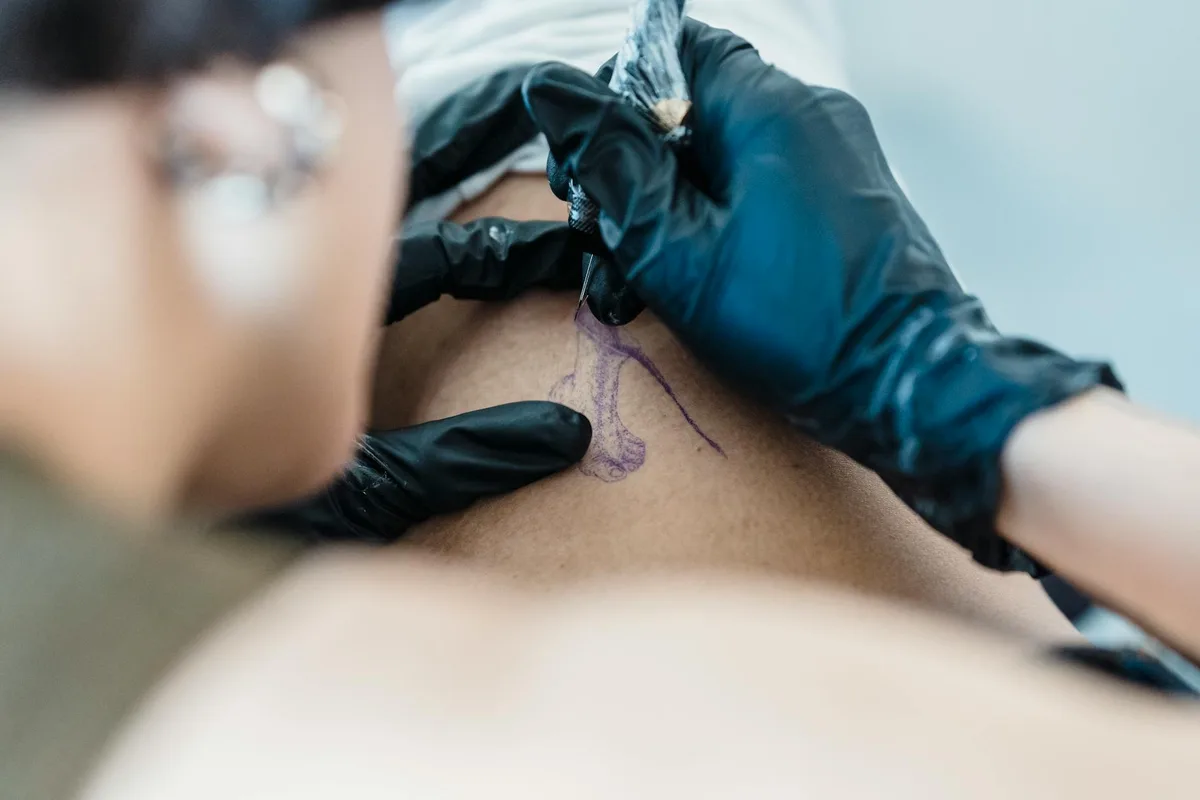
- Stencil Application: The artist applies a stencil to your skin, allowing for adjustments. This crucial step takes around 15 minutes.
- Tattooing: The actual tattooing begins, which can last from 1 to several hours depending on the design’s complexity.
- Final Touches: After the main tattooing, any final details are added, taking approximately 15-30 minutes.
Before your tattoo appointment, bring these items:
- Valid identification
- Comfort items like snacks and water
- Loose clothing for easy access to the tattoo area
Communication with your artist is vital throughout the tattoo process. Preparation is key.
Preparing for Your Tattoo Appointment
Preparation is key to a successful tattoo experience. Here’s how to ensure you’re fully prepared:
- Hydration: Drink plenty of water to improve skin elasticity. Surprisingly, many overlook this crucial step.
- Avoid Alcohol: Steer clear of alcohol as it can thin your blood.
- What to Wear: Choose comfortable clothing that allows easy access to the tattoo area.
- What to Bring: Include any necessary paperwork and identification.
- Mental Preparation: Set realistic expectations for pain and the overall experience.
Now that you’re prepared, let’s dive into the actual tattooing process.
The Tattooing Process: From Stencil to Ink
Curious about what happens once you sit in the tattoo chair? Let’s explore the tattooing process step by step.
- Stencil Application: The artist applies a stencil to your skin, ensuring accuracy and gaining your approval before beginning.
- Tattoo Techniques: Artists use various techniques, including line work, shading, and layering colors, to create depth and detail.
- Duration: The process duration varies, depending on the tattoo’s size and complexity, often taking several hours.
After the tattoo is complete, proper aftercare is essential for healing.
Post-Tattoo Care Instructions
Your tattoo is a work of art, but how you care for it post-appointment is crucial for its longevity—here’s what you need to know.
- Use recommended ointments and moisturizers to keep the area hydrated and promote healing.
- Expect scabbing and peeling as part of the natural healing process.
- Avoid picking at scabs to prevent infection and preserve the tattoo’s appearance.
Many clients are unaware that the healing process can take several weeks and that proper aftercare can significantly influence the tattoo’s longevity and appearance. Choosing the right tattoo artist and studio is just as important as the tattoo itself.
Choosing the Right Tattoo Artist and Studio

Finding the right tattoo artist can make all the difference—how do you choose the best one for your vision? Start by researching artists’ portfolios and styles. This helps ensure their expertise aligns with your desired tattoo. For instance, if you’re interested in a realistic portrait, seek out artists known for their realism skills, while abstract designs might require a different specialist.
Equally important is the rapport between you and the artist. A good relationship can enhance your tattoo experience, making the process smoother and more enjoyable. Don’t hesitate to schedule a consultation to discuss your ideas and gauge their enthusiasm and understanding.
When it comes to tattoo studio selection, recommendations and reviews are invaluable. They provide insights into the studio’s reputation, cleanliness, and customer service. Many clients overlook the fact that a tattoo artist’s specialty can greatly influence the outcome; thus, gathering feedback from past clients can be enlightening.
Understanding the factors that contribute to a good artist helps in evaluating studios for safety and comfort.
Factors to Consider When Selecting an Artist
Choosing a tattoo artist is more than just looking at their portfolio—what factors should you really consider? Key criteria include the artist’s experience, their unique style, and the cleanliness of their workspace. A consultation meeting is essential to assess compatibility and comfort. Clients often underestimate the importance of an artist’s communication style; a good artist will actively listen and engage in discussions about the tattoo design.
Be wary of red flags such as poor hygiene practices or dismissive attitudes during consultations. For more tips on selecting the right artist, visit TattooDo. Once you’ve chosen an artist, evaluating the studio environment is crucial for your comfort and safety.
Evaluating Tattoo Studios for Safety and Comfort
Safety and comfort are paramount when getting a tattoo—how do you evaluate a studio before your appointment? Start by assessing tattoo studio hygiene standards. Look for clean surfaces, sterilized equipment, and artists wearing gloves. A well-organized layout can enhance comfort and efficiency, making your experience more pleasant. Consider the studio’s atmosphere; it should feel welcoming and professional.
Asking the right questions can further ensure you choose the best artist for your needs.
Questions to Ask Your Tattoo Artist
Are you prepared to ask the right questions during your tattoo consultation? Here’s what you need to know. Asking the right questions can ensure your tattoo experience is positive and aligns with your vision. Start by inquiring about the artist’s experience and their aftercare recommendations. This helps gauge their expertise and commitment to your tattoo’s success.
Essential tattoo consultation questions include:
- Can you explain your tattooing process?
- What are your qualifications and experience?
- How do you handle design modifications?
- What aftercare steps do you recommend?
These questions not only clarify the tattooing process but also help you assess how well the artist understands your vision. Many clients miss the opportunity to discuss potential design modifications during the consultation, which can lead to dissatisfaction later on. Understanding pain levels is crucial for managing expectations during the tattoo process.
Pain Levels and Management During the Tattoo Process
Wondering how much it will hurt to get your tattoo? Let’s break down the pain levels you can expect. Tattoo pain levels vary significantly from person to person, largely depending on individual pain tolerance. While some people describe the sensation as a mild irritation, others find it more intense. Research indicates that tattoo pain can be influenced by psychological factors, such as anxiety levels and previous experiences with pain.
According to a study published in the Journal of Pain Research, individuals with higher anxiety levels often report increased pain perception during tattooing. It’s crucial to discuss pain management options with your tattoo artist beforehand. They can offer advice on techniques to minimize discomfort, such as taking breaks or using topical anesthetics.
Managing pain during a tattoo session is essential for a positive experience. Open communication with your artist can help tailor the process to your comfort levels. Understanding pain variations by body part can further clarify what to expect.
Understanding Pain Variations by Body Part
Did you know that the location of your tattoo can significantly affect how much it hurts? Let’s explore the pain variations by body part. Tattoo pain by body part varies greatly; for instance, ribs are notoriously painful due to less muscle and more bone, while forearms are generally more manageable.
Interestingly, areas with more nerve endings, such as the inner arm, tend to be more painful than areas with more muscle or fat, like the thigh. Skin type and body fat also influence pain perception during tattooing. A client once shared, “My rib tattoo was far more intense than my shoulder piece.”
Pain management techniques can make a significant difference in your tattoo experience.
Techniques for Managing Pain During Tattooing
Are you worried about the pain of getting a tattoo? Here are some effective techniques to help manage it. Many clients find that engaging in deep breathing techniques can significantly reduce their perception of pain during the tattooing process, even more than topical numbing agents. Communicating your pain management preferences with your artist is crucial.
Consider using numbing creams specifically designed for tattoos. Additionally, distractions like music or engaging in conversation can help shift focus away from discomfort. Understanding what to expect in terms of discomfort can further ease your mind.
What to Expect in Terms of Discomfort
What does getting a tattoo really feel like? Let’s discuss the sensations you can expect during the process. Tattoo discomfort expectations vary, but common sensations include stinging, scratching, or a vibrating feeling. As the tattoo progresses, discomfort may fluctuate, especially in sensitive areas like ribs or ankles. Interestingly, many clients report that the anticipation of pain can be more intense than the actual sensation experienced during tattooing, highlighting the psychological aspect of pain.
Mentally preparing for these sensations can help manage your expectations. Understanding what to feel during a tattoo can make the experience less daunting. Aftercare is crucial for ensuring your tattoo heals properly and maintains its quality.
Aftercare and Healing: Ensuring Your Tattoo Lasts
Your tattoo deserves the best care—are you aware of the essential aftercare steps to ensure it heals beautifully? The importance of tattoo aftercare cannot be overstated, as it plays a crucial role in preserving the quality and longevity of your ink. Many clients do not realize that improper aftercare can lead to fading or infection, which can compromise the tattoo’s integrity and appearance.
To avoid common aftercare mistakes, follow these essential steps:
- Keep it clean: Gently wash your tattoo with mild soap and lukewarm water.
- Moisturize: Apply a thin layer of fragrance-free lotion to keep the skin hydrated.
- Avoid sun exposure: Protect your tattoo from direct sunlight to prevent fading.
The healing process timeline typically spans several weeks:
- Days 1-6: Expect redness and swelling; keep the area clean and moisturized.
- Weeks 1-2: Peeling and itching may occur; resist scratching.
- Weeks 3-4: The tattoo should appear more settled, with any scabbing falling away.
Understanding the healing stages will help you know what to expect.
Essential Aftercare Steps for New Tattoos
What’s the secret to keeping your new tattoo vibrant and healthy? Here’s a guide to essential aftercare steps.
- Clean Gently: Wash your tattoo with fragrance-free soap and lukewarm water to prevent irritation.
- Apply Ointment: Use a thin layer of ointment to keep the area moisturized and promote healing.
- Moisturize Regularly: Opt for fragrance-free moisturizers to maintain hydration without causing irritation.
- Cover with Bandage: Protect your tattoo with a breathable bandage to shield it from dirt and bacteria.
Familiarizing yourself with the healing stages can help you track your tattoo’s recovery.
Common Healing Stages and What to Expect
Are you curious about what happens to your tattoo as it heals? Let’s explore the common stages of tattoo healing together. Initially, expect redness and swelling, which typically subside within a few days. As the tattoo recovery timeline progresses, peeling occurs, often mistaken for fading but is a natural part of healing.
The peeling stage, lasting about a week, is crucial. Interestingly, many clients do not realize this is normal and not a sign of damage. Finally, the tattoo may appear slightly dull as it settles, but this is temporary. Recognize proper healing by observing consistent improvement without excessive redness or pus.
Navigating the emotional aspects of getting a tattoo can be just as important as the physical preparation.
Navigating the Emotional Aspects of Getting a Tattoo
Have you considered the emotional journey of getting a tattoo? It’s more profound than you might think—let’s explore it together. Many clients experience a rollercoaster of emotions before, during, and after their tattoo session. The anticipation often brings excitement mixed with anxiety, especially if the tattoo holds significant personal meaning.
Emotional preparation for tattoos is crucial. Setting clear intentions can help you focus on the positive aspects of the experience. For instance, if your tattoo commemorates a life event, visualizing the outcome can be empowering. During the session, deep breathing and mindfulness techniques can ease anxiety, allowing you to stay present and calm.
After the tattoo, many clients report a sense of catharsis or relief, particularly if the tattoo symbolizes a personal story or milestone. This emotional release can be therapeutic, providing closure or a new beginning. Remember, coping with post-tattoo emotions is an important aspect of the overall experience.
Emotional Preparation Before Getting Inked
Are you ready to dive deep into your emotions before getting inked? Here are some strategies to prepare yourself mentally. Visualize the tattoo process, using positive affirmations to boost confidence. Understanding your motivations can greatly influence your experience. Surprisingly, many clients find that writing a letter to themselves about their tattoo’s significance solidifies emotional readiness.
Consider stories from others: Jane, a first-time client, shared that visualizing her tattoo’s meaning helped calm her nerves. Another client, Tom, emphasized that knowing why he wanted the tattoo made the experience more fulfilling. Understanding how to cope with emotions after getting tattooed is equally important.
Coping with Post-Tattoo Emotions
What happens emotionally after you get a tattoo? Let’s explore how to navigate those feelings together. It’s common to feel relief, excitement, or even regret. Interestingly, many clients experience ‘tattoo regret’ shortly after getting inked. Reflecting on your decision and discussing it with supportive friends can help in managing these post-tattoo emotions.
Engaging with online communities or talking to friends can be beneficial in coping with tattoo regret. These support systems provide a space to share experiences and gain reassurance. To wrap up, let’s summarize the key takeaways about the tattoo process.
FAQs About the Tattoo Experience
Got questions about the tattoo experience? Here are some of the most common FAQs answered for you.
- Does getting a tattoo hurt? Pain levels vary, but most describe it as a bearable discomfort.
- How do I care for my new tattoo? Follow your artist’s aftercare instructions closely to ensure proper healing.
- Are tattoos safe? When done by a professional in a clean environment, tattoos are generally safe.
Many clients are surprised to learn that the majority of tattoo artists are open to answering questions and providing guidance throughout the process, which can alleviate anxiety. For more detailed information, visit WebMD’s tattoo guide.
Let’s conclude with the key takeaways about what to expect during the tattoo process.
How Long Does a Tattoo Session Usually Last?
Ready to take the plunge into the world of tattoos? Here are the key takeaways to keep in mind as you embark on your journey. The tattoo process is a collaborative art form, where both the artist and client contribute to the final piece. Preparation is essential; research and select an artist whose style resonates with you. On the day of your appointment, expect a step-by-step experience, from design approval to the buzzing of the needle.
Aftercare is crucial for healing and maintaining your tattoo’s vibrancy. Embrace this journey with confidence and excitement. Remember, the right artist and studio can make all the difference. For personalized consultations, reach out to Bold Ink Art and start your tattoo adventure today!
Can I Bring a Friend to My Tattoo Appointment?
Bringing a friend to your tattoo appointment can be a great way to ease nerves and provide moral support. Most tattoo studios allow you to have a companion, but it’s essential to check with the studio beforehand, as policies may vary. A supportive friend can help distract you during the process and offer comfort if needed.
However, it’s important to ensure that your friend respects the artist’s workspace. They should avoid crowding the area and keep conversations to a minimum to allow the tattoo artist to concentrate. Some studios may have limited space, so consider the studio’s layout and any specific rules they might have regarding guests. Ultimately, having a friend present can make the experience more enjoyable, as long as it aligns with the studio’s guidelines.
What Should I Wear to My Tattoo Appointment?
Choosing the right attire for your tattoo appointment is crucial for comfort and accessibility. Opt for loose-fitting clothes that allow easy access to the area being tattooed. For instance, if you’re getting a leg tattoo, shorts or a skirt would be ideal. Similarly, a sleeveless top is perfect for arm tattoos.
Consider wearing dark-colored clothing as ink stains are a possibility. Layers can be helpful; studios might be cool due to air conditioning, so a light jacket or sweater can keep you comfortable. Avoid wearing anything too tight or restrictive, as you might be sitting or lying in the same position for an extended period.
- Loose-fitting clothes
- Dark colors to hide potential ink stains
- Layered clothing for temperature control
How Do I Know If My Tattoo Is Healing Properly?
Observing your tattoo during the healing process is crucial to ensure it heals correctly. Initially, expect some redness and swelling, which should subside within a few days. As your tattoo heals, it will likely scab and peel, similar to a sunburn. This is normal, and you should avoid picking at it to prevent scarring.
Signs of proper healing include a gradual reduction in redness and a consistent peeling process. The tattoo should not emit any foul odor or produce excessive pus. If you notice any unusual symptoms, such as persistent redness, swelling, or pain, consult your tattoo artist or a healthcare professional.
- Redness and swelling decrease over time
- Peeling occurs naturally
- No unusual discharge or odor
What If I Want to Remove or Alter My Tattoo Later?
Deciding to remove or alter a tattoo is a significant choice, and several options are available. Laser removal is the most common method, effectively breaking down ink particles over multiple sessions. However, it can be costly and may cause discomfort.
For those looking to alter rather than remove, a cover-up tattoo might be a suitable option. This involves designing a new tattoo that incorporates or conceals the original. Consulting with an experienced tattoo artist is crucial to achieve the desired outcome.
- Laser Removal: Multiple sessions, potential discomfort.
- Cover-Up: New design over the existing tattoo.
Researching and discussing these options with professionals will help ensure you make the best decision for your needs.
Key Takeaways About the Tattoo Process
Ready to take the plunge into the world of tattoos? Here are the key takeaways to keep in mind as you embark on your journey. The tattoo process is a collaborative art form that requires thoughtful preparation, careful artist selection, and diligent aftercare. Each step is crucial to ensuring a positive and rewarding experience.
Firstly, preparation is key. Researching designs and understanding your personal style will help you communicate your vision effectively. Remember, choosing the right tattoo artist and studio is paramount. Look for professionals with a style that aligns with your vision and a reputation for cleanliness and professionalism.
On the day of your appointment, expect a step-by-step process where communication with your artist is essential. This collaboration ensures that the final piece is a true reflection of your shared vision. Clients often overlook this aspect, but it is vital to view tattoos as a partnership between you and your artist.
Aftercare cannot be overstated. Following your artist’s instructions will aid in healing and preserve the quality of your tattoo for years to come. Embrace your tattoo journey with confidence and excitement, knowing that each step brings you closer to a unique piece of art.
Book your consultation today to start designing your one-of-a-kind tattoo with Bold Ink Art. Let us help you transform your ideas into a beautiful reality.
Leave a Reply