
Why First Tattoo Tips Are Crucial for a Positive Experience
Are you ready to make a permanent decision? Understanding first tattoo tips can transform your experience from daunting to empowering. These insights are crucial for beginners as they address the psychological and emotional aspects of getting inked, ensuring a positive first tattoo experience.
Research shows that 70% of first-time tattoo recipients report higher satisfaction when they follow proper preparation tips. This includes understanding the importance of tattoo preparation benefits, which can significantly impact the overall experience and outcome. Being well-informed helps manage expectations and reduces anxiety, making the process more enjoyable.
Now that we understand the significance of preparation, let’s dive into how to choose the right tattoo artist and design placement.
Choosing the Right Tattoo Artist and Design Placement
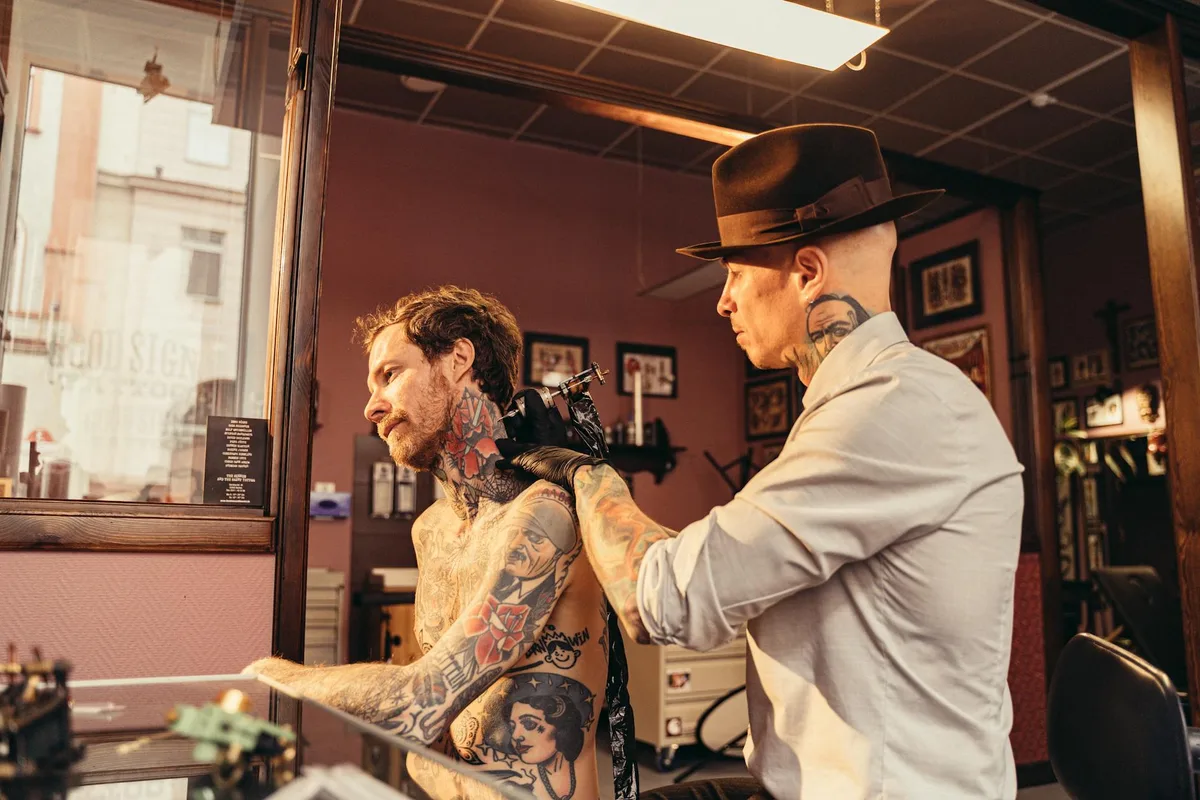
Finding the right tattoo artist can be as crucial as the design itself—here’s how to make the best choice. Start by evaluating the artist’s portfolio to ensure their style aligns with your vision. Check for high hygiene standards and read customer reviews for insights into their professionalism. Effective communication with your artist is key to achieving your desired design.
When considering tattoo placement, remember that areas like the ribs can be more painful and affect healing differently than the forearm. Visibility and meaning also vary with placement, influencing the tattoo’s impact. Next, we will explore specific factors to consider when selecting a tattoo artist.
Factors to Consider When Selecting a Tattoo Artist
Choosing the right tattoo artist can be overwhelming—here are the key factors to simplify your decision. Start by evaluating tattoo artists based on their style and experience level. Check their online portfolios and client testimonials to gauge skill. Only 30% of first-time tattoo recipients visit multiple studios, limiting their options for finding the best fit.
Ensure the studio is clean and that you feel comfortable with the artist. This comfort is crucial for a smooth experience. With the right artist in mind, let’s discuss how to decide on tattoo placement and design.
Tips for Deciding on Tattoo Placement and Design
The placement of your tattoo can make all the difference—here’s how to choose wisely. Consider body part sensitivity; for example, tattoos on arms are generally less painful than those on ankles. Design size and complexity also matter; intricate designs may require more space, making shoulders ideal. Popular first tattoo placements include wrists, shoulders, and ankles.
Placement can alter not only the tattoo’s visibility but also its healing time; for instance, tattoos on the inner arm may take longer to heal than those on the outer arm due to friction. Now, let’s address some common mistakes to avoid when selecting an artist and design.
Common Mistakes to Avoid in Artist and Design Selection
Avoiding common mistakes can save you from tattoo regret—let’s explore what to watch out for. Rushing the decision is a frequent error; take your time to research and read artist reviews. Ignoring these can lead to dissatisfaction. Discussing design details thoroughly is crucial to avoid first tattoo regrets.
Surprisingly, nearly 50% of first-time tattoo clients report regretting their choice due to insufficient research on artists and designs. Asking questions and being informed are key steps in avoiding common tattoo pitfalls. Having covered artist selection, let’s move on to how to prepare for your first tattoo with a comprehensive checklist.
Preparing for Your First Tattoo: A Comprehensive Checklist
Preparation is key to a successful first tattoo—here’s your ultimate checklist to ensure you’re ready. Follow these steps for a smooth experience:
- Mental Preparation: Set realistic expectations about the tattoo process and potential discomfort.
- Research: Investigate the tattoo studio and artist. Check reviews and portfolios to ensure quality. Learn more about choosing the right artist.
- Hydration: Drink plenty of water before your appointment to improve skin elasticity and reduce pain.
- Avoid Alcohol: Refrain from drinking alcohol at least 24 hours before your session.
Next, we’ll discuss what to bring to your tattoo appointment for a seamless experience.
Essential Pre-Tattoo Preparations
Packing the right items for your tattoo appointment can enhance your experience—here’s what you need to bring:
- Identification: Always carry a valid ID to verify your age and identity.
- Questions List: Prepare a list of questions to ask your artist about the process and aftercare.
- Reference Images: Many clients overlook the importance of bringing reference images, which can significantly help the artist understand their vision and reduce miscommunication.
- Comfortable Clothing: Wear clothes that allow easy access to the tattoo area, ensuring comfort during the session.
- Mental Preparation: Take time to relax and mentally prepare for the experience, reducing anxiety and ensuring a positive mindset.
Now, let’s cover day-of-tattoo tips to ensure a smooth experience.
What to Bring to Your Tattoo Appointment
The day of your tattoo can be nerve-wracking—here are tips to ensure everything goes smoothly.
- Dress Comfortably: Wear loose clothing that allows easy access to the tattoo area. This ensures comfort and accessibility during the session.
- Arrive Just on Time: Arriving too early or too late can disrupt the tattoo schedule. Aim to arrive just on time to avoid unnecessary stress.
- Eat Beforehand: Have a light meal to maintain energy levels and prevent dizziness during the tattoo process.
- Manage Anxiety: If you’re feeling anxious, practice deep breathing or bring headphones to listen to calming music.
With preparation in place, let’s navigate the tattoo process and discuss pain management.
Day-of-Tattoo Tips for a Smooth Experience
Understanding the tattoo process can ease your nerves—here’s what you can expect from start to finish. The tattoo process explained:
- Consultation: Discuss your design ideas with the artist. Many first-time clients are unaware that this phase can significantly influence the final design and tattoo outcome.
- Preparation: The artist will set up their equipment, ensuring everything is sterile and ready.
- Tattooing: Depending on complexity, tattoos can take from an hour to several sessions.
- Aftercare Instructions: Follow the artist’s guidelines to ensure proper healing.
Next, we will explore effective pain management techniques during the tattooing process.
Navigating the Tattoo Process and Managing Pain
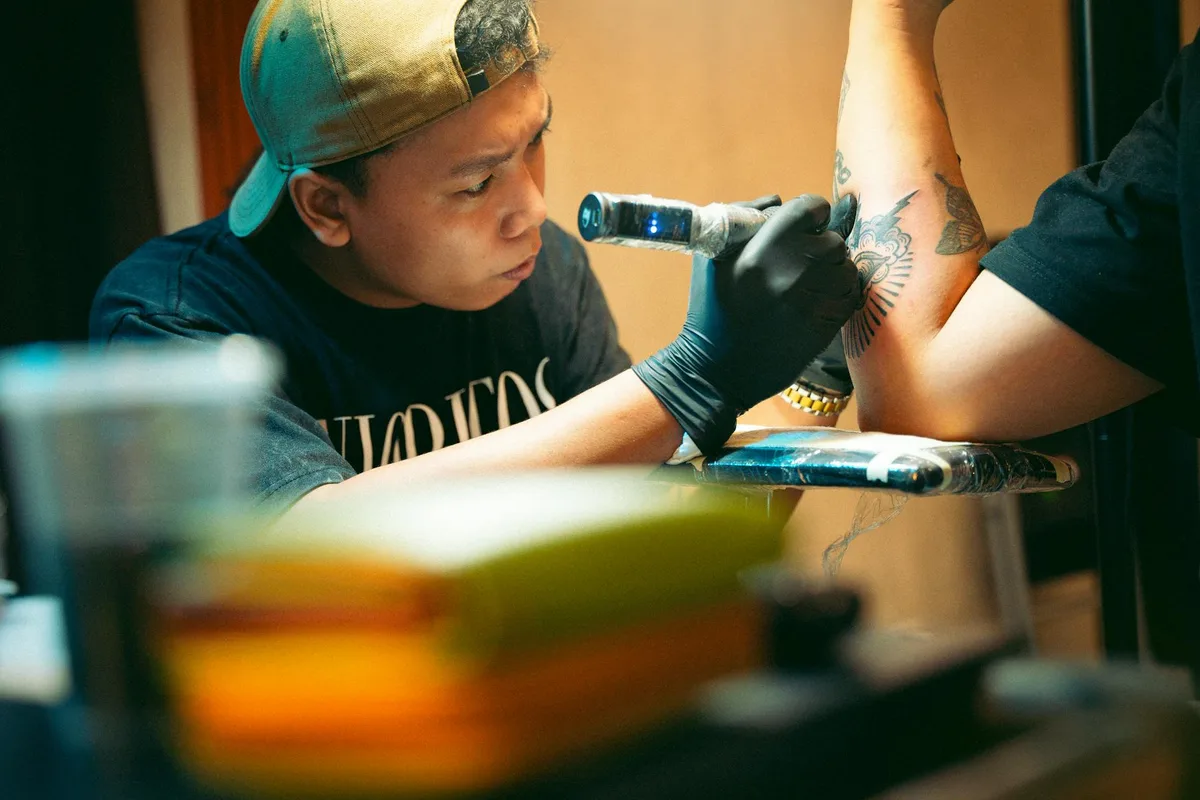
Understanding the tattoo process can ease your nerves—here’s what you can expect from start to finish. The journey begins with a consultation, a crucial phase where your ideas are discussed and refined. Many first-time clients are unaware that this stage can significantly influence the final design, allowing for adjustments based on feedback. During the tattoo session, the artist will use specialized equipment, which may seem daunting at first, but understanding its role can be reassuring.
Smaller tattoos might take an hour, while larger pieces can span multiple sessions. Aftercare instructions are vital for healing, ensuring your tattoo looks its best. Next, we will explore effective pain management techniques during the tattooing process.
Understanding the Tattoo Process: What to Expect
Curious about what happens during your tattoo session? Here’s a step-by-step guide to the process. Initially, you’ll have a consultation with your artist to discuss design and placement. During the tattooing process, the artist will guide you through each stage, from outlining to shading and final touches. Styles like intricate realism can take several hours, while simpler designs may be quicker. Understanding these tattoo session details can enhance communication with your artist, ensuring your concerns are addressed at the right time. With the process clear, let’s discuss effective pain management techniques during tattooing.
Effective Pain Management Techniques During Tattooing
Pain is a common concern for first-timers—here are techniques to help manage discomfort during your tattoo. Surprisingly, many clients find that engaging in deep breathing exercises can significantly reduce their perception of pain. Additionally, topical numbing creams offer relief, especially in sensitive areas like ribs or ankles.
Understanding how different body placements affect pain levels is crucial. Areas with more nerve endings, such as the ribs, tend to be more painful. Communicating your pain levels to the artist is key; they can adjust their technique or offer breaks as needed.
Now, let’s discuss how to effectively communicate with your tattoo artist during the session.
How to Communicate with Your Tattoo Artist During the Session
Effective communication can make or break your tattoo experience—here’s how to ensure you and your artist are on the same page.
- Ask Questions: Before the tattoo session, inquire about the process, expected pain levels, and design specifics. This sets a clear understanding.
- Express Concerns: During the session, if you feel discomfort or want design adjustments, speak up. Tattoo artists appreciate real-time feedback.
- Use Body Language: Non-verbal cues can be powerful. A tense posture may signal discomfort, prompting the artist to check in with you.
Next, we will cover essential aftercare tips to keep your new tattoo looking great.
Tattoo Aftercare and Tipping Etiquette
Your tattoo deserves the best care—here are best practices to ensure it heals beautifully. Start by gently cleaning your tattoo with mild soap and water, then apply a fragrance-free moisturizer to keep it hydrated. Avoid sun exposure and swimming, as these can damage your new ink. The tattoo healing process typically takes 2-4 weeks; expect initial redness, followed by peeling. Many clients underestimate the importance of tattoo aftercare; proper care can extend the life of a tattoo by years and prevent fading. In addition to aftercare, understanding tipping etiquette for tattoo artists is crucial.
Best Practices for Tattoo Aftercare
Aftercare is crucial for preserving your tattoo’s beauty—here’s how to do it right. A proper tattoo aftercare routine is essential for optimal healing and vibrant results.
- Wash Gently: Clean your tattoo with mild, fragrance-free soap to avoid irritation.
- Moisturize Regularly: Apply a recommended, fragrance-free lotion to keep the skin hydrated.
- Avoid Irritants: Steer clear of direct sunlight, swimming pools, and tight clothing.
- Follow Instructions: Adhere to your artist’s specific aftercare guidelines.
- Common Mistakes: Avoid picking scabs or using scented products, which can hinder healing.
Now, let’s dive into the often-overlooked topic of tipping etiquette for tattoo artists.
Understanding Tipping Etiquette for Tattoo Artists
Tipping your tattoo artist can be tricky—here’s how to navigate the etiquette with ease. Generally, tattoo artist tipping etiquette suggests a tip of 15-20% of the total cost. For a $200 tattoo, a $30-$40 tip is appropriate, while a $500 tattoo might warrant a $75-$100 tip.
Many clients are unaware that tipping can vary significantly based on local customs; in some areas, a 20% tip is standard, while in others, it may be as low as 10%. Showing appreciation for your artist’s work and time is crucial.
With aftercare and tipping covered, let’s address some frequently asked questions about getting your first tattoo.
FAQs About Getting Your First Tattoo
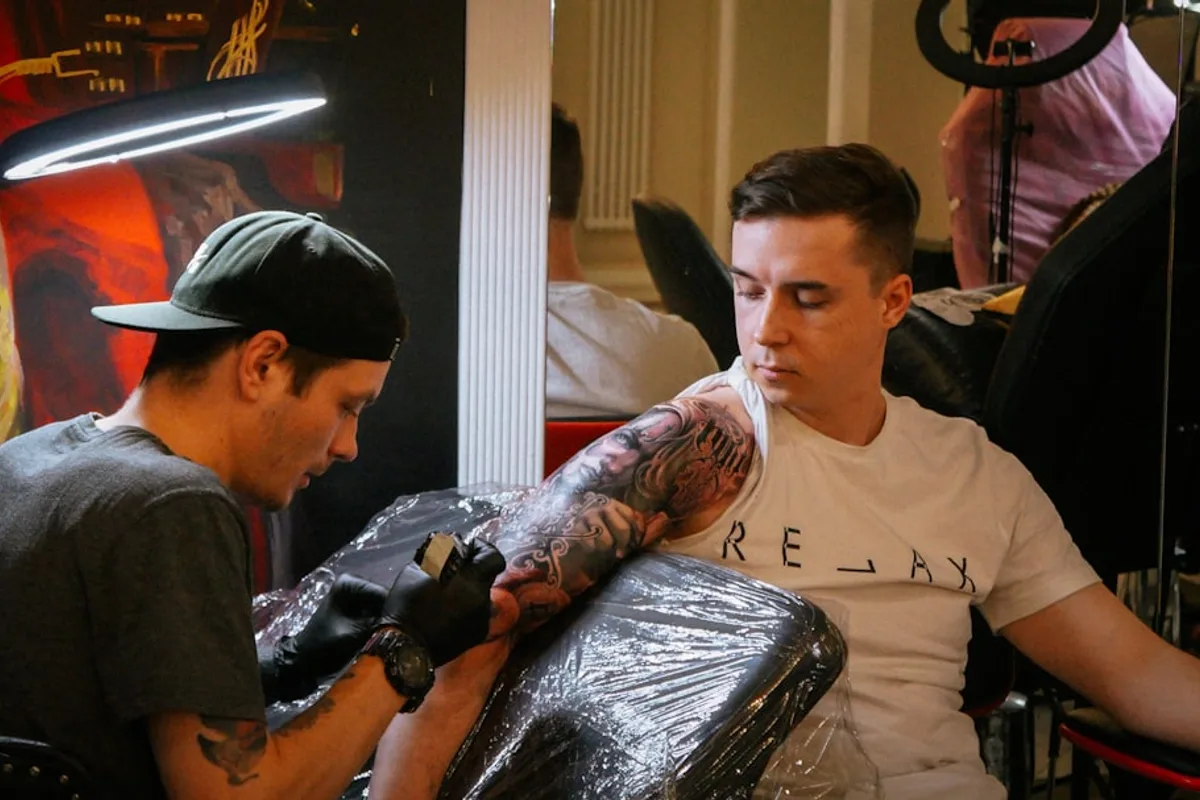
Got questions about your first tattoo? Here are the most common FAQs answered for you.
- How long does a tattoo take to heal?
Healing times vary; smaller tattoos may heal in 2-3 weeks, while larger pieces can take longer, depending on placement.
- What are the risks of infection?
Infections are rare with proper aftercare. Follow your artist’s advice and keep the area clean.
For more detailed information, check out Tattoo Health.
Finally, let’s summarize the key takeaways from this guide on first tattoo tips.
How Long Does a Tattoo Take to Heal?
Understanding your tattoo’s healing timeline is crucial—here’s what to expect as you recover. Generally, a small tattoo may heal in 2-3 weeks, while larger pieces can take up to 6 weeks. Tattoos on muscular areas like the thigh often heal faster than those on bony areas like the wrist. Patience is key; expect peeling and itching as normal signs of healing. Watch for redness or pus, which may indicate infection. Learn more about tattoo aftercare.
Next, we’ll address whether it’s normal for a tattoo to itch during the healing process.
Is It Normal for a Tattoo to Itch During Healing?
Is your new tattoo itching? Here’s what you need to know about this common healing symptom. Tattoo itching during healing is perfectly normal and indicates that your skin is repairing itself. However, excessive scratching can lead to scarring or fading. To manage tattoo itching, gently pat the area or apply a recommended moisturizer. If itching becomes severe or is accompanied by swelling, seek medical advice. Now, let’s discuss what to do if your tattoo gets infected.
What Should I Do If My Tattoo Gets Infected?
Infections can happen, but knowing the signs can save your tattoo—here’s how to handle it if it occurs. Watch for tattoo infection signs like redness, swelling, and pus. If you suspect an infection, clean the area gently and apply an antibacterial ointment. Seek medical help if symptoms worsen. To prevent infections, keep your tattoo clean and avoid touching it with unwashed hands. Next, we’ll cover the costs associated with getting your first tattoo.
How Much Does a First Tattoo Typically Cost?
Budgeting for your first tattoo? Here’s what you need to know about typical costs and factors that influence pricing. The tattoo cost breakdown includes size, complexity, and artist experience. Generally, first tattoo pricing can range from $50 for small, simple designs to several hundred dollars for intricate pieces. Many first-timers are surprised to learn that geographic location affects pricing, with urban areas often charging more than rural ones.
During consultations, discuss how much for a tattoo with your artist to ensure clarity. Finally, let’s address whether individuals with sensitive skin can get tattoos.
Can I Get a Tattoo If I Have Sensitive Skin?
Worried about getting a tattoo with sensitive skin? Here’s what you need to know to ensure a safe experience. Yes, you can tattoo sensitive skin, but it’s crucial to consider potential reactions to ink and aftercare products. Consulting with a dermatologist is a wise step. Many clients with sensitive skin are unaware that certain hypoallergenic tattoo inks and products can minimize reactions, making tattoos for sensitive skin possible.
Now, let’s summarize the key takeaways from this comprehensive guide on first tattoo tips.
Key Takeaways About First Tattoo Tips
As you prepare for your first tattoo, remember these key takeaways to ensure a rewarding experience. Choosing the right tattoo artist is crucial; research their portfolio and reviews to find someone whose style aligns with your vision. Preparation is key—consider your tattoo’s placement and design carefully, as these choices will affect both the aesthetic and personal significance of your tattoo.
Many first-timers find that taking the time to prepare and educate themselves not only enhances their experience but also deepens their appreciation for their tattoo’s meaning. Enjoy the journey, savor the anticipation, and make informed decisions to ensure a positive experience. Book your consultation today to start designing your one-of-a-kind tattoo!
Leave a Reply