Why Choosing the Right Tattoo Artist is Essential
Choosing the right tattoo artist can make the difference between a masterpiece and a mistake. Tattoos carry deep emotional and personal significance, often symbolizing important life events or personal beliefs. Selecting a skilled artist ensures that your vision is accurately translated onto your skin.
Approximately 23% of people regret their tattoos, frequently due to poor execution or miscommunication with the artist. A good artist-client relationship is crucial for achieving the desired results. By carefully selecting your tattoo artist, you can significantly reduce the chances of dissatisfaction.
Now that we understand its importance, let’s explore how to effectively choose the right tattoo artist.
How to Choose the Right Tattoo Artist by Evaluating Portfolios and Reputation
A tattoo artist’s portfolio is more than just a collection of images; it’s a glimpse into their creative soul. To evaluate a tattoo artist’s portfolio and reputation effectively, follow these steps:
- Examine the diversity and completion of styles in their portfolio. Artists with a consistent style are often more reliable, showcasing mastery in a specific area.
- Explore reputable platforms like Instagram and personal websites to find artist portfolios.
- Consider the artist’s reputation within the tattoo community, noting any awards or recognitions they may have received.
Next, we will delve deeper into the specifics of artistic styles and quality.
Assessing Artistic Styles and Quality
Understanding tattoo styles is crucial in finding an artist that aligns with your vision. Tattoo artistic styles such as traditional, realism, and watercolor each have unique characteristics. Traditional tattoos often feature bold lines and vibrant colors, while realism focuses on lifelike details. Watercolor styles mimic the fluidity of paint, offering a softer appearance.
High-quality tattoos exhibit clean lines, consistent shading, and vibrant colors. In contrast, low-quality tattoos may have blurred lines and uneven shading. The intricacy of designs can impact the overall quality and longevity of a tattoo, with detailed work requiring a skilled hand.
The best tattoo artists often specialize in a specific style, which can significantly affect the outcome of your tattoo. Armed with this knowledge, let’s explore how to check online reviews and testimonials to further evaluate potential artists.
Checking Online Reviews and Testimonials
In the digital age, online reviews can be your best friend or worst enemy in choosing a tattoo artist. Tattoo artist reviews on platforms like Yelp, Google, and social media offer valuable insights. Look for consistency in feedback and specific mentions of quality. Positive indicators include praise for cleanliness and professionalism, while negative reviews often highlight poor communication or unsanitary conditions.
Over 80% of consumers trust online reviews as much as personal recommendations, making them a crucial part of the decision-making process. Understanding how to read tattoo testimonials and finding reliable tattoo reviews can significantly impact your choice. With a clearer understanding of reviews, let’s identify some red flags to watch out for when selecting an artist.
Red Flags to Watch Out For
Not all tattoo artists are created equal; knowing the red flags can save you from a regrettable experience. Common tattoo artist red flags include lack of hygiene, poor communication, and unprofessional behavior. For instance, an artist who refuses to show their portfolio or provide references might be hiding poor quality work or a lack of experience.
Imagine walking into a studio that seems disorganized or dirty—this is a warning sign tattoo artist might not prioritize cleanliness. Similarly, if an artist dismisses your questions or concerns, it’s a clue on how to spot bad tattoo artist practices. Trust and comfort are essential in the artist-client relationship.
Having identified potential pitfalls, let’s discuss key factors like hygiene, experience, and specialization.
Key Factors in Choosing the Right Tattoo Artist: Hygiene, Experience, and Specialization

When it comes to tattoos, cleanliness is not just a preference; it’s a necessity for your health. Tattoo hygiene standards are crucial because infections from tattoos can lead to serious health issues. Studies indicate that 2% of tattooed individuals experience complications due to poor hygiene. Reputable artists adhere to certifications and standards, ensuring a sterile environment. Now, let’s evaluate the experience levels of tattoo artists and how they impact your choice.
Importance of Hygiene Standards
Experience matters in tattooing; it can be the difference between a stunning piece and a regrettable one. Tattoo artist experience is defined by years in the industry and the number of tattoos completed. Artists with over 5 years of experience typically have better problem-solving skills for unique requests and challenges.
To evaluate tattoo experience, examine portfolios and client testimonials. A portfolio showcases an artist’s style and consistency, while testimonials reflect client satisfaction. For further insights, you can explore resources like Allure’s guide to choosing a tattoo artist.
With experience in mind, let’s explore how to find an artist with the right specialization for your tattoo.
Evaluating Experience Levels
Choosing a tattoo artist with the right specialization can elevate your design from ordinary to extraordinary. Tattoo artist specialization is crucial, especially for styles like portrait, traditional, or abstract. For instance, realism requires unique techniques to enhance detail and quality.
To find a specialized tattoo artist, start by defining your style preferences. Use online searches and visit local studios to evaluate portfolios for consistency and quality. Reviews and reputation also offer insight into their expertise. Having identified the right artist, let’s discuss how to book a consultation and what to expect.
Finding an Artist with the Right Specialization
A well-prepared consultation can set the stage for an exceptional tattoo experience. Begin by gathering design ideas and creating a mood board to visually communicate your vision. This is crucial, as many clients overlook the importance of visual references. Clearly articulate your expectations and style preferences during the consultation.
- Prepare a mood board with design inspirations.
- List questions about the artist’s experience and style.
- Bring any personal design sketches or references.
- Research the artist’s portfolio for quality and consistency.
- Check reviews and reputation online.
During the consultation, asking the right questions is key to ensuring a good fit with your artist.
Steps to Book a Consultation and Understand Tattoo Pricing
A well-prepared consultation can set the stage for an exceptional tattoo experience. Here’s how to prepare for your tattoo consultation effectively:
- Gather Design Ideas: Define your tattoo style and preferences. Create a mood board with visual references to enhance communication with your artist.
- Research Your Artist: Evaluate artist portfolios for quality and consistency. Check reviews and reputation to ensure a good fit.
- Prepare Questions: List questions about pricing, design, and the artist’s process to discuss during the consultation.
- Bring Essential Items: Include your mood board, design sketches, and any relevant documents in your tattoo consultation checklist.
During the consultation, asking the right questions is key to ensuring a good fit with your artist.
Preparing for Your Consultation
The right questions can unlock a deeper understanding of your tattoo artist’s capabilities and commitment to your vision. Here are essential tattoo consultation questions to ask:
- Is my design feasible, and have you worked on similar projects?
- What are your aftercare recommendations?
- How do you ensure the healing process goes smoothly?
- Can you explain your experience with my preferred tattoo style?
- How do you interpret my vision for this tattoo?
Once you’ve navigated the consultation, understanding tattoo pricing structures is essential for your budgeting.
Questions to Ask During the Consultation
Understanding tattoo pricing is crucial to ensuring you get the best value for your investment in body art. Here’s tattoo pricing explained:
- Hourly Rates vs. Flat Fees: Many artists charge by the hour, while others offer flat fees for specific designs. Hourly rates can range from $100 to $300, depending on the artist’s experience and location.
- Style and Size Influence Costs: Smaller tattoos or simple designs might cost less, while intricate styles like realism or large pieces can be more expensive.
- Geographic Location: Tattoo pricing structures vary significantly; urban areas often charge 20-30% more than rural settings.
- Evaluating Value: Consider the artist’s skill and the complexity of the design. A higher price may reflect superior artistry and detail.
After understanding pricing, it’s important to consider the etiquette around tipping your tattoo artist.
Understanding Tattoo Pricing Structures
Knowing when and how much to tip can elevate your relationship with your tattoo artist and show your appreciation. Here are some tattoo tipping guidelines:
- Tip 15-20% of the total cost for standard tattoos; increase for complex designs.
- Consider tipping after the tattoo is completed or for exceptional service.
- Research local tattoo tipping practices, as customs vary by region.
In some cultures, tipping is not customary, and being aware of local practices can enhance your interaction with the artist. Next, we will explore considerations for individuals with autoimmune diseases who are thinking about getting a tattoo.
Tattoo Tipping Etiquette: Understanding the 1/3 Rule
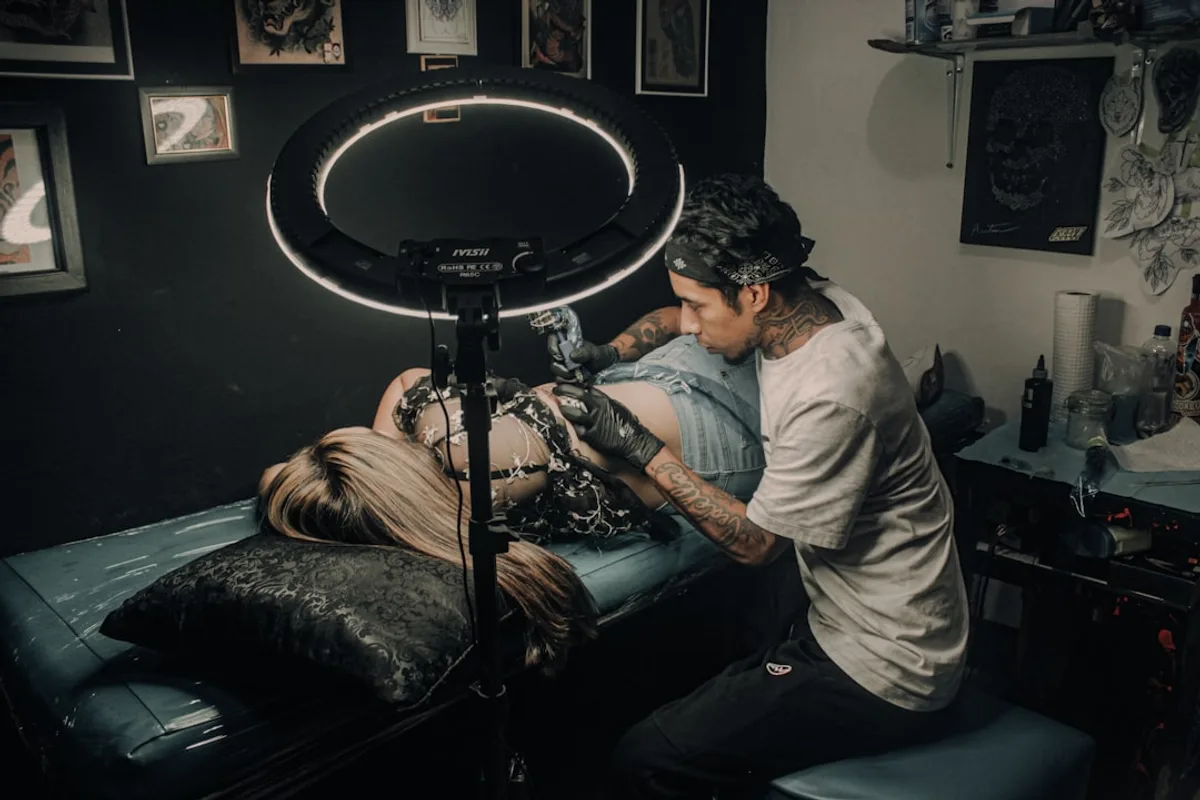
Tipping your tattoo artist is not just courteous; it reflects your appreciation for their artistry and effort. The 1/3 rule for tattoo tipping suggests giving a tip that is approximately one-third of the tattoo’s total cost. This practice recognizes the skill and time invested by the artist.
- For a $150 tattoo, a tip of $50 follows the 1/3 rule.
- A $300 tattoo would merit a $100 tip.
Many clients are unaware that tipping can significantly impact an artist’s income, especially in the tattoo industry where base rates may be lower. However, cultural variations exist, so understanding these differences can further enhance your experience with your tattoo artist.
When and How Much to Tip
Knowing when and how much to tip can elevate your relationship with your tattoo artist and show your appreciation. Typically, tipping occurs after the tattoo is completed, especially for exceptional service. Tattoo tipping guidelines suggest 15-20% of the total cost, varying with size and complexity. In some regions, tipping practices differ, so understanding local customs is beneficial.
Next, we will explore considerations for individuals with autoimmune diseases who are thinking about getting a tattoo.
Cultural Differences in Tipping
Getting a tattoo with an autoimmune disease requires careful consideration and the right artist to ensure safety and satisfaction. Individuals with autoimmune diseases may experience different healing processes, making it crucial to choose an artist familiar with these conditions. Communicate openly about your health to find a tattoo artist for autoimmune patients. Consulting with a healthcare professional can provide additional guidance for those with health concerns.
Tattooing with Autoimmune Diseases: What You Need to Know
Before you ink, consulting with your doctor can ensure a safe and satisfying tattoo experience, especially if you have autoimmune diseases or other health concerns. Many tattoo artists will require a doctor’s note for clients with serious health conditions, emphasizing the importance of medical consultation.
- What are the risks associated with tattoos and my specific condition?
- Are there any medications that could affect the healing process?
- What signs of infection should I watch for post-tattoo?
Finding artists who prioritize client health and safety is crucial. Choosing an artist experienced with health conditions can further enhance your tattoo journey.
Consulting with Your Doctor
Choosing the right tattoo artist is even more critical when health conditions are involved, ensuring both safety and artistry. Look for a tattoo artist for health conditions who has experience with clients facing similar challenges. For instance, artists specializing in autoimmune diseases often offer tailored aftercare approaches, enhancing client safety and healing.
Finding an experienced tattoo artist involves checking portfolios and reviews. Artists like Jane Doe in New York focus on tattooing with health issues, ensuring open communication about any conditions during consultations. This transparency is crucial in creating a safe and satisfying tattoo experience.
Now, let’s address some frequently asked questions about choosing the right tattoo artist.
FAQs About How to Choose the Right Tattoo Artist
Navigating the world of tattoos can be daunting; here are some FAQs to guide your journey.
- What are the most frequently asked questions about choosing a tattoo artist?
As we wrap up, let’s summarize the key takeaways to remember when choosing your tattoo artist.
What Should I Look for in a Tattoo Artist’s Portfolio?
Define your tattoo style and preferences before evaluating portfolios. Look for quality and consistency in the artist’s work, ensuring their style aligns with your vision. Pay attention to the details and shading techniques used. Additionally, check reviews and the reputation of the artist to ensure they have a history of satisfied clients and professional conduct.
How Important is an Artist’s Specialization?
Defining your tattoo style and preferences is crucial when choosing an artist. Specialization ensures that the artist has honed skills in specific styles, whether it’s realism, traditional, or watercolor. Evaluate portfolios for quality and consistency to ensure their expertise aligns with your vision. Additionally, check reviews and reputation to confirm their reliability and client satisfaction.
Can I Negotiate Tattoo Prices?
While some tattoo artists may be open to negotiation, it’s crucial to respect their expertise and the value of their work. Define your tattoo style and preferences clearly before discussing costs. Evaluate artist portfolios for quality and consistency, and check reviews to gauge their reputation. Remember, a lower price might compromise the quality of your tattoo.
What Are Common Mistakes When Choosing a Tattoo Artist?
One frequent mistake is not defining your tattoo style and preferences, which can lead to a mismatch with the artist’s expertise. Additionally, failing to thoroughly evaluate artist portfolios for quality and consistency can result in unsatisfactory artwork. Lastly, overlooking reviews and the artist’s reputation might lead to a disappointing experience. Always research to ensure the best fit for your needs.
Key Takeaways About Choosing Your Tattoo Artist
Choosing the right tattoo artist is a journey; here are the key takeaways to ensure you make the best choice. Start by defining your tattoo style and preferences. This clarity will guide your search for an artist whose portfolio showcases quality and consistency in that style. Don’t overlook the importance of checking reviews and the artist’s reputation.
Building a personal connection and trust with your chosen artist is crucial for a satisfying experience. Take your time to decide, as this care reduces the likelihood of regret. Book your consultation today to start designing your one-of-a-kind tattoo!
Leave a Reply