How Tattoo Styles Reflect Personal Expression
Have you ever wondered how a simple tattoo can tell a complex story about who you are? Tattoo styles serve as a powerful form of personal expression, allowing individuals to convey their identity, beliefs, and life experiences through body art.
In the United States, approximately 30% of people have at least one tattoo, highlighting the widespread appeal of this art form. Tattoos offer a unique canvas for personal expression, enabling individuals to share their stories and values with the world. Each tattoo style can represent a different aspect of one’s identity, from cultural heritage to personal milestones.
For example, a person might choose a Traditional & Old School tattoo style to honor their roots or pay homage to classic tattooing techniques. These designs often feature bold lines and vibrant colors, symbolizing strength and resilience. Alternatively, someone might opt for a Neo Traditional style, which combines traditional elements with modern flair, to reflect a blend of past influences and contemporary tastes.
Many individuals select tattoo styles that align with their life experiences, making their body art a narrative of their journey. A minimalist design might speak to a person’s appreciation for simplicity, while an intricate sleeve could represent a complex personal history. Tattoo significance in culture further enhances this expression, as different styles can carry varied meanings across societies.
Understanding the personal significance of tattoos leads us to explore the distinctive features of various styles.
Distinctive Features of Traditional, Neo Traditional, and Fine Line Tattoos
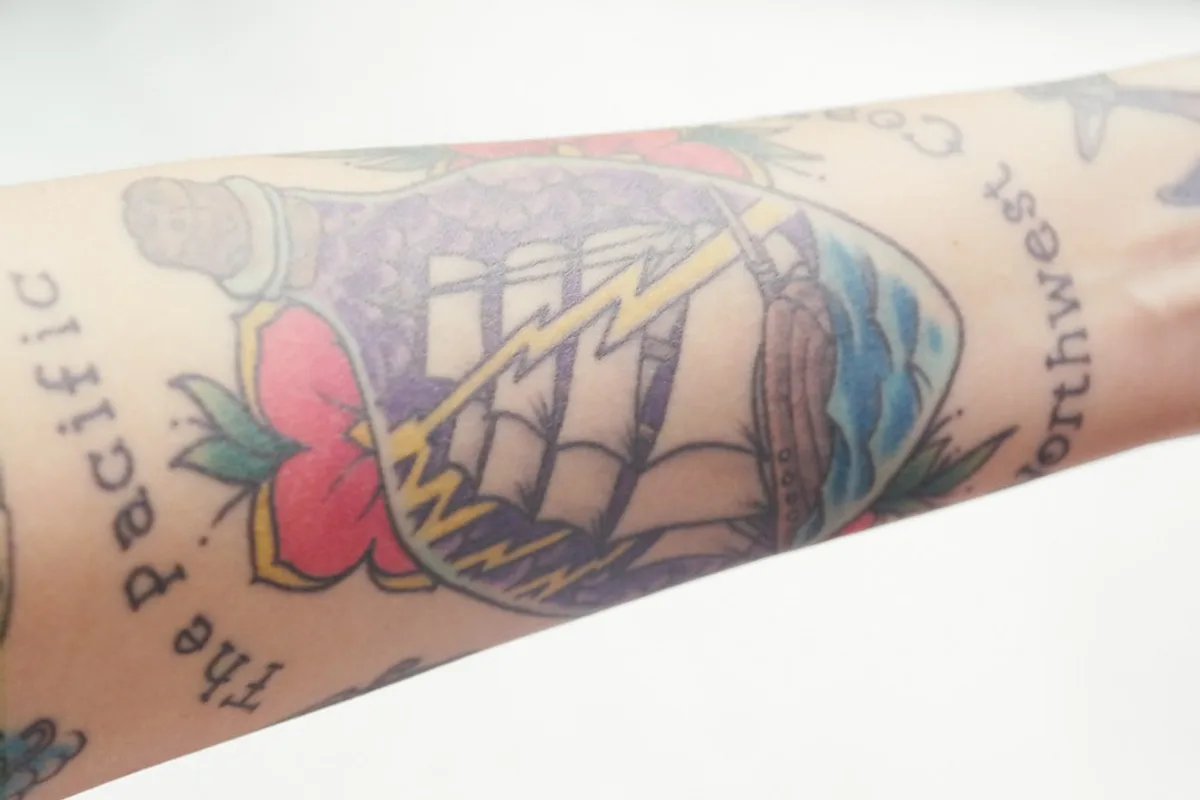
From bold colors to delicate lines, tattoo styles vary significantly in their artistic expression. Traditional tattoos, often referred to as “old school,” are known for their bold lines, limited color palette, and iconic imagery such as anchors, roses, and pin-up girls. These tattoos emphasize simplicity and clarity, ensuring designs remain vivid over time.
In contrast, neo-traditional tattoos build upon the foundations of traditional tattoo features but incorporate a wider color palette and more intricate designs. This style reflects modern artistic trends, blending bold outlines with detailed shading and a broader range of subjects, including animals and mythical creatures. The use of vibrant colors and complex patterns distinguishes neo-traditional tattoos from their predecessors.
Fine line tattoos focus on precision and subtlety, utilizing thin lines to create detailed and intricate designs. This style often features minimalistic and delicate imagery, such as small florals, geometric shapes, or script. Fine line tattoo details emphasize elegance and subtlety, making them a popular choice for those seeking understated body art.
Each style offers unique visual characteristics and techniques, catering to diverse artistic preferences. Next, we will delve deeper into the characteristics of each tattoo style.
Characteristics of Traditional Tattoos
Traditional tattoos, steeped in history, are more than just ink; they are a reflection of cultural heritage. The history of traditional tattoos is deeply rooted in sailor culture, drawing from maritime beliefs and superstitions. These tattoos often feature bold outlines and a limited color palette, typically using red, green, yellow, and black.
Classic tattoo designs include iconic symbols such as anchors, roses, and swallows. These designs not only represent artistic expression but also carry significant meanings tied to the seafaring life. Having understood traditional tattoos, let’s explore the modern evolution of neo-traditional tattoos.
Neo Traditional Tattoos: A Modern Twist on Classic Styles
Imagine a tattoo that honors tradition while embracing modern artistry—this is the essence of neo-traditional tattoos. Building on the foundation of traditional styles, these tattoos incorporate vibrant color gradients and detailed imagery, offering a fresh take on classic motifs. Popular themes include animals, flowers, and mythical creatures, each rendered with a touch of realism. Neo traditional tattoo features such as intricate lines and lifelike designs set them apart from other modern tattoo styles, making them a favorite for those seeking unique neo traditional tattoo designs.
Next, we will examine the precision and artistry behind fine line tattoos.
Fine Line Tattoos: Precision and Detail
Fine line tattoos offer a delicate approach to body art, emphasizing precision and subtlety over boldness. Characterized by their minimalist tattoo designs, these tattoos use ultra-thin needles to create intricate and detailed artwork. The fine line tattoo techniques require a higher level of skill and precision, often taking longer to complete than traditional tattoos due to their delicate nature.
Popular themes in fine line tattoos include elegant floral designs and intricate script, showcasing their unique aesthetic. With a clear understanding of these styles, we can now explore the cultural significance of tribal and Japanese tattoos.
Cultural Significance and Techniques of Tribal and Japanese Tattoos
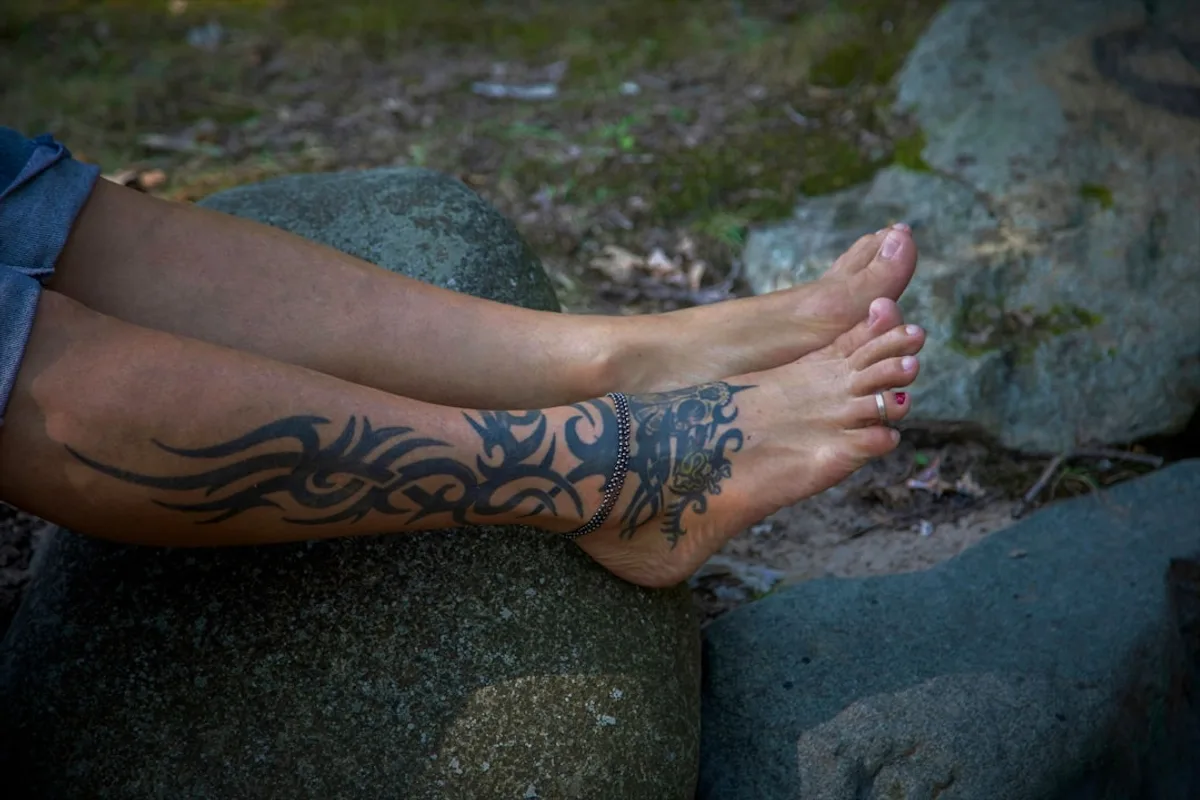
Tribal tattoos are not merely decorative; they are profound symbols of identity and heritage. Across various cultures, tribal tattoos hold deep cultural significance, often representing rites of passage, marking significant life events, and denoting social status within indigenous communities. The history of tribal tattoos is rich and varied, with each design carrying unique meanings.
For instance, Maori tattoos, known as ta moko, are intricate facial designs that convey ancestry and personal history. Similarly, Polynesian tattoos, such as those from Samoa, are known for their bold patterns and are traditionally used to signify rank and achievements. These designs are not just art; they are a language of their own, speaking volumes about the wearer’s lineage and accomplishments.
Tribal tattoo techniques are as diverse as their meanings. Many cultures employ traditional hand-tapping methods, which involve using a stick to tap ink into the skin. This technique is not only a testament to the skill of the tattoo artist but also a ritualistic process that connects the individual to their cultural roots.
Next, we will explore the intricate world of Japanese tattoos, rich in tradition and symbolism.
The Rich Heritage of Tribal Tattoos
The rich heritage of tribal tattoos is a tapestry woven with stories of identity, culture, and tradition. Historically, tribal tattoos have served as markers of social status, rites of passage, and spiritual beliefs. Each design holds unique meanings, often symbolizing family lineage and personal achievements. For instance, Polynesian tattoos are renowned for their intricate patterns that represent the wearer’s heritage and accomplishments.
In many cultures, tribal tattoos play a vital role in ceremonies and rituals, serving as a physical manifestation of one’s journey and milestones. Learn more about the history of tattoos. Now, let’s delve into the world of Japanese tattoos, known for their intricate designs and deep symbolism.
Japanese Tattoos: Tradition and Symbolism
Japanese tattoos are a masterful blend of artistry and storytelling, steeped in rich cultural traditions. Their historical significance is deeply connected to folklore, often depicting tales of heroism and morality. Common motifs like koi fish symbolize perseverance, while dragons represent strength and wisdom. These designs are not merely decorative; they convey profound narratives and moral lessons.
The traditional technique of tebori, or hand-poked method, highlights the meticulous craftsmanship involved. Japanese tattoos are a form of narrative art, each piece telling a unique story. Next, we will explore the unique techniques that define both tribal and Japanese tattoo styles.
Techniques That Define Tribal and Japanese Styles
The artistry behind tribal and Japanese tattoos is not just in the design, but also in the techniques that bring them to life. Tribal tattoo techniques often involve bold, black lines and patterns created using modern tattoo machines. In contrast, Japanese tattoo methods frequently utilize the traditional hand-poking technique, known as tebori, which imparts a unique texture and depth.
This method affects both the appearance and healing process, offering a different experience compared to machine tattoos. With a solid understanding of these cultural styles, we can now explore creative expressions found in watercolor, blackwork, and geometric tattoos.
Creative Expressions: Watercolor, Blackwork, and Geometric Tattoo Styles
In the world of tattoos, creativity knows no bounds, as seen in the vibrant hues of watercolor and the stark contrasts of blackwork. These styles offer a canvas for artistic expression that transcends conventional boundaries. Watercolor tattoos, for instance, are renowned for their ability to mimic the fluidity of paint on canvas, creating a unique aesthetic that challenges traditional tattoo norms. Artists use watercolor tattoo techniques such as color blending and gradient effects to produce a soft, ethereal look.
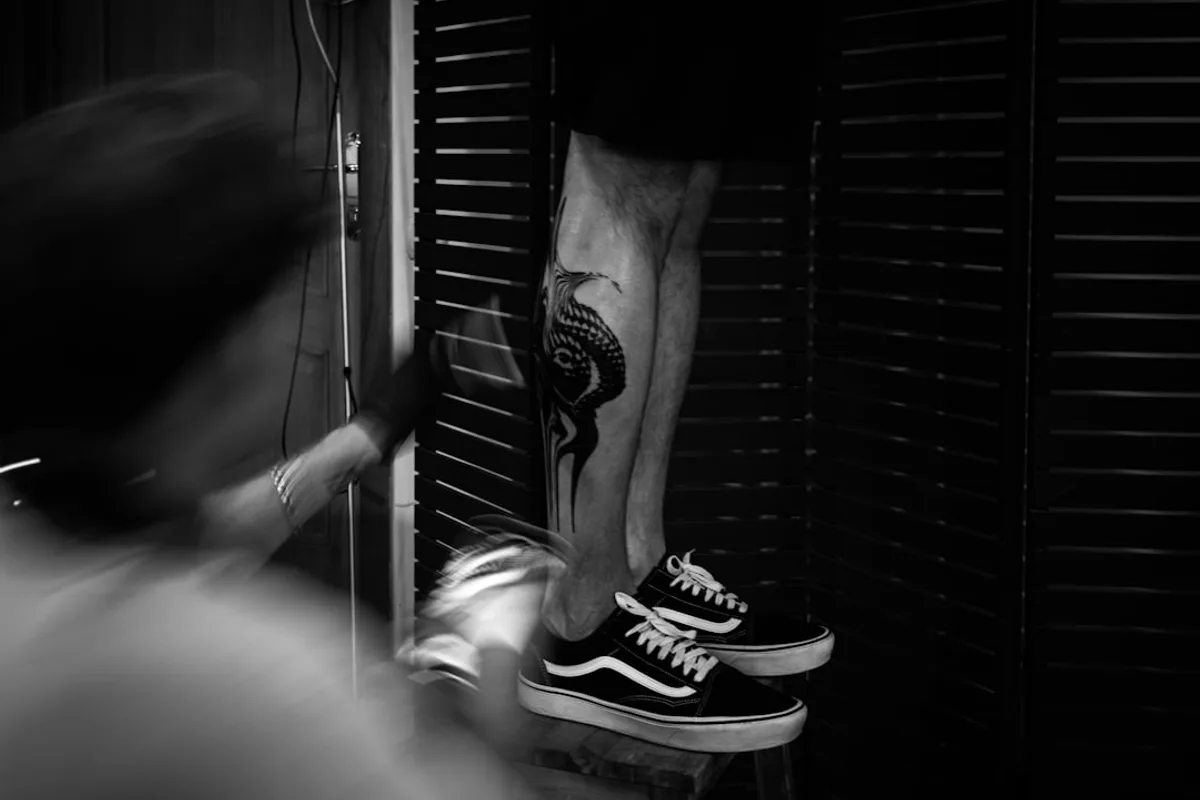
On the other hand, the blackwork tattoo style is characterized by bold, graphic designs that often utilize large areas of solid black ink. This style emphasizes stark contrasts and intricate patterns, offering a dramatic visual impact that is both striking and timeless. The simplicity of blackwork allows for a wide range of creative expressions, from abstract shapes to detailed illustrations.
Geometric tattoo designs incorporate precise lines and shapes, creating a harmonious balance between symmetry and creativity. These designs often draw inspiration from mathematical patterns and natural forms, resulting in tattoos that are both visually captivating and intellectually stimulating.
Next, we will take a closer look at the specifics of watercolor tattoos and what makes them so appealing.
Watercolor Tattoos: Art on Skin
Watercolor tattoos transform skin into a canvas, showcasing an art style that flows like paint on paper. These tattoos are characterized by their vibrant colors and fluid brushstroke techniques, mimicking the appearance of watercolor paintings. Artists often employ a variety of brushstroke techniques to achieve the soft, blended edges that define this style.
Popular watercolor tattoo designs include floral motifs, abstract splashes, and ethereal landscapes. However, due to their lack of bold outlines, watercolor tattoos can fade more quickly, making diligent aftercare essential for maintaining their vividness. Now, let’s examine the bold contrast and unique appeal of blackwork tattoos.
The Bold Contrast of Blackwork Tattoos
In a world of color, blackwork tattoos stand out with their bold and graphic designs that make a powerful statement. Defined by the use of solid black ink, these tattoos often feature themes such as tribal and abstract designs. The defining features of blackwork tattoos include their ability to create optical illusions and intricate patterns that play with the viewer’s perception.
Artists employ various techniques to achieve depth and texture, such as shading and line work, enhancing the tattoo’s visual impact. Next, we will explore the precision and symmetry that define geometric tattoos.
Geometric Tattoos: Precision and Symmetry
Geometric tattoos are a stunning fusion of art and mathematics, where every line and shape tells a story of precision. These tattoos focus on shapes and patterns, utilizing techniques that ensure symmetry and meticulous detail. Popular geometric tattoo designs include mandalas and sacred geometry, each requiring careful planning to achieve their intricate beauty. What makes geometric tattoos unique and appealing is their emphasis on order and symmetry, attracting those who appreciate structured art. With a comprehensive understanding of these creative styles, we can now compare tattoo styles based on pain levels and healing times.
Comparing Tattoo Styles: Pain Levels and Healing Times
When considering a tattoo, understanding the pain involved can be just as important as the design itself. Tattoo pain levels vary significantly across different styles, influenced by factors such as needle usage, shading techniques, and the intricacy of the design. Additionally, individual pain tolerance plays a crucial role, making it a subjective experience.
| Tattoo Style | Pain Level |
|---|---|
| Traditional & Old School | Moderate |
| Neo Traditional | Moderate to High |
| Watercolor | Low to Moderate |
| Realism | High |
The placement of a tattoo also significantly affects pain levels and healing times. Areas with more nerve endings, such as the ribs or feet, tend to be more painful compared to fleshier parts like the upper arm. Proper tattoo pain management techniques can help alleviate discomfort during and after the process.
Next, we will discuss the healing times associated with each tattoo style.
Pain Levels Across Different Tattoo Styles
Understanding how tattoo styles affect longevity can save you time and money in the long run. Different styles not only influence the aesthetic but also how long tattoos last. Certain styles, like watercolor tattoos, may require more frequent maintenance due to their tendency to fade faster compared to traditional styles.
| Tattoo Style | Longevity | Touch-Up Frequency |
|---|---|---|
| Traditional | High | Low |
| Watercolor | Medium | High |
| Neo Traditional | Moderate | Moderate |
Users often report that traditional tattoos maintain their vibrancy longer, while watercolor tattoos tend to fade more quickly. Next, we will explore the healing times associated with various tattoo styles.
Healing Times: What to Expect for Each Style
Understanding the healing process for your tattoo style can help you prepare for the journey ahead. Tattoo healing times vary significantly based on individual skin types and aftercare practices, making personalized care essential. Here’s a quick overview:
| Tattoo Style | Typical Healing Time |
|---|---|
| Traditional & Old School | 2-3 weeks |
| Neo Traditional | 2-4 weeks |
Factors such as placement and tattoo aftercare tips can influence how long tattoos take to heal. Experts recommend keeping the area clean and moisturized to speed up recovery. Finally, we will provide tips for managing pain and ensuring a smooth healing process.
Tips for Managing Pain and Healing
Navigating the tattoo experience can be daunting, but managing pain and ensuring proper healing can make all the difference. Here are some essential tattoo pain management tips and aftercare for tattoos to consider:
| Tip | Description |
|---|---|
| Stay Hydrated | Drinking water before and after your session can help reduce pain and speed up healing. |
| Use Recommended Products | Many tattoo artists recommend specific aftercare products that can significantly reduce healing times and improve outcomes. |
| Pain Relief Options | Consider natural options like ice packs or medical options such as over-the-counter pain relievers. |
With all this information, let’s address some frequently asked questions about tattoo styles.
FAQs About Tattoo Styles and Health Considerations
Curious about tattoos? Here are the most frequently asked questions that can guide your tattoo journey.
- What are the most popular tattoo styles? Explore traditional and neo-traditional styles for a classic look.
- Do different styles affect pain levels? Yes, intricate designs may increase discomfort.
- What about long-term care? Many first-timers are unaware of the ongoing care required, which can impact satisfaction.
Next, we will summarize key takeaways about tattoo styles and their evolution.
What Are the Most Popular Tattoo Styles?
As tattoo culture evolves, certain styles rise to prominence—let’s explore what’s trending now. Among the popular tattoo styles 2023, minimalist tattoos have gained significant traction, reflecting broader cultural movements towards simplicity. These designs are favored by younger demographics, particularly those aged 18-25, who appreciate their subtlety and elegance.
Another trending tattoo design is the Neo Traditional style, known for its bold lines and vibrant colors, appealing to those in the 25-35 age bracket. Iconic examples include intricate animal portraits and floral motifs. Meanwhile, the Traditional & Old School style remains a classic choice, with its roots in sailor tattoos and featuring iconic designs like anchors and swallows.
- Minimalist Tattoos: Simple lines, small symbols.
- Neo Traditional: Bold, colorful, detailed imagery.
- Traditional & Old School: Classic motifs, heavy outlines.
According to a recent survey by Tattoo.com, these styles are among the top choices across various demographics. Now, let’s discuss how to choose the right tattoo style for your personal expression.
How Do I Choose the Right Tattoo Style for Me?
Selecting the perfect tattoo style can be a daunting task—here’s how to make the process smoother and more meaningful. Start by reflecting on your personal values and how they relate to visual art forms. This introspection can guide your personal tattoo selection, ensuring it aligns with your identity and aesthetics.
Research is crucial when choosing a tattoo style. Look for artists who specialize in the styles you are drawn to, whether it’s Traditional, Neo Traditional, or any other form. Their portfolios will give you insight into their expertise and help you make an informed decision.
Effective communication with your tattoo artist is key. Clearly convey your ideas, inspirations, and any specific elements you want included. Bringing reference images can also help in articulating your vision. This collaboration ensures that the final design is a true reflection of your personal expression.
Next, we’ll address whether certain tattoo styles are more painful than others.
Are Certain Tattoo Styles More Painful?
Are you worried about the pain of getting a tattoo? Let’s break down the facts about pain levels across different styles. Tattoo pain levels can vary significantly depending on several factors. While some individuals report that traditional and old school tattoo styles, with their bold lines and dense shading, can be more painful, others find the intricate details of neo traditional styles equally uncomfortable.
Pain perception varies widely among individuals, influenced by factors such as tattoo placement, personal pain tolerance, and artist technique. For instance, tattoos on areas with less flesh, like the ribs or ankles, tend to be more painful regardless of style. Anecdotal evidence from tattoo enthusiasts suggests that while some styles might seem more painful, the artist’s skill in managing the needle can greatly affect the experience.
Experts recommend discussing pain management strategies with your tattoo artist, such as taking breaks or using numbing creams, to alleviate discomfort during the process. Next, we will discuss essential health considerations to keep in mind when getting a tattoo.
What Health Considerations Should I Keep in Mind?
Before you get inked, understanding the health implications is crucial for a safe and satisfying experience. Tattoo health risks include potential allergic reactions to ink and exacerbation of existing skin conditions. Consulting with a dermatologist is advisable, especially if you have sensitive skin or conditions like eczema or psoriasis, as these can complicate the healing process.
Choosing a reputable tattoo artist is vital for ensuring safety and hygiene. Look for studios that maintain high cleanliness standards and use sterilized equipment. This minimizes the risk of infections and other complications.
Proper aftercare for tattoos is essential to prevent infections. Keep the tattooed area clean and moisturized, and follow your artist’s specific instructions. Avoid exposing the tattoo to direct sunlight and refrain from swimming until it is fully healed.
Finally, we will explore how different styles affect tattoo longevity.
How Do Different Styles Affect Tattoo Longevity?
Wondering how long your tattoo will last? The style you choose can have a significant impact on its longevity and appearance over time. Traditional and Old School tattoos, known for their bold lines and limited color palettes, often age gracefully due to their simplicity and use of high-quality inks. In contrast, more intricate styles like Neo Traditional, with their detailed shading and vibrant colors, may require more frequent touch-ups to maintain their vibrancy.
The choice of ink and technique can significantly influence how well a tattoo retains its vibrancy over the years. For instance, black ink tends to fade less than colored inks, making it a popular choice for those concerned about tattoo fading styles. Regular moisturizing and sun protection are crucial in how to maintain tattoos effectively.
- Testimonial: “My Traditional tattoo has held up beautifully over the years with minimal fading,” shares Alex.
- Testimonial: “I love my Neo Traditional piece, but it does need more upkeep,” notes Jamie.
With all this information, let’s summarize the key takeaways about tattoo styles and their evolution.
Key Takeaways About Tattoo Styles and Their Evolution
As we conclude our exploration of tattoo styles, let’s reflect on the key takeaways that can guide your tattoo journey. Throughout this article, we’ve delved into a variety of tattoo styles, from the bold lines and vibrant colors of Traditional and Old School tattoos to the intricate details of Neo Traditional designs. Each style offers unique characteristics that cater to different aesthetic preferences and personal stories.
One of the most significant insights is the role of tattoos as a form of personal expression and cultural significance. Tattoos are not just art on the skin; they are a reflection of individual identity and a connection to cultural heritage. This makes choosing a tattoo style a deeply personal decision, influenced by both personal taste and the broader societal trends that shape the evolution of tattoo styles.
The evolution of tattoo styles mirrors changes in society, serving as a living history of culture and personal expression. As new styles emerge and old ones are reimagined, tattoos continue to be a dynamic form of art that adapts to the times. This evolution encourages individuals to explore their options and find a style that resonates with their personal journey.
To ensure your tattoo is truly one-of-a-kind, it is crucial to consult with skilled tattoo artists who can translate your vision into a personalized design. Book your consultation today to start designing your one-of-a-kind tattoo! By working closely with an artist, you can create a piece that not only reflects your personal style but also honors the rich tapestry of tattoo history.
Leave a Reply