
What Makes Traditional Tattoo Styles Essential
Have you ever wondered why traditional tattoo styles hold such a revered place in body art? Their significance lies in their ability to connect generations, often embodying stories passed down through family or cultural heritage. These tattoos are more than just ink on skin; they are a testament to history and identity.
Traditional tattoos carry deep emotional and cultural significance, serving as symbols of personal and collective identity. Many people feel a strong connection to these styles, as they often reflect cultural heritage and personal narratives. This connection has fueled a resurgence of interest among younger generations, who seek to honor their roots while expressing individuality.
To fully appreciate traditional tattoo styles, it’s essential to explore their rich history and evolution.
The Evolution and History of Traditional Tattoo Styles
The journey of traditional tattoo styles is as intricate as the designs themselves, woven into the fabric of human history. From ancient civilizations, where tattoos symbolized status and spirituality, to the 18th-century sailors who popularized them in the West, the evolution of tattoo styles reflects societal shifts. Indigenous cultures have long used tattoos for rites of passage and identity. The modern resurgence of traditional tattoo styles can be traced back to the 1990s, when tattoo conventions began celebrating classic designs and techniques. Delving into the origins of these styles reveals the profound cultural significance they hold.
Origins in Ancient Cultures
From the shores of Polynesia to the deserts of Egypt, ancient cultures have long used tattoos as powerful symbols of identity. In Polynesian society, tattoos marked rites of passage and significant achievements. Similarly, Egyptian tattoos often held spiritual significance, while Native American tribes used them for social status and protection.
Ancient tattooing practices were deeply embedded in the cultural origins of tattoos, with designs like Polynesian tribal patterns and Egyptian symbols representing gods or protection. These tattoos in ancient civilizations served as more than decoration; they were integral to social and spiritual life.
The influence of iconic figures like Sailor Jerry shaped the American traditional tattoo style we know today.
Influence of Sailor Jerry and American Traditional
Sailor Jerry didn’t just tattoo; he revolutionized the art form, embedding stories into every inked line. Known for his bold lines and iconic imagery, Sailor Jerry’s tattoos were a form of storytelling, often reflecting sailors’ experiences and adventures at sea. His work popularized the American traditional tattoo style, characterized by vibrant colors and nautical themes.
The impact of military culture on tattoos is undeniable, with many servicemen opting for these designs to commemorate their journeys. As traditional tattoos gained popularity, a revival movement emerged, celebrating these classic designs.
Revival and Modern Appreciation
In an age of digital expression, traditional tattoos have made a striking comeback, captivating a new generation of enthusiasts. The revival of traditional tattoos in the 21st century is largely attributed to modern tattoo artists who specialize in these classic techniques. Artists like Chris Garver and Sailor Jerry have gained popularity through platforms like Instagram, showcasing their work to a global audience eager for timeless designs.
Social media has played a crucial role in this resurgence, allowing artists to connect with tattoo trends and enthusiasts worldwide. Understanding the key characteristics and motifs of traditional tattoos is essential for appreciating their artistry.
Key Characteristics and Motifs of Traditional Tattoos

What makes traditional tattoos stand out in a sea of diverse tattoo styles? It’s all in the details. The characteristics of traditional tattoos are defined by their bold outlines and limited color palettes, typically using red, green, yellow, and black. These bold line tattoo styles ensure that the designs remain crisp and visible, even as they age. The traditional tattoo aesthetics are exemplified in classic motifs such as anchors, swallows, and roses. The use of bold lines and a limited color palette not only enhances the visual impact but also ensures that traditional tattoos age gracefully over time.
Next, we will explore the common symbols found in traditional tattoos and their deeper meanings.
Bold Lines and Limited Color Palette
Have you ever noticed how traditional tattoos maintain their striking appearance? The secret lies in their bold lines and vibrant colors. These bold lines in tattoos not only enhance aesthetic appeal but also ensure visibility and clarity over time, making them less prone to fading.
Traditional tattoos often feature a limited color palette, primarily using red, yellow, and blue. This choice of primary colors creates a vivid contrast, allowing the designs to stand out. Examples of traditional tattoo design elements include anchors, swallows, and roses, all showcasing these characteristics.
Understanding the common symbols in traditional tattoos reveals the rich narratives they convey.
Common Symbols and Their Meanings
Every tattoo tells a story, but what do the symbols really mean? Let’s decode the language of traditional tattoos. Common symbols include eagles, roses, and anchors. Eagles often symbolize freedom and strength, while roses can represent love and beauty. Anchors are seen as symbols of stability and hope across various cultures.
Many traditional tattoo symbols, like the swallow, represent specific life milestones, such as safe travel or returning home, reflecting personal journeys. Different cultures interpret these motifs uniquely, adding layers of meaning. The cultural significance of traditional tattoos extends beyond aesthetics; they often carry deep personal and communal narratives.
Cultural Significance and Storytelling
Beyond mere aesthetics, traditional tattoos are powerful storytellers, weaving narratives that span generations. In many cultures, these tattoos are not just personal expressions but also serve as communal markers, reflecting shared histories and values. They often signify personal milestones or deeply held beliefs, encapsulating individual and collective identities.
Community practices, such as tattooing rites of passage, further emphasize the cultural significance of traditional tattoos. These rituals celebrate transitions and achievements, embedding personal narratives within the broader tapestry of cultural storytelling. To fully grasp the essence of traditional tattoos, we must understand the foundational rule of 3 that governs their design.
The Traditional Tattoo Rule of 3: A Detailed Explanation
Ever wondered why some tattoos just seem to click visually? The secret often lies in the traditional tattoo rule of 3. This design principle emphasizes the use of three distinct elements within a tattoo, creating a harmonious balance that is both aesthetically pleasing and meaningful.
The rule of 3 is crucial in tattoo design as it enhances visual balance and storytelling. By incorporating three elements, each part of the tattoo serves a purpose, contributing to the overall narrative. This approach not only creates visual harmony but also reflects a deeper philosophical approach to tattoo design.
Consider the classic anchor tattoo, which often includes a rope and a rose. Here, the anchor symbolizes stability, the rope represents connection, and the rose adds a touch of beauty and love. Together, these elements tell a cohesive story while maintaining design balance.
Another example is the traditional eagle tattoo, frequently paired with a snake and a sun. The eagle signifies freedom, the snake represents rebirth, and the sun symbolizes life, creating a powerful narrative through their combination.
With a solid understanding of traditional tattoos, we can now compare them to modern styles to see how they differ.
Traditional Tattoos vs. Modern Styles: A Comparative Analysis

In a world of ever-evolving tattoo trends, how do traditional tattoos stand apart from their modern counterparts? The answer lies in their distinct aesthetics and techniques. Traditional tattoos are known for their bold, graphic designs, prioritizing clarity and longevity, whereas modern styles often embrace realism and intricate details.
| Aspect | Traditional Tattoos | Modern Tattoos |
|---|---|---|
| Aesthetic | Bold, graphic | Realistic, intricate |
| Techniques | Simple lines, limited colors | Realism, watercolor |
Understanding the cultural impact of these styles can help you appreciate the broader context of tattooing.
Aesthetic Differences and Techniques
When it comes to tattoo aesthetics, traditional and modern styles tell very different stories—let’s explore how.
| Aspect | Traditional Tattoos | Modern Tattoos |
|---|---|---|
| Line Work | Bold and simple lines | Intricate and varied lines |
| Color Usage | Limited, strong colors | Wide color palette |
| Overall Design | ‘Less is more’ philosophy | Complex and detailed |
Traditional tattoos often employ a ‘less is more’ philosophy, leading to designs that are timeless and easily recognizable, unlike many modern styles that can become visually cluttered. The cultural impact of traditional versus modern styles reveals how each resonates with different audiences.
Popularity and Cultural Impact
As tattoo trends ebb and flow, how do traditional tattoos maintain their enduring allure in a changing landscape? While modern tattoo styles may rise and fall with trends, traditional tattoos maintain a consistent appeal due to their deep-rooted cultural significance and timeless designs.
| Aspect | Traditional Tattoos | Modern Tattoos |
|---|---|---|
| Popularity | Steady across demographics | Varies with trends |
| Cultural Impact | Embraced by neo-traditional movements | Reflects current fashion trends |
Choosing the right tattoo style is crucial, and understanding these differences can guide your decision.
Choosing the Right Style for You
With so many styles to choose from, how do you know which tattoo is right for you? Let’s break it down. The choice between traditional and modern tattoos often reflects not just personal taste but also the individual’s connection to the stories and meanings behind each style.
| Factor | Traditional Style | Modern Style |
|---|---|---|
| Meaning | Rich historical symbolism | Personal interpretation |
| Aesthetics | Bold lines, limited colors | Varied colors, intricate designs |
| Personal Story | Connection to cultural heritage | Reflects contemporary experiences |
Consider your motivations and personal preferences in tattoos when making a traditional vs modern tattoo decision. As we consider health aspects, it’s vital to address safety practices in traditional tattooing.
Health Considerations and Personal Stories in Traditional Tattooing
Before you ink your skin, have you considered the health implications of getting a traditional tattoo? Understanding the health considerations for tattoos is crucial, especially if you have pre-existing conditions. Here’s what you need to know:
- Consult with a healthcare provider: Certain health conditions, such as liver cirrhosis, can significantly impact the healing process. Always consult your doctor before proceeding.
- Choose a reputable artist and studio: Safety in tattooing begins with selecting an experienced artist and a clean, professional studio to minimize health risks.
- Understand common misconceptions: Not all tattooing practices are unsafe, but it’s vital to be informed about potential risks and proper aftercare.
Safety practices in traditional tattooing are essential for ensuring a positive experience.
Safety Practices in Traditional Tattooing
In the world of body art, safety should never be an afterthought—what practices ensure a safe tattoo experience?
- Sterilization in tattooing: Ensure all equipment is sterilized, with needles and tubes being single-use.
- Equipment cleanliness: Look for artists who maintain a clean workspace, using disposable gloves and barriers.
- Artist training: Verify that the artist is trained in health standards for tattoos, including bloodborne pathogens.
- Health protocols: Many studios now implement strict health protocols that exceed industry standards.
Personal experiences and testimonials can further illuminate the journey of getting a traditional tattoo.
Personal Experiences and Artist Testimonials
What does it feel like to transform your body with a traditional tattoo? Let’s hear from those who have taken the plunge.
- Many clients report that the process of getting a traditional tattoo can be a transformative experience, often leading to a deeper connection with their personal stories and identities.
- Tattoo client testimonials often highlight the emotional impact, with many expressing a sense of empowerment and personal growth.
- Personal experiences with tattoos emphasize the importance of artist-client collaboration, ensuring the design resonates deeply with the individual’s journey.
Aftercare is crucial for ensuring the longevity and health of your new traditional tattoo.
Aftercare Tips for Traditional Tattoos
You’ve just gotten your traditional tattoo—now what? Proper aftercare is key to preserving your body art. Here are some essential tattoo aftercare tips to ensure your traditional tattoo heals beautifully:
- Gently wash the tattoo with lukewarm water and mild soap, avoiding harsh scrubbing.
- Apply a thin layer of artist-recommended ointment to keep the skin moisturized.
- Avoid direct sunlight and swimming to prevent fading and infection.
- Refrain from picking or scratching the tattoo as it heals.
- Follow your artist’s specific aftercare routine for optimal results.
Proper aftercare can significantly affect the longevity and vibrancy of traditional tattoos, with many artists recommending specific products and routines tailored to their techniques. With all this information, let’s address some frequently asked questions about traditional tattoo styles.
FAQs About Traditional Tattoo Styles
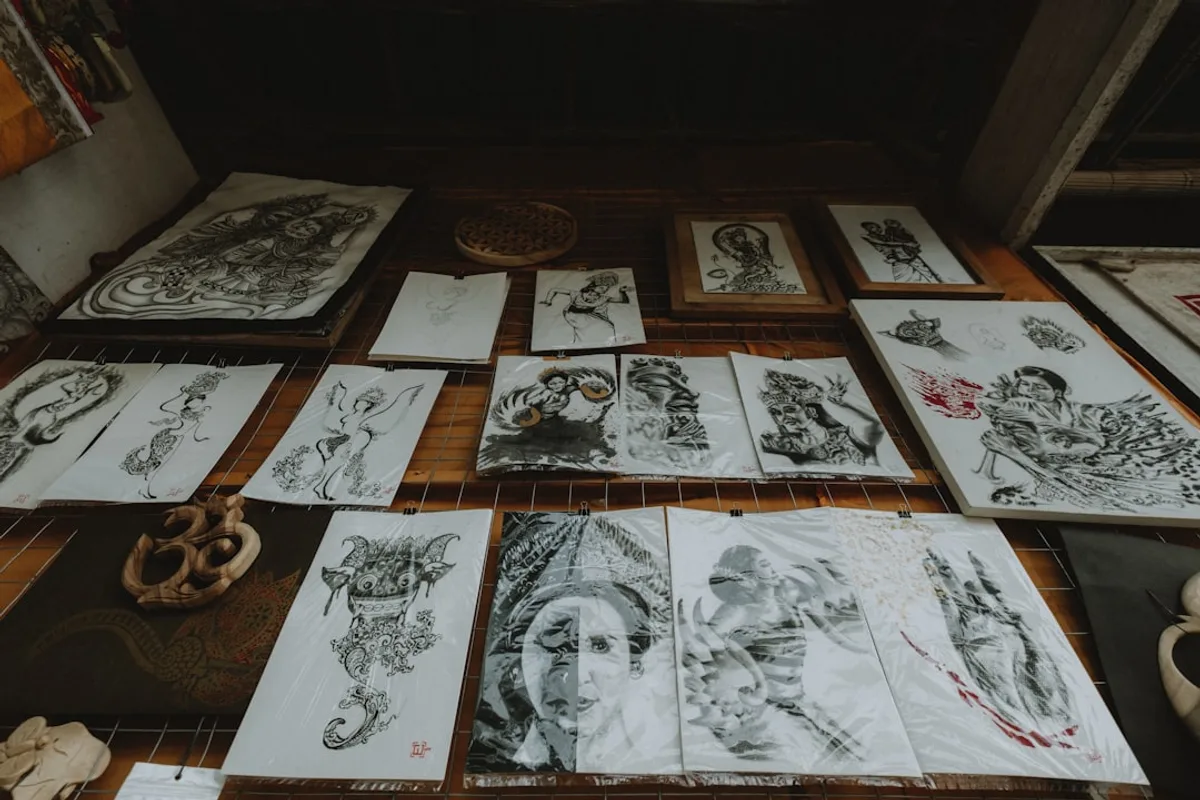
Curious about traditional tattoos? Here are some frequently asked questions that many enthusiasts have:
-
Can traditional tattoos be adapted to modern aesthetics?
Yes, many people are unaware that traditional tattoos can be adapted to suit modern aesthetics while still honoring their historical roots, allowing for a unique blend of styles.
-
Are traditional tattoos safe?
When done by a professional tattoo artist following proper hygiene practices, traditional tattoos are safe. Always ensure your artist uses sterilized equipment.
-
What are common motifs in traditional tattoos?
Common motifs include anchors, roses, and swallows, each carrying its own symbolic meaning.
For those considering traditional tattoos, understanding key takeaways can help solidify your decision. For more information, visit the Tattoo Style Guide.
What are the most common motifs in traditional tattoos?
What do the images in traditional tattoos really signify? Let’s explore the most common motifs and their meanings. Skulls often represent mortality and the cycle of life, while roses symbolize beauty and love. Nautical themes, like anchors and ships, reflect adventure and resilience. The heart and dagger, a popular traditional tattoo symbol, embody the duality of love and pain. Understanding these motifs enhances appreciation for the meanings of tattoo designs.
Understanding how traditional tattoos differ from other styles can help clarify your preferences.
How do traditional tattoos differ from other styles?
What sets traditional tattoos apart from the myriad of styles available today? Let’s break down the key differences. Unlike many modern styles that focus on intricate detail, traditional tattoos emphasize boldness and clarity, making them instantly recognizable. The traditional vs modern tattoo differences are evident in technique and design philosophy. Traditional tattoos often hold deep cultural significance, contrasting with the aesthetic focus of realism or abstract art. Pain levels can vary, and understanding this aspect is crucial for potential clients.
Are traditional tattoos more painful?
Is the pain of getting a traditional tattoo worth it? Let’s explore what you can expect in terms of discomfort. Traditional tattoos may involve more pain due to their bold lines and dense shading, but pain perception is highly subjective. Many clients find the excitement of getting a tattoo overshadows any discomfort. Artists suggest focusing on breathing techniques and staying hydrated to manage tattoo pain effectively. Considering the factors before getting a traditional tattoo can help ensure a positive experience.
What should I consider before getting a traditional tattoo?
Before you commit to ink, what should you really consider to ensure your traditional tattoo is a perfect fit? Start by contemplating the design and placement, ensuring they align with your personal significance and motivations. Reflect on your desired outcomes, as taking the time to reflect on personal stories and meanings can lead to a more fulfilling tattoo experience. Choosing a tattoo artist who understands your vision is crucial. Exploring the possibility of combining traditional tattoos with modern styles can lead to unique and personalized designs.
Can traditional tattoos be combined with modern styles?
What happens when tradition meets innovation in the world of tattoos? Let’s explore the exciting possibilities of blending styles. Combining traditional tattoos with modern styles is not only feasible but also a creative endeavor. Many artists are now embracing hybrid tattoo styles, allowing clients to express their individuality while respecting traditional tattoo roots.
Successful examples include a classic anchor adorned with watercolor splashes or a traditional rose with geometric patterns. These creative tattoo design options offer endless personalization opportunities.
Key Takeaways About Traditional Tattoo Styles
As we conclude our exploration of traditional tattoo styles, what key insights can you take away to inform your tattoo journey? Traditional tattoos, with their rich history and distinctive characteristics, offer a profound way to express personal stories and identities. Understanding the origins and common motifs, such as anchors and swallows, empowers individuals to make informed choices that resonate deeply.
These styles are not just about aesthetics; they embody cultural significance and personal meaning. By appreciating the history and symbolism behind each design, you can select a tattoo that truly reflects who you are. Traditional tattoos serve as a meaningful form of self-expression, connecting past and present.
Embrace the timeless appeal of traditional tattoos. Book your consultation today to start designing your one-of-a-kind tattoo!
Leave a Reply