Tribal Tattoos: Key Facts and Impact
What makes tribal tattoos a powerful form of self-expression across cultures? Tribal tattoos are intricate designs that originate from ancient traditions, representing cultural identity, social status, and spiritual beliefs. They have evolved from being purely cultural symbols to becoming a global fashion statement, often losing their original meanings in the process.
The history of tribal tattoos spans various cultures, including the Maori of New Zealand, the Polynesians, and the Native Americans. Each culture imbued these designs with unique meanings, such as protection, strength, and lineage. In modern times, tribal tattoos have seen a resurgence in popularity. According to recent statistics, they are among the top five most requested tattoo styles worldwide.
The impact of tribal tattoos extends beyond aesthetics. For many, these tattoos are deeply personal, symbolizing a connection to heritage or a rite of passage. However, as they become more mainstream, the cultural significance of tribal tattoos can sometimes be overshadowed by their appeal as a fashion trend.
Next, we will explore the diverse styles of tribal tattoos found in different cultures.
Comparing Tribal Tattoo Styles Across Cultures
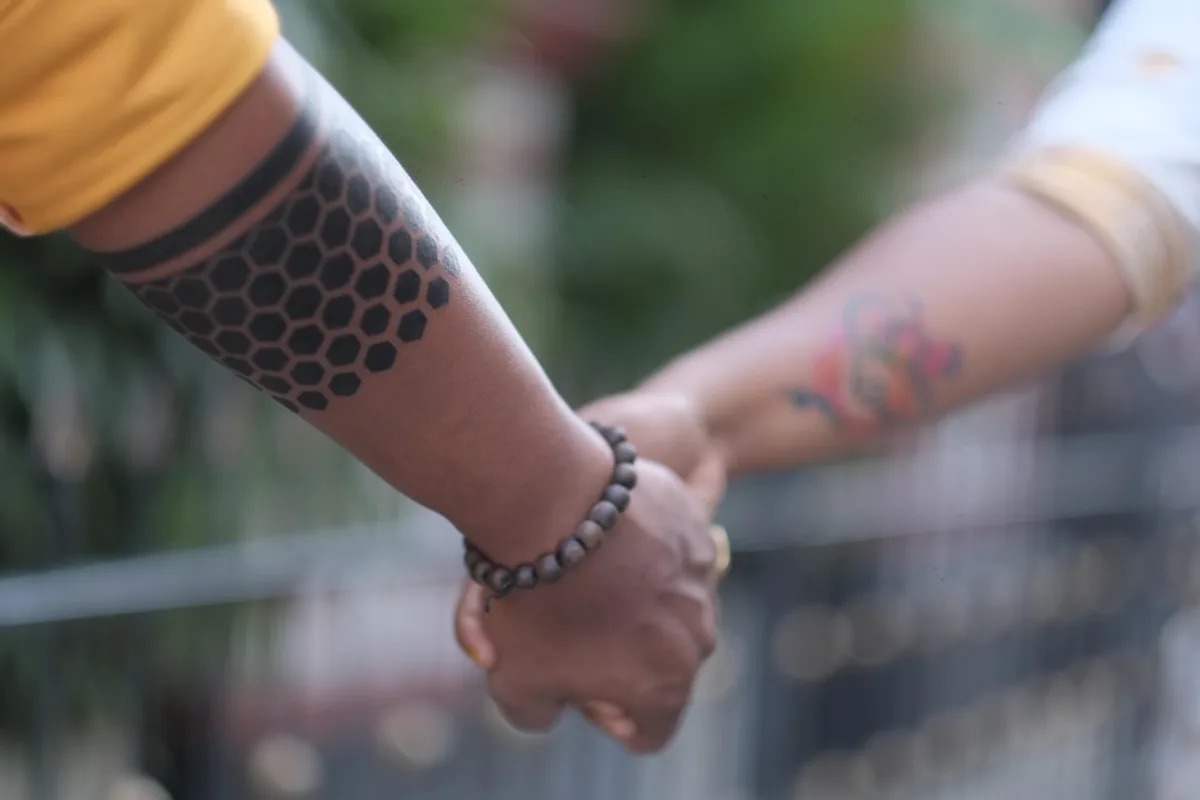
Did you know that tribal tattoos can tell unique stories depending on their cultural origins? Each culture brings its own visual and thematic elements to these designs, creating a rich tapestry of artistic expression.
| Culture | Design Elements | Cultural Context |
|---|---|---|
| Polynesian | Marquesan motifs, geometric patterns | Often signify social status and rites of passage |
| African | Maasai patterns, bold lines | Used in ceremonies and to denote tribal affiliation |
| Native American | Animal symbols, nature-inspired designs | Reflect spiritual beliefs and personal achievements |
Many tribal tattoos are not just art but also serve as rites of passage, marking significant life events in the wearer’s culture. Let’s dive deeper into the distinctive features of Polynesian tribal tattoos.
Distinctive Features of Polynesian Tribal Tattoos
What secrets do the intricate lines of Polynesian tattoos hold? These tattoos are renowned for their complex patterns and profound meanings. Each Polynesian tribe, like the Samoans with their pe’a, has unique tattoo traditions. Tattooing serves as a rite of passage and identity marker, often featuring nature elements like waves and animals, symbolizing a deep connection to the environment.
| Tribe | Unique Features | Symbolism |
|---|---|---|
| Samoan | Pe’a patterns | Rite of passage |
| Maori | Spiral motifs | Identity and ancestry |
| Hawaiian | Geometric shapes | Nature and spirituality |
Next, we will explore the rich history and evolution of African tribal tattoos.
African Tribal Tattoos: History and Evolution
How have African tribal tattoos evolved from ancient traditions to modern expressions? Historically, African tribal tattoos have been integral to ceremonies and social status, often serving as visual storytelling. For example, the Kukuo tribe uses tattoos to signify personal achievements, while Berber tattoos represent lineage.
| Tribe | Tattoo Significance |
|---|---|
| Kukuo | Achievements |
| Berber | Lineage |
In contemporary society, African tribal tattoos are experiencing a resurgence, blending traditional meanings with modern aesthetics. Now, let’s uncover the symbols and significance behind Native American tribal tattoos.
Native American Tribal Tattoos: Symbols and Significance
What deeper meanings lie behind the symbols of Native American tribal tattoos? These tattoos often feature powerful symbols like the eagle, representing freedom and strength, or the bear, symbolizing courage and protection. Many Native American tattoos are deeply spiritual, believed to connect the wearer with their ancestors and the natural world.
| Symbol | Meaning |
|---|---|
| Eagle | Freedom and strength |
| Bear | Courage and protection |
The spiritual significance of Native American tattoos is profound, playing a crucial role in identity and spirituality. Contemporary Native American tattoo artists are preserving these traditional styles, ensuring their cultural legacy endures. Next, we will delve into the symbolism and meanings behind popular tribal tattoo designs.
Symbolism and Meanings Behind Popular Tribal Tattoo Designs
What stories do popular tribal tattoo designs tell about their wearers? The meanings of tribal tattoos often delve deep into cultural and personal significance. For instance, the spiral design, prevalent in Maori tattoos, symbolizes growth and transformation. Meanwhile, the sun motif, common in Polynesian tattoos, represents life, energy, and rebirth.
These designs can vary widely in significance across different cultures. A spiral may denote a spiritual journey for one person, while for another, it symbolizes a personal milestone. Many tribal tattoo designs are not just aesthetic choices; they often represent personal beliefs unique to the wearer.
Consider the story of John, who chose a sun tattoo to commemorate his recovery from illness, symbolizing his renewed vitality. For more insights into the cultural significance of tribal tattoos, you can visit Tattoodo.
We will now explore the cultural narratives embedded in tribal tattoo art.
Common Symbols in Tribal Tattoos and Their Meanings
What hidden meanings are woven into the fabric of tribal tattoo symbols? Common tribal tattoo symbols like the wolf often represent loyalty, while the tree signifies life. However, tribal tattoo symbols meanings can vary widely across cultures. For instance, a wolf might symbolize protection in one culture and cunning in another. Individuals often personalize these symbols, adding unique elements to reflect personal stories.
Next, we will examine the cultural narratives that are often embedded in tribal tattoo art.
Cultural Narratives Embedded in Tribal Tattoo Art
What stories are etched in the ink of tribal tattoos, waiting to be told? These tattoos often reflect cultural narratives and historical events, such as wars or migrations. For instance, a Maori tattoo might depict ancestral journeys, linking personal stories to broader cultural themes. Through storytelling, tribal tattoos serve as a visual history, preserving both individual and collective memories. Now, let’s explore how tribal tattoos can convey personal identity.
How Tribal Tattoos Convey Personal Identity
How do tribal tattoos transform personal stories into powerful symbols of identity? Many individuals use tribal tattoos to express their identity, beliefs, and life experiences. For some, these tattoos serve as a form of armor, providing psychological strength and a sense of belonging to a larger narrative. Consider the case of a survivor who chose a tribal tattoo to symbolize overcoming adversity, turning self-expression through tattoos into a profound personal statement.
Wearing tribal tattoos can have a significant psychological impact, acting as self-affirmation and reinforcing one’s personal identity. These tattoos often encapsulate personal journeys, making them more than mere art. Next, we will address the important topic of cultural appropriation in tribal tattoo art.
Navigating Cultural Appropriation in Tribal Tattoo Art
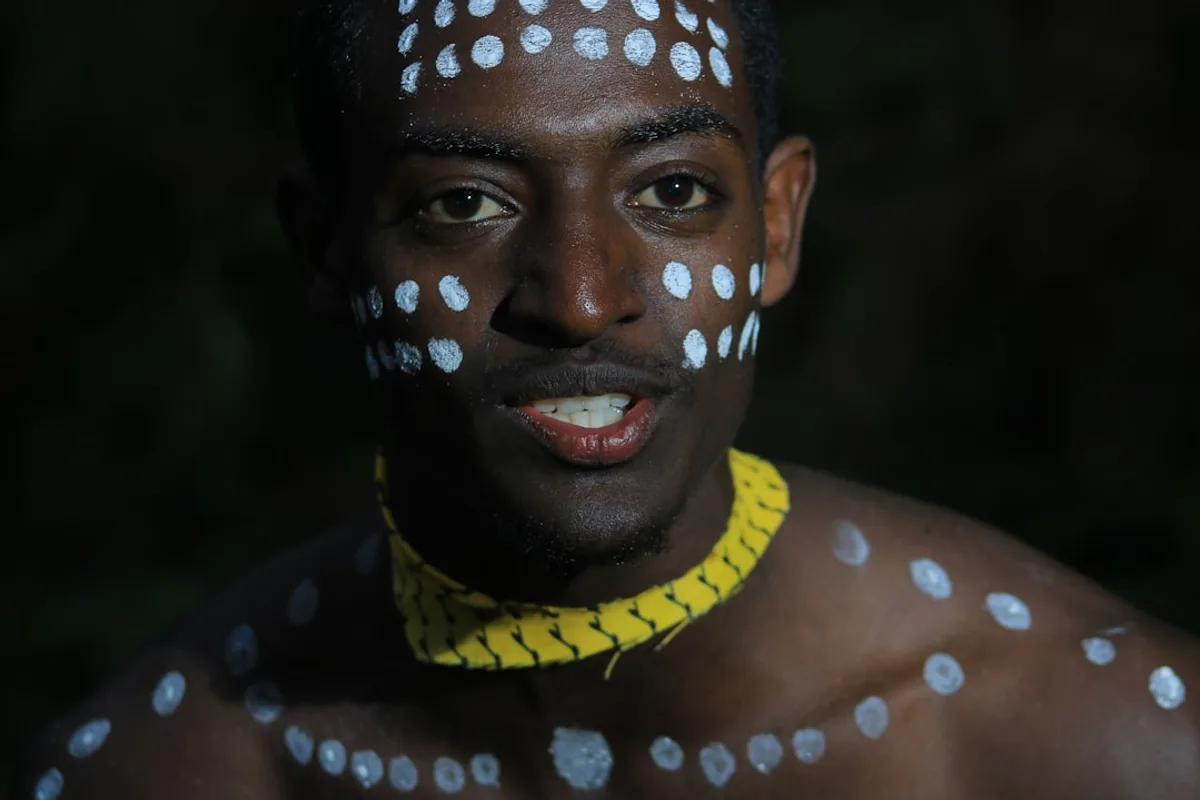
What happens when cultural symbols become mere fashion statements? Cultural appropriation in tribal tattoos occurs when sacred designs are used without understanding their significance, often leading to the commodification of these symbols. This strips them of their original meanings and significance, reducing them to mere aesthetic choices.
For instance, Polynesian tattoos have been adopted by individuals outside the culture, sparking backlash for ignoring their deep-rooted spiritual and social meanings. Similarly, Native American designs have faced similar issues, where their sacred symbols are used inappropriately.
To practice ethical tattoo practices, it’s crucial to respect the cultural origins of tribal tattoos. Understanding the history and significance of these designs ensures that they are honored rather than exploited. Let’s delve deeper into understanding cultural sensitivity in tattoo art.
Understanding Cultural Sensitivity in Tattoo Art
How can understanding cultural sensitivity transform your tattoo experience? By embracing cultural sensitivity in tattoos, individuals and artists can foster respect and understanding. Responsible tattoo practices involve researching the cultural significance and meanings of tribal tattoos before inking them. Clients should seek educational resources to avoid cultural appropriation, ensuring a respectful connection with the art. Next, we will look at examples of cultural appropriation in tribal tattoos.
Examples of Cultural Appropriation in Tribal Tattoos
What lessons can we learn from the controversies surrounding cultural appropriation in tribal tattoos? Notable examples include celebrities and influencers who have faced backlash for sporting tribal designs without understanding their cultural significance. This has sparked discussions on ethics in tattooing and cultural representation. Movements advocating for respectful tattoo practices emphasize the importance of accountability among tattoo artists.
Now, let’s discuss the steps to choose the right tribal tattoo artist for your style.
Steps to Choose the Right Tribal Tattoo Artist for Your Style
What should you look for when searching for the perfect tattoo artist? Choosing a tattoo artist involves more than just admiring their artwork; it’s about finding someone who understands your style and cultural significance. Here’s a step-by-step guide to help you make the right choice:
- Identify Your Style: Determine the specific tribal tattoo style you want, considering its cultural meanings and significance.
- Research Tattoo Portfolios: Explore artists’ portfolios on their websites and social media. Look for experience in tribal designs and read reviews from past clients.
- Assess Cultural Knowledge: Ensure the artist has a deep understanding of the cultural background of the tribal design you desire.
- Evaluate Compatibility: Meet potential artists to gauge personal chemistry. Good communication is key to a meaningful tattoo experience.
Next, we will explore the essential questions to ask during your consultation with a tattoo artist.
Researching Artists and Their Portfolios
How can you ensure your tattoo artist is the right fit for your vision? Here are the best ways to research tattoo artists and their portfolios:
- Explore online portfolios and client testimonials to gauge the quality and style of their work.
- Verify certifications and hygiene practices to ensure a safe tattooing experience.
- Utilize social media platforms like Instagram to find tribal tattoo artists and view their latest designs.
Let’s discuss the critical questions you should ask your tattoo artist during the consultation.
Consultation: Questions to Ask Your Tattoo Artist
What crucial questions can help you navigate your tattoo consultation with confidence? Here’s a list of essential tattoo consultation questions to ensure clarity and comfort:
- What design inspiration do you recommend for tribal tattoos?
- Can you explain the tattoo process and expected pain levels?
- What aftercare steps should I follow?
- What is your personal connection to this design?
- How do you ensure the cultural significance and appropriateness of the design?
Finally, we will explore how to evaluate artist compatibility and style.
Evaluating Artist Compatibility and Style
How can you ensure your tattoo artist truly understands your vision? Compatibility with your tattoo artist can significantly impact the creative process; a good rapport often leads to a more personalized and satisfying tattoo experience. Here’s how you can evaluate tattoo artist style and compatibility:
- Review Portfolios: Examine the artist’s previous work to see if their style aligns with your tribal tattoo vision.
- Discuss Communication: Ensure their communication style matches yours for a seamless exchange of ideas.
- Assess Philosophies: Talk about their artistic philosophies to gauge alignment with your personal story.
- Trust Intuition: Pay attention to your gut feeling about the artist-client compatibility.
Now, let’s address some frequently asked questions about tribal tattoos.
FAQs About Tribal Tattoos
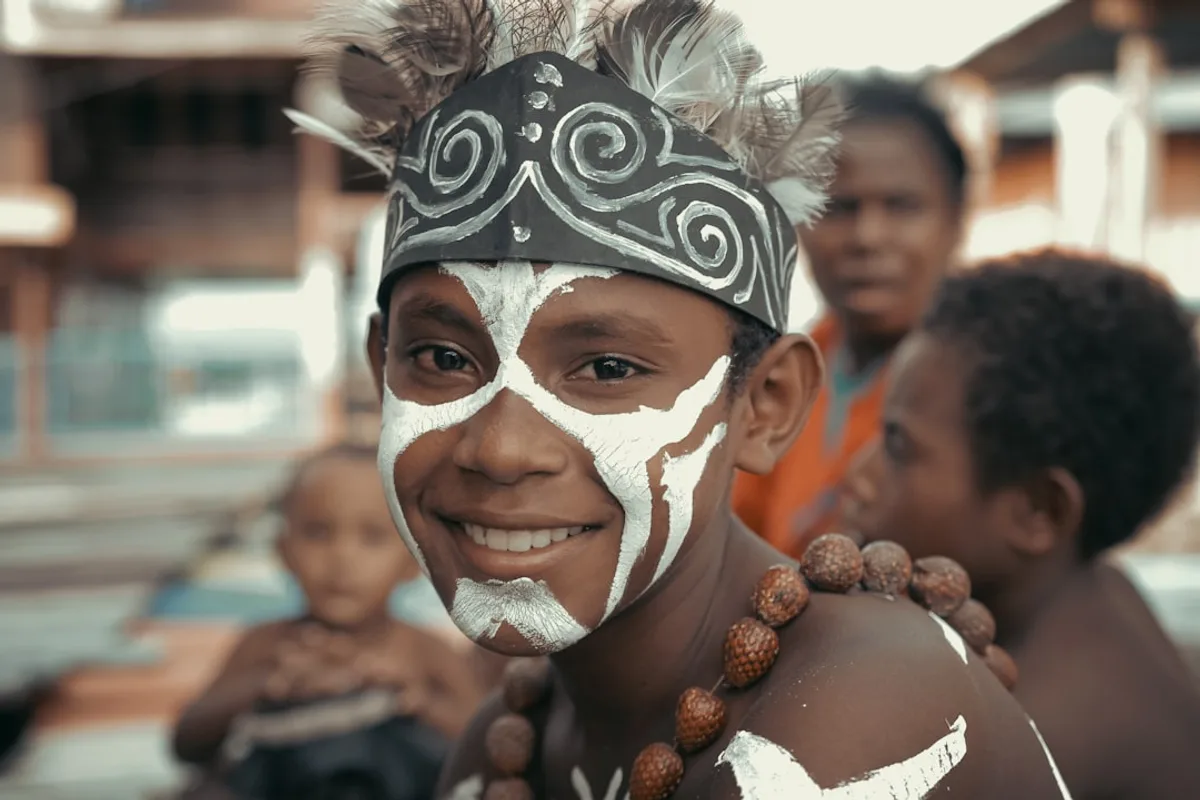
What burning questions do people have about tribal tattoos before getting inked? Here are some tribal tattoo FAQs that address common tattoo questions:
- What do tribal tattoos mean?
Tribal tattoos often carry deep cultural significance, representing heritage, identity, and personal stories.
- What styles are available?
There are various styles, each with unique patterns and symbolism, influenced by different cultures.
- How important is tattoo aftercare?
Many first-time clients overlook aftercare, yet it’s crucial for maintaining the tattoo’s appearance and longevity.
Let’s explore whether tribal tattoos are suitable for all skin types.
Are Tribal Tattoos Suitable for All Skin Types?
Can everyone enjoy the beauty of tribal tattoos, regardless of skin type? While tribal tattoos are a popular choice, skin type can significantly impact the tattooing process and its final appearance. For instance, individuals with oily skin might experience faster fading, while those prone to keloids should consult a professional before proceeding. Those with specific skin conditions, like eczema or psoriasis, should seek advice from a dermatologist to ensure tattoo suitability. Understanding these factors is crucial for achieving the desired outcome. Next, we will discuss the time commitment involved in getting a tribal tattoo.
How Long Does It Take to Get a Tribal Tattoo?
How much time should you set aside for your dream tribal tattoo? The tribal tattoo duration varies significantly based on size and complexity. Small designs may be completed in a single session lasting 1-2 hours, while larger, intricate pieces can take multiple sessions, each lasting several hours.
Factors influencing how long a tattoo takes include the artist’s experience and the design’s intricacy. To prepare for a lengthy tattoo session, ensure you’re well-rested, hydrated, and have snacks on hand. Clear communication with your artist about the schedule is crucial for planning.
Now, let’s explore what considerations should be taken before getting a tribal tattoo.
What Should I Consider Before Getting a Tribal Tattoo?
What critical factors should you weigh before committing to a tribal tattoo? First, understand the design significance and cultural implications. Each tribal tattoo carries unique meanings and can represent heritage or personal beliefs. Consider the long-term commitment to tattoo care, as maintenance impacts both appearance and satisfaction. Many individuals overlook this, leading to regrets.
- Research the cultural background of your chosen design.
- Plan for consistent aftercare to preserve tattoo quality.
- Reflect on personal stories of those who wish they had considered these factors.
Let’s discuss the ease of removal or covering up tribal tattoos.
Can Tribal Tattoos Be Easily Removed or Covered?
What options do you have if you change your mind about your tribal tattoo? Tattoo removal methods, such as laser treatments, can be challenging for tribal designs due to their bold lines and dark pigments. The complexity and color of the design significantly influence the success of both removal and cover-ups.
Covering up tribal tattoos often requires a skilled artist who can integrate the existing design into a new concept, rather than simply masking it. This process can be emotionally taxing, as tattoos often carry personal significance. Finally, we will explore the best aftercare practices for tribal tattoos.
What Are the Best Aftercare Practices for Tribal Tattoos?
How can you ensure your tribal tattoo remains vibrant and beautiful for years to come? Proper aftercare is crucial. Start by gently cleaning the tattoo with mild soap and lukewarm water. Pat it dry with a clean towel, avoiding any rubbing. Apply a thin layer of fragrance-free moisturizer to keep the skin hydrated. Following your artist’s aftercare instructions can prevent fading and infection.
- Avoid exposing the tattoo to direct sunlight during the healing process.
- Refrain from picking or scratching the tattooed area.
- Steer clear of soaking in pools or hot tubs.
Proper aftercare can significantly extend the life of your tattoo, with some artists recommending specific products to enhance vibrancy. Avoid these common mistakes to ensure your tribal tattoo heals perfectly.
Key Takeaways About Tribal Tattoos
What lasting impressions do tribal tattoos leave on those who wear them? Throughout this article, we’ve explored the diverse meanings and styles of tribal tattoos, emphasizing their deep cultural significance. Understanding the cultural context and personal significance of tribal tattoos can transform them from mere designs into profound symbols of identity.
One of the key takeaways about tribal tattoos is the importance of cultural understanding. Each design carries unique meanings rooted in the traditions of various indigenous cultures. It’s crucial to respect these origins and choose designs that resonate personally. Engaging with your tattoo artist is essential to ensure your chosen tattoo reflects your identity while honoring its cultural roots.
Personal significance is another vital aspect. Tribal tattoos offer a way to express individuality and connect with heritage. By collaborating with a skilled tattoo artist, you can create a design that is not only aesthetically pleasing but also deeply meaningful. Book your consultation today to start designing your one-of-a-kind tattoo!
In conclusion, tribal tattoos are more than just body art; they are a celebration of cultural heritage and personal expression. Embrace the journey of designing a tattoo that tells your unique story.
Leave a Reply