What Makes the Tattoo Community Unique
The tattoo community’s uniqueness stems from its blend of individual expression and collective support, creating a safe space for personal storytelling. Members share experiences and personal stories, fostering strong bonds. This vibrant community thrives on diversity, with tattoo styles reflecting varied cultural backgrounds and traditions.
Collaboration between tattoo artists and clients enhances creativity, allowing for personalized designs. Additionally, the community often champions mental health awareness, using tattoos as a form of expression and healing. This supportive environment is evident in platforms like r/tattoos, where enthusiasts share art and experiences.
Cultural Significance and Symbolism of Tattoos
Tattoos are not just body art; they are profound symbols that convey cultural identity and personal stories. Across various cultures, tattoo symbolism often signifies rites of passage, such as coming of age or military service. In many societies, tattoos are markers of identity, like tribal affiliations or social status. Designs such as the Maori Ta Moko hold deep spiritual meanings, integral to cultural heritage. Understanding the symbolism behind tattoos reveals their role as a language of identity and belonging.
Historical Roots of Tattoo Symbolism
Tattoos have a rich history, with roots that intertwine with ancient rituals and cultural practices across the globe. The history of tattoos dates back thousands of years, evidenced by ancient Egyptian mummies and Polynesian traditions. Cultures like Japan’s Irezumi tell stories through intricate designs, while 18th-century sailors used tattoos to signify their life experiences. The evolution of tattooing techniques mirrors changing societal attitudes, transforming ancient practices into modern expressions of identity and artistry.
Modern Interpretations Across Cultures
In today’s world, tattoos are a canvas for cultural dialogue, blending traditional meanings with modern artistry. Modern tattoo interpretations often see traditional symbols reimagined with contemporary aesthetics. Cultural influences in tattoo art have led to a fusion of styles, such as tribal and geometric designs. The internet facilitates global trends, inspiring artists to create unique pieces that reflect a blend of traditions.
Personal Stories Behind the Ink
Behind every tattoo lies a personal story, transforming body art into a powerful form of self-expression. Many individuals choose tattoos to commemorate significant life events, such as births, losses, or personal achievements. Tattoo artists often collaborate with clients to create bespoke designs that encapsulate these personal narratives, making the tattoo process a therapeutic journey for many.
Sharing personal tattoo stories within the community fosters connection and understanding among enthusiasts. This exchange of tattoo design inspiration and meaningful tattoos can be seen on platforms like Reddit, where people discuss and showcase their ink.
Social Media’s Role in Shaping the Tattoo Community
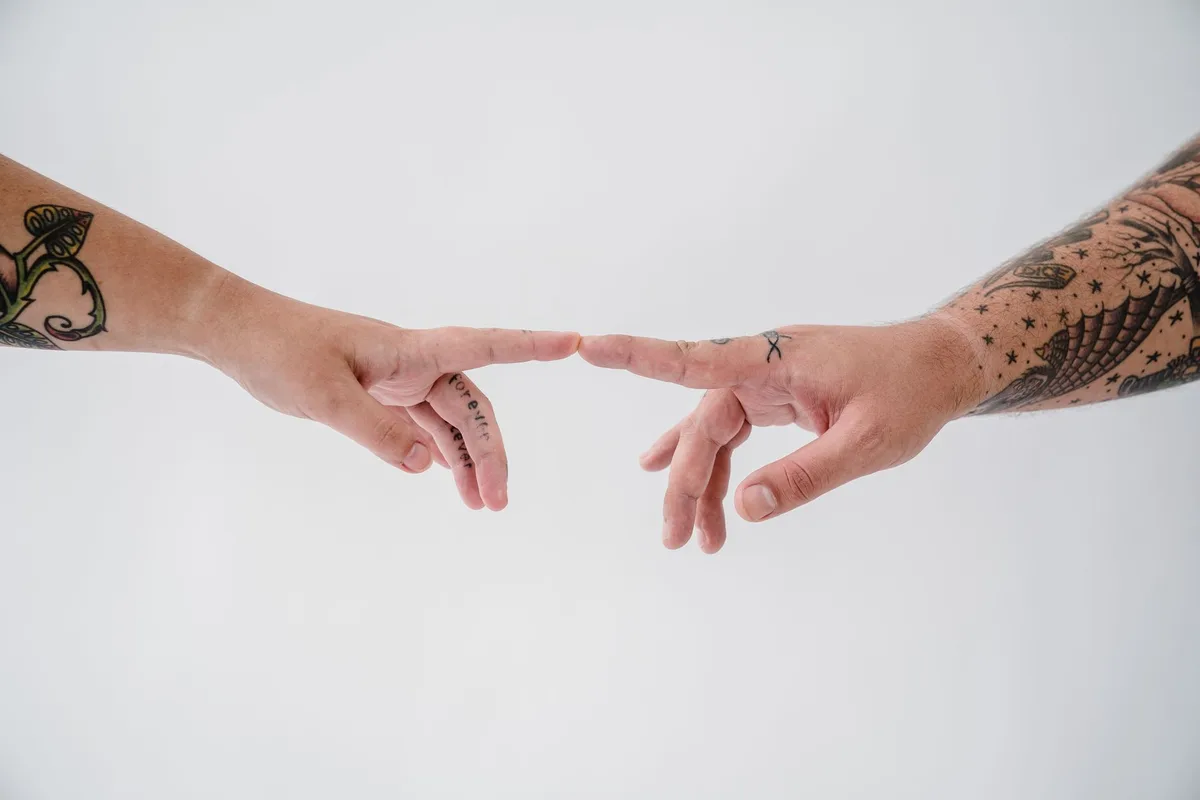
Social media has become a powerful tool for tattoo artists, transforming how they connect with clients and share their artistry. Platforms like Instagram and TikTok have revolutionized the tattoo community on social media, enabling artists to showcase their work and reach wider audiences. Hashtags and viral trends popularize specific styles, while influencers shape tattoo trends on Instagram, making certain designs more sought after. This democratization allows enthusiasts to discover unique styles and find support within online communities.
Influencers and Viral Tattoo Trends
In the tattoo world, influencers are not just trendsetters; they are catalysts for creativity and community engagement. Tattoo influencers often set trends by showcasing unique designs and techniques, impacting what clients request. Viral challenges, such as the ‘tattoo reveal,’ encourage community engagement and creativity among artists and clients.
Collaborations between artists and influencers can lead to innovative tattoo styles that capture public interest. Popular tattoo styles, like fine line or watercolor tattoos, often emerge from social media exposure. Influencers play a crucial role in shaping tattoo culture by introducing new styles and fostering community engagement through creative challenges.
For a deeper dive into the tattoo community, visit the r/tattoos subreddit, where enthusiasts share and discuss their art.
Building Global Connections Through Social Platforms
Social media has transformed the tattoo community into a global network, where artists and enthusiasts share their passion across continents. Platforms like Reddit and Facebook enable tattoo enthusiasts to connect globally, sharing experiences and artwork. Online forums provide spaces for discussions about techniques, styles, and artist recommendations. Tattoo conventions further promote cross-cultural exchanges, showcasing diverse artistry. In the digital age, social media transcends geographical boundaries, creating a vibrant global community where tattoo culture can flourish.
Challenges of Online Tattoo Culture
Despite its benefits, online tattoo culture comes with challenges that can impact both artists and clients. Tattoo misinformation online can lead to unsafe practices, while anonymity fosters negative behaviors like bullying and cultural appropriation debates. Additionally, tattoo artists struggle with maintaining their reputation amid unverified information, and navigating copyright issues for designs can be complex.
Tattoo Art as a Form of Activism: Voices and Movements
Tattoo art transcends mere aesthetics; it is increasingly becoming a powerful tool for social activism and change. Tattoo activism often addresses social issues like body positivity, mental health awareness, and cultural representation. Activist tattoo artists use their platforms to advocate for marginalized communities, creating tattoos that symbolize resistance and empowerment. Movements like ‘Ink for a Cause’ demonstrate how tattoos can raise awareness and funds for important social issues, fostering dialogue about societal change.
Prominent Tattoo Activists and Their Causes
In the world of tattooing, activists are using their art to champion causes that resonate deeply with their communities. Prominent tattoo activists, like Kat Von D, leverage their influence to promote animal rights and mental health awareness. Organizations such as Tattoos for Good spotlight artists contributing their skills to charitable causes. Social media campaigns amplify individual artists advocating for specific movements. Tattoo conventions frequently feature panels on activism, educating attendees about the intersection of art and social justice.
Tattoos as Symbols of Social Change
Tattoos have evolved into powerful symbols of social change, reflecting the values and struggles of communities around the world. They often symbolize movements like LGBTQ+ rights, feminism, and anti-racism, serving as visible expressions of solidarity. Artists create designs that reflect contemporary issues, making tattoos a canvas for activism and empowering individuals to express marginalized identities.
How to Get Involved in Tattoo Activism
For those passionate about tattoos, activism offers a way to channel that passion into meaningful social change. Engaging in tattoo activism provides a unique opportunity to combine personal passion for body art with meaningful social contributions.
- Join local tattoo communities to gain support and resources for aspiring artists and enthusiasts.
- Volunteer at events or collaborate with organizations to participate in activism through tattoo art.
- Engage in discussions and campaigns on social media platforms that promote tattoo activism opportunities.
- Attend conventions and workshops to explore the intersection of tattooing and social issues.
Navigating Tattoo Conventions and Artist Profiles
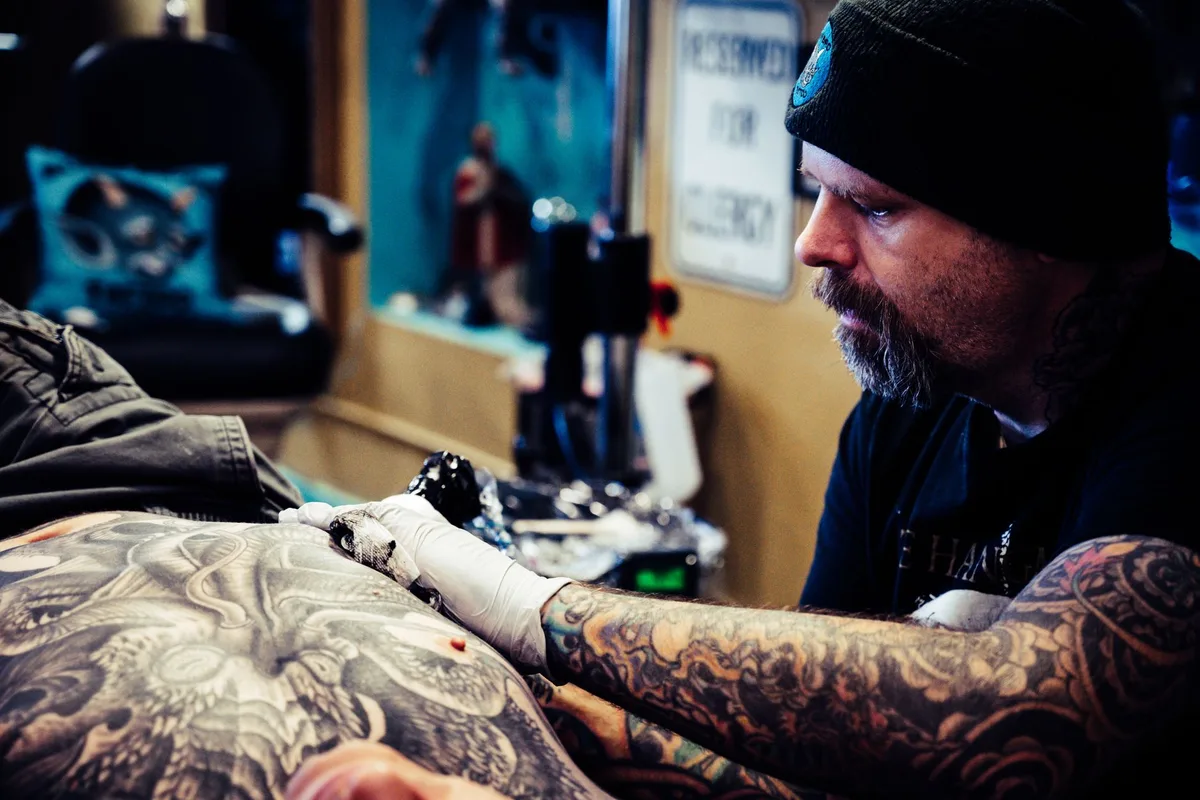
Tattoo conventions are vibrant gatherings where art, culture, and community collide, offering a unique experience for enthusiasts. Navigating these events requires preparation and understanding of the culture, ensuring a rewarding experience for all participants.
- Research artists and styles in advance to make informed choices.
- Understand the convention schedule and set clear goals for attendance.
- Decide if your focus is on getting inked, learning, or networking.
- Familiarize yourself with convention etiquette to enhance your experience and respect the artists.
Preparing for Your First Tattoo Convention
Attending your first tattoo convention can be exhilarating, and a little preparation can make the experience unforgettable. Here are some first tattoo convention tips to help you prepare:
- Familiarize yourself with the convention layout to maximize your time and experience.
- Bring a portfolio of designs or ideas to communicate effectively with artists.
- Network with other attendees for valuable connections and insights into the tattoo community.
- Be open to spontaneous opportunities, like impromptu tattoos or artist collaborations.
Finding and Evaluating Tattoo Artists
Choosing the right tattoo artist is essential for a positive tattoo experience, especially at bustling conventions. Here’s how you can find and evaluate tattoo artists effectively:
- Research in Advance: Look up artists’ portfolios and reviews to align their style with your vision.
- Ask Questions: Inquire about their process and hygiene practices to ensure safety.
- Network: Connect with other attendees for tattoo artist recommendations.
Making the Most of Convention Experiences
Tattoo conventions are packed with opportunities, and knowing how to navigate them can lead to unforgettable experiences. Here are some best practices for maximizing your tattoo convention experience:
- Make a plan for the day to prioritize which artists or events to see first.
- Engage with artists by asking questions to gain deeper insights into their work.
- Participate in workshops or panels to enhance your knowledge of tattoo artistry.
- Share experiences on social media to build connections and document your journey.
Future Trends and Technologies in Tattooing
The tattoo industry is on the brink of transformation, driven by technological innovations and a commitment to sustainability. Emerging technologies, like 3D printing, are revolutionizing tattoo equipment and design possibilities. Innovations in ink formulations are making tattoos safer and more vibrant, reducing allergic reactions. Augmented reality is beginning to play a role in design previews, allowing clients to visualize tattoos before application. Additionally, sustainable practices are gaining traction, with artists seeking eco-friendly materials and methods.
Innovations in Tattoo Equipment and Techniques
Innovations in tattoo equipment and techniques are revolutionizing the art of tattooing, enhancing both safety and artistry. Advancements in tattoo machines are improving precision and reducing discomfort for clients. New ink technologies ensure longer-lasting colors and safer applications. Techniques like digital tattooing allow for intricate designs and quicker application times, while eco-friendly inks minimize environmental impact without compromising quality.
The Rise of Eco-Friendly Tattoo Practices
As environmental concerns rise, the tattoo industry is embracing eco-friendly practices, transforming how art is created and experienced. Artists are exploring sustainable materials, such as biodegradable inks and vegan-friendly products. Eco-conscious tattoo studios are gaining popularity, attracting clients who prioritize sustainability in their choices. Eco-friendly tattooing is becoming a significant trend, influencing industry standards and practices.
Digital Tattoos and Augmented Reality
Digital tattoos are revolutionizing the tattoo landscape, offering a flexible and innovative approach to body art. These temporary alternatives appeal to those hesitant about permanent ink. Augmented reality tattooing allows clients to visualize designs on their skin before committing. This technology opens new avenues for creativity, enabling easy modifications to suit evolving personal styles.
For more on tattoo innovations, explore the Global Tattoo Association.
FAQs About Tattoos: Health, Safety, and Aftercare

While tattoos are a form of self-expression, they also come with health considerations that every enthusiast should be aware of. Tattoo health risks include allergic reactions, infections, and skin complications. Choosing a licensed artist and following proper tattoo aftercare tips like cleaning and moisturizing can prevent issues. Consult a healthcare provider if you have pre-existing conditions.
What Are the Health Risks of Getting a Tattoo?
Safety and hygiene are critical components of the tattooing process, and understanding them can lead to a better experience. To ensure tattoo safety, choose a licensed artist and verify their hygiene practices. Cleanliness is paramount; artists should use sterile equipment and disposable materials. Clients should inquire about aftercare recommendations and research local regulations for additional tattoo safety tips.
How Can I Ensure Tattoo Safety and Hygiene?
Caring for a new tattoo is crucial to ensure it heals properly and retains its beauty for years to come. Keep the tattoo clean, moisturized, and shielded from sun exposure. Avoid soaking it in water and resist picking at scabs. Use fragrance-free, gentle products and follow your artist’s aftercare instructions for optimal results.
What Is the Best Way to Care for a New Tattoo?
For those with allergies, getting a tattoo may raise concerns, but informed choices can lead to a safe and satisfying experience. Individuals with allergies should consult a healthcare provider before getting a tattoo to assess potential risks. Discussing ink options with the artist and choosing hypoallergenic inks can reduce the risk of allergic reactions to tattoo ink.
Patch testing a small area can help identify any reactions before committing to a larger tattoo. Understanding how tattoos and allergies interact allows individuals to make informed decisions about their body art choices, ensuring tattoo safety for allergic individuals.
Can I Get a Tattoo if I Have Allergies?
For those with allergies, getting a tattoo may raise concerns, but informed choices can lead to a safe and satisfying experience. Consulting a healthcare provider is crucial to assess potential risks. Certain inks may contain allergens, so discussing options with the artist is essential. Patch testing a small area can identify allergic reactions before committing to a larger tattoo. Opting for hypoallergenic inks and reputable artists enhances tattoo safety for allergic individuals. Understanding how tattoos and allergies interact helps in making informed body art decisions.
Key Takeaways About the Tattoo Community
The tattoo community is a rich and diverse landscape, where art, culture, and personal stories intersect in meaningful ways. This vibrant tapestry is characterized by creativity, diversity, and a strong sense of belonging among its members. Understanding the cultural significance and personal stories behind tattoos enhances appreciation for the artistry involved. Social media has transformed how tattoos are shared and celebrated, fostering global connections. Additionally, tattoo activism highlights the role of art in advocating for social change. Book your consultation today to start designing your one-of-a-kind tattoo!
Leave a Reply