
Why Tattoo Styles and Trends Are Essential in 2026
As tattoo culture continues to evolve, understanding the latest styles and trends is essential for both artists and enthusiasts. In 2026, tattoo styles play a crucial role in personal expression and identity, reflecting individual stories and societal shifts. The importance of tattoo trends in 2026 cannot be overstated as they shape the art form’s future.
The intersection of technology and art has led to a rapid evolution in tattoo styles, making it crucial for enthusiasts and artists to adapt to these changes. Social media platforms like Instagram and TikTok significantly influence current tattoo trends, showcasing diverse styles and inspiring new designs. This digital exposure allows trends to spread quickly, impacting how tattoos are perceived and appreciated globally.
For tattoo artists, staying updated with trends is vital to attract and retain clients. By understanding popular tattoo styles and the preferences of their audience, artists can offer designs that resonate with contemporary tastes. Moreover, cultural movements such as the rise of body positivity in art have also influenced tattoo styles, promoting inclusivity and self-acceptance.
In 2026, the evolution of tattoo culture is marked by a blend of tradition and innovation. As trends fade faster than tattoos themselves, as noted in a Facebook post, it becomes increasingly important for both artists and enthusiasts to stay informed and adaptable.
Popular Tattoo Styles and Their Current Appeal

In 2026, tattoo enthusiasts are gravitating towards styles that not only look good but also resonate deeply with their personal stories. Among the popular tattoo styles 2026, watercolor and geometric designs are gaining significant traction. These styles offer a modern aesthetic that appeals to those seeking vibrant and abstract artistry.
Cultural influences continue to shape the appeal of specific tattoo styles. For instance, tribal tattoos draw inspiration from indigenous cultures, while Japanese tattoos are celebrated for their intricate details and historical significance. Meanwhile, there is a resurgence of vintage styles, such as traditional Americana tattoos, which blend classic motifs with contemporary flair.
Moreover, the current tattoo trends reflect a growing preference for custom tattoos that encapsulate personal narratives. Many clients now prioritize designs that tell their unique stories, moving away from fleeting trends. This shift towards bespoke designs highlights the evolving landscape of tattoo art, where personal expression takes precedence over conventional styles.
Micro-Realism: Big Impact in Small Packages
Micro-realism tattoos deliver stunningly detailed imagery in a compact form, making them a favorite among those who value intricacy. This tattoo style emphasizes fine detail work and shading to create lifelike images on a smaller scale. Notable micro-realism tattoo artists like Dmitriy Samohin are celebrated for their intricate portraits that capture personal memories or loved ones.
The appeal of micro-realism lies in its ability to tell personal stories through detailed small tattoos, allowing clients to carry intricate representations of their lives without taking up much space. However, the style demands precision and significant skill to execute effectively, presenting challenges even for experienced tattoo artists.
Neo-Traditional: Bold and Beautiful
Neo-traditional tattoos stand out for their bold aesthetics and rich storytelling, blending historical influences with contemporary flair. Defined by bold lines and vibrant colors, this style bridges the gap between classic tattoo artistry and modern themes, making it versatile for a wide range of clients. Artists like Chris Garver excel in this genre, bringing a unique approach that captivates enthusiasts. Neo-traditional tattoos combine classic elements with modern aesthetics, appealing to a broad audience. In contemporary tattoo culture, they hold significant cultural value, offering a timeless yet trendy option that resonates with both traditionalists and modern art lovers.
Fine Line Minimalism: Less is More
Fine line minimalism is redefining tattoo aesthetics, attracting individuals who appreciate the beauty of simplicity in body art. This style emphasizes simplicity and elegance, focusing on subtle tattoo designs that are both understated and meaningful. Among younger enthusiasts, fine line minimalism tattoos have gained popularity for their ability to convey deep meanings with minimalistic detail.
Artists like Dr. Woo are renowned for their minimalist tattoo artistry, creating designs that are both intricate and delicate. The appeal of fine line minimalism lies in its fresh perspective on tattoo art, offering a refined option for those who prefer designs that speak volumes with subtlety.
The Longevity of Tattoo Trends: What Lasts and What Fades
While trends may come and go, certain tattoo styles have a remarkable ability to endure, often rooted in cultural significance and personal meaning. Timeless tattoo styles like tribal and Japanese tattoos continue to resonate across generations due to their deep cultural narratives and aesthetic appeal. These styles often connect with individuals’ identities, offering a sense of personal attachment that transcends fleeting fashion.
Societal acceptance plays a crucial role in sustaining popular tattoo styles over time. As tattoos become more mainstream, styles that were once niche gain broader appeal. The impact of celebrity endorsements cannot be overlooked either; when public figures showcase specific designs, these styles often gain longevity in the public eye. For instance, tribal tattoos have maintained their allure partly due to their visibility in media and pop culture.
Ultimately, tattoo trends that resonate with cultural narratives or personal significance tend to endure. For more insights into tattoo trends and their longevity, explore this YouTube video discussing various tattoo styles.
Timeless Tattoo Styles: Why They Endure
Timeless tattoo styles, such as traditional Americana and Japanese designs, continue to captivate clients with their rich histories and cultural significance. These classic tattoo designs often embody cultural narratives and personal histories, making them resonate across different generations and communities. The enduring appeal of these styles lies in their ability to tell stories and honor heritage, while modern tattoo artists adapt them with contemporary techniques to keep them relevant. Community and tradition play significant roles in maintaining the popularity of these enduring tattoo trends, ensuring that they remain a favored choice for many seeking meaningful body art.
Trends That Fizzle Out Quickly
While some tattoo trends capture the public’s imagination, many quickly fade away, often as a result of their lack of personal significance. Meme-inspired designs, for instance, have surged in popularity only to disappear just as swiftly. Social media plays a dual role in this phenomenon, both amplifying and accelerating the decline of these fleeting trends. Without personal or cultural depth, such tattoos often lead to regret, as individuals seek more meaningful expressions of their identities. Choosing designs that reflect personal values rather than temporary tattoo styles can prevent the disappointment associated with fading tattoo trends.
Traditional vs. Modern Tattoo Styles: A Comparative Analysis
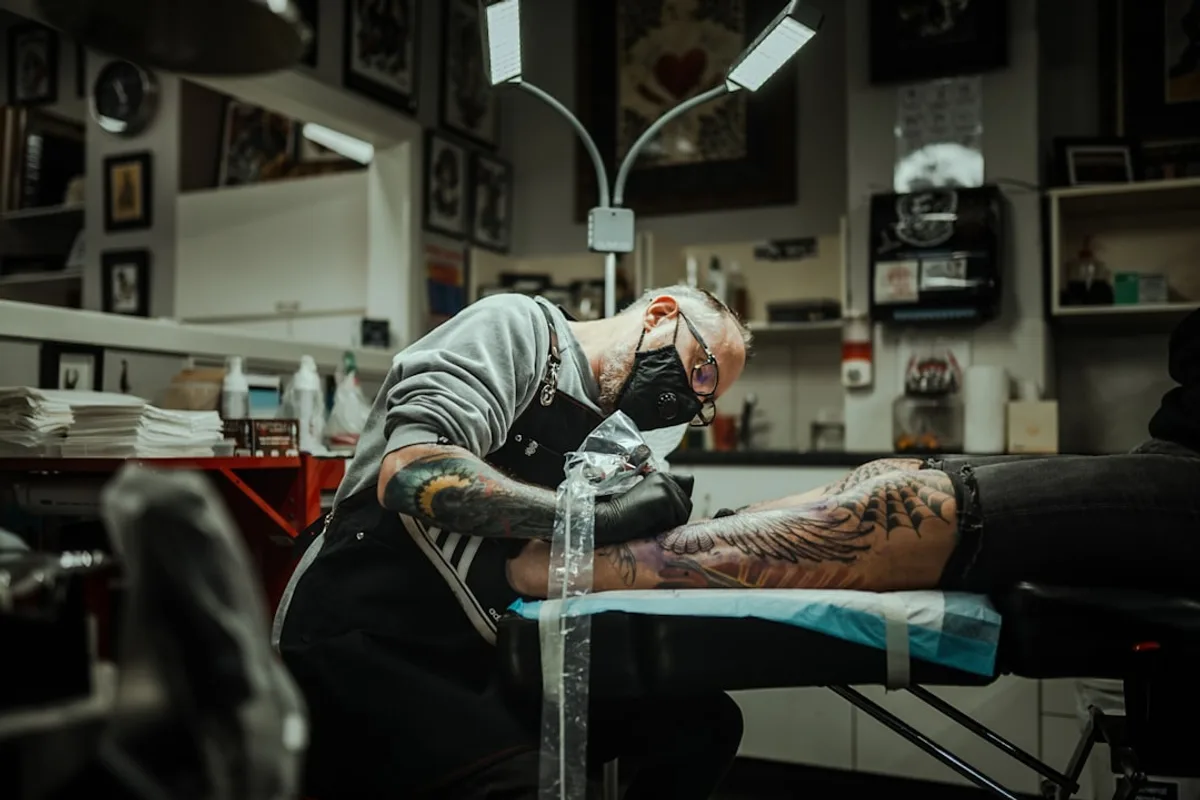
Traditional tattoos are characterized by their bold lines and rich symbolism, reflecting a deep connection to cultural heritage. These tattoos often feature classic motifs such as anchors, roses, and daggers, each carrying significant historical and cultural narratives. The defining characteristics of traditional tattoos include the use of bold outlines and vibrant colors, which help these designs stand out and endure over time.
| Aspect | Traditional Tattoos | Modern Tattoos |
|---|---|---|
| Motifs | Anchors, roses, daggers | Abstract, geometric, watercolor |
| Techniques | Bold lines, vibrant colors | Fine lines, shading, realism |
| Evolution | Steeped in history and symbolism | Innovative themes and aesthetics |
While traditional tattoos maintain their classic appeal, contemporary artists are reinterpreting these styles to fit modern aesthetics. This evolution showcases the dynamic nature of tattoo art, where historical tattoo styles meet innovative techniques, creating a fusion that appeals to both traditionalists and modern enthusiasts.
Defining Characteristics of Traditional Tattoos
Modern tattoo styles are revolutionized by technology, enabling artists to push creative boundaries and explore new techniques. The advent of advanced equipment, such as machine tattooing, has transformed the industry. Digital tattoo art allows for the creation of intricate patterns, blending traditional artistry with modern flair. Innovative tattoo styles like watercolor and geometric tattoos challenge conventional norms, offering fresh perspectives. Tattoo conventions play a crucial role in showcasing these modern techniques and fostering a vibrant community among artists.
| Aspect | Traditional Tattoos | Modern Tattoos |
|---|---|---|
| Equipment | Hand tools | Machine tattooing |
| Design Influence | Classic motifs | Digital art |
| Styles | Traditional Americana | Watercolor, Geometric |
Modern Tattoo Innovations and Techniques
Deciding between traditional and modern tattoo styles requires careful consideration of personal values and artistic expression. Choosing tattoo styles involves balancing personal significance with aesthetic preferences, ensuring the final design resonates deeply with the individual. The choice between traditional vs modern tattoos can also influence the design and placement of the tattoo. Artists play a crucial role in guiding clients through this tattoo style decision process, helping align choices with personal stories and values.
| Factors | Traditional Tattoos | Modern Tattoos |
|---|---|---|
| Cultural Significance | Often rich in history | Focus on contemporary themes |
| Artistic Expression | Classic designs | Innovative techniques |
| Personal Alignment | Reflects heritage | Emphasizes individuality |
Ultimately, the tattoo style decision factors should align with the individual’s personal narrative and aesthetic preferences.
Choosing Between Traditional and Modern Styles
Choosing the right tattoo artist is essential for achieving the perfect design, requiring careful research and consideration of personal style. Start by exploring portfolios and reviews on platforms like Instagram and Yelp to find artists whose work aligns with your vision. Consultations are vital for establishing rapport and discussing design ideas. During these meetings, assess the artist’s hygiene practices and professionalism to ensure a comfortable experience. Finding the right tattoo artist is a crucial step in ensuring a successful tattoo experience, as it involves aligning artistic vision with personal comfort and hygiene standards.
Finding the Perfect Tattoo Artist and Planning Your Design Placement
Choosing the right tattoo artist is essential for achieving the perfect design, requiring careful research and consideration of personal style. Here’s how to find the perfect tattoo artist:
- Research Portfolios: Start by browsing artists’ portfolios on platforms like Instagram and Yelp. Look for styles that resonate with your vision.
- Read Reviews: Check reviews to gauge previous clients’ satisfaction. This can provide insights into the artist’s reliability and skill.
- Consultations: Schedule consultations to discuss your design ideas. This is crucial for establishing rapport and ensuring the artist understands your concept.
- Assess Hygiene Practices: During your visit, observe the studio’s cleanliness and the artist’s hygiene practices. Professionalism in these areas is non-negotiable for a safe experience.
Finding tattoo artists whose style aligns with your preferences is a crucial step in ensuring a successful tattoo experience. Aligning artistic vision with personal comfort and hygiene standards will lead to a design you cherish for years to come.
Researching Tattoo Artists: What to Look For
When researching tattoo artists, it’s vital to consider their specialization and client feedback to find the perfect match for your vision. Here’s what to look for:
- Specialization and Style: Ensure the artist specializes in the tattoo style you desire, whether it’s traditional, realism, or something else.
- Online Portfolios: Review tattoo artist portfolios and social media to assess their skill and consistency.
- Client Testimonials: Look for reviews and testimonials to gauge the artist’s reputation and reliability.
- Local Communities: Engage with local tattoo communities for recommendations and insights.
Researching tattoo artists involves more than just looking at their work; it requires understanding their style, reputation, and client relationships to ensure a good fit.
Design Placement: Factors to Consider
Choosing the right placement for your tattoo is as important as the design itself, influencing both its aesthetic appeal and personal meaning. Tattoo placement considerations are crucial for achieving the best tattoo placement. Here are key factors to consider:
- Body Contours: Consider how the tattoo will flow with your body’s natural lines for optimal visual impact.
- Visibility: Decide if you want your tattoo to be easily visible or more discreet.
- Pain Levels: Different areas have varying pain levels; consult with your artist for advice.
- Lifestyle and Profession: Ensure the placement aligns with your personal and professional life.
- Artist Guidance: Artists can provide sketches and mock-ups to help visualize the placement.
Consultation and Portfolio Review Tips
A successful tattoo consultation sets the stage for a great tattoo experience, allowing clients to communicate their vision and preferences clearly. Here are some tattoo consultation tips to ensure your ideas are effectively translated into a design:
- Prepare Questions: Before the meeting, list questions about styles, trends, and aftercare. This helps clarify expectations and ensures you cover all aspects.
- Review the Portfolio: Examine the artist’s portfolio to ensure their style aligns with your vision. This step is crucial for effective tattoo artist communication.
- Share Personal Stories: Clearly communicate your personal stories and preferences to guide the artist in creating a meaningful design.
- Discuss Aftercare: Understanding aftercare is essential for tattoo longevity. Ask about recommended practices during the consultation.
For more insights on tattoo styles, check out this video on popular tattoo styles.
Effective Tattoo Aftercare for Long-lasting Art
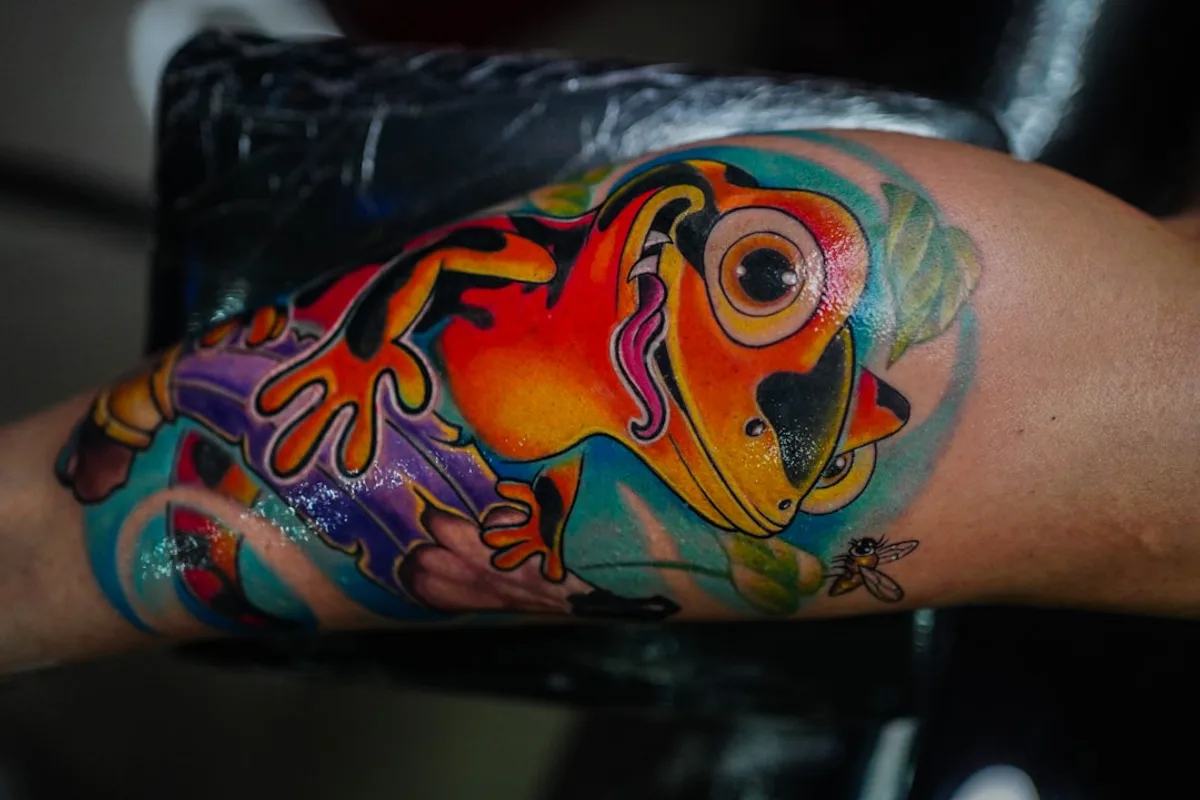
Effective tattoo aftercare is essential for maintaining the artwork’s vibrancy and preventing complications during the healing process. Proper tattoo aftercare begins with gently cleaning the area using a mild, fragrance-free soap. This helps remove any bacteria or debris that could lead to infection. Moisturizing with a specialized tattoo lotion keeps the skin hydrated and supports the healing process.
Avoiding sun exposure and swimming is crucial during the initial healing phase. Sunlight can cause fading, while swimming pools and natural bodies of water harbor bacteria that increase the risk of infection. It’s a common misconception that applying too much ointment speeds up healing; in reality, it can suffocate the skin and prolong the process.
Following artist-specific aftercare instructions is vital for optimal results, as each tattoo artist may have unique recommendations based on their experience and the specific tattoo style. Adhering to these guidelines ensures that your tattoo remains vibrant and intact for years to come. For more insights, explore discussions on tattoo longevity.
Immediate Aftercare Steps Post-Tattoo
Taking the right immediate aftercare steps after getting a tattoo can significantly impact its healing and longevity. Here’s what to do after tattooing:
- Clean the Tattoo: Gently wash the area with mild soap and water to remove any blood or ointment.
- Apply Ointment: Use a thin layer of recommended ointment to keep the skin moisturized.
- Cover the Tattoo: Keep it covered with a sterile bandage to protect against bacteria.
- Monitor for Infection: Look for signs of redness, swelling, or pus, which may indicate complications.
- Contact Your Artist: If you notice any concerns during healing, reach out to your tattoo artist for advice.
Immediate tattoo aftercare is pivotal in preventing complications and ensuring a smooth healing process, setting the foundation for the tattoo’s longevity.
Long-term Maintenance for Vibrant Tattoos
Maintaining your tattoo’s vibrancy over the years requires consistent care and attention to skin health, ensuring it remains a beautiful piece of art. Regular moisturizing is essential for long-term tattoo care, as it keeps the skin hydrated and helps maintain the ink’s brightness. Additionally, protecting your tattoo from sun exposure with sunscreen can prevent fading.
Touch-ups are crucial in extending a tattoo’s life, allowing you to refresh colors and lines. Lifestyle choices also play a role; staying hydrated and eating a balanced diet can enhance skin health, further supporting maintaining tattoo vibrancy over time.
Common Aftercare Mistakes to Avoid
Many tattoo enthusiasts unknowingly make mistakes during aftercare that can lead to fading or infections, jeopardizing their body art. One common error is wearing tight clothing over a fresh tattoo, which can irritate the skin and hinder healing. Additionally, excessive sweating should be avoided as it can introduce bacteria to the area.
Another misconception is using petroleum jelly, which can trap moisture and harm the tattoo. Instead, opt for a gentle, fragrance-free moisturizer. Proper cleaning is crucial; gently wash with mild soap and lukewarm water to avoid damage. Avoiding these tattoo aftercare mistakes ensures optimal healing and maintains the tattoo’s intended appearance.
Key Takeaways About Tattoo Styles and Trends
In the ever-evolving world of tattoos, understanding styles and trends is crucial for making informed and meaningful choices. For both clients and artists, being well-versed in tattoo styles and trends equips them to make decisions that truly reflect personal identity and artistic expression. This knowledge allows for the creation of tattoos that are not only visually appealing but also deeply personal.
Personal storytelling remains a cornerstone in tattoo selection and design. Whether it’s a minimalistic symbol or an intricate sleeve, tattoos often serve as a canvas for personal narratives. Embracing this aspect ensures that each tattoo is unique and holds significant meaning for the wearer.
Conducting thorough research when choosing an artist and style is vital. With a variety of popular tattoo styles and current trends in tattoo art, finding the right match can enhance the overall tattoo experience. A well-researched decision can prevent future regrets, as trends may fade faster than tattoos themselves source.
Ultimately, embracing individuality in tattoo choices is key. Each tattoo should be a reflection of one’s personal journey and style. Book your consultation today to start designing your one-of-a-kind tattoo, and ensure that your body art is a true representation of who you are.
Leave a Reply