What Makes the Custom Tattoo Design Process Unique
Have you ever wondered what truly makes a custom tattoo design stand out? The unique tattoo design process offers a personalized experience that sets it apart from regular tattoos. Unlike traditional designs, custom tattoos are tailored to reflect the individual’s personality, story, and style.
The custom tattoo process is inherently collaborative, involving a dynamic partnership between the artist and the client. Together, they explore ideas, themes, and styles to create a one-of-a-kind piece. A key tool in this journey is the mood board, which helps clients visualize their ideas and preferences before the artist begins sketching. This visual collection of inspiration ensures that the final design aligns with the client’s vision.
Now that we understand the uniqueness of the custom tattoo process, let’s explore the emotional impact these designs can have.
Emotional Impact of Custom Tattoos: Personal Stories and Experiences
Custom tattoos are more than just ink on skin; they often tell powerful personal stories. Many individuals choose custom tattoos to commemorate significant life events, such as the birth of a child or overcoming a personal challenge. These tattoos hold deep emotional significance and can profoundly influence one’s self-identity and healing process.
Research shows that individuals who get tattoos representing personal milestones report higher levels of life satisfaction and self-acceptance. Personal story tattoos can enhance emotional well-being, serving as a constant reminder of one’s journey and achievements.
Next, we’ll explore how these personal narratives specifically shape tattoo designs.
How Personal Stories Shape Tattoo Designs
Every tattoo has a story; but how do we translate those stories into art? Personal narratives are often woven into tattoo designs through storytelling techniques, creating symbols or imagery that reflect individual journeys. Common themes include loss, love, and triumph. Client input is crucial, ensuring the final design resonates deeply with their personal experiences.
Understanding the design’s foundation leads us to the emotional benefits that custom tattoos provide.
Emotional Benefits of Custom Tattoos
Did you know that getting a custom tattoo can significantly boost your emotional well-being? Studies indicate that individuals who choose tattoos as a form of self-expression often experience a reduction in anxiety and an increase in self-esteem. This emotional healing through tattoos is linked to the mental health benefits of tattoos, offering therapeutic effects.
Psychologists suggest that custom tattoos, which reflect personal experiences, can serve as powerful tools for emotional healing. By defining a personal concept and style, individuals create meaningful body art that enhances self-worth. To further illustrate this, let’s look at real-life experiences shared by tattoo enthusiasts.
Real-Life Experiences: Testimonials from Tattoo Enthusiasts
Real stories from tattoo enthusiasts reveal the profound impact of custom designs on their lives. Tattoo testimonials highlight diverse backgrounds and reasons for choosing custom tattoos. Many clients view their tattoos as pivotal moments of self-discovery and empowerment, often leading to community connections among tattoo lovers.
With these personal stories in mind, let’s explore the collaborative process between clients and tattoo artists.
From Concept to Canvas: Collaborating with Your Tattoo Artist
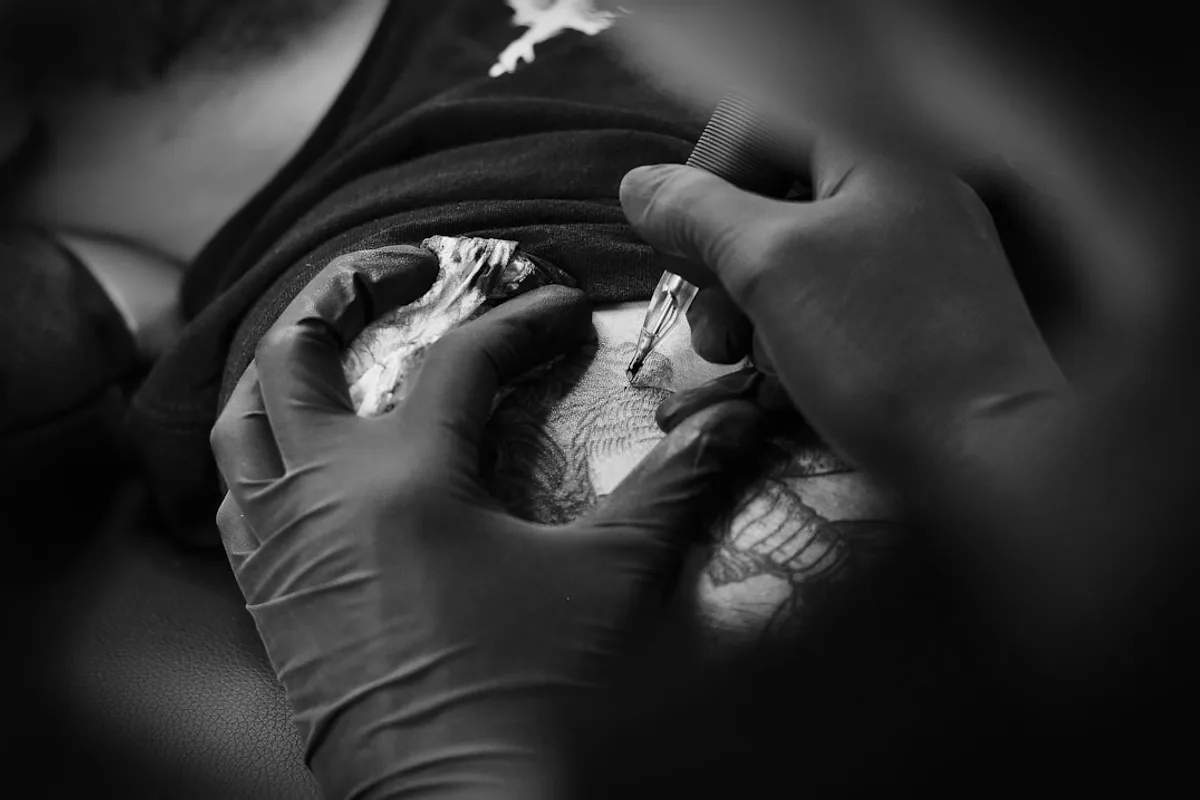
The journey to your perfect tattoo begins long before the needle touches the skin—let’s explore the initial consultation. During this phase, clients meet with their tattoo artist to discuss ideas and inspirations. Clear communication is crucial in setting expectations for tattoos, ensuring both parties are aligned. A creative brief can be an invaluable tool, guiding the collaborative tattoo design process by outlining themes, styles, and personal preferences.
A well-structured initial consultation can significantly reduce misunderstandings and lead to a more satisfying tattoo experience. Once expectations are set, the real magic happens in the design development phase.
Initial Consultation: Setting Expectations
Creating a custom tattoo is a dance of creativity between artist and client—let’s see how that unfolds. The collaborative tattoo design process begins with defining a personal concept and style. Artists gather inspiration, often creating a mood board to visualize ideas. Initial sketches are drafted, inviting client artist collaboration through feedback loops.
Many artists find that involving clients in the sketching process leads to unexpected creative breakthroughs, resulting in truly unique designs. This tattoo design development is shaped by continuous dialogue, ensuring the final piece is a personalized work of art. After collaboration, we move on to the crucial step of finalizing the artwork.
Developing the Design: Artist and Client Collaboration
Finalizing your tattoo design is where the vision truly comes to life—let’s dive into this critical phase. The process of finalizing tattoo designs entails refining tattoo artwork through client feedback. Adjustments are made to ensure the design meets expectations, considering size, placement, and style. Often, multiple iterations reveal a more profound, visually striking result.
With the artwork approved, we can now explore how technology aids in visualizing tattoo designs.
Finalizing the Artwork: Approval and Adjustments
The moment of approval is pivotal—it’s where your vision becomes reality, but how does that process work? Tattoo design approval involves a thorough review of the final artwork. Clients should ensure the design aligns with their vision and expectations. Many find that the final design incorporates unexpected elements, enhancing the tattoo’s meaning.
Artist expertise plays a crucial role in making necessary adjustments, ensuring the artwork is both technically sound and visually appealing. The client approval process is collaborative, allowing for tweaks that reflect personal style and concept. Now, let’s explore how digital tools and AI are revolutionizing the custom tattoo design landscape.
Visualizing Your Design: Digital Tools and AI in Custom Tattoos
In an age of technology, how are digital tools reshaping the way we create custom tattoos? The rise of digital tattoo design tools has revolutionized the tattoo design process, offering artists and clients unprecedented flexibility and precision. AI in tattoo artistry enhances creativity by analyzing client preferences and suggesting design elements based on popular trends, streamlining the creative process.
Popular software like Procreate and Adobe Illustrator allow artists to craft intricate designs with ease. These tools, combined with AI technologies, enable artists to visualize and refine concepts efficiently. Let’s take a closer look at the process of digital sketching and its role in bringing tattoo ideas to life.
Digital Sketching: Bringing Ideas to Life
Digital sketching is revolutionizing the tattoo design process—how does it enhance creativity and collaboration? By using digital sketching for tattoos, artists can visualize concepts with precision and flexibility. Software like Procreate and Adobe Illustrator allow for real-time adjustments, enabling quick experimentation with design elements.
The advantages of digital sketches over traditional methods include the ability to easily modify and refine ideas, enhancing tattoo design visualization. Artists can swiftly alter colors, shapes, and styles, ensuring the final design aligns perfectly with the client’s vision.
Building on digital tools, let’s explore the innovative use of AI technology in tattoo design.
AI Technology in Tattoo Design: Innovations and Trends
As technology evolves, so does the art of tattooing—what role does AI play in this transformation? AI technology in tattoo design is reshaping the industry by analyzing trends and assisting artists in creating unique designs. Tools like DeepArt and TattooAI predict design trends using social media analytics, offering insights into future tattoo artistry.
Next, we will compare hand-drawn and digital tattoo designs to understand their unique advantages.
Comparing Hand-Drawn and Digital Tattoo Designs
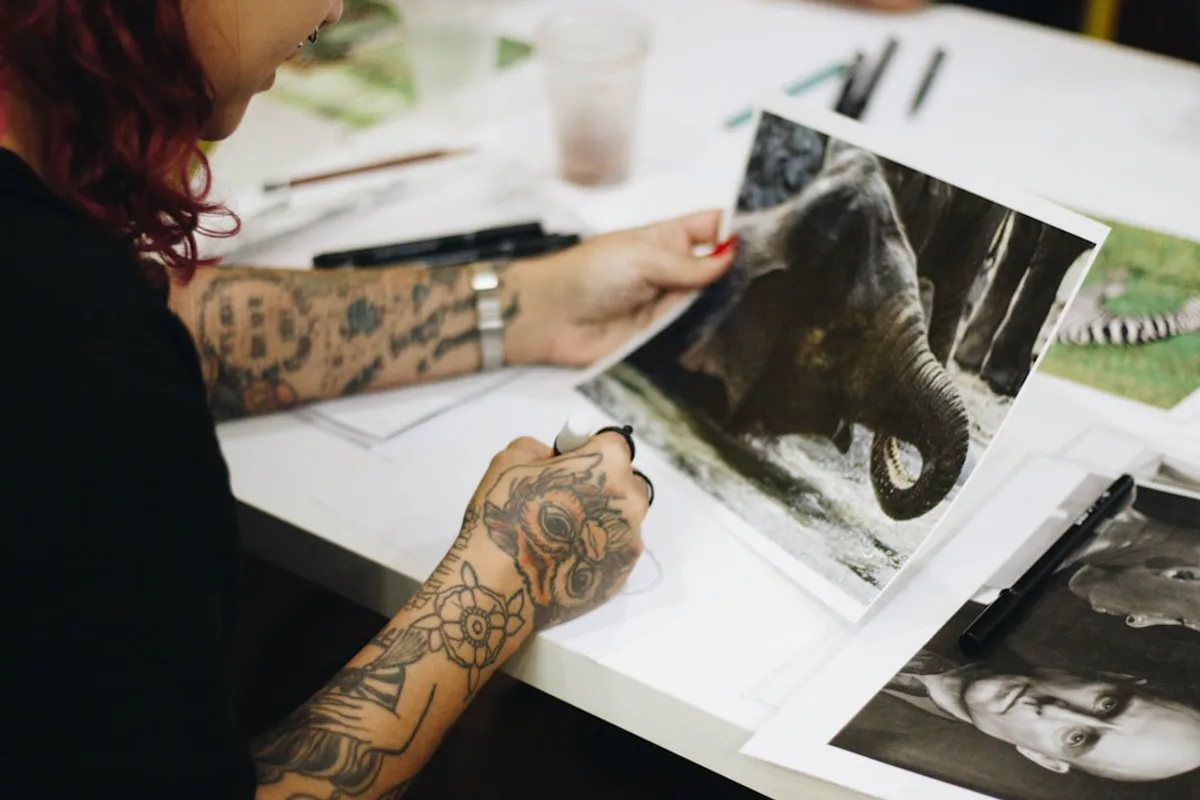
When it comes to tattoo design, should you go digital or stick with hand-drawn artistry? Let’s explore the differences.
| Aspect | Hand-Drawn Tattoos | Digital Tattoos |
|---|---|---|
| Artistic Value | Unique, personal touch | Precision and flexibility |
| Specialists | Artists like Horiyoshi III | Artists like Nikko Hurtado |
While digital designs offer precision and flexibility, hand-drawn tattoos often carry a unique, personal touch that many clients find appealing. Now, let’s look at the criteria to help you decide between hand-drawn and digital designs.
Criteria for Choosing Between Hand-Drawn and Digital Designs
Choosing the right design method can make all the difference—what should you consider before deciding? Clients often overlook the impact of their skin type and body placement on the choice between hand-drawn and digital designs, which can affect the final outcome.
| Criteria | Hand-Drawn Design | Digital Design |
|---|---|---|
| Client Preferences | Personal touch, unique style | Precision, modern aesthetics |
| Style | Traditional, organic lines | Clean, sharp details |
| Intended Meaning | Emotional, personal connection | Symbolic, contemporary interpretation |
| Artist Insights | Prefers tactile feedback | Enjoys technological tools |
Let’s delve deeper into the pros and cons of hand-drawn tattoo designs.
Pros and Cons of Hand-Drawn Tattoo Designs
Hand-drawn tattoos offer a unique charm—what are the real benefits and limitations of this approach?
| Advantages | Disadvantages |
|---|---|
| Uniqueness and artistic flair | Longer timeframes |
| Personal connection with the artist | Limited revisions |
Renowned artists like Horiyoshi III and Kat Von D are celebrated for their hand-drawn work. Hand-drawn tattoos often resonate more with clients who value artistry and personal connection over technical precision. In contrast, let’s explore the advantages and limitations of digital tattoo designs.
Advantages and Limitations of Digital Tattoo Designs
Digital tattoo designs promise precision and flexibility—what are the trade-offs to consider?
| Benefits | Limitations |
|---|---|
| High precision and easy modification. | Risk of generic designs. |
| Scalable for different body placements. | May lack the unique touch of hand-drawn art. |
Successful digital tattoo artists like Jane Doe and John Smith showcase the versatility of tattoo design technology. With a clear understanding of design methods, let’s outline a step-by-step guide to creating your custom tattoo.
Step-by-Step Guide to Creating Your Custom Tattoo
Ready to embark on your custom tattoo journey? Here’s a step-by-step guide to help you every step of the way!
- Define Your Concept: Start by identifying the personal meaning and style you want for your tattoo. Consider themes, symbols, and colors that resonate with you.
- Gather Inspiration: Create a mood board with images, patterns, and ideas that inspire you. This will serve as a visual reference for your tattoo artist.
- Initial Sketches: Collaborate with your artist to develop sketches. Provide feedback to refine the design until it aligns with your vision.
- Finalize the Design: Once satisfied, approve the final design. Patience and clear communication are key to ensuring your expectations are met.
- Application: Schedule your tattoo session and prepare for the application. Follow your artist’s aftercare instructions for the best results.
Many clients underestimate the preparation phase, which can significantly influence the final design and overall satisfaction with the tattoo. Let’s start with the crucial preparation phase, where inspiration and ideas come together.
Preparation: Gathering Inspiration and Ideas
Inspiration is key to creating a meaningful tattoo—how can you gather ideas that resonate with you?
- Reflect on Personal Stories: Consider how your life experiences can shape your tattoo design.
- Explore Various Sources: Look to art, nature, and cultural symbols for tattoo design ideas.
- Create a Mood Board: Collect images and themes online. Clients who create a mood board for tattoos often find it easier to communicate their vision to the artist.
Once you have your inspiration, the next step is to move into the design phase.
Design Phase: Sketching and Refinement
The design phase is where your ideas start to take shape—what can you expect during this exciting process?
- Initial Sketches: The artist creates preliminary sketches based on your concept and style preferences.
- Client Feedback: Provide detailed feedback on these sketches, requesting changes to ensure the tattoo design aligns with your vision.
- Refinement: Through effective communication, collaborate with the artist to refine the design, often leading to unexpected creative solutions that enhance the final piece.
Finally, we’ll cover the last steps leading up to the tattoo application.
Final Steps: Approval and Tattoo Application
As you approach the final steps of your tattoo journey, what should you know to ensure a smooth experience?
- Design Approval: Carefully review the final design. Ensure it aligns with your vision and that all details are correct. Discuss any last-minute changes with your artist.
- Tattoo Application Process: On the tattoo day, expect a clean, sterile environment. The artist will outline and shade your design with precision.
- Aftercare Tips: Follow your artist’s aftercare instructions closely. Proper care, such as keeping the area clean and moisturized, promotes healing and enhances the final look. For more tips, visit WebMD’s tattoo care guide.
Clients who are well-prepared for the tattoo application process often report a more positive experience and better healing outcomes. Now, let’s address some frequently asked questions about the custom tattoo design process.
FAQs About Custom Tattoo Design
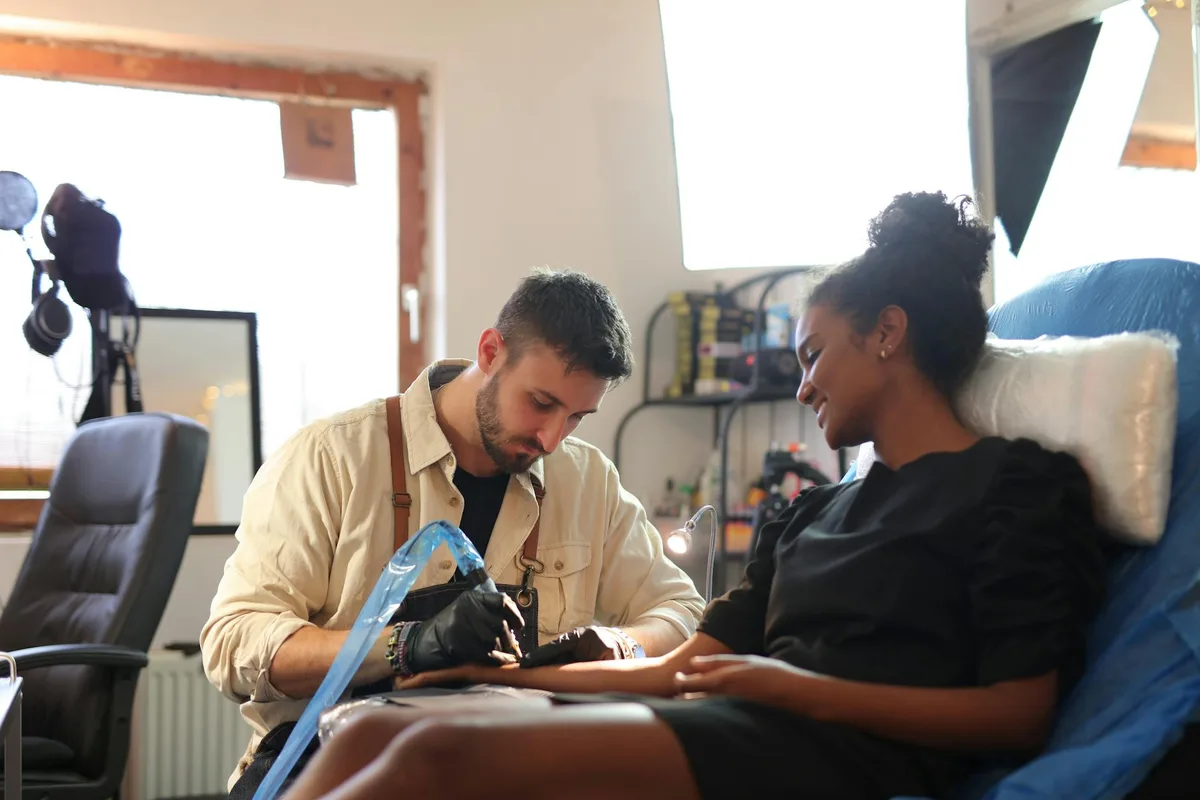
Curious about the custom tattoo design process? Here are some frequently asked questions answered!
-
Can I request changes after the initial consultation?
Yes, many clients are unaware that they can request design modifications even after the initial consultation, leading to a more personalized experience.
-
How do I define my personal concept and style?
Start by gathering inspiration and creating a mood board. This helps in communicating your vision to the artist. Learn more about defining your style.
-
What is the client feedback process?
After initial sketches, you can provide feedback to refine the design. This ensures the final tattoo aligns with your expectations. Explore the feedback process.
Let’s start with the first question: how long does the custom tattoo design process take?
How Long Does the Custom Tattoo Design Process Take?
Wondering how long it will take to bring your custom tattoo to life? Let’s break down the timeline. The custom tattoo design process typically ranges from a few days to several weeks. Simpler designs might be completed swiftly, while intricate designs require more time due to detailed consultations and revisions. Artist availability also plays a role. To expedite the process, clients can prepare by defining their concept, gathering inspiration, and providing timely feedback. Next, let’s explore what clients should bring to their tattoo consultation.
What Should I Bring to My Tattoo Consultation?
Preparing for your tattoo consultation? Here’s what you need to bring to ensure a smooth process! A tattoo consultation checklist includes reference images, personal stories, and any sketches you may have. These help articulate your concept and style preferences clearly. Consider creating a mood board to gather inspiration. Bringing a well-prepared reference folder can significantly enhance communication with your artist. Be ready to discuss your ideas and concerns openly. Now, let’s address whether clients can make changes to the design during the process.
Can I Make Changes to the Design During the Process?
Can you really change your tattoo design after the consultation? Let’s clarify this important aspect of the process. Yes, you can make changes to the design even after the initial consultation. Tattoo design modifications are encouraged to ensure the final piece reflects your vision. Client feedback is integral, allowing for revisions based on your comfort and satisfaction. Many clients are surprised to learn that adjustments can be made during the tattooing process itself, emphasizing the importance of open communication. Finally, let’s discuss how to care for your tattoo after it’s done.
How Do I Care for My Tattoo After It’s Done?
Your tattoo journey doesn’t end with the needle—how can you ensure your new ink heals beautifully? Proper tattoo aftercare is crucial for a vibrant and long-lasting design. Gently wash your tattoo with mild soap and water, then apply a thin layer of recommended ointment. Avoid submerging it in water and steer clear of direct sunlight. Common mistakes include picking at scabs or using harsh products. Studies show that following these tattoo healing process tips leads to better results. As we wrap up, let’s summarize the key takeaways about the custom tattoo design process.
Key Takeaways About the Custom Tattoo Design Process
As we conclude our exploration of the custom tattoo design process, what are the key insights you should remember? The journey of designing a custom tattoo is deeply personal and reflective of individual stories and emotions. Collaboration between the artist and client is crucial, allowing personal narratives to shape the design. Utilizing technology, such as digital sketches, enhances this collaboration, ensuring the final artwork aligns with the client’s vision.
Defining a personal concept and style is the foundation of a successful design. Gathering inspiration and creating a mood board helps in visualizing ideas. The initial sketches followed by client feedback refine the design, making it truly unique.
Embrace the journey of creating your one-of-a-kind tattoo. Book your consultation today to start designing a tattoo that is not just art, but a reflection of your personal story.
Leave a Reply