What Makes Pricing for Custom Tattoos Unique
Have you ever wondered why custom tattoos come with a unique price tag? Custom tattoo pricing is distinct due to the personalization involved and the complexity of the design. Unlike traditional flash tattoos, custom designs often incorporate personal stories or significant symbols, adding emotional value and influencing the cost.
Several factors make custom tattoos more expensive than traditional tattoos. The average price range for custom tattoos can vary significantly, typically starting at $100 and reaching upwards of $500 or more, depending on size and detail. In contrast, flash tattoos, which are pre-designed, usually cost less due to their standardized nature.
Client collaboration is another crucial element that affects personalized tattoo pricing. The time spent in consultations, revisions, and design adjustments can increase the overall cost. Artists invest considerable effort to ensure the tattoo reflects the client’s vision, which often results in a higher price.
Understanding these factors helps us delve into the specifics of tattoo costs.
Breaking Down Tattoo Costs by Size, Complexity, and Style
When it comes to custom tattoos, size matters—literally and financially! Tattoo size pricing varies significantly, with small tattoos typically costing between $50 and $200. Medium-sized tattoos, such as a detailed forearm piece, might range from $200 to $500. The cost of large tattoos, like a full back piece, can start at $500 and go well beyond $2,000.
Larger tattoos often require more time and resources, which increases the price. However, they can sometimes cost less per square inch compared to smaller tattoos due to fixed setup costs and artist time. For instance, a small butterfly on the wrist may be pricier per inch than a large sleeve design.
Next, we will explore how the complexity of a tattoo design further influences its pricing.
Impact of Tattoo Size on Pricing
Ever wondered why a small tattoo can sometimes cost almost as much as a larger one? Tattoo size significantly impacts pricing, with small tattoos averaging $50 to $200, medium ones ranging from $200 to $500, and large tattoos often exceeding $500. The placement on the body can further influence these costs.
- Small Tattoos: Typically under 2 inches, these are often seen on wrists or ankles. Despite their size, intricate designs can elevate small tattoo prices.
- Medium Tattoos: Spanning 2 to 6 inches, these are common on forearms or calves, with average tattoo size cost reflecting both size and detail.
- Large Tattoos: Over 6 inches, often covering significant areas like the back or chest, large tattoo pricing can vary widely based on complexity and placement.
Size not only affects cost but also influences the healing process and visibility, impacting client decisions. Now, let’s dive into how the complexity of a tattoo design plays a crucial role in determining its overall cost.
Complexity and Its Role in Cost
Complexity in tattoo design can dramatically shift the price—here’s how! Detailed tattoos, such as portraits or intricate patterns, often demand more time and specialized skills. This complexity elevates the artist’s hourly rate, leading to higher costs. For instance, complex tattoo pricing for a portrait can be significantly more than simple line work.
Intricate tattoo costs stem from the time required to execute detailed designs, which can span multiple sessions. As a result, detailed tattoo pricing reflects both the skill and time invested. Next, we will examine how different tattoo styles can also impact pricing.
How Different Styles Influence Tattoo Prices
Did you know that the style of your tattoo can significantly influence its price? Different tattoo styles come with varying levels of complexity and required expertise, impacting tattoo style pricing. For instance, traditional tattoos often cost around $100-$150 per hour, while watercolor tattoos may range from $150-$200 due to their intricate techniques.
Consider realism tattoos, which demand highly skilled artists and can cost upwards of $200 per hour. On the other hand, tribal tattoos might be less expensive, averaging $100-$150 per hour, depending on the design’s complexity.
With a clear understanding of size and style, let’s explore how an artist’s experience and reputation play into pricing.
How Artist Experience and Reputation Affect Tattoo Pricing
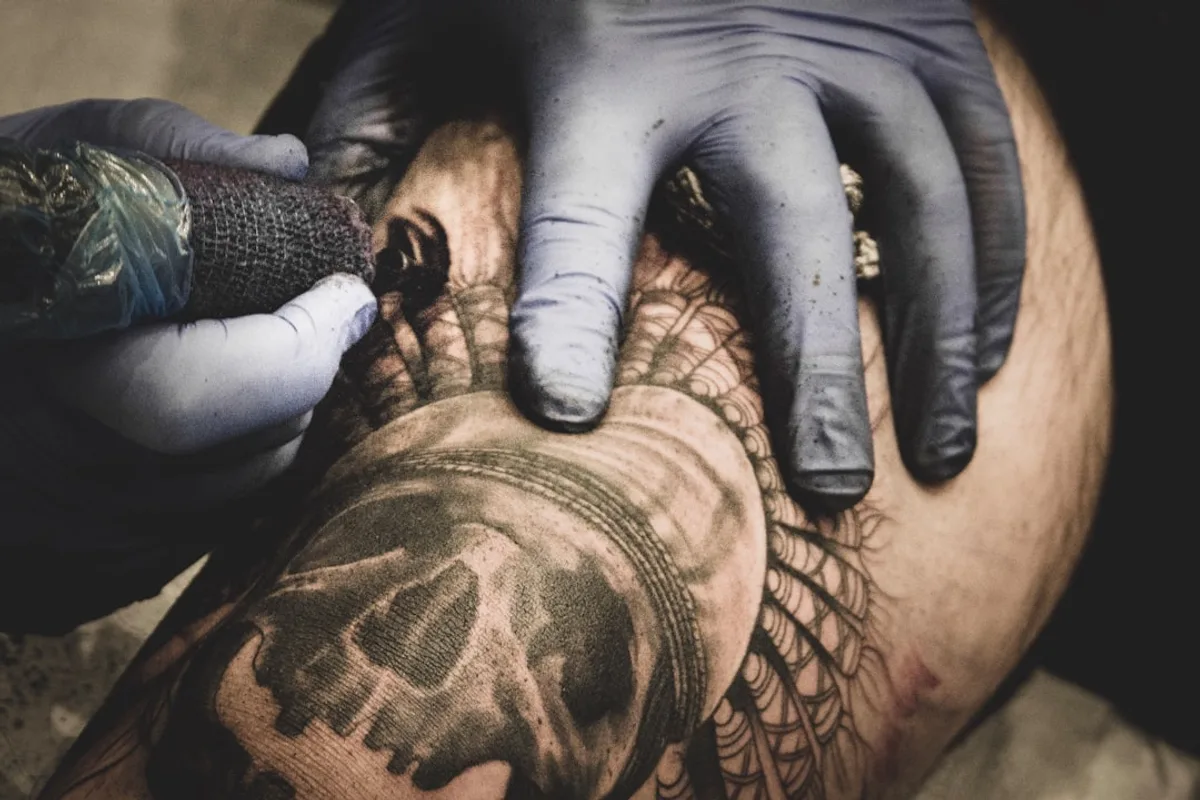
Ever wondered why some tattoo artists charge significantly more than others? The answer often lies in their experience and reputation. An experienced tattoo artist pricing strategy typically reflects their years in the industry, with seasoned professionals often commanding higher tattoo artist hourly rates. For instance, a novice artist might charge around $50 to $100 per hour, while a veteran with a robust portfolio and loyal clientele could easily demand $150 to $300 per hour.
Skill level plays a crucial role in achieving the desired tattoo quality, justifying these rates. Experienced artists often have a loyal client base, allowing them to charge premium prices due to demand and reputation. Next, we will explore the impact of an artist’s reputation on tattoo pricing.
Why Experienced Artists Charge More
Reputation can be everything in the tattoo world—here’s how it influences pricing! Years in the industry and a robust portfolio often allow tattoo artists to charge premium rates. For instance, renowned artists like Kat Von D command high fees due to their fame and skill.
Word-of-mouth and positive online reviews significantly elevate an artist’s perceived value, enabling them to set higher prices. Artists with a strong online presence often see increased demand, allowing them to charge more. Now, let’s discuss how clients can balance their budget with the quality of work they desire.
The Reputation Factor: How It Impacts Cost
When it comes to tattoos, reputation can be a game-changer—let’s explore why! A tattoo artist with a strong reputation often sees increased demand, allowing them to charge higher prices. For instance, renowned artists like Kat Von D have built successful careers and premium pricing strategies by consistently delivering exceptional work.
Choosing a lower-priced artist with less reputation might save money initially but poses risks in quality and satisfaction. Many clients view paying more for a reputable artist as an investment in their body art. When budgeting for tattoo quality, consider the artist’s track record and client reviews.
Finally, we’ll look at how to balance experience and budget when choosing a tattoo artist.
Balancing Experience and Budget
Finding the right tattoo artist doesn’t have to break the bank—here’s how to balance quality and cost! Start by researching artists whose portfolios align with your vision. Many clients overlook the potential for negotiating prices based on their design’s complexity and size, which can lead to better deals.
When discussing pricing, be transparent about your budget and ask for suggestions on how to adjust your design to fit it. Testimonials from satisfied clients often highlight successful negotiations that maintained quality without exceeding financial limits.
Now, let’s compare custom tattoos with flash tattoos to see which offers better value.
Comparing Custom Tattoos and Flash Tattoos: Which Offers Better Value?
When it comes to tattoos, is custom always better? Let’s compare custom and flash tattoos!
| Aspect | Custom Tattoos | Flash Tattoos |
|---|---|---|
| Design | Unique and personalized | Pre-designed and standardized |
| Pricing | Typically $150-$300 per hour | Generally $50-$100 per piece |
| Time | More time-consuming | Quick to apply |
| Value | High personal value | Cost-effective option |
Flash tattoos can sometimes offer a more affordable option for clients, but they lack the personal touch that custom tattoos provide. Custom vs flash tattoos pricing reveals that while custom designs are pricier, they offer a unique expression of individuality.
Criteria for Comparing Tattoo Types
Choosing between custom and flash tattoos? Here are the key factors to consider!
| Criteria | Custom Tattoo Advantages | Flash Tattoo Benefits |
|---|---|---|
| Design Uniqueness | Highly personalized, reflecting personal significance | Pre-designed, quicker selection process |
| Time Investment | More time-consuming due to detailed customization | Less time needed, ideal for spontaneous decisions |
| Client Preferences | Perfect for those valuing individuality | Great for clients prioritizing speed and cost |
Client motivations, such as personal significance or aesthetic preferences, often dictate their choice between custom and flash tattoos. Now, let’s analyze the value of custom tattoos compared to flash tattoos.
Value Analysis: Custom vs. Flash Tattoos
Is the higher cost of a custom tattoo worth it? Let’s break down the value!
| Aspect | Custom Tattoos | Flash Tattoos |
|---|---|---|
| Cost | Higher, varies by design complexity | Lower, fixed pricing |
| Personalization | High, unique designs | Low, pre-designed |
| Satisfaction | Clients often report higher satisfaction | Generally satisfactory for quick decisions |
Clients often report higher satisfaction with custom tattoos due to their personalized nature, despite the higher cost. Finally, we’ll help you determine which option suits your needs best.
Which Option Suits Your Needs?
Not sure whether to go custom or stick with flash? Here’s how to make the right choice! Understanding personal motivations and tattoo significance can greatly influence the decision-making process for clients. Consider your budget and goals with this tattoo decision-making guide.
| Consideration | Custom Tattoo | Flash Tattoo |
|---|---|---|
| Budget | Higher cost | More affordable |
| Personalization | Fully tailored | Pre-designed |
| Significance | Highly meaningful | Less personal |
Ask yourself: What is my budget? How important is personalization? What does the tattoo mean to me? Let’s explore the hidden costs associated with tattoo pricing, including touch-ups and aftercare.
Hidden Costs in Tattoo Pricing: Touch-ups and Aftercare Essentials
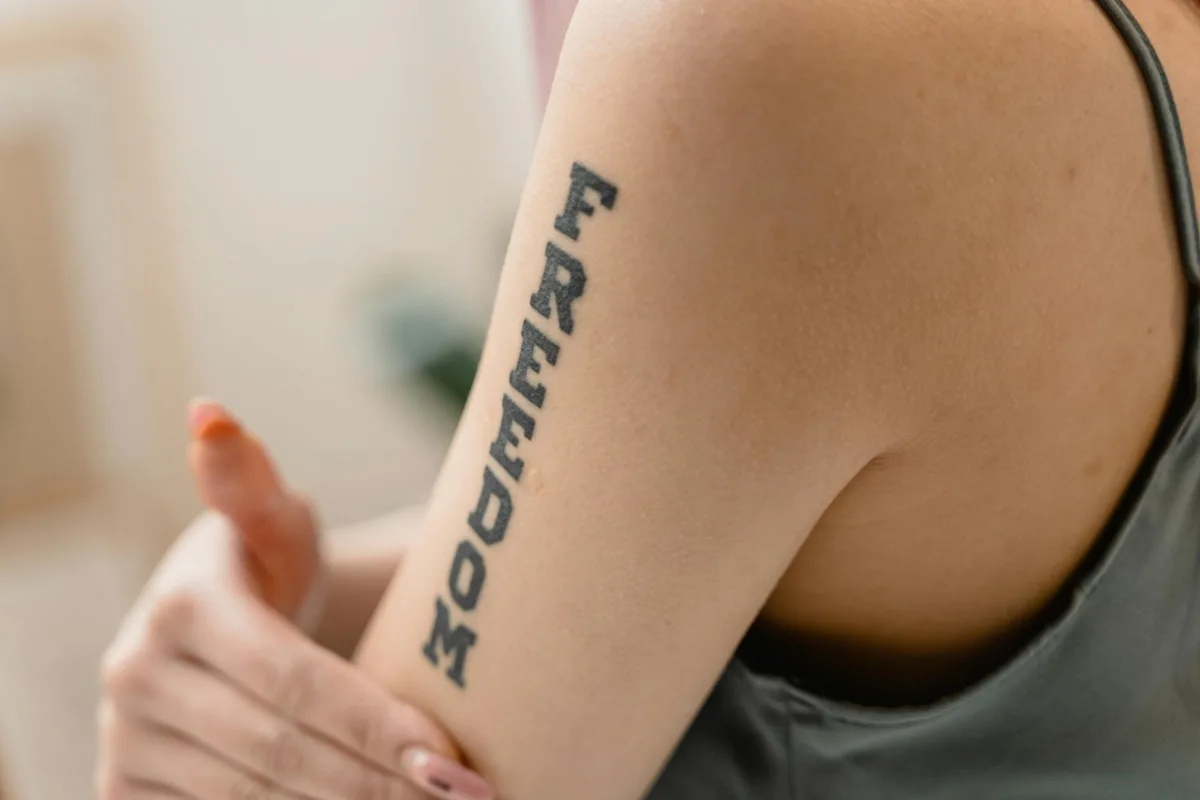
Think you know the full cost of a tattoo? Let’s uncover the hidden expenses! Many clients focus solely on the initial price, overlooking hidden tattoo costs like touch-ups and aftercare products. These expenses can vary significantly based on the tattoo’s size and complexity. For instance, larger or more intricate designs often require more frequent touch-ups to maintain their vibrant appearance.
Additionally, tattoo aftercare expenses can add up quickly. High-quality lotions, ointments, and sunscreens are essential for proper healing and longevity. To avoid surprises, budget for these additional costs upfront. First, we’ll discuss the importance of touch-ups and their impact on overall tattoo pricing.
The Importance of Touch-ups
Did you know that touch-ups can be a crucial part of your tattoo journey? Touch-ups are necessary to maintain the vibrancy and clarity of your tattoo. They are typically needed every few years, depending on the tattoo’s size and complexity. Tattoo touch-up costs can range from $50 to $200.
Many artists include touch-ups in the initial tattoo price, yet clients often remain unaware of this policy. Understanding the importance of tattoo maintenance ensures your artwork remains pristine. Next, we’ll cover essential aftercare products and services that can also contribute to tattoo costs.
Essential Aftercare Products and Services
Your tattoo deserves the best care—here’s what you need to know about aftercare costs! Investing in high-quality tattoo aftercare products can prevent complications and enhance the tattoo’s appearance over time, ultimately saving money in the long run. Essential aftercare for tattoos includes:
- Antibacterial Soap: Average cost: $5-$10. Keeps the tattoo clean and infection-free.
- Moisturizing Lotion: Average cost: $10-$20. Prevents dryness and promotes healing.
- Sunscreen: Average cost: $10-$15. Protects against UV damage, preserving color.
When choosing tattoo aftercare products, opt for fragrance-free and hypoallergenic options to avoid irritation. Now, let’s discuss how to choose a tattoo artist while balancing price and quality.
Choosing a Tattoo Artist: Balancing Price and Quality
Choosing the right tattoo artist can be daunting—here’s how to navigate the process!
- Research Potential Artists: Start by exploring online reviews and social media profiles. Look for artists with positive feedback and a strong online presence.
- Evaluate Portfolios: Many clients fail to consider the importance of artist portfolios in their decision-making process, which can lead to unsatisfactory results. Examine the artist’s previous work to ensure their style aligns with your vision.
- Compare Price Quotes: When evaluating tattoo artist quotes, consider both the price and the quality reflected in their portfolio. A higher cost often correlates with experience and skill.
- Make Your Decision: Balance your budget with the quality of work. Choose an artist whose style you love and whose prices fit within your financial plan.
Next, we’ll evaluate how to assess price quotes and quality to make an informed decision.
Researching Artists and Their Portfolios
Researching tattoo artists? Here’s what you need to know to find the perfect match!
- Start by evaluating portfolios to ensure the artist’s style aligns with your vision.
- Read tattoo artist reviews to gauge client satisfaction and professionalism.
- Schedule in-person consultations; they reveal much about the artist’s communication style.
Now, let’s discuss how to evaluate price quotes while ensuring quality.
Evaluating Price Quotes and Quality
Price quotes can be tricky—here’s how to evaluate them without sacrificing quality!
- Compare quotes by reviewing each artist’s experience and portfolio. This helps in evaluating tattoo price quotes effectively.
- Request a detailed tattoo cost breakdown to uncover hidden costs and make informed decisions.
- Focus on the quality of work, not just the price, to ensure a satisfying result.
Finally, we’ll discuss how to make the final decision on your tattoo artist.
Making the Final Decision
Ready to choose your tattoo artist? Here’s how to make the final decision with confidence!
- Review the artist’s portfolio and ensure their style matches your vision.
- Consider the studio’s hygiene standards and location.
- Check for positive reviews and recommendations.
- Trust your instincts; your comfort level with the artist is crucial.
- Compare pricing based on size, complexity, and custom design costs.
Many clients overlook their gut feelings about an artist, which can be crucial for a positive tattoo experience. Ensure you review all gathered information before making your choice. Let’s wrap up with some frequently asked questions about custom tattoo pricing.
FAQs About Custom Tattoo Pricing
Got questions about custom tattoo pricing? You’re not alone—let’s tackle the most common ones!
- How is custom tattoo pricing determined?
Prices are based on factors like size, complexity, and the artist’s experience. Learn more about tattoo pricing here.
- Are custom tattoos always expensive?
Many clients are surprised to learn that custom tattoos can sometimes be more affordable than expected when considering all elements of the process.
- What if I have specific questions?
Feel free to ask your tattoo artist for more details to ensure complete tattoo cost transparency.
First, let’s explore how tattoo artists calculate their pricing.
How Do Tattoo Artists Calculate Pricing?
Ever wondered how tattoo artists come up with their prices? Let’s break it down! Tattoo pricing calculation often involves a combination of hourly rates and flat fees. Artists consider factors like design complexity and their own experience level. For instance, an intricate design might require more time, thus increasing the cost.
Some artists use a tiered pricing system, leading to varying prices for similar designs. While one artist might charge a flat fee for a small tattoo, another might set prices based on their experience and the tattoo’s detail. Next, we’ll address whether custom tattoos are more expensive than flash tattoos.
Are Custom Tattoos More Expensive Than Flash Tattoos?
Is it true that custom tattoos are pricier than flash tattoos? Let’s find out! Generally, custom tattoos do come with a higher price tag compared to flash tattoos. This is due to the time and effort artists invest in creating unique designs tailored to individual clients. In a tattoo pricing comparison, flash tattoos are often less costly because they are pre-designed and require less preparation.
However, many clients report greater satisfaction with custom tattoos due to their personal significance. Testimonials often highlight the joy of wearing a piece that holds unique meaning. Now, let’s discuss what budget clients should set for a large custom tattoo.
What Should I Budget for a Large Custom Tattoo?
Thinking of getting a large custom tattoo? Here’s what you should budget for! Large custom tattoo pricing can range from $500 to $4,000 or more, depending on size and complexity. Factors like the artist’s experience and location significantly influence tattoo cost expectations. Urban areas typically charge more than rural ones. Consider your budget for a large tattoo and personal preferences before committing. This ensures you’re prepared for the investment. Next, we’ll explore whether all artists charge for touch-ups.
Do All Artists Charge for Touch-ups?
Are touch-ups an extra cost? Let’s clear up the confusion around this common question! Tattoo touch-up policies vary widely among artists and studios. Some artists include touch-ups in their initial pricing, considering it part of the tattoo aftercare costs. Others may charge separately, depending on their studio’s policy. It’s a misconception that all artists charge for touch-ups; many offer a complimentary session within a specific timeframe. Always discuss touch-up fees beforehand to avoid surprises. Finally, we’ll discuss how clients can save money on custom tattoos.
How Can I Save Money on a Custom Tattoo?
Want to get a custom tattoo without breaking the bank? Here are some savvy tips! First, consider booking your session during off-peak times, as artists may offer lower rates. Opting for simpler designs can also reduce costs significantly. Open communication with your tattoo artist about budget constraints is crucial; they can suggest adjustments to fit your financial plan.
- Book during off-peak times.
- Choose simpler designs.
- Discuss budget openly with your artist.
- Ask about discounts for referrals or repeat visits.
Many clients are unaware that some artists offer discounts for referrals or repeat customers, which can significantly reduce costs. Let’s summarize the key takeaways regarding pricing for custom tattoos.
Key Takeaways About Pricing for Custom Tattoos
As we wrap up, let’s highlight the essential takeaways about custom tattoo pricing! The cost of a custom tattoo is influenced by several factors, including the size of the design, its complexity, and the experience level of the artist. Larger and more intricate tattoos generally require more time and skill, leading to higher prices.
It’s crucial to budget for hidden costs such as touch-ups and aftercare products, which can add to the overall expense. Understanding these aspects can empower clients to make informed decisions about their body art. When choosing a tattoo, consider your personal preferences and budget to ensure satisfaction with your investment.
By keeping these key takeaways about custom tattoo pricing in mind, you can navigate the process with confidence. Book your consultation today to start designing your one-of-a-kind tattoo! This proactive approach ensures that your tattoo journey is both financially and artistically fulfilling.
Leave a Reply