Tattoos in Different Cultures: Key Facts and Impact
Tattoos have been an integral part of human culture for thousands of years, serving as symbols of identity, status, and personal expression. Across various societies, tattoos have not only adorned the body but also narrated stories, reflecting cultural values and beliefs.
The historical roots of tattoos can be traced back to ancient tribes and modern societies alike. Indigenous Polynesians used tattoos for spiritual protection and as a declaration of social status and tribal affiliation. Similarly, ancient Siberian nomads and Greeks employed tattoos to protect against evil and as a form of medicinal therapy. Read more.
In many cultures, tattoos play a crucial role in rites of passage and identity formation. In Japan, traditional tattooing practices, known as Horimono, have been used to signify personal beliefs and societal roles. Meanwhile, in the Indian subcontinent, tribal tattoos have long been a common practice, symbolizing community identity and spiritual beliefs. Read more.
Over time, the meanings of tattoos have evolved, mirroring societal changes and individual beliefs. In Polynesia, the art of Tatau has transformed from a tribal marker to a broader expression of cultural heritage. This evolution highlights how tattoos continue to adapt, serving as a dynamic form of storytelling and cultural identity.
Tattoos as Modern Cultural Expressions
Today, tattoos are not just body art; they are powerful statements of identity and personal beliefs, resonating deeply within modern culture. Tattoo artists draw inspiration from cultural symbols and motifs worldwide, incorporating elements like Polynesian Tatau or Japanese Horimono to create unique designs that honor these traditions. This fusion of styles reflects the global nature of modern tattoo culture.
In contemporary society, tattoos have become a form of personal expression and a tool for social movements. They are often used to signify support for causes such as feminism and LGBTQ+ rights, transforming bodies into canvases of advocacy. The influence of celebrity culture further propels tattoo trends, with many young people emulating the inked styles of their favorite stars.
As tattoos have evolved from a marginalized practice to a mainstream form of art, they mirror broader societal changes and individual empowerment. For a deeper dive into this transformation, explore the comprehensive overview of body painting and tattoos in modern culture.
Influence of Social Media on Tattoo Trends
Social media platforms have revolutionized the tattoo industry, turning once niche styles into global phenomena almost overnight. Platforms like Instagram and TikTok have democratized tattoo artistry, allowing diverse styles and voices to emerge. This global community of tattoo enthusiasts and artists facilitates rapid trend dissemination and cultural exchange, with viral tattoo trends shaping public perceptions and artist visibility.
Cultural Appropriation vs. Appreciation in Tattoos
The line between cultural appropriation and appreciation in tattoos is often blurred, leading to important discussions about respect and understanding. Cultural appropriation in tattoos occurs when designs are used without understanding their significance, sparking debates as seen with Native American motifs. Tattoo appreciation vs appropriation requires understanding tattoo cultures, as many designs hold deep historical and spiritual meanings.
| Aspect | Cultural Appropriation | Cultural Appreciation |
|---|---|---|
| Definition | Using cultural symbols without understanding or respect | Respectfully learning and honoring cultural significance |
| Example | Native American designs used superficially | Researching and respecting Polynesian tattoo traditions |
| Importance | Can lead to disrespect and trivialization | Fosters respect and deeper cultural connections |
Role of Tattoos in Contemporary Identity Formation
For many, tattoos are more than just ink on skin; they are powerful symbols of identity, marking personal journeys and beliefs. Tattoos serve as a form of self-expression, allowing individuals to narrate their unique life stories. In subcultures like punk, goth, and hip-hop, tattoos are significant, embodying shared values and community identity.
Cultural Tattoo Practices: Polynesia, Japan, and Beyond

In Polynesia, tattoos are not just art; they are a profound expression of identity, culture, and spirituality, deeply rooted in tradition. Among the Maori and Samoan cultures, tattoos, or tatau, hold significant historical and cultural importance. These intricate designs are more than decorative; they symbolize lineage, social status, and spiritual beliefs unique to each island community.
Traditional Polynesian tattooing involves methods passed down through generations. Artisans use tools made from natural materials like bone and wood to create these symbolic patterns. This painstaking process is not merely artistic but also a rite of passage, marking important life milestones and community roles.
The spiritual meanings associated with Polynesian tattoos are profound. They serve as a form of spiritual protection and a declaration of tribal affiliation, as noted in various cultures worldwide Read more. Through these tattoos, individuals express their connection to their ancestors and the spiritual world, reinforcing their place within the community.
The Significance of Tattoos in Polynesian Culture
Polynesian tattoos are steeped in tradition, often accompanied by rituals that celebrate heritage and personal milestones. These tattoos are integral to initiation ceremonies, marking significant life transitions and reinforcing community bonds. Common motifs, such as spirals and waves, symbolize ancestry and spirituality. Contemporary artists preserve these traditions while innovating new designs, ensuring the cultural significance of Polynesian tattoos endures.
For more on the historical significance of tattoos, visit Wikipedia.
Traditional Japanese Irezumi: Art and Meaning
Traditional Japanese Irezumi tattoos are renowned for their intricate designs and deep cultural meanings, reflecting centuries of artistry and tradition. Originating from ancient practices, Irezumi has evolved into a celebrated art form. Common motifs like koi fish symbolize strength and perseverance, while cherry blossoms represent the fleeting nature of life. This rich Irezumi symbolism continues to influence contemporary tattoo culture worldwide, highlighting the enduring Japanese Irezumi significance.
Tattooing Traditions in Other Asian Cultures
Across Asia, indigenous tattoo traditions reveal a rich tapestry of cultural identity, artistry, and personal expression, each with its own unique story. In Japan, tattoos in Ainu culture often symbolize spiritual protection and social status. Similarly, the Kayan of Myanmar utilize intricate patterns, with tattoos reflecting their identity and community values through unique techniques and natural materials.
Tattoo Traditions in Africa and the Middle East
In Africa, tattoos are more than mere decoration; they are vital expressions of cultural identity, often steeped in tradition and communal significance. Among African tribes, tattoos have historically served as powerful symbols of identity and community, representing personal achievements and social roles within the tribe. For example, in Maasai culture, tattoos are used in rites of passage, marking the transition from childhood to adulthood.
Different regions across Africa boast unique styles and meanings. The Himba people, for instance, use tattoos to signify social status and tribal affiliation. These designs often incorporate intricate patterns that are unique to their cultural heritage. Tattoos served different purposes, such as spiritual protection and medicinal therapy, further highlighting their multifaceted roles in society.
Contemporary African tattoo artists are now blending these traditional practices with modern influences, creating a vibrant tapestry of old and new. This fusion not only preserves ancient customs but also introduces them to a global audience, ensuring their continued relevance and appreciation.
African Tribal Tattoos: Symbols and Stories
African tribal tattoos are deeply symbolic, often representing personal stories and communal identities through intricate designs and motifs. Common symbols include animals, nature, and abstract patterns, each carrying unique meanings. These tattoos often mark rites of passage or signify societal roles, such as warrior or marital status, weaving storytelling into the fabric of tattoos in African culture.
Henna and Other Tattoo Practices in the Middle East
In the Middle East, henna tattoos are not just body art; they are vibrant expressions of culture and celebration, often marking significant life events. These temporary tattoos carry significant cultural weight, symbolizing beauty, celebration, and community. Henna designs are particularly popular during weddings and other important occasions, contrasting with more permanent tattoo practices in the region.
Cultural Significance and Modern Adaptations
As globalization influences tattoo artistry, traditional practices in Africa and the Middle East are evolving, creating a dynamic landscape of cultural expression. Modern tattoo practices in Africa blend ancient techniques with contemporary styles, while Middle Eastern tattoo evolution often merges traditional motifs with modern aesthetics. This intersection presents both challenges and opportunities for artists, fostering innovative blends of styles and techniques.
Globalization’s Impact on Traditional Tattoo Practices
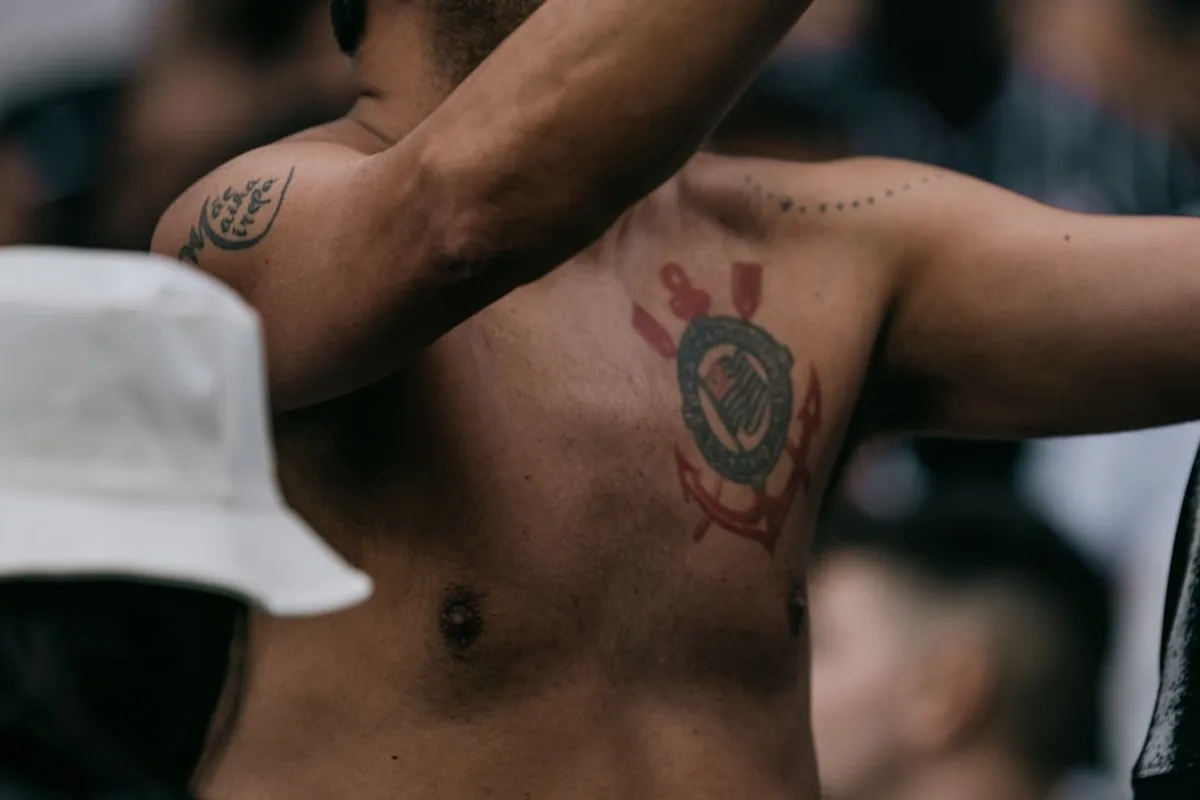
Globalization has transformed the tattoo landscape, blending diverse styles and practices while also challenging the integrity of traditional forms. As tattoo fusion styles emerge, elements from Polynesian tatau or Japanese horimono are frequently incorporated into modern designs, creating a melting pot of tattoo artistry. However, this fusion raises concerns about cultural dilution and the commercialization of sacred symbols. Traditional tattoos, once rich in cultural significance, risk losing their original meanings as they become commodified and detached from their roots.
International tattoo conventions play a pivotal role in this cultural exchange, offering platforms for artists worldwide to collaborate and share techniques. These events promote understanding and appreciation of diverse tattooing traditions, yet they also contribute to the blending of styles that can overshadow unique cultural identities. For instance, the spiritual and social significance of tattoos in Polynesian culture, which historically served as markers of social status and protection read more, may be overshadowed by their aesthetic appeal in global markets.
Fusion of Styles Across Cultures
The blending of tattoo styles from different cultures has given rise to innovative designs that celebrate diversity and creativity. Artists are merging traditional Japanese Horimono with Polynesian Tatau techniques, crafting hybrid tattoo designs that reflect cultural influences in tattooing. Notable artists are renowned for their fusion tattoo styles, creating pieces that resonate globally through a shared appreciation for diverse cultural influences.
Preservation of Indigenous Tattoo Techniques
As traditional tattoo techniques face the threat of extinction, various initiatives are working tirelessly to preserve these invaluable cultural practices. Organizations are documenting and reviving traditional tattoo heritage, emphasizing the importance of cultural preservation in tattooing. Community engagement plays a crucial role, fostering pride and identity amid globalization. These efforts ensure the cultural significance of indigenous tattoos endures for future generations.
Environmental and Ethical Considerations in Tattooing
As awareness of environmental issues grows, the tattoo industry is evolving, with many artists now prioritizing sustainability in their ink and practices. The environmental impact of tattoos is significant, particularly concerning the chemicals in traditional inks. These inks often contain heavy metals and other toxic substances that can harm ecosystems when disposed of improperly.
In response, there is a growing demand for non-toxic, vegan inks that are less harmful to the environment. These sustainable tattoo inks are free from animal products and harsh chemicals, aligning with eco-friendly tattoo practices. Artists and studios are increasingly adopting these alternatives, leading the way in minimizing the industry’s environmental footprint.
For example, some tattoo studios are committed to using only vegan inks and biodegradable materials, setting a standard for ethical practices. This shift is not just a trend but a necessary evolution as the tattoo community recognizes its responsibility towards the planet. By choosing eco-friendly options, both artists and clients contribute to a more sustainable future.
Sustainable Tattoo Inks and Practices
With a rising demand for eco-friendly options, sustainable tattoo inks are becoming a viable choice for both artists and clients seeking to minimize their environmental impact. These non-toxic tattoo inks often use natural pigments and avoid heavy metals, reducing harm to both the skin and the planet.
However, tattoo artists face challenges in sourcing these eco-friendly materials, as availability and cost can vary. Consumer awareness plays a crucial role in driving demand for sustainable tattooing options, encouraging more suppliers to offer these environmentally conscious products.
Ethical Issues in Tattoo Artistry
Ethical considerations in tattoo artistry are paramount, as artists navigate the complexities of cultural significance and client consent. Ethical tattoo artistry involves not only technical skill but also a deep respect for cultural meanings and the importance of informed consent in tattooing. Artists must ensure clients understand the cultural sensitivity in tattoos, particularly for designs like Tatau in Polynesia or Horimono in Japan. Educating clients about these meanings is crucial to maintaining respect for cultural heritage.
Frequently Asked Questions About Tattoos in Different Cultures
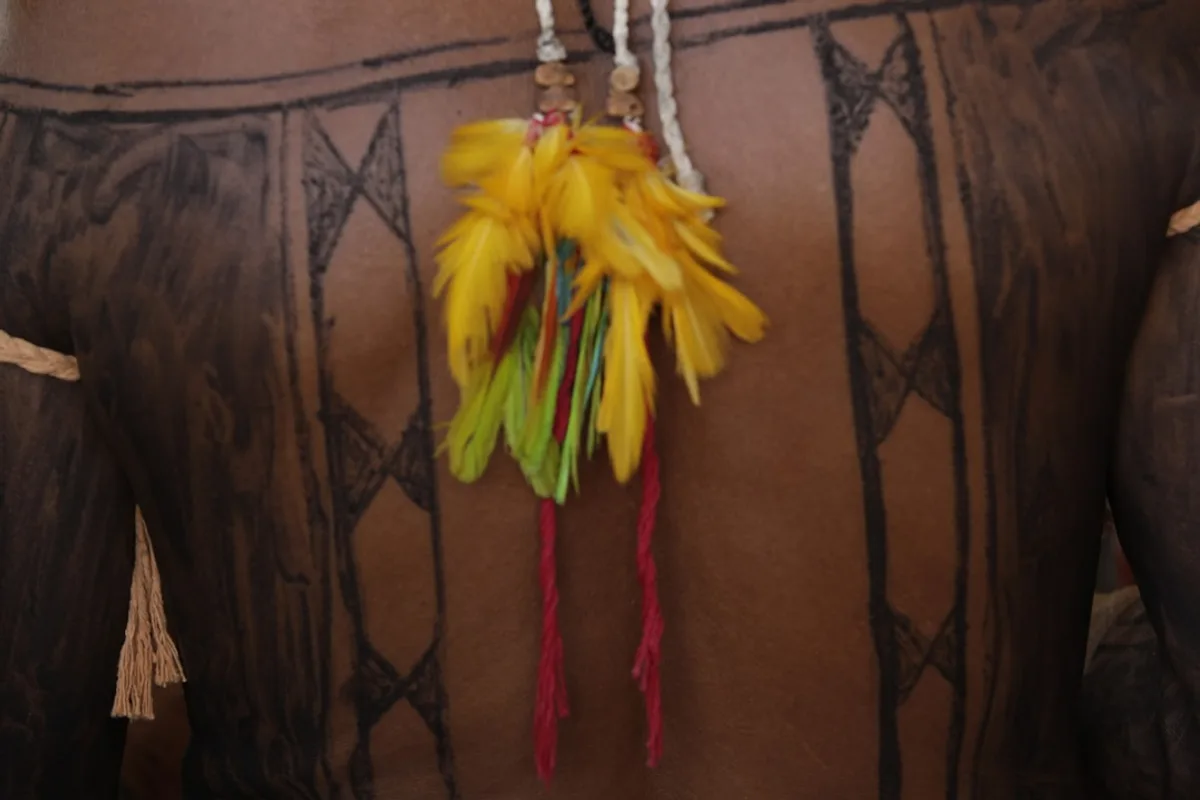
Explore the historical significance and cultural meanings of tattoos across the world. From Polynesian tatau to Japanese horimono, each tradition tells a unique story. For more on the diverse purposes tattoos served, visit Smithsonian Magazine.
What are the most common cultural tattoo symbols?
Cultural tattoo symbols often carry deep meanings and historical significance. Among the most recognized is the Maori koru, symbolizing new life and growth, reflecting the natural patterns of the fern frond. In Egyptian culture, the Ankh is a prevalent symbol, representing eternal life. Polynesian tattoos, or Tatau, are rich in cultural heritage, often indicating social status or tribal affiliation as noted by various sources. Japanese traditional tattoos, known as Horimono, are intricate and often depict mythical creatures or natural elements, each with unique meanings. These symbols are more than mere body art; they are a testament to the cultural narratives and spiritual beliefs of the societies from which they originate.
How do cultural tattoos differ globally?
Cultural tattoos differ significantly across the globe, each imbued with unique meanings and significance. In Africa, tribal tattoos often signify social status or tribal affiliation, serving as a form of identity and protection. Conversely, in Japan, the traditional art of Irezumi is deeply rooted in history, often representing spiritual and protective symbols through intricate designs. Polynesian tattoos, known as Tatau, are rich in cultural heritage, symbolizing strength and protection, and are applied through traditional methods that have been passed down through generations. Each tattoo tells a story, reflecting the cultural practices and beliefs of its origin. For more on the historical significance of tattoos in various cultures, visit Smithsonian Magazine.
Are there any cultural restrictions on tattooing?
Cultural restrictions on tattooing can vary widely, often rooted in historical, spiritual, or societal beliefs that dictate who may receive tattoos. In some indigenous cultures, tattoos are reserved for specific individuals or ceremonies, serving as markers of social status or spiritual protection. For example, traditional tattooing practices in Polynesia, such as Tatau, are deeply intertwined with cultural identity and heritage. Similarly, in Japan, Horimono tattoos have historical significance and are often linked to spiritual beliefs.
Religious views on tattoos also play a significant role in shaping cultural restrictions. Certain religions discourage body modifications, viewing tattoos as alterations of the body that conflict with spiritual teachings. These restrictions often stem from deeply held beliefs about the body, spirituality, and community values, influencing who can get tattoos and in what contexts.
How has tattooing evolved over the centuries?
Tattooing has undergone significant transformations over the centuries, evolving from sacred traditions to a celebrated art form that embraces individuality. Historically, tattoos served various purposes, such as spiritual protection, medicinal therapy, and declarations of social status or tribal affiliation. For instance, Indigenous Polynesians and ancient Siberian nomads used tattoos for protection against evil Read more. Over time, the evolution of tattooing reflects broader societal changes, shifting from sacred rituals to personal expression and artistic innovation in contemporary culture. Modern tattoo techniques and the introduction of new inks have expanded the possibilities for creativity and customization, allowing tattoos to become a unique form of self-expression. This evolution mirrors the dynamic nature of cultural practices, where traditional meanings blend with modern artistic trends.
What should I consider before getting a culturally significant tattoo?
Getting a culturally significant tattoo requires careful consideration of its meaning, context, and the potential implications of cultural appropriation. Begin by researching the design’s meaning and understanding the cultural context behind it. This ensures that the tattoo is a respectful representation of the culture it originates from. Consulting with knowledgeable artists can provide valuable insights into the cultural significance and help avoid appropriation. These artists can guide you in respecting tattoo cultures and ensure that the art is honored appropriately.
Approaching culturally significant tattoos with respect and awareness is essential to honor the traditions and meanings behind them, fostering a deeper connection to the art. For instance, tattoos in Polynesia often signify tribal affiliation or spiritual protection Read more.
Key Takeaways About Tattoos Across Cultures
Tattoos serve as a powerful medium of expression, reflecting the rich tapestry of cultural meanings and personal stories that span the globe. Across different cultures, tattoos have been used for spiritual protection, social status declaration, and tribal affiliation, among other purposes. For instance, Indigenous Polynesians and ancient Siberian nomads utilized tattoos to protect from evil and signify tribal identity. Read more.
The cultural significance of tattoos is vast, with practices like the intricate Ta Moko of New Zealand and the spiritual Sak Yant of Thailand highlighting their deep-rooted traditions. Understanding tattoos as a blend of personal expression and cultural significance allows for a richer appreciation of this ancient art form. It is crucial to approach tattoo artistry with cultural sensitivity and ethical considerations, ensuring respect for the traditions and meanings behind these symbols.
Exploring tattoos across cultures can be a deeply personal journey, offering a unique opportunity to embrace individual expression while honoring cultural heritage. Whether inspired by the traditional Horimono of Japan or the symbolic Henna of India, tattoos can be a meaningful way to tell your story. Book your consultation today to start designing your one-of-a-kind tattoo, and embark on a journey that respects cultural significance while celebrating your individuality.
Leave a Reply