
Why Tattoo Touch-Ups Are Essential for Longevity
Over time, tattoos can lose their vibrancy and clarity, making touch-ups essential for preserving their beauty. Tattoo touch-ups play a crucial role in maintaining the original design’s integrity and ensuring that your ink remains a true representation of your personal story and style.
Tattoos naturally fade due to factors like sun exposure, skin type, and the body’s natural exfoliation process. These elements can cause colors to dull and lines to blur, especially in intricate designs. Regular touch-ups help maintain the vibrancy and clarity of your tattoo colors, keeping them as bold as the day they were inked.
Moreover, touch-ups are vital for preserving the original design’s integrity. For tattoos with detailed patterns, even minor fading can significantly alter the appearance. By scheduling regular touch-ups, you can extend the life of your tattoo significantly, ensuring it remains a lasting testament to your personal expression.
Identifying When Your Tattoo Needs a Touch-Up
Recognizing the signs that your tattoo needs a touch-up can save you from permanent fading. Common tattoo touch-up signs include fading colors and blurring lines. These issues can be exacerbated by environmental factors like sun exposure and skin type variations, which affect how quickly tattoos may deteriorate.
Consulting with a professional tattoo artist is crucial for personalized assessments of your tattoo’s condition. They can advise on when to touch up a tattoo, ensuring it maintains its quality over time. Understanding your tattoo’s condition can prevent unnecessary touch-ups. For more on tattoo maintenance tips, explore the legal aspects of tattoo designs to protect your artwork.
Signs Your Tattoo Requires a Refresh
From color fading to line distortion, there are several clear signs that your tattoo may need a refresh. Tattoo fading signs include dull colors and blurred lines. Additionally, skin irritation or aging can distort your tattoo’s appearance. Regularly monitoring your tattoo’s condition helps catch fading early, allowing for timely touch-ups. For more on tattoo styles and their significance, explore this guide.
Factors That Influence the Timing of Touch-Ups
Several factors, including your skin type and lifestyle, can significantly influence when your tattoo needs a touch-up. Oily skin may cause ink to fade faster, while frequent sun exposure can also lead to quicker fading. The quality of tattoo ink and the application technique are crucial influencing factors for touch-ups. Additionally, different tattoo styles, such as watercolor or traditional, may require varying touch-up schedules. Understanding these factors can help you create a personalized touch-up schedule that fits your lifestyle and tattoo type.
Common Misconceptions About Tattoo Touch-Ups
Many misconceptions about tattoo touch-ups can lead to confusion and unnecessary costs for tattoo owners. One myth is that touch-ups are only necessary for poorly done tattoos. In reality, even well-executed tattoos may need a touch-up over time. Another misconception is that all tattoos require frequent touch-ups, which isn’t true for everyone.
It’s also important to differentiate between a touch-up and a cover-up. A touch-up involves refreshing the existing design, while a cover-up replaces it with a new one. Lastly, some believe touch-ups will completely restore a tattoo to its original state, but they typically enhance rather than fully restore.
The Tattoo Touch-Up Process Explained

Understanding the tattoo touch-up process can help you feel more prepared and less anxious about the experience. Typically, a touch-up session begins with a consultation where you and your artist discuss the areas needing attention. Preparation involves cleaning the tattooed area to ensure a smooth application.
During the touch-up, artists use techniques to restore color vibrancy and sharpen lines, maintaining the tattoo’s integrity. Communication is key; clearly express your expectations and any concerns to your artist. This dialogue ensures both parties are aligned on the desired outcome. Knowing what to expect can alleviate anxiety and prepare you for a smooth touch-up experience.
What to Expect During a Touch-Up Session
During a touch-up session, you can expect a thorough assessment of your tattoo and a careful approach to restore its beauty. Initially, the artist evaluates the tattoo’s condition, identifying areas needing enhancement. The actual tattooing process may involve some discomfort, but pain management techniques like numbing creams can help. Typically, a touch-up takes less time than the original session, often lasting under an hour. Being prepared for the touch-up process can enhance your overall experience and satisfaction with the results. For more insights, visit Tattoo Touch Up Etiquette.
Differences Between Touch-Ups and Full Redos
While touch-ups restore faded tattoos, full redos involve a complete reworking of the design, often requiring different considerations. A tattoo touch-up vs redo decision hinges on the tattoo’s condition. Touch-ups are cost-effective for minor fading, whereas full redos may be necessary for outdated designs or extensive damage, incurring higher costs.
Choosing the Right Artist for Your Touch-Up
Choosing the right artist for your tattoo touch-up is crucial for achieving the best possible results. An artist familiar with your tattoo style can ensure continuity and maintain the original design’s integrity. If possible, return to the original artist. If not, research artists with similar styles and review their portfolios to find the best artist for a tattoo refresh.
Comprehensive Tattoo Touch-Up Aftercare
Proper aftercare is crucial for maintaining the vibrancy of your tattoo after a touch-up. Follow these tattoo aftercare tips to ensure your ink heals beautifully:
- Keep it Clean: Gently wash the area with mild soap and lukewarm water. Pat dry with a clean towel.
- Avoid Sun Exposure: Protect your tattoo from direct sunlight as UV rays can fade the colors.
- Moisturize Wisely: Apply a thin layer of fragrance-free moisturizer to prevent dryness, but avoid over-moisturizing.
- Resist Scratching: Do not scratch or pick at the tattoo to avoid infection and ink loss.
- Stay Dry: Avoid swimming or soaking the tattoo in water during the healing process.
Proper post touch-up care is essential for ensuring the longevity and vibrancy of your freshly touched-up tattoo.
Immediate Aftercare Tips Post Touch-Up
Immediate aftercare is vital to ensure your tattoo heals properly and maintains its beauty. Follow these tattoo healing tips to prevent complications and ensure a smooth healing process:
- Keep the tattoo clean by gently washing it with mild soap and water.
- Avoid wearing tight clothing that might irritate the area.
- Apply ointment as directed by your tattoo artist to keep the skin moisturized.
- Monitor the tattoo for any signs of infection, such as redness or swelling.
Long-Term Care to Maintain Your Tattoo’s Freshness
Long-term care practices are essential for keeping your tattoo looking fresh and vibrant for years to come. Incorporating these practices can significantly enhance the lifespan and appearance of your tattoo.
- Moisturize regularly: Keep your tattoo hydrated to prevent fading and cracking.
- Protect from sun: Use sunscreen to shield your tattoo from harmful UV rays.
- Stay hydrated: Drinking water supports skin health and tattoo longevity.
- Maintain a balanced diet: Nutrient-rich foods promote skin regeneration.
- Regular assessments: Check your tattoo’s condition periodically to decide if further touch-ups are needed.
Products Recommended for Tattoo Aftercare
Using the right aftercare products can enhance the healing process and preserve the vibrancy of your tattoo. Here are some of the best tattoo aftercare products:
- Fragrance-Free Lotions: Opt for lotions without perfumes to avoid irritation.
- Tattoo-Specific Ointments: These are formulated to support healing and maintain color.
- Avoid Harmful Ingredients: Steer clear of products with alcohol or petroleum, which can damage your tattoo.
Tattoo Touch-Up Costs: What to Expect
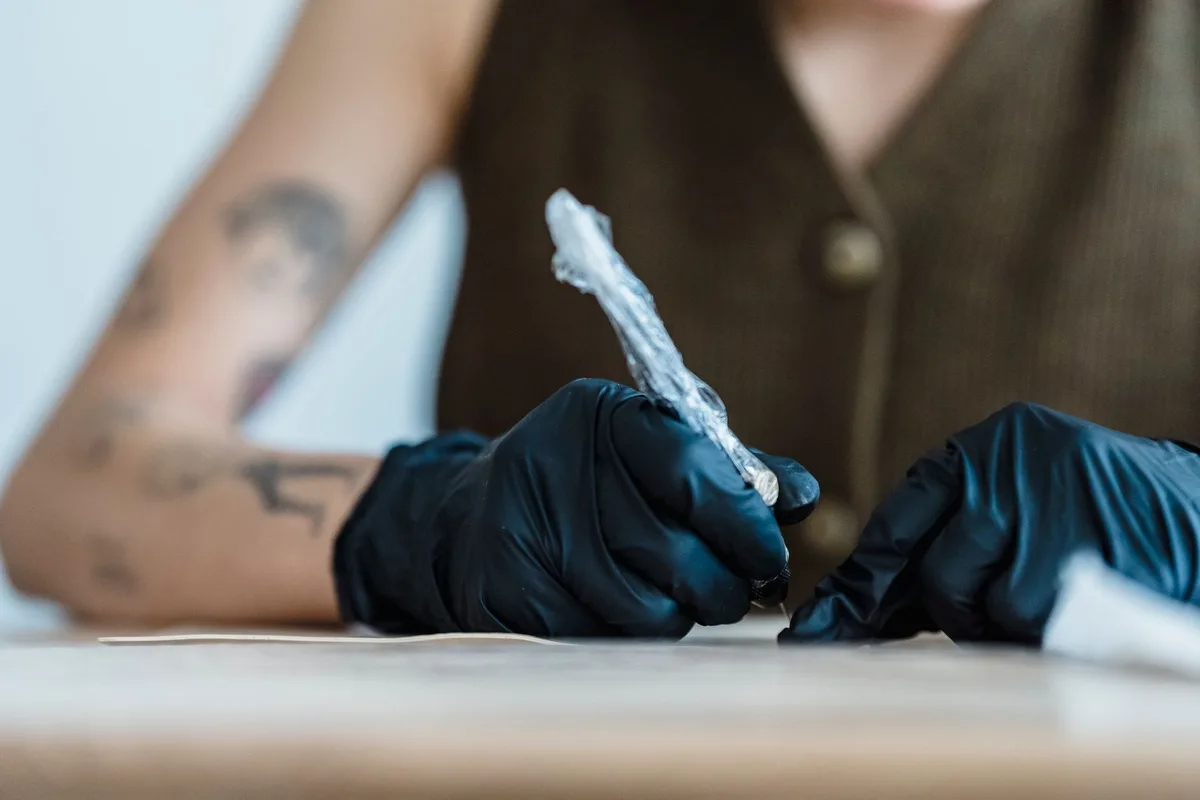
Tattoo touch-up costs can vary widely based on several factors, making it important to understand what to expect. Generally, the cost of a touch-up depends on the size and complexity of the tattoo. Smaller, simpler designs may require less time and effort, resulting in lower costs, while larger or more intricate tattoos could demand more work and thus, higher fees.
Regionally, tattoo touch-up costs can fluctuate across the U.S. In urban areas with a high demand for tattoo services, prices might be steeper compared to rural regions. For example, a touch-up in a major city could cost significantly more than in a small town due to the higher cost of living and increased demand.
To budget effectively for tattoo maintenance and touch-ups, consider setting aside a small amount regularly. This proactive approach ensures that when your tattoo shows signs of fading or needs a refresh, you’re financially prepared. Understanding these cost factors can help you plan financially for tattoo maintenance and ensure you get the best value.
If you’re wondering, “How much do touch-ups cost?” it’s essential to consult with your tattoo artist. They can provide a more accurate estimate based on your specific tattoo and regional pricing trends. For more insights on tattoo touch-up etiquette, you can visit Reddit’s tattoo advice forum.
Tailored Tattoo Touch-Up Advice for Different Skin Types
Different skin types require unique tattoo touch-up advice to ensure the best results and longevity. For those with oily skin, it’s crucial to maintain a consistent aftercare routine that includes gentle cleansing and oil-free moisturizers to prevent excess sebum from affecting the tattoo’s appearance. Individuals with dry or sensitive skin should focus on hydration, using fragrance-free lotions to avoid irritation during the healing process.
When it comes to darker skin tones, special techniques like using vibrant inks and ensuring proper sun protection can help maintain the tattoo’s vibrancy and longevity. Understanding how your skin type affects tattoo care can lead to better results and longer-lasting tattoos.
Touch-Up Recommendations for Oily Skin
Oily skin can complicate tattoo maintenance, but with the right advice, you can keep your ink looking fresh. Excess oil can hinder healing, necessitating more frequent touch-ups. To manage tattoos on oily skin, use oil-free moisturizers and gentle cleansers. Avoid heavy creams that trap oil. Managing oil production effectively enhances tattoo longevity and appearance.
Caring for Tattoos on Dry and Sensitive Skin
Dry and sensitive skin requires special attention to ensure your tattoos heal beautifully and remain vibrant. Tattoo care for sensitive skin involves keeping the area well-hydrated using fragrance-free moisturizers. Opt for gentle products to avoid irritation, as dry skin tattoo maintenance is crucial for preserving color. Understanding these challenges helps maintain your tattoo’s vibrancy effectively.
Special Considerations for Darker Skin Tones
Tattooing on darker skin tones presents unique challenges that require specialized care and techniques. Ink visibility and fading are common concerns, necessitating specific techniques and inks to ensure tattoos remain vibrant and true to design. Tailored aftercare, such as moisturizing and sun protection, is crucial for effective tattoo maintenance on darker skin tones. This touch-up advice for dark skin helps maintain vibrancy.
FAQs About Tattoo Touch-Ups
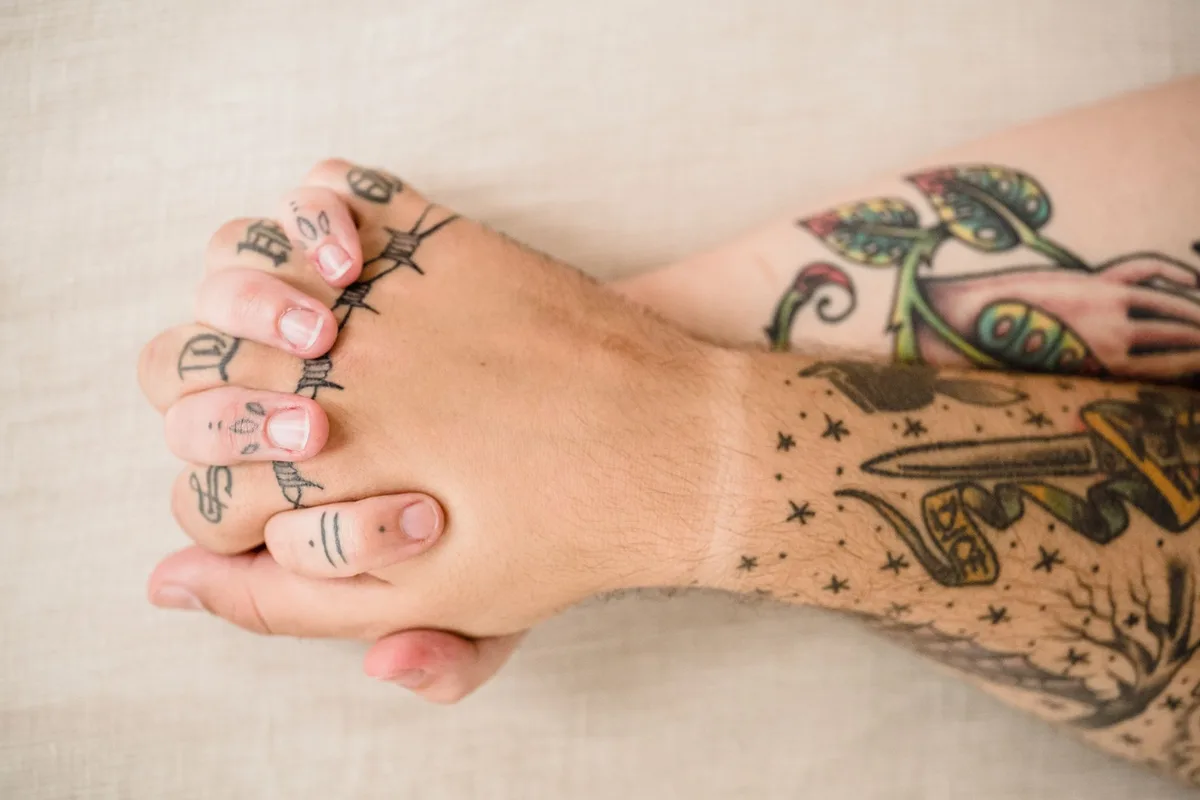
What is a tattoo touch-up? A tattoo touch-up involves refreshing the ink and lines of an existing tattoo to restore its original vibrancy and detail.
Signs your tattoo needs a touch-up? Fading colors, blurred lines, or uneven shading are common indicators that a touch-up might be necessary.
When to get a tattoo touch-up? It’s typically recommended to wait until your tattoo is fully healed, which can take several months. For more detailed advice, visit Reddit’s tattoo advice.
How Often Should You Get a Tattoo Touch-Up?
Generally, tattoos require touch-ups every few years to maintain their vibrancy and clarity. The frequency depends on factors such as the tattoo’s location, size, and the care it receives. For instance, tattoos exposed to sunlight may fade faster, necessitating more frequent touch-ups. Regular moisturizing and sun protection can extend the time between sessions. If you notice fading or blurred lines, it might be time for a touch-up. For more insights on tattoo touch-ups, you can explore discussions on Reddit.
Can You Avoid Needing a Touch-Up?
While you can’t completely avoid touch-ups, there are effective strategies to minimize their necessity. Proper tattoo care can significantly extend its life and reduce touch-up frequency. Factors such as skin type, sun exposure, and tattoo placement play a crucial role in how quickly a tattoo fades. Regular moisturizing and diligent sun protection are essential tattoo care tips that help maintain vibrancy. By preventing tattoo touch-ups through proactive care, you can enjoy your ink’s brilliance for longer, though some fading over time is inevitable.
What Is the Best Time of Year for a Tattoo Touch-Up?
Choosing the right time of year for a tattoo touch-up can significantly impact the healing process. Late spring and early fall are often considered the best times for tattoo touch-ups due to milder weather conditions. These seasons help avoid the intense summer sun, which can cause fading during healing. Additionally, scheduling touch-ups when your skin is less exposed to environmental stressors, such as harsh winds or extreme temperatures, can enhance healing and preserve the quality of your tattoo. By timing your touch-up wisely, you ensure better seasonal tattoo care and long-lasting results.
Does a Touch-Up Hurt More Than the Original Tattoo?
Many find that touch-ups are less painful than the original tattoo, but experiences can vary. Generally, tattoo touch-up pain is milder since the process involves less extensive work, focusing on specific areas rather than the entire tattoo. However, pain sensitivity differs among individuals and can depend on the tattoo’s location. Understanding pain expectations can help alleviate anxiety about the touch-up process. While some may experience discomfort, the pain comparison for a tattoo touch-up often leans towards being less intense than the initial tattooing session.
How Long Does It Take for a Touch-Up to Heal?
Understanding the healing timeline for touch-ups can help you manage expectations and care effectively. Typically, the healing time for a tattoo touch-up is similar to that of the original tattoo, taking around 2-3 weeks. Factors such as the size of the tattoo and your skin type can influence how long for a touch-up to heal. Proper tattoo aftercare is essential and can expedite the healing process. Knowing this tattoo touch-up healing time allows you to plan your aftercare and activities accordingly, ensuring optimal results.
Key Takeaways About Tattoo Touch-Up Advice
Regular touch-ups and diligent aftercare are vital for keeping your tattoos looking their best over the years. A tattoo touch-up summary reveals that these sessions are crucial for maintaining the longevity and vibrancy of your body art. Over time, tattoos can fade due to sun exposure, skin shedding, and other factors, making touch-ups necessary to preserve their original beauty.
Proper aftercare is equally important in maintaining tattoo quality. This includes keeping the tattoo moisturized and protected from the sun. By following these steps, you can significantly extend the life of your tattoo and keep it looking fresh.
Consulting with your tattoo artist is essential for personalized advice on when and how often to get touch-ups. They can provide guidance tailored to your specific tattoo and skin type. Remember, regular touch-ups, combined with proper care, are essential for preserving the beauty of your tattoos over time. Book your consultation today to start designing your one-of-a-kind tattoo!
Leave a Reply