Why Tattoo Aftercare Is Crucial for Longevity
Proper tattoo aftercare is essential to ensure your new ink remains vibrant and free from infection. Effective aftercare not only preserves the tattoo’s appearance but also minimizes the risk of long-term skin damage and fading. This care is vital for maintaining the quality and longevity of your tattoo.
The healing process of a tattoo involves several stages, each requiring specific attention. Initially, the tattoo will scab, and during this time, it’s crucial to keep the area clean and moisturized to prevent cracking and ink loss. As the tattoo begins to peel, gentle care is necessary to avoid pulling off skin prematurely, which can lead to patchiness.
Neglecting aftercare can lead to infections and complications, potentially distorting the tattoo’s design. Infections can arise from bacteria entering the open wound, emphasizing the importance of keeping the tattoo clean and protected. Additionally, avoiding sun exposure and submerging the tattoo in water during the healing phase can prevent fading and disruption of the ink source.
Understanding what to avoid is key to successful tattoo healing. By following these tattoo longevity tips and caring for your new tattoos diligently, you ensure that your body art remains a source of pride for years to come.
What to Avoid After Getting a Tattoo for Optimal Healing
Your tattoo’s healing process is delicate, and certain actions can jeopardize its outcome significantly. To ensure your new ink heals beautifully, avoid sun exposure for at least two weeks. The sun can cause fading and irritation, which can compromise the tattoo’s appearance. Similarly, refrain from submerging your tattoo in water, such as in baths or swimming pools, during this period to reduce the risk of infection.
Wearing tight clothing is another pitfall to avoid. Tight garments can rub against the tattoo, causing irritation and potentially affecting the healing process. Opt for loose-fitting clothes that allow your skin to breathe. Additionally, resist the urge to pick or scratch at your tattoo, as this can lead to scarring and ink loss.
Lastly, steer clear of petroleum-based products, which can clog pores and hinder healing. Instead, follow recommended post-tattoo care advice to support optimal recovery. Each of these avoidance strategies addresses common pitfalls that can lead to complications during the crucial healing phase.
Common Mistakes That Can Harm Your New Tattoo
Even with the best intentions, many new tattoo owners make critical mistakes that can jeopardize their ink’s beauty. Overwashing your tattoo can strip away natural oils, delaying the healing process. Additionally, using harsh soaps can irritate the skin and compromise the tattoo’s integrity. Many people overlook the importance of following specific aftercare instructions, leading to preventable issues. Understanding sun exposure is crucial for protecting your new tattoo.
The Impact of Sun Exposure on Fresh Tattoos
Sun exposure can be one of the most detrimental factors for a fresh tattoo, leading to premature fading and skin damage. UV rays can significantly fade tattoo ink, especially during the healing phase. It is recommended to avoid sun exposure for about two weeks after getting a tattoo. Once healed, applying sunscreen is crucial to maintain the tattoo’s vibrancy and prevent fading. Understanding the relationship between sun exposure and tattoo longevity can help tattoo owners make informed choices about outdoor activities.
Why Over-Moisturizing Is a No-Go
While keeping your tattoo moisturized is important, too much moisture can lead to unexpected complications during healing. Over-moisturizing can clog pores, impeding the healing process and causing excessive peeling or irritation. To avoid these effects, apply a thin layer of moisturizer just enough to keep the skin supple. Finding the right balance in moisturizing is essential; too little can lead to dryness, while too much can create complications. Understanding how skin types affect tattoo healing is essential for personalized care.
How Different Skin Types Influence Tattoo Healing

Your skin type plays a crucial role in how well your tattoo heals and how vibrant it remains over time. For those with oily skin, the healing process can be prolonged due to excess sebum, which may lead to ink blurring. In such cases, tattoo aftercare for oily skin should include gentle cleansing to manage oil levels without over-drying.
Conversely, individuals with dry skin might experience excessive flaking, which can disrupt the healing process. These individuals need to adopt moisturizing techniques that keep the skin hydrated without causing irritation. Using fragrance-free lotions can help maintain moisture balance effectively.
Sensitive skin types often react more severely to certain aftercare products, necessitating careful selection to avoid irritation. Opting for hypoallergenic products can mitigate adverse reactions and support smoother healing.
Recognizing your skin type can empower you to tailor your aftercare routine for optimal results. Understanding these nuances ensures that your tattoo remains a vibrant piece of art. Let’s delve into the specific challenges for oily versus dry skin.
Tattoo Healing Challenges for Oily vs. Dry Skin
Tattoo healing is not one-size-fits-all; your skin type can significantly impact the process and results. Understanding the unique challenges posed by different skin types can help tattoo owners adopt effective aftercare strategies.
| Skin Type | Challenges | Recommended Care |
|---|---|---|
| Oily Skin | Ink blurring, prolonged healing | Use lighter, non-comedogenic moisturizers to prevent breakouts |
| Dry Skin | Excessive flaking, scabbing | Intensive moisturizing is required |
For more insights on tattoo care, visit Mad Rabbit.
Special Considerations for Sensitive Skin
If you have sensitive skin, your tattoo aftercare routine must be carefully curated to avoid irritation and promote healing. Sensitive skin may react adversely to certain aftercare products, leading to irritation or allergic reactions. To prevent this, always patch test new products before applying them to a fresh tattoo. Opt for gentle, hypoallergenic products specifically designed for sensitive skin to ensure effective and comfortable healing.
Personal Stories: Tattoo Healing Journeys
Every tattoo tells a story, and the healing process is often just as significant as the ink itself. Many individuals have shared their tattoo healing stories, revealing both emotional and physical challenges they faced. For instance, one person recounted how avoiding sun exposure was crucial, as a sunburn could severely impact the healing tattoo. This aligns with advice from Hustle Butter about the importance of protecting new tattoos from sunlight.
Another story highlighted the discomfort caused by wearing tight clothing over a fresh tattoo, echoing guidance from Club Tattoo to avoid restrictive garments. These personal tattoo experiences offer valuable lessons from tattoo aftercare, emphasizing the need for careful consideration of clothing choices and exposure to elements.
Personal anecdotes can shed light on the diverse experiences of tattoo healing, offering insights into effective aftercare practices. Such stories not only provide comfort to those embarking on their own healing journey but also highlight common pitfalls to avoid. Let’s explore common lessons learned from tattoo aftercare experiences.
Lessons Learned from Tattoo Aftercare Experiences
Through shared experiences, many tattoo owners discover valuable lessons that can enhance their aftercare practices. Patience and adherence to aftercare instructions are frequently emphasized in personal stories. The collective wisdom from these experiences highlights the importance of avoiding sun exposure and tight clothing, which can impede healing. Engaging with community support provides additional tattoo healing advice, offering guidance and reassurance. Let’s address common obstacles faced during tattoo healing.
Overcoming Common Tattoo Healing Obstacles
Navigating the tattoo healing process can be fraught with challenges, but understanding them can lead to smoother recovery. Common tattoo healing obstacles include infection, allergic reactions, and poor aftercare practices. Overcoming these issues involves seeking professional help when needed and staying informed about potential challenges. Awareness of these obstacles empowers tattoo owners to take proactive measures in their aftercare routines, ensuring a better healing experience.
Steps to Ensure a Smooth Tattoo Healing Process
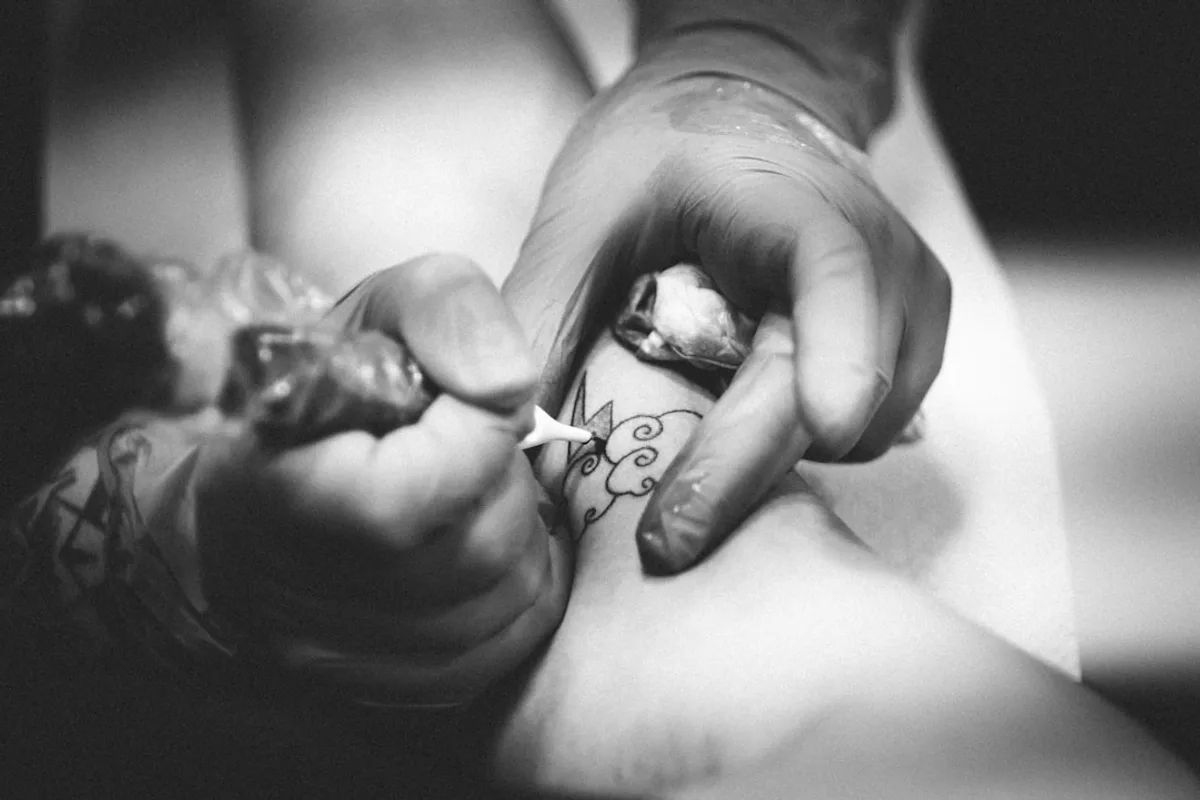
A well-defined aftercare routine is the cornerstone of successful tattoo healing, ensuring your ink looks its best. A structured approach to tattoo aftercare can significantly enhance the healing experience and final appearance. Here are the essential steps to follow:
- Clean Gently: Wash your tattoo with lukewarm water and a mild, fragrance-free soap. Pat it dry with a clean towel.
- Moisturize: Apply a thin layer of a recommended tattoo aftercare ointment to keep the skin hydrated.
- Protect from Sun: Avoid direct sunlight for the first three to four weeks to prevent fading and irritation. Learn more.
- Avoid Water Submersion: Refrain from soaking in baths or swimming pools as it can disrupt healing.
- Wear Loose Clothing: Opt for loose-fitting garments to prevent irritation from tight clothing.
- Monitor Progress: Regularly check for signs of infection, such as excessive redness or swelling, and consult a professional if needed.
By following these tattoo aftercare steps, you can ensure a smooth healing process. Let’s discuss how to prepare your skin before getting a tattoo.
Preparing Your Skin Before Getting a Tattoo
Preparing your skin for a tattoo is just as important as the tattooing process itself, impacting both the outcome and healing. Proper skin preparation can lead to better ink absorption and a smoother healing process, enhancing the overall tattoo experience. Here’s how to get ready for a tattoo:
- Hydrate: Drink plenty of water to keep your skin supple.
- Exfoliate: Gently exfoliate to remove dead skin cells for a smooth canvas.
- Avoid alcohol and drugs: These can thin your blood, affecting healing.
- Maintain healthy skin: Use moisturizer regularly in the days leading up to your appointment.
Let’s outline a daily care routine for a new tattoo.
Daily Care Routine for a New Tattoo
A well-structured daily care routine is crucial for ensuring your tattoo heals beautifully and remains vibrant. Here’s how to care for your new tattoo daily:
- Clean: Gently wash the tattoo with lukewarm water and mild soap twice a day.
- Moisturize: Apply a thin layer of fragrance-free moisturizer after each wash.
- Protect: Avoid direct sunlight and tight clothing to prevent irritation.
Consistency in your tattoo aftercare schedule can make a significant difference in the healing process and final appearance of the tattoo. Let’s discuss the signs of proper tattoo healing.
Signs of Proper Tattoo Healing
Understanding the signs of proper tattoo healing can help you ensure your new ink remains healthy and vibrant. Recognizing these signs empowers you to take action if complications arise.
- Initial redness and swelling should decrease within a few days.
- Peeling and flaking are normal as the skin regenerates.
- Expect a slight itchiness as the tattoo heals, but avoid scratching.
- Watch for signs of complications like excessive swelling or pus, which may require medical attention.
Let’s debunk common myths about tattoo aftercare.
Debunking Common Myths About Tattoo Aftercare
Misconceptions about tattoo aftercare can lead to poor healing practices, making it essential to separate fact from fiction. Common myths include the belief that sun exposure aids healing and that any moisturizer is suitable for new tattoos. These myths often stem from anecdotal advice passed down through generations or misinterpretations of professional guidelines.
| Myth | Reality |
|---|---|
| Sun exposure helps tattoos heal faster. | Direct sunlight can actually fade and damage a healing tattoo. Avoid it for the first few weeks. |
| All moisturizers are safe for tattoos. | Only use tattoo-specific moisturizers or those recommended by your artist to avoid irritation. |
Relying on professional advice over these tattoo aftercare myths is crucial for proper healing. Debunking these myths can help tattoo owners make informed decisions and avoid harmful practices during healing. Let’s explore the myth that tattoos heal faster in the sun.
Myth: Tattoos Heal Faster in the Sun
Many believe that sun exposure can expedite tattoo healing, but the reality is quite the opposite and can lead to serious complications. UV rays can damage both the tattoo and surrounding skin, hindering the healing process. Understanding the detrimental effects of sun exposure can help tattoo owners protect their ink. Here’s a comparison of sun exposure effects:
| Aspect | Impact of Sun Exposure |
|---|---|
| Healing Speed | Slows down due to skin damage |
| Tattoo Quality | Fades colors and blurs lines |
For safe sun practices post-healing, avoid direct sunlight and use protective clothing. Let’s address the myth that more moisturizer equals better healing.
Myth: More Moisturizer Equals Better Healing
The idea that more moisturizer equals better healing is a common myth that can actually hinder your tattoo’s recovery process. Over-moisturizing can lead to clogged pores and irritation, delaying healing. Understanding the balance in moisturizer application is crucial for effective tattoo aftercare without adverse effects.
| Moisturizing Myths for Tattoos | Reality |
|---|---|
| Does more moisturizer help tattoos? | Excessive use can cause irritation. |
| Recommended application | Apply a thin layer as needed, avoiding overuse. |
Let’s debunk the myth that all soaps are safe for tattoo aftercare.
Myth: All Soaps Are Safe for Tattoo Aftercare
Using the wrong soap can jeopardize your tattoo’s healing, making it essential to choose gentle and suitable options. Not all soaps are safe for tattoo aftercare; harsh soaps can irritate the skin and lead to complications. Opt for fragrance-free, gentle soaps to protect your new ink.
| Soap Type | Suitability for Tattoo Aftercare |
|---|---|
| Antibacterial Soap | Not recommended due to potential irritation |
| Fragrance-Free Soap | Safe and recommended |
| Moisturizing Soap | Safe if fragrance-free |
Choosing the right soap can significantly impact the healing process and overall appearance of the tattoo. For more tips on tattoo aftercare, visit Mad Rabbit.
FAQs About Tattoo Aftercare
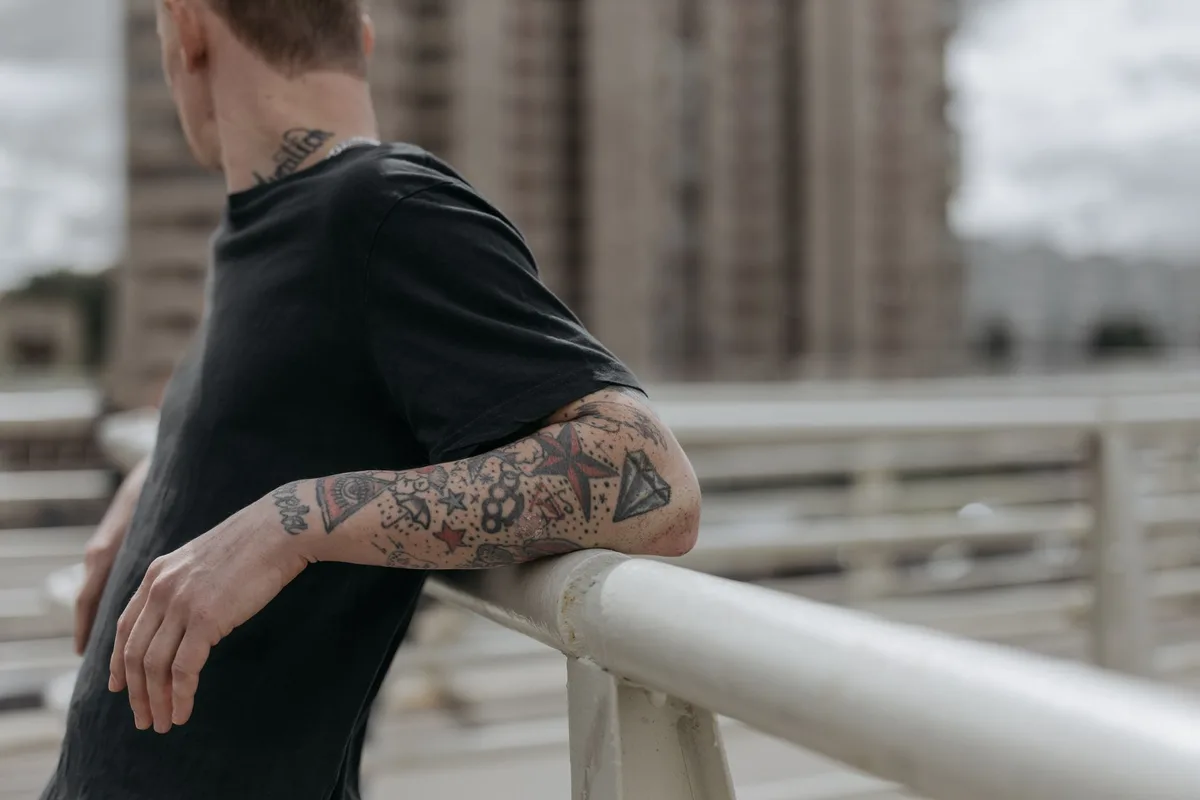
Effective tattoo aftercare is crucial for ensuring your new ink heals beautifully and remains vibrant for years to come. Key takeaways include avoiding sun exposure, not submerging the tattoo in water, and steering clear of tight clothing. Tailor your care to your skin type and consult professionals for personalized advice. A comprehensive understanding of aftercare can significantly enhance the healing experience and the final appearance of tattoos.
How Long Does It Take for a Tattoo to Heal?
The healing process for a tattoo typically spans three to four weeks. During this period, it’s crucial to avoid certain activities to ensure proper healing. Direct sun exposure can cause fading and irritation, so keep your tattoo covered when outdoors. Similarly, avoid submerging the tattoo in water, such as swimming or long baths, as this can disrupt the healing process source. Tight clothing should also be avoided, as it can rub against the tattoo and cause irritation source. By following these guidelines, you can help ensure your tattoo heals beautifully and remains vibrant.
Is It Normal for a Tattoo to Peel?
Yes, it is completely normal for a tattoo to peel as part of the healing process. This peeling is similar to how a sunburn heals, where the top layer of skin flakes off to reveal fresh skin beneath. During this time, it’s crucial to avoid picking at the peeling skin, as this can lead to scarring or color loss. Additionally, protect your tattoo from sun exposure, as a sunburn can hinder proper healing. It’s also important to avoid submerging the tattoo in water, such as in pools or baths, to prevent infection. Wearing tight clothing over the tattooed area can also irritate the skin and should be avoided. For more detailed aftercare tips, check out Mad Rabbit.
Can I Exercise After Getting a Tattoo?
Exercising immediately after getting a tattoo is not recommended. Physical activity can lead to excessive sweating, which may irritate the fresh ink and prolong the healing process. It’s best to avoid strenuous workouts for the first few days. Additionally, wearing tight or restrictive clothing during exercise can rub against the tattoo, causing discomfort and potentially affecting the design. Opt for loose-fitting garments to allow your skin to breathe and heal properly. Moreover, exposure to the sun should be minimized as it can fade or damage the tattoo. If you must be outdoors, keep the tattoo covered. For more detailed aftercare tips, consider checking resources like Mad Rabbit.
What If My Tattoo Gets Infected?
If you suspect your tattoo is infected, it’s crucial to act promptly. Signs of infection include excessive redness, swelling, or pus. Avoid exposing the tattoo to direct sunlight, as this can exacerbate irritation and hinder healing. Instead, keep the area covered with loose clothing to prevent further irritation. Tight clothing can trap moisture and bacteria, increasing the risk of infection. For more information, check out Club Tattoo’s guide.
Avoid submerging the tattoo in water, such as pools or hot tubs, which can introduce bacteria. If symptoms persist, consult a healthcare professional to prevent complications. Proper aftercare is essential for a smooth healing process.
Key Takeaways About Post-Tattoo Care
Proper post-tattoo care is crucial to ensure your new ink heals beautifully and remains vibrant. One of the most important things to remember is to avoid exposing your tattoo to direct sunlight. Sunburn can significantly impact the healing process and cause fading. Instead, keep your tattoo covered or stay in the shade during the first few weeks. For more detailed guidance, you can refer to Hustle Butter.
Another key point is to avoid submerging your tattoo in water. This means steering clear of pools, hot tubs, and baths. Water can disrupt the healing process, leading to potential infections. Keep showers short and avoid letting the water directly hit the tattooed area. Additionally, wearing tight clothing can irritate the skin and hinder healing. Opt for loose-fitting garments, especially over fresh tattoos, to allow your skin to breathe and heal properly.
By following these guidelines, you can enjoy a smooth healing process and a stunning tattoo. Ready to bring your tattoo vision to life? Book your consultation today to start designing your one-of-a-kind tattoo!
Leave a Reply