What Makes Tattoos Essential in Modern Society
Tattoos have transformed from a mark of rebellion to a celebrated form of self-expression in modern society. This evolution underscores their importance as personal narratives and reflections of societal changes. Tattoos are now a mainstream art form, embraced by diverse communities and cultures.
Historically, tattoos were often stigmatized, seen as symbols of rebellion or social deviance. However, over the past few decades, they have gained widespread acceptance, becoming a canvas for personal expression and storytelling. According to research, tattoos are now recognized for their cultural significance and identity formation.
In various subcultures, tattoos serve as important markers of identity, allowing individuals to visually communicate their values and experiences. This shift in perception highlights the evolving role of tattoos in contemporary culture, where they are celebrated for their artistic and personal significance.
How Social Media is Shaping Tattoo Culture
Social media platforms have become the new canvases for tattoo culture, reshaping how artists and enthusiasts connect. Platforms like Instagram and TikTok have revolutionized tattoo visibility, allowing artists to showcase their work to a global audience. This democratization of tattoo culture enables artists to reach broader audiences and clients to discover diverse styles and trends.
Hashtags play a crucial role in creating viral tattoo trends on Instagram, connecting artists with potential clients. Influencers on these platforms significantly impact public perceptions, making tattoos more mainstream and accepted. As a result, social media’s influence on tattoos today is profound, shaping both the art form and its cultural significance.
Influence of Instagram and TikTok on Tattoo Trends
Instagram and TikTok are driving the latest tattoo trends, showcasing innovative styles that captivate audiences worldwide. Popular trends include micro tattoos and watercolor designs, which gain traction through Instagram’s visual-centric platform. Viral challenges on TikTok also influence younger audiences, encouraging them to explore floral tattoo designs and other creative expressions.
Notable tattoo artists have gained fame through these platforms, with signature styles that set viral tattoo styles and inspire new trends. The rapid dissemination of ideas on Instagram and engaging short-form content on TikTok continue to shape the tattoo landscape.
The Role of Online Communities in Tattoo Acceptance
Online communities have become crucial in promoting acceptance and understanding of tattoos, connecting enthusiasts across the globe. Tattoo acceptance forums and social media groups provide safe spaces for individuals to share their tattoo journeys, fostering acceptance and breaking down societal stigmas. These platforms offer support for tattoo enthusiasts, challenge stereotypes, and promote positive narratives around tattoos.
Viral Tattoo Artists and Their Impact on the Industry
Viral tattoo artists are reshaping the industry, setting trends and redefining client relationships through their online presence. Influential tattoo creators leverage social media to showcase unique styles, influencing emerging trends and client expectations. By engaging directly with audiences, these artists enhance brand growth and redefine the client-artist dynamic, making tattoos more personalized and accessible.
Generational and Cultural Perspectives on Tattoos
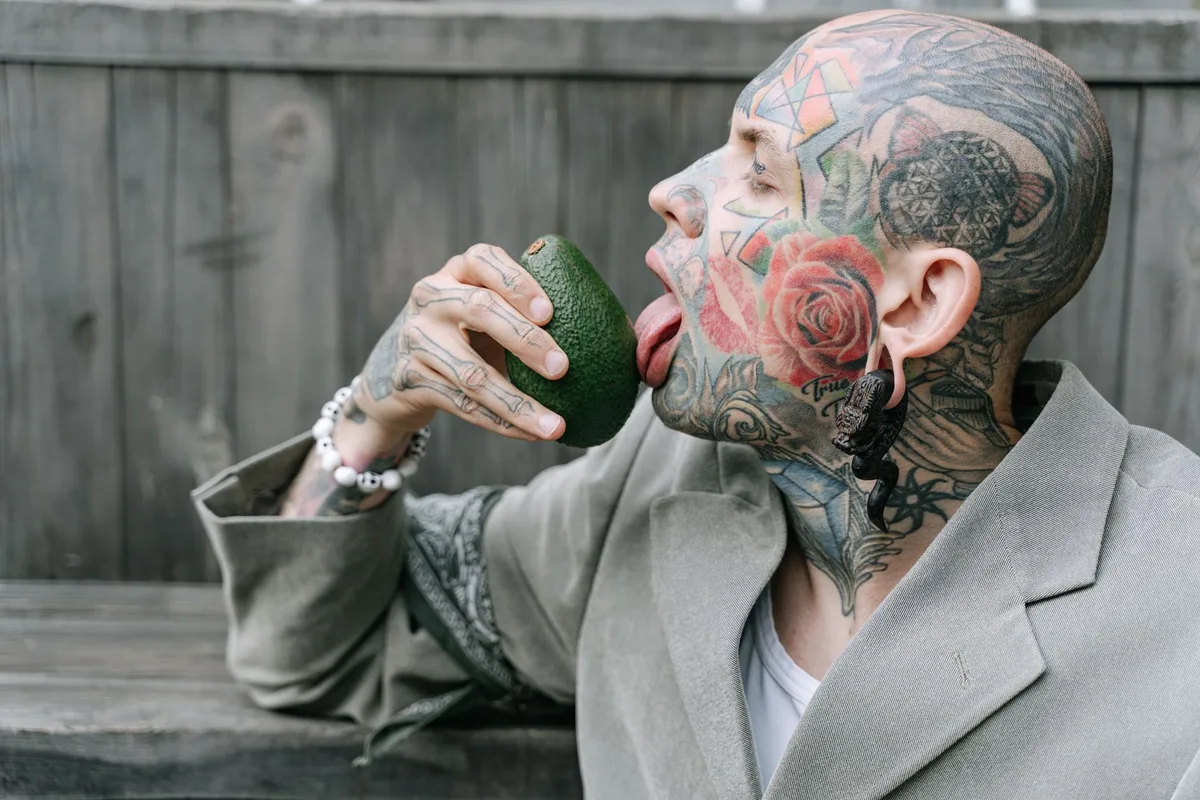
Generational perspectives on tattoos reveal a profound shift in societal norms, with younger individuals embracing body art as a standard form of expression. While Baby Boomers often associate tattoos with rebellion, younger generations, particularly Gen Z, view them as a norm of self-expression. This shift reflects broader cultural movements that have influenced tattoo acceptance by age. For instance, as tattoos have become more personalized and intricate, they have gained acceptance as legitimate art forms. Cultural events and social media have further propelled this acceptance, making tattoos a widely recognized symbol of identity and creativity.
Differences in Tattoo Acceptance Across Generations
Tattoo acceptance varies widely across generations, with each age group carrying its own perceptions and cultural significance. Baby Boomers often associate tattoos with rebellion, while Gen X has seen a gradual shift towards acceptance. Millennials and Gen Z embrace tattoos as personal stories and artistic expression. Cultural icons have further popularized tattoos among younger generations.
Cultural Significance of Tattoos Around the World
Tattoos hold profound cultural significance globally, often representing identity, heritage, and community values. In indigenous cultures, tribal tattoos serve as rites of passage or symbols of status. The meanings of cultural tattoos around the world vary widely, reflecting the diverse practices and beliefs in different cultures, from spiritual symbols to expressions of belonging.
How Tattoos Reflect Personal and Cultural Identity
Tattoos are not just body art; they are powerful expressions of personal and cultural identity, telling unique stories of the wearers. Memorial tattoos, for instance, can encapsulate significant life experiences, while cultural identity tattoos often reflect an individual’s heritage and traditions. Tattoos serve as potent symbols, allowing people to visually express their personal narratives and emotions.
Tattoos in the Workplace: Breaking Stereotypes
Tattoos in the workplace are becoming more accepted, reflecting a shift in corporate culture towards valuing personal expression. The evolving workplace culture is increasingly accepting tattoos, particularly in creative and tech industries, challenging long-held stereotypes. While tattoos were once seen as symbols of rebellion, they are now recognized as expressions of identity and creativity.
| Industry | Tattoo Acceptance |
|---|---|
| Tech | High |
| Creative Fields | High |
| Corporate | Moderate |
In professional settings, the balance between professionalism and personal expression is crucial. As more industries embrace tattoos, the perception of tattoos in the workplace continues to evolve, fostering an environment where personal expression is respected alongside professionalism.
Historical Stigma vs. Modern Acceptance
The historical stigma surrounding tattoos in the workplace is fading, thanks to changing societal norms and influential public figures. Tattoos were once seen as symbols of rebellion, particularly in the 20th century, but recent studies show increased acceptance across various industries. Public figures embracing body art have significantly reshaped corporate culture norms.
| Aspect | Historical Stigma | Modern Acceptance |
|---|---|---|
| Perception | Viewed as unprofessional | Seen as self-expression |
| Influence | Limited by societal norms | Influenced by public figures |
| Industry Impact | Restricted in corporate settings | Accepted in diverse industries |
Industries Leading the Change in Tattoo Acceptance
Industries such as technology and fashion are pioneering the acceptance of tattoos, redefining what professionalism looks like. These sectors embrace tattoos as a form of individuality and creativity, often fostering tattoo-friendly workplaces. Companies in these fields are setting examples with inclusive tattoo policies, encouraging personal expression among employees.
| Industry | Approach to Tattoos |
|---|---|
| Technology | Embraces tattoos as a symbol of creativity and individuality. |
| Fashion | Redefines professionalism to include personal expression through tattoos. |
Balancing Professionalism and Personal Expression
Balancing professionalism and personal expression with tattoos requires thoughtful consideration of placement and workplace culture. Navigating this balance involves strategic tattoo placement and understanding workplace expectations. Personal branding is evolving to include tattoos as part of one’s identity, reflecting both cultural significance and self-expression.
| Aspect | Strategy |
|---|---|
| Tattoo Visibility in Jobs | Choose placements that can be easily covered if necessary. |
| Personal Expression at Work | Align tattoo designs with personal and professional identity. |
| Workplace Culture | Understand and adapt to the specific norms of your industry. |
Trends and Predictions for the Future of Tattoo Culture
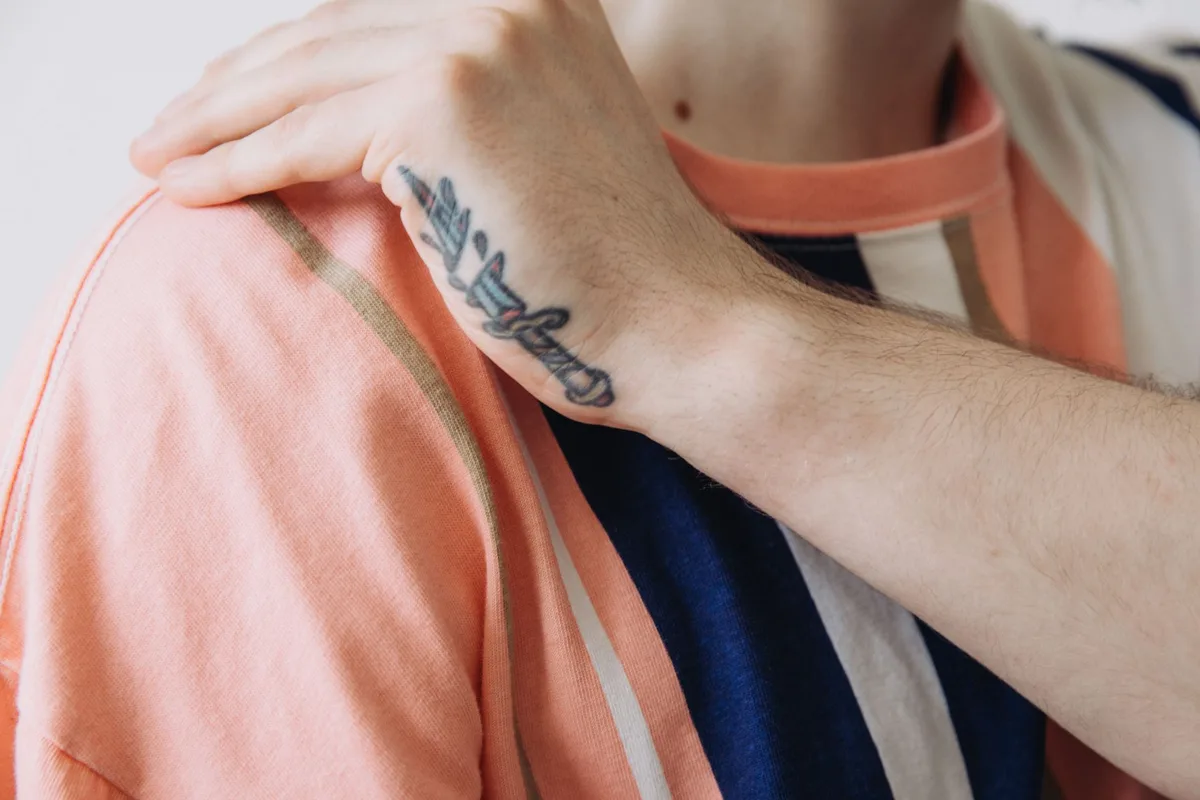
The future of tattoo culture is poised for transformation, driven by societal acceptance and technological innovations. As societal acceptance grows, tattoo culture is expected to diversify, incorporating new styles and technologies that enhance the tattoo experience. Emerging tattoo styles may include augmented reality tattoos and designs created with 3D printing techniques, offering unprecedented personalization.
Societal changes, such as increased acceptance and diversity, will likely broaden the appeal of tattoos, making them more prevalent in professional settings. Technological advancements will continue to shape tattoo trends, creating opportunities for artists to explore new aesthetics and techniques, ultimately enriching the cultural tapestry of tattoos.
Emerging Tattoo Styles and Techniques
Emerging tattoo styles like fine line and geometric designs are redefining body art, emphasizing personalization and artistic expression. These styles, along with watercolor tattoo techniques, reflect a shift towards minimalism and individuality. Cultural influences continue to inspire new techniques, leading to personalized tattoos that tell unique stories and showcase personal aesthetics.
Technological Advancements in Tattooing
Technological advancements are transforming the tattooing landscape, from improved inks to augmented reality applications. Tattoo technology advancements include machines that offer precision and reduced discomfort. Augmented reality tattoos allow clients to visualize designs before application. Innovations in tattooing, such as safer inks and sterilization techniques, ensure better health practices, revolutionizing both artistry and safety for clients and artists alike.
The Growing Popularity of Minimalist Tattoos
Minimalist tattoos are gaining popularity, appealing to those who appreciate the beauty of simplicity in body art. This trend reflects a cultural shift towards simplicity, allowing for profound personal expression through understated designs. Despite their simplicity, minimalist tattoos can convey deep personal meanings, resonating particularly with younger audiences who favor the “less is more” aesthetic.
How Tattoos Influence Personal Identity and Self-Expression
Tattoos empower individuals by serving as visual narratives of personal identity and transformation. They allow people to reclaim their bodies and express their identities uniquely. Through tattoo therapy, individuals often experience emotional healing and self-acceptance, finding strength in their inked stories.
For example, a person might choose a tattoo to symbolize overcoming adversity, thus reinforcing their personal empowerment. These transformative experiences highlight how tattoos can serve as powerful tools for empowerment, enabling individuals to reclaim their narratives and express their identities visually.
Tattoos as a Form of Personal Empowerment
Tattoos can symbolize personal empowerment, marking significant life events and showcasing individual resilience. They often represent personal milestones, serving as reminders of resilience and growth in individuals’ lives. Many individuals share testimonials of feeling empowered by their tattoos, viewing them as powerful symbols of self-assertion and personal growth.
Emotional and Psychological Aspects of Getting Tattooed
Getting a tattoo can be a profoundly emotional experience, often serving as a therapeutic outlet for personal expression. The anticipation and the tattooing process itself can evoke a range of emotions. For many, tattoos help cope with trauma or loss, providing closure and a sense of healing. This form of self-expression offers psychological benefits, allowing individuals to communicate identity and personal narratives through body art.
FAQs About Tattoos in Modern Society
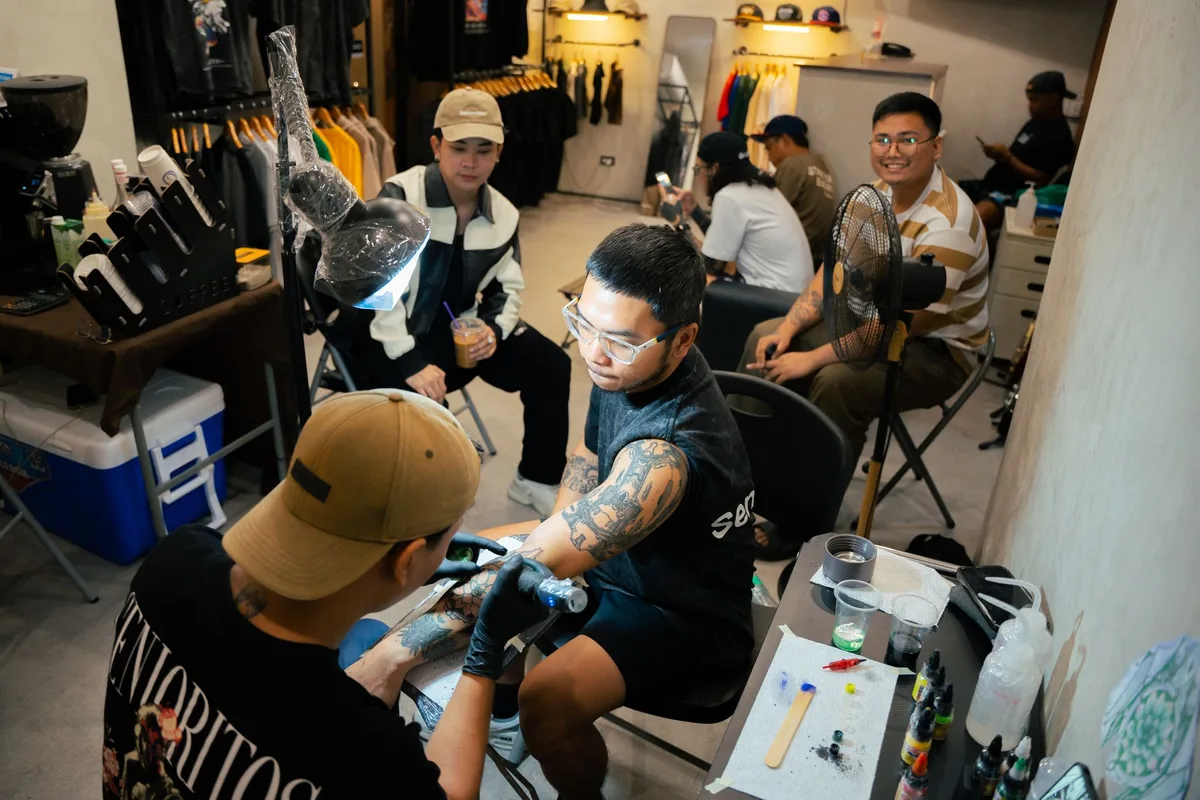
How have tattoos evolved in modern society?
Tattoos have transformed from bold, uniform designs to highly personalized art forms, reflecting cultural identity and self-expression. Read more.
Are Tattoos More Accepted Today Than in the Past?
Tattoos are increasingly accepted today, reflecting a significant cultural shift in societal attitudes. This change is largely driven by younger generations, particularly Millennials and Gen Z, who embrace tattoos as expressions of identity and self-expression. Additionally, workplaces are adopting more inclusive policies regarding visible tattoos, further normalizing their presence in professional settings. The increased visibility of tattoos in media and changing views on tattoos contribute to their growing acceptance in society.
How Do Different Cultures View Tattoos?
Cultural perspectives on tattoos vary widely, influencing how they are perceived and accepted in different societies. In many indigenous cultures, tattoos hold deep spiritual and cultural significance, often symbolizing rites of passage or tribal identity. Conversely, some cultures view tattoos as taboo, associating them with rebellion or social deviance. In Western societies, tattoos have become more accepted as an art form, though certain stigmas persist, particularly in professional settings. These varied cultural views on tattoos highlight the diversity of tattoo acceptance around the world.
Can Tattoos Affect Job Prospects?
Tattoos can influence job prospects, with acceptance levels varying significantly across different industries. In conservative sectors, visible tattoos might still impact hiring decisions as some employers hold biases against them. However, the landscape is changing, and many companies, especially in creative fields, are becoming more accepting of tattoos in the workplace. This shift reflects the evolving cultural significance of tattoos, which are increasingly seen as expressions of identity rather than symbols of rebellion.
What Are the Latest Trends in Tattoo Styles?
The latest tattoo trends are heavily influenced by social media, showcasing a shift from traditional designs to more personalized and intricate expressions. Styles like hyper-realistic portraits, fine line minimalism, and abstract compositions are gaining popularity. This evolution reflects tattoos’ growing acceptance in professional settings and their cultural significance as a form of self-expression. Social media platforms play a crucial role in this transformation, allowing artists to share their work globally and inspiring new trends.
How Do Tattoos Impact Personal Identity?
Tattoos serve as powerful reflections of personal and cultural identity. They have evolved dramatically over the past few decades, transitioning from stigmatized symbols of rebellion to widely accepted forms of self-expression. This transformation highlights their role in showcasing individuality and cultural heritage. Despite their growing acceptance, tattoos still carry different meanings across various social and professional settings, influencing how individuals perceive themselves and are perceived by others. Read more.
Key Takeaways About Tattoos in Modern Society
Tattoos have emerged as vital expressions of identity and personal narrative in modern society, reflecting broader cultural shifts. They serve as powerful tools for self-expression and storytelling, allowing individuals to showcase their unique identities and cultural backgrounds. The acceptance and significance of tattoos are continuously evolving, shaped by cultural, technological, and generational influences.
Social media has played a pivotal role in normalizing tattoos, making them more visible and accepted across different demographics. Generational shifts have further contributed to this acceptance, with younger generations embracing tattoos as mainstream art forms. Tattoos in modern society are no longer confined to rebellion; they are celebrated for their ability to convey personal stories and cultural significance.
As tattoos continue to gain acceptance in professional settings, their role in personal and cultural expression becomes even more pronounced. Book your consultation today to start designing your one-of-a-kind tattoo!
Leave a Reply