Why Cultural Meanings Behind Tattoo Designs Matter
Cultural meanings behind tattoo designs can transform a simple ink mark into a profound expression of identity and heritage. Understanding these meanings is crucial as it helps individuals select tattoos that resonate deeply with their personal narratives, while also fostering respect for the cultures represented.
In many societies, tattoos are more than just decorative art; they are imbued with cultural significance. For instance, in Polynesian cultures, tattoos often signify social status and spiritual beliefs. Similarly, ancient Siberian nomads and Indigenous Polynesians used tattoos for protection against evil spirits source. By exploring these cultural nuances, individuals can make more meaningful tattoo choices that honor the traditions they draw from.
The importance of cultural tattoo meanings extends to the distinction between cultural appreciation and appropriation. When selecting a tattoo design, understanding its cultural background ensures that the choice is respectful and informed, rather than inadvertently offensive. This awareness not only enriches the personal significance of the tattoo but also contributes to a broader respect for the diversity of tattooing practices worldwide.
Ultimately, the cultural significance of tattoos is a gateway to deeper connections with one’s own identity and the global community. By appreciating the historical and cultural contexts of tattoo designs, individuals can celebrate their personal stories while honoring the rich traditions that inspire them.
The Evolution of Tattoo Meanings Across Cultures and Time
From ancient tribal markings to modern body art, the evolution of tattoo meanings reveals a rich tapestry of human expression. Historically, tattoos have served as tribal rites of passage, such as the intricate Polynesian tribal tattoos, which symbolize identity and heritage. In Japan, the art of irezumi has long been associated with spirituality and status, reflecting the deep cultural tattoo practices of the region.
As societies evolved, so did the meanings behind tattoos. Historical events, including wars and colonization, have significantly influenced tattoo practices, transforming them into symbols of personal expression and resilience. This transition from traditional practices to contemporary interpretations mirrors broader societal changes and personal narratives. For instance, tattoos once used by ancient Siberian nomads for protection now often represent personal milestones or beliefs as noted by Smithsonian Magazine.
Today, tattoos continue to serve as a captivating medium for storytelling, showcasing the heritage, meanings, and symbolism ingrained in every design, adapting to the cultural significance of tattoos in various societies.
How Ancient Cultures Used Tattoos to Convey Meaning
In ancient cultures, tattoos served as powerful symbols of identity, spirituality, and social hierarchy, often carrying deep personal and communal significance. The ancient Egyptians used tattoos to signify religious beliefs and status, frequently depicting deities or symbols of protection. Maori tattoos (ta moko) conveyed lineage and personal achievements, with each pattern uniquely tailored to the individual. In some Native American cultures, tattoos marked rites of passage and symbolized bravery, reflecting the deep cultural beliefs embedded within their designs.
For more on how tattoos continue to convey meanings today, explore floral tattoo designs.
The Shift in Tattoo Meanings Through Modern History
As tattoos transitioned into mainstream culture, their meanings evolved from sacred symbols to personal expressions of individuality. The rise of tattoo parlors in the 20th century marked a shift from cultural rituals to fashionable statements. Today, tattoos often reflect personal stories, emphasizing individuality over societal expectations. The influence of celebrities and social media has further transformed tattoo meanings, making them more accessible and diverse. This commercialization blends traditional meanings with personal narratives, creating a unique modern tattoo culture.
Symbols and Their Stories: From Ancient to Modern Tattoos
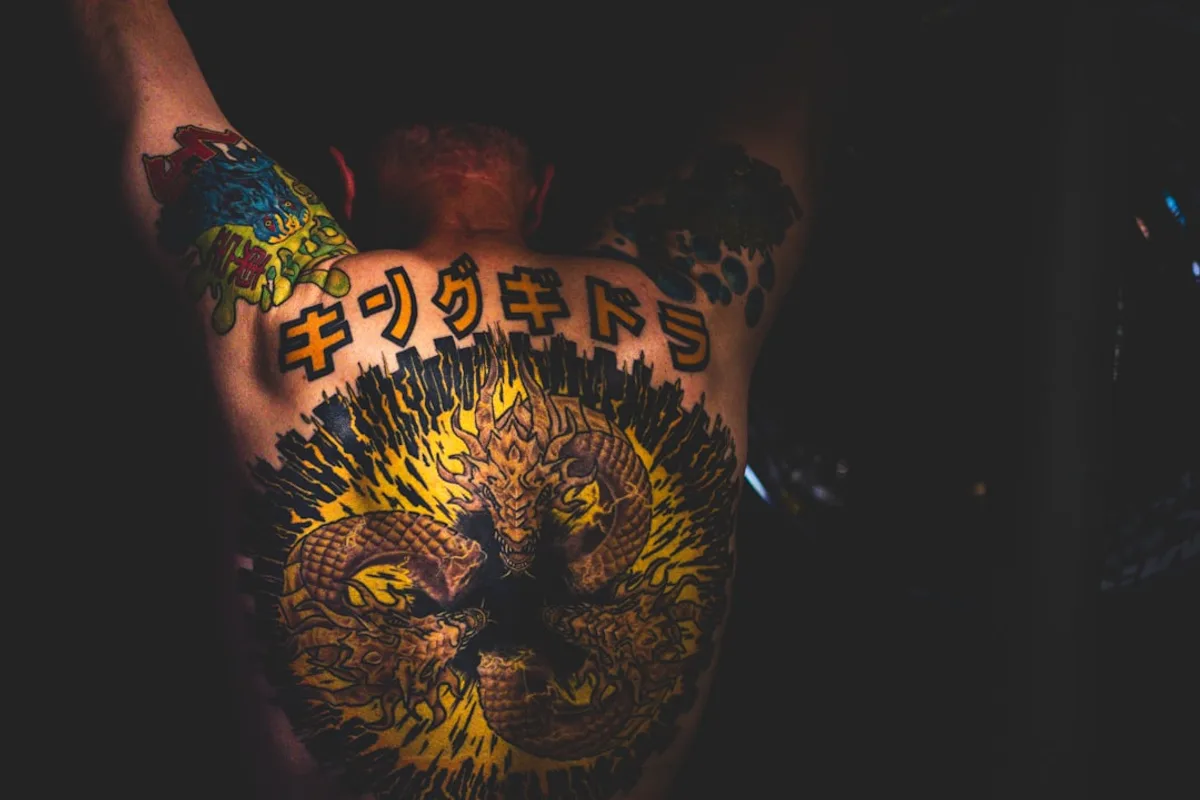
Tattoo symbols are more than just art; they encapsulate centuries of cultural significance and personal stories. Common tattoo symbols, such as the anchor, often represent stability, a reflection of sailors’ reliance on anchors to keep their vessels secure. The lotus flower, revered in many cultures, symbolizes rebirth and purity, embodying the journey from mud to bloom.
Celtic knots are another popular choice, conveying interconnectedness and eternity. These intricate designs reflect ancient beliefs about the cyclical nature of life and the universe. Dragons, meanwhile, hold diverse meanings across cultures. In Asian traditions, they are symbols of strength and protection, revered as benevolent creatures. Conversely, in Western cultures, dragons often represent chaos and formidable challenges.
Many tattoo symbols carry rich histories and meanings that vary significantly between cultures, making them deeply personal choices. For more insights into the cultural significance of tattoos, explore resources like this comprehensive guide on tattoo meanings.
Iconic Symbols and Their Historical Significance
Iconic tattoo symbols carry profound historical meanings, often linking the past with contemporary personal expressions. The skull, for example, has been used across cultures to symbolize mortality and the cycle of life. Meanwhile, the rose is universally recognized as a symbol of love and beauty, with its meaning shifting based on color and context. The phoenix, representing rebirth and transformation, is another popular choice in symbolic tattoos across cultures. Understanding these historical tattoo meanings can deepen appreciation for their use in modern tattoo art. For more on tattoo meanings, visit HowStuffWorks.
Modern Interpretations of Classic Tattoo Symbols
Modern tattoo art breathes new life into classic symbols, transforming their meanings while honoring their origins. The heart symbol, once linked to sacrifice, now often signifies love and passion. Similarly, the infinity symbol, originally mathematical, is reimagined to represent eternal love or friendship. Traditional tribal designs are frequently reinterpreted, blending historical significance with contemporary artistic expression, appealing to a diverse audience. These modern tattoo interpretations showcase how classic tattoo symbols evolve while retaining their cultural essence.
Cultural Influences on Symbolic Tattoo Meanings
Cultural influences shape tattoo meanings in profound ways, reflecting the interconnectedness of our global society. Globalization and cultural exchange have led to a blending of tattoo styles and meanings across different societies, creating a dynamic landscape for tattoo symbolism. Social movements have also prompted a re-evaluation of certain symbols, making them more inclusive or politically charged. Moreover, the rise of multiculturalism in urban areas has increased demand for tattoos that reflect diverse backgrounds, enhancing the richness of tattoo symbolism.
Gender Differences in Tattoo Meanings and Personal Identity
Tattoo choices often reflect deeper gender norms, revealing how personal identity and societal expectations intertwine. Research indicates that men and women frequently select different tattoo designs based on these factors. Men may gravitate towards symbols of strength, such as lions or eagles, while women often choose designs that emphasize beauty and personal stories, like flowers or intricate patterns.
| Aspect | Men | Women |
|---|---|---|
| Common Symbols | Strength (e.g., lions, eagles) | Beauty and Stories (e.g., flowers, mandalas) |
| Placement | Arms, Chest | Wrist, Ankle |
| Visibility | Often visible | Sometimes discreet |
Understanding these gender differences in tattoos can reveal deeper insights into personal identity and the societal pressures that influence tattoo meanings by gender. Cultural significance also plays a role, as tattoos serve as a medium for storytelling across various societies Read more.
How Tattoo Meanings Vary Between Genders
Tattoo meanings are not only personal but also shaped by gender, reflecting societal expectations and individual identity. The variance in tattoo meanings highlights how societal norms shape personal expression, influencing the designs chosen by different genders.
| Aspect | Men | Women |
|---|---|---|
| Common Themes | Strength, bravery, heritage | Beauty, personal narratives |
| Societal Perception | Often linked to masculinity | Can be seen as a form of empowerment |
| Placement | More visible areas | Often less visible areas |
The Role of Tattoos in Expressing Gender Identity
Tattoos have become a canvas for expressing gender identity, allowing individuals to affirm their true selves through art. They can be powerful tools for expressing and affirming one’s gender identity, often reflecting personal journeys and societal challenges. For some, tattoos act as a form of resistance against traditional gender norms, showcasing individuality.
| Aspect | Description |
|---|---|
| Gender Affirmation | Many individuals use tattoos to express their authentic selves and affirm their gender identity. |
| Resistance | Tattoos can challenge traditional gender norms, highlighting personal uniqueness. |
| Symbolism | Chosen symbols often reflect personal journeys in understanding and expressing gender identity. |
The Psychological Impact of Tattoos and Cultural Appropriation

The psychological impact of tattoos can be significant, influencing how individuals perceive themselves and how they engage with cultural symbols. Tattoos often serve as powerful tools for self-expression, enhancing self-esteem and allowing individuals to assert their identity. However, the permanence of tattoos can also lead to complex feelings about identity as personal beliefs and circumstances evolve over time.
Moreover, cultural appropriation in tattoos raises important ethical questions. When individuals adopt symbols from cultures not their own, it can lead to debates about ownership and respect. For instance, a mandala tattoo, a spiritual symbol in Hinduism and Buddhism, might be chosen for its aesthetic appeal without understanding its deeper cultural significance Read more. This can diminish the symbol’s original meaning and impact cultural awareness.
The psychological implications of tattoos extend beyond aesthetics, influencing self-perception and cultural awareness. As tattoos continue to be a medium for storytelling and heritage Read more, understanding their cultural contexts becomes increasingly important.
Understanding the Psychological Effects of Tattoos
Navigating cultural appropriation in tattoo art is crucial for fostering respect and understanding between cultures. Understanding the historical context of tattoo symbols, such as those used by ancient Siberian nomads and Indigenous Polynesians, helps avoid cultural appropriation tattoos. Engaging in ethical tattoo practices encourages artists and clients to consider the cultural significance behind designs, promoting respectful tattoo choices. This awareness leads to more meaningful and responsible tattoos, reflecting a deeper appreciation for the diverse cultural heritage they represent.
Navigating Cultural Appropriation in Tattoo Art
Personal stories behind tattoos often reveal the deep emotional connections individuals have with their body art, transforming ink into a powerful narrative. These meaningful tattoos can serve as memorials or tributes, making personal stories even more poignant. For instance, a tattoo commemorating a loved one can symbolize enduring love and remembrance. Sharing such tattoo narratives fosters community and understanding, as personal tattoo stories illuminate the profound connections individuals have with their body art, enriching the overall understanding of tattoo culture.
Personal Stories: The Meaning Behind My Tattoo
Understanding the cultural meanings behind tattoo designs enriches personal expression and fosters respect for the diverse traditions that inspire body art. Tattoos are more than just ink on skin; they are a reflection of individual identity and the societal influences that shape us. By exploring the cultural significance of tattoos, one can appreciate the depth and history embedded in each design.
For many, tattoos serve as a personal narrative, telling stories of heritage, beliefs, and personal milestones. For instance, a mandala tattoo, with its intricate circular patterns, represents harmony, eternity, and unity in Hinduism and Buddhism. Such designs not only convey personal values but also connect the wearer to a broader cultural context. Read more.
Engaging with cultural symbols in tattoo choices requires a respectful approach. Recognizing the cultural significance of tattoos can enhance personal expression and foster respect for diverse traditions. For example, the Maori of New Zealand use tattoos, or “ta moko,” as a sacred rite of passage, symbolizing lineage and personal history. Understanding these meanings helps avoid cultural appropriation and promotes a deeper appreciation for the art form.
Common symbols like lions, lotus flowers, and anchors carry varied meanings across cultures. A lion might symbolize strength and courage, while a lotus flower represents purity and enlightenment. These symbols, when chosen thoughtfully, can resonate with personal experiences and aspirations. Explore symbolic ink by culture.
Ultimately, the key takeaways about cultural meanings behind tattoo designs highlight the importance of informed and respectful choices. Tattoos are a powerful medium for storytelling, showcasing heritage, meanings, and symbolism ingrained in every design. By embracing this understanding, individuals can express themselves authentically while honoring the rich tapestry of global tattoo traditions.
FAQs About Cultural Tattoo Meanings and Practices

Explore the rich tapestry of cultural tattoo meanings and practices. From ancient Siberian nomads to Indigenous Polynesians, tattoos have served as protection and storytelling tools. Discover more about these fascinating symbols in our comprehensive guide.
What Are Some Common Cultural Tattoo Symbols?
Cultural tattoo symbols carry rich meanings, often reflecting deep historical and personal narratives that resonate with individuals. Among the most common tattoo designs are the lotus flower, anchor, and skull. The lotus flower is frequently associated with rebirth and spiritual awakening, while the anchor symbolizes stability and grounding. The skull, on the other hand, serves as a reminder of mortality and the transient nature of life.
The meanings of cultural tattoo symbols can vary significantly between different cultures. For instance, while a dragon might symbolize strength and wisdom in Asian cultures, it can represent chaos and power in Western contexts. Understanding these tattoo symbol meanings allows individuals to select designs that truly resonate with their personal stories and cultural backgrounds, making each tattoo a unique expression of identity.
How Can I Choose a Tattoo That Respects Cultural Meanings?
Choosing a tattoo that respects cultural meanings involves deep research and a commitment to honoring the traditions behind the art. Start by thoroughly understanding the symbol’s significance within its cultural context. Consulting with artists who have expertise in cultural tattoos can provide valuable insights and guide you toward respectful tattoo choices. It’s crucial to be aware of cultural appropriation, ensuring that your tattoo honors rather than exploits cultural symbols.
Respectful tattoo choices require a commitment to understanding the cultural significance behind designs, promoting ethical engagement with body art. For example, mandalas are intricate circular patterns that hold spiritual significance in Hinduism and Buddhism [source]. By taking the time to learn and appreciate these meanings, you can make an ethical tattoo selection that celebrates cultural heritage.
Do Tattoo Meanings Change Over Time?
Tattoo meanings are not static; they evolve with society and personal experiences, creating a rich tapestry of stories. As societal norms shift and personal journeys unfold, the symbolism behind tattoos can transform. For instance, symbols that once held specific meanings may take on new interpretations in modern contexts. This evolution in tattoo symbolism reflects broader societal trends and personal narratives, making each tattoo a unique story. Understanding this dynamic nature is crucial for appreciating the depth of tattoo art. The cultural significance of tattoos varies across societies, as seen in the diverse practices of ancient Siberian nomads and Indigenous Polynesians [source]. This ongoing evolution ensures that tattoos remain a powerful medium for personal and cultural expression.
Can a Tattoo Have Multiple Cultural Meanings?
Tattoos often embody multiple cultural meanings, reflecting the rich tapestry of human experience and interpretation. A tattoo can indeed have multiple cultural meanings depending on the context and the culture from which they originate. For instance, a single symbol like the lotus may symbolize purity in one culture and rebirth in another. This diversity in tattoo symbolism highlights the complexity of cultural symbols and their interpretations across different societies. Understanding these multiple meanings can enhance appreciation for the art form and its cultural significance. By exploring the meanings behind popular tattoo designs, one can gain insight into the cultural significance of tattoos and their varied symbolism.
Key Takeaways About Cultural Meanings Behind Tattoo Designs
Cultural meanings behind tattoo designs are vital for personal expression and fostering respect for the diverse traditions that inspire body art. Tattoos serve as a profound medium for storytelling, reflecting the heritage and symbolism of various cultures. For instance, ancient Siberian nomads and Indigenous Polynesians used tattoos for protection and spiritual purposes, showcasing the deep-rooted significance these designs hold read more.
Understanding these meanings not only enhances personal expression but also fosters respect for diverse traditions. Recognizing the cultural significance of tattoos can deepen personal connections and promote ethical tattoo practices. For example, mandalas, with their intricate circular patterns, symbolize harmony and unity in Hinduism and Buddhism read more. Such insights into tattoo culture ensure that tattoo choices are informed and respectful, avoiding cultural appropriation.
Ultimately, the cultural meanings of tattoo designs enrich personal identity and expression. They invite us to appreciate the historical and cultural contexts from which these symbols arise. By understanding and respecting these traditions, we contribute to a more inclusive and informed tattoo culture. Book your consultation today to start designing your one-of-a-kind tattoo!
Leave a Reply